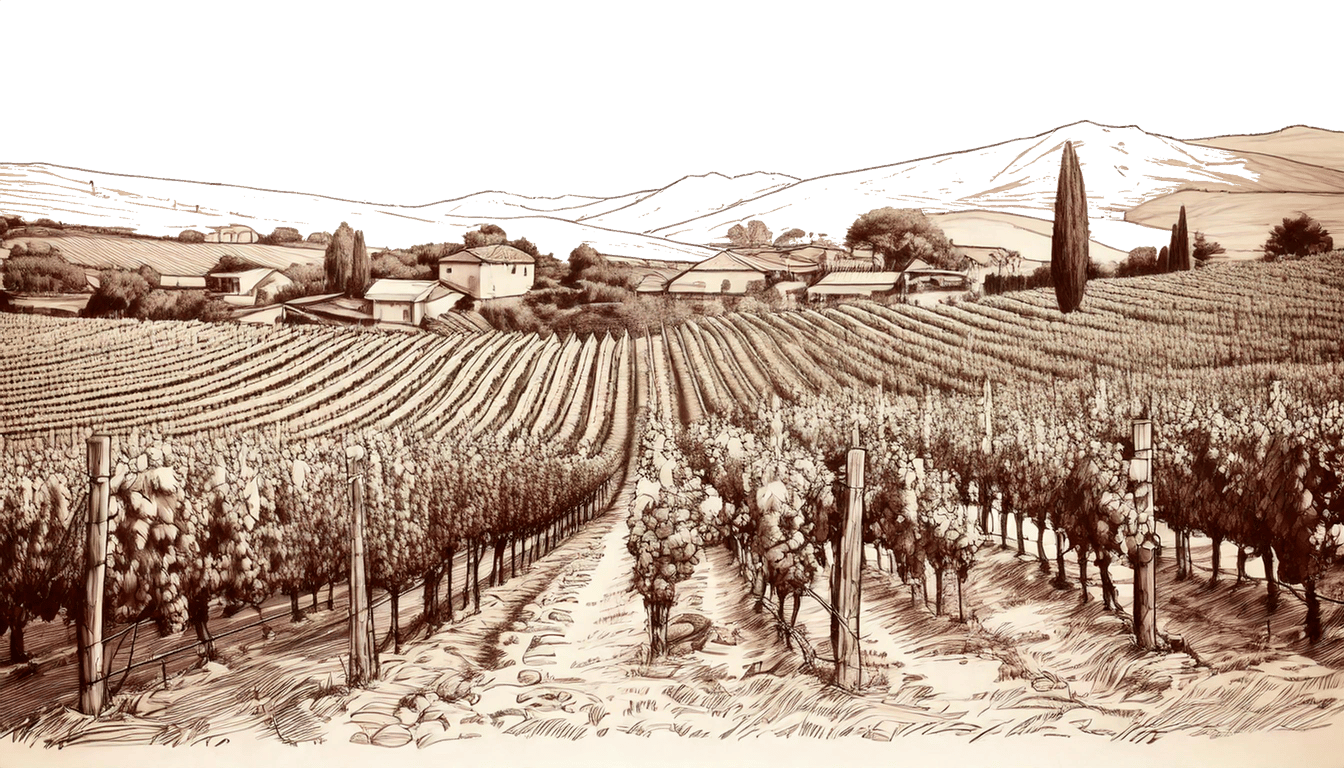
Bordeaux: A Journey Through History
Located in southwestern France, Bordeaux is world-renowned as the centre of fine wine. However, Bordeaux is more than just its vines and bucolic terrain. As a port city in southwestern France, this destination boasts an impressively rich history with undeniable charm and cultural relevance. It has survived empires rising and falling, booming trade, as well as some simply amazing architectural treasures—each of which has contributed to shaping the identity we see today.
From Roman Roots to the Middle Ages
The history of Bordeaux starts with the Romans, who established and settled in Burdigala due to its strategic location close to the Atlantic Ocean around the 3rd century BCE. As a trade centre for goods transported across Europe, this fledgling city grew quickly. Bordeaux was not yet the wine-famed powerhouse it would later be but had long been recognized for its fertile soil and temperate climate well suited to farming.
Bordeaux was ruled by the Visigoths in the early Middle Ages, and then by the Franks, and by the 12th century came to be part of the Duchy of Aquitaine. It was during this time that Eleanor of Aquitaine became the bride of Henry Plantagenet, who would become King Henry II of England. This marriage sent Bordeaux into the Angevin Empire, tying it to England for nearly three hundred years. Bordeaux grew prosperous during this period through its trade with England, and the wine started to seduce English hearts (and tongues) — a bond that remains alive today.
The Golden Age of Bordeaux
The 18th century saw Bordeaux flourish into one of the richest cities in Europe. The Garonne River cut through Bordeaux, providing a natural gateway to the Atlantic and access to trade routes with the Americas, Africa, and the Caribbean. The architecture of the city flourished in this time, with imposing neoclassical structures and sprawling plazas sculpting Bordeaux into the city of elegance we see today. Many of these, like the Place de la Bourse, still exist today and represent both the wealth afforded to Bordeaux during this time and the elegance of that age.
But the success of the port was not without controversy. The triangle trade — the trading of enslaved people — was an immense source of much of Bordeaux's wealth. Museums and public initiatives today teach visitors about this chapter in Bordeaux history that is often painted as a fairytale for locals.
Bordeaux in Modern Times
Bordeaux by the 20th century had to contend with modernity. The city was scarred by World Wars I and II but always kept its spirit. After the wars, Bordeaux experienced an artistic and architectural renaissance, embracing its past while constructing for the future. Wider urban renewal schemes began in Bordeaux with Alain Juppé, a former Mayor of the city, back in the 1990s restoring some amazing historic façades and creating a state-of-the-art tramway system that breathed new life into its historic core.
Bordeaux is now a UNESCO World Heritage site, with its glorious 18th-century architecture and busy wine scene. However, there is more to Bordeaux than its stunning architecture and world-renowned vineyards. A city that has owned its successes and its failures, grown, but never lost track of where it came from.
A Living History
You feel the centuries weigh heavy on your shoulders as you walk the cobbled streets of Bordeaux, past a Grosse Cloche and St. André Cathedral. Each street has a tale to tell, each structure tells of survival and rebirth. For those history lovers in the crowd (and wine lovers too!) Bordeaux is all about inviting you to relive its stories, taste its wines and find your own place in a living history.
So next time you come to visit, keep in mind: Bordeaux is not a city, it is an experience.