Bordeaux and the Future of Sustainable Wine: How Hybrid Vines Could Transform the Region
A Changing Climate and the Next Chapter of Bordeaux Wine
Bordeaux is steeped in tradition. The region has built its global reputation on Cabernet Sauvignon, Merlot, and Sémillon, with vineyards that have barely changed for centuries. Yet the climate is not what it once was. Hotter summers, unpredictable rainfall, and rising disease pressure have made winemaking here more challenging. Behind the postcard-perfect vineyards, growers are grappling with questions that will define Bordeaux’s next century: how do we preserve quality while protecting the land?
One answer gaining attention is the planting of hybrid grape varieties—vines bred to resist disease and require fewer chemical sprays. For decades, hybrids were dismissed in Bordeaux, seen as incompatible with the strict rules of the region. But as sustainability becomes essential and climate challenges intensify, change is in the air.
For travellers exploring Bordeaux, this shift is more than a technical detail. It’s a transformation you can witness first-hand: new plots of vines, conversations with winemakers about the future, and tastings that may include experimental blends alongside the classics. Your visit can become a snapshot of Bordeaux at a turning point.
What Hybrid Vines Really Are
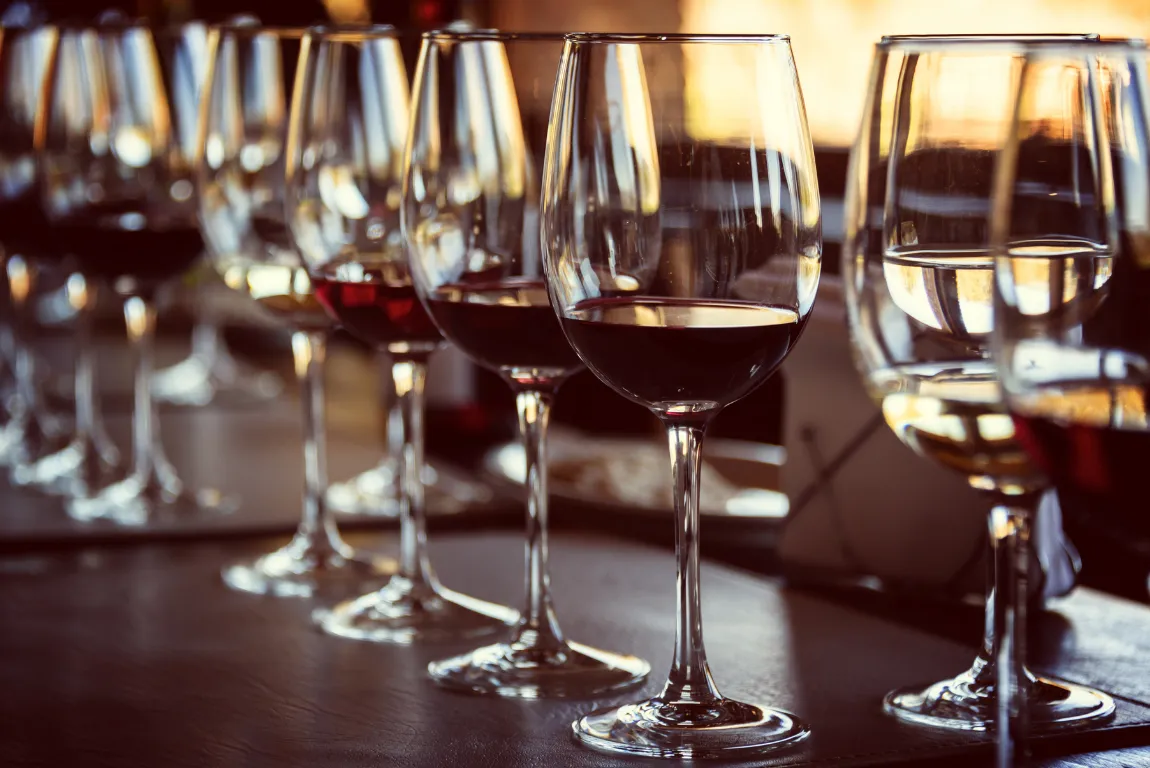
To understand the conversation, it’s worth knowing what “hybrid” means in wine. Hybrid grape varieties are created by crossing traditional European vines (Vitis vinifera) with other species to develop natural resistance to fungal diseases such as downy mildew and powdery mildew. These hybrids don’t require the same volume of pesticides or copper sprays, making them far more environmentally friendly.
In practice, hybrids allow vineyards to cut down chemical treatments by more than half, sometimes even eliminate them entirely. For Bordeaux, where humid conditions often encourage fungal disease, this is a significant benefit.
Importantly, hybrids are not genetically modified in the laboratory. They’re the product of selective breeding—much like creating disease-resistant roses or apples. But because Bordeaux’s appellation system has historically limited permitted grapes, integrating hybrids here has been controversial.
Why Bordeaux Needs to Think Differently
Bordeaux sits on the Atlantic coast, with a maritime climate that brings humidity and rain at critical points in the growing season. Traditional varieties—especially Merlot and Cabernet Sauvignon—are vulnerable to fungal diseases. To protect yields, vineyards often spray several times a season. These treatments have environmental and economic costs, from soil health impact to fuel and labour use.
At the same time, climate change is increasing unpredictability. Hotter summers can accelerate ripening, causing higher alcohol levels and less acidity. Wet periods create ideal conditions for mildew outbreaks. Frost events have also been devastating in recent years, wiping out large percentages of crops overnight.
For a region that must maintain both global prestige and sustainability, hybrid vines are a tempting tool. They could mean fewer chemical inputs, more stable yields, and a reduced environmental footprint—without compromising the identity of Bordeaux wine if carefully integrated.
Tradition vs. Innovation: A Delicate Balance
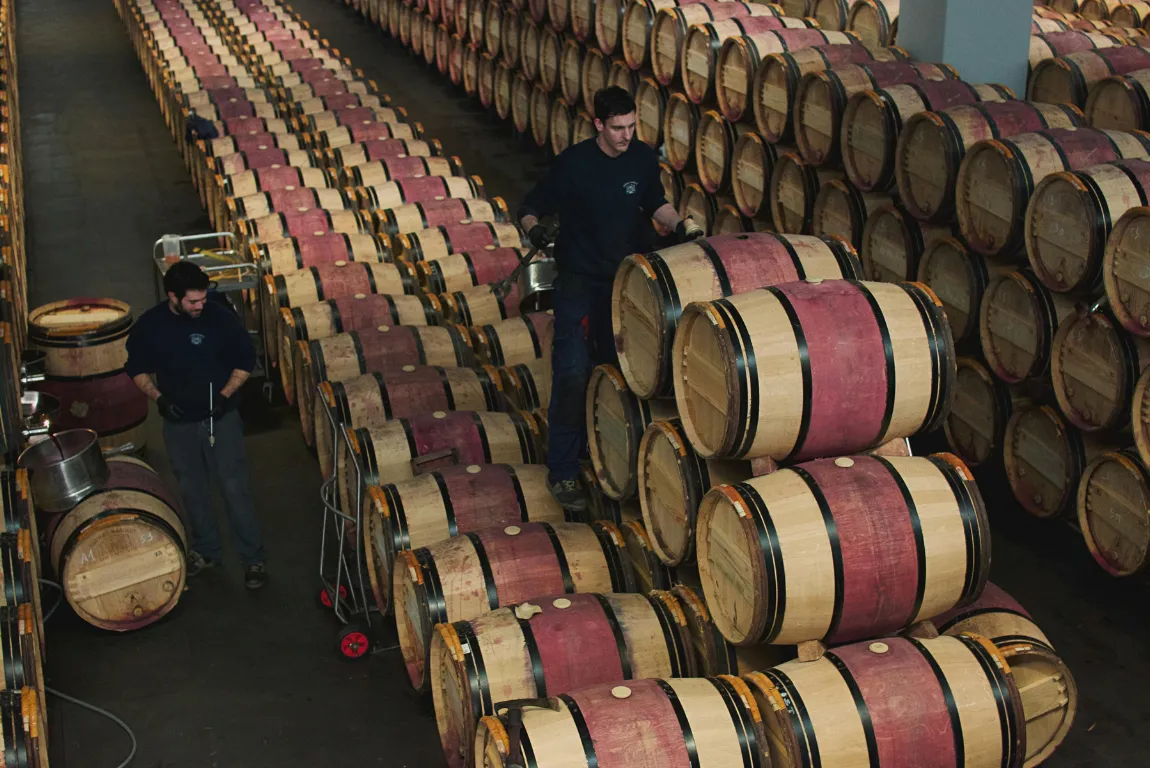
Bordeaux is defined by its Appellation d’Origine Contrôlée (AOC) system, which protects the region’s identity by regulating grape varieties, vineyard practices, and winemaking techniques. Cabernet Sauvignon, Merlot, Cabernet Franc, Sauvignon Blanc, and Sémillon dominate because they’ve proven themselves over centuries. Introducing hybrids into such a system is not simple.
Winemakers worry: will consumers accept a wine made partly from a new grape they’ve never heard of? Will the unique character of Bordeaux—its “typicity”—change? And how do you honour centuries of tradition while adapting to a very different climate?
Despite these concerns, forward-thinking producers are starting to test hybrid vines in small plots. Some are quietly experimenting, planting blocks of resistant varieties alongside their classic vines to observe how they behave in Bordeaux soils and weather. For now, these wines may be labelled as Vin de France rather than under prestigious appellations, but they are laying the groundwork for the future.
For tourists, this moment is fascinating. You can walk through vineyards where innovation is happening, hear from winemakers who are balancing heritage with sustainability, and taste wines that might hint at the Bordeaux of tomorrow.
The Sustainability Push: More Than Just Hybrids
While hybrid vines are a key part of the conversation, Bordeaux’s sustainability movement goes beyond them. Many estates have converted to organic or biodynamic viticulture, reducing chemical inputs and focusing on soil health. Others are experimenting with cover crops, reducing tillage, and increasing biodiversity to make vineyards more resilient.
Solar energy powers wineries, water recycling is becoming standard, and light glass bottles are replacing heavier ones to reduce carbon emissions. The overall goal: make Bordeaux a model for environmentally responsible winemaking without sacrificing quality.
Hybrid vines fit into this vision as one more tool. They can reduce the need for copper sprays (used in organic farming but harmful to soil in high doses), lower tractor passes, and preserve vineyard ecosystems. Combined with other sustainable practices, they could help Bordeaux adapt while staying true to its essence.
What This Means for Travellers Visiting Bordeaux
For visitors, the sustainability revolution adds depth to your wine journey. Beyond tasting great wines, you can witness a region in transition. When you book a Bordeaux wine tour with Bordeaux Wine Pilgrim, you’re not just sampling vintages—you’re meeting winemakers shaping the future.
Some châteaux are eager to share their eco-friendly initiatives. You might walk through rows of resistant vines, see wildflowers and cover crops between them, and hear about reduced spraying schedules. Tastings often include discussions about climate change and how it’s influencing decisions in the vineyard.
This makes your visit richer. Instead of a simple sip-and-go, you get a behind-the-scenes look at how Bordeaux is balancing heritage and innovation. For wine lovers who value authenticity and sustainability, it’s a powerful experience.
How Bordeaux Whites Could Lead the Way
Interestingly, white wine producers in Bordeaux might be among the first to embrace hybrids. Sauvignon Blanc and Sémillon are especially vulnerable to fungal disease in humid conditions. Many white wine estates are already experimenting with organic and low-spray methods, so hybrids could fit naturally.
For tourists exploring white Bordeaux wines—from fresh, citrus-driven bottles of Entre-deux-Mers to the layered, oak-aged whites of Pessac-Léognan—this means future tastings may include discussions of how new varieties help maintain freshness and balance without heavy spraying.
What to Look for as a Wine Traveller
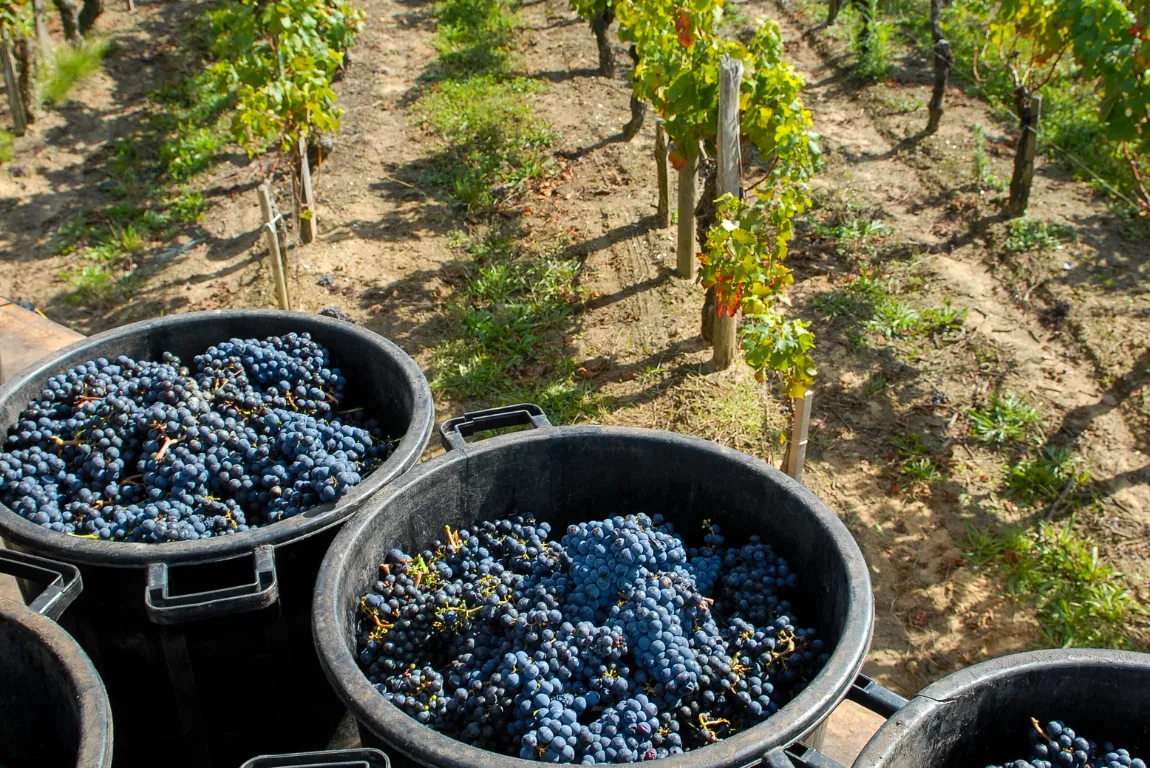
If you’re planning a Bordeaux visit in the next few years and want to engage with this sustainability story, here’s what to do:
- Ask questions at tastings. Many producers are happy to talk about how climate change affects their work and whether they’re testing new vines.
- Seek out innovative estates. Smaller, family-run wineries often adopt change faster. They may offer experimental cuvées or tours highlighting eco-friendly farming.
- Taste side by side. Some producers pour traditional blends alongside trial wines so you can compare. It’s an eye-opening experience for enthusiasts.
- Choose sustainable tours. Guided experiences like those from Bordeaux Wine Pilgrim often include forward-thinking estates alongside iconic châteaux, giving you a balanced view.
Your trip can become more than sightseeing; it can be an exploration of how Bordeaux adapts while staying world-class.
The Bigger Picture: Bordeaux’s Identity in the Next Decade
Bordeaux’s reputation has always rested on adaptability. From rebuilding after phylloxera to modernising winemaking in the 20th century, the region has evolved before. Now, with sustainability at the forefront, hybrids could be part of its next evolution.
Will Cabernet Sauvignon and Merlot disappear? Almost certainly not. Bordeaux’s heart will remain rooted in its classic varieties. But new resistant grapes might play supporting roles—perhaps in second wines, perhaps in blends designed for everyday drinking, perhaps even in future redefinitions of AOC rules.
For travellers, that means exciting diversity. You may taste a Pauillac that is as classic as ever, then a fresh, vibrant wine from a neighbouring estate using a resistant variety. You’ll see how the same terroir expresses itself through both tradition and innovation.
Why This Story Matters to Wine Enthusiasts
Many travellers come to Bordeaux dreaming of grand châteaux and famous vintages. Those experiences remain magical. But understanding how the region is adapting adds another layer to your journey. You’re not just tasting what Bordeaux was—you’re tasting what it’s becoming.
For collectors, it’s also valuable knowledge. Wines produced with sustainable practices or new grape material may gain market interest, especially if consumers reward environmentally conscious choices. For casual wine lovers, it’s simply inspiring to see a centuries-old tradition embracing the future responsibly.
Planning Your Bordeaux Wine Pilgrimage
If sustainability and innovation interest you, plan your Bordeaux trip accordingly. Mix visits to iconic estates with smaller, experimental ones. Spend time in Entre-deux-Mers or Graves, where eco-friendly viticulture is advancing quickly, and combine this with a day on the Left Bank to see how historic estates are responding.
Tours curated by Bordeaux Wine Pilgrim can help you experience this balance. You’ll visit grand cellars but also meet winemakers quietly leading the sustainability movement. You’ll taste wines shaped by tradition and those testing the future.
Final Thoughts: Bordeaux’s Green Evolution
Bordeaux is at a crossroads. It must protect its heritage while facing urgent environmental challenges. Hybrid vines—once dismissed—are now part of serious conversations about sustainability. They may not dominate tomorrow’s labels, but they could help Bordeaux stay vibrant and viable for the next century.
For travellers, this is an extraordinary moment to visit. You’ll walk through vineyards balancing centuries of history with bold innovation. You’ll taste wines that honour the past but look ahead. And with the help of Bordeaux Wine Pilgrim, you can experience this transformation up close, guided by people who know how to navigate both tradition and change.
Bordeaux has always been a region of resilience. Its embrace of sustainability and potential use of hybrid vines shows that its future will be as compelling as its past—and that every bottle you taste tells a story that’s still being written.
