Bordeaux First Growths Explained: What Truly Makes Them Exceptional?
The phrase Bordeaux First Growths carries weight far beyond marketing. It signals hierarchy, longevity, scarcity, and prestige. Yet for many wine lovers, the term is repeated more often than it is understood.
To grasp what makes First Growths exceptional, one must look beyond reputation and into structure — historical, geographical, and economic. The story begins not with taste, but with trade.
The famous 1855 Classification, commissioned for the Paris Exposition Universelle, ranked Médoc châteaux largely according to market price. At the top sat five estates, later known collectively as the First Growths. Their position reflected decades of consistent demand and perceived quality.
For wine travellers seeking to contextualise Bordeaux’s hierarchy properly, grounding understanding in real experience is essential. Beginning with a structured Right Bank reference through a Saint Emilion Wine Tour helps clarify how classification, terroir, and style intersect across the broader Bordeaux wine region.
The 1855 Classification: Price as Proxy for Quality
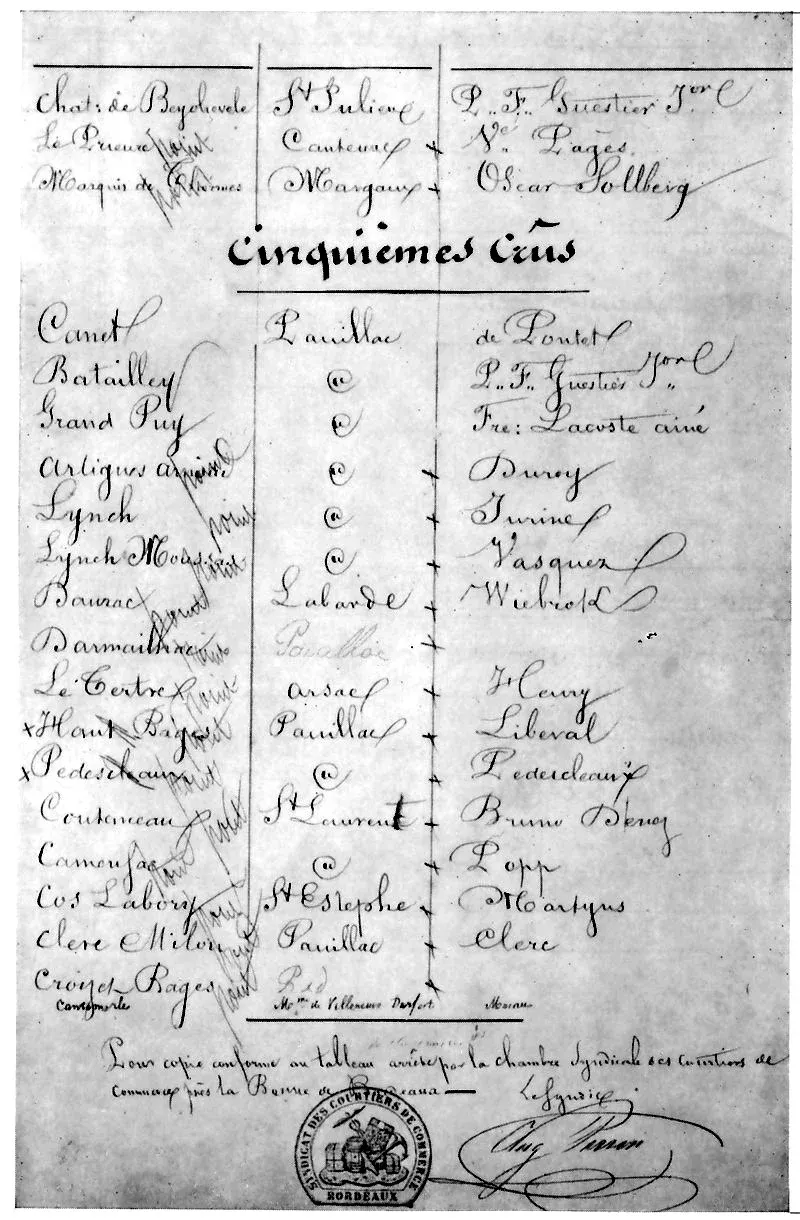
The 1855 Classification did not rely on blind tastings or technical panels. It relied on commercial reality. Brokers ranked estates according to long-term pricing trends — assuming that sustained market value reflected sustained quality.
This method embedded economics into Bordeaux’s identity.
The First Growths were not simply better in a single vintage. They were consistently more valuable. That consistency implied:
- Reliable terroir
- Predictable ageing capacity
- Stable reputation
Over time, this economic ranking solidified into cultural mythology.
The Five First Growths
The original four First Growths were all from the Médoc:
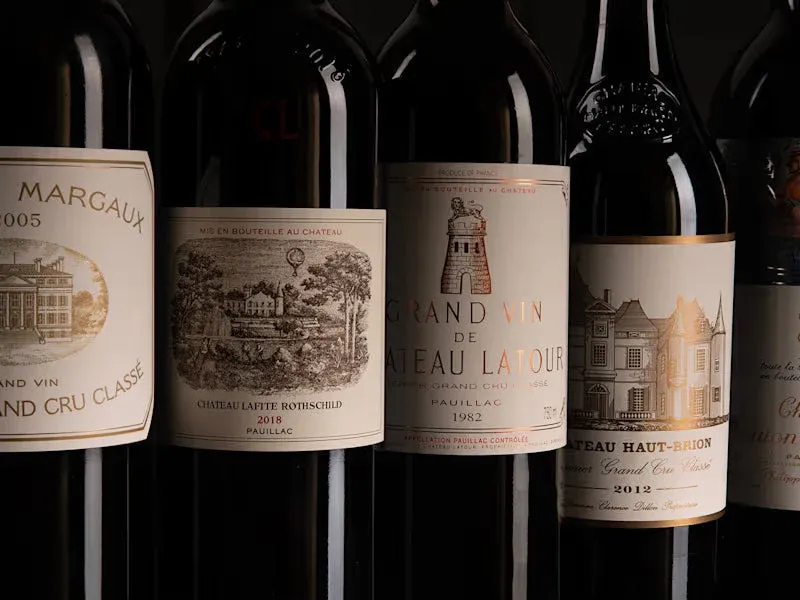
- Château Lafite
- Château Latour
- Château Margaux
- Château Haut-Brion
In 1973, Château Mouton Rothschild was officially elevated to First Growth status, completing the current five.
These estates share common structural traits:
- Exceptional gravel terroir
- Cabernet Sauvignon dominance
- Strong ageing framework
- Long export history
Yet their differences are equally instructive. First Growth status does not erase stylistic nuance. It recognises consistency at the highest level.
Terroir: The Real Foundation of First Growth Status
What unites the First Growths more than branding is terroir.
Deep gravel soils provide drainage and heat retention, encouraging Cabernet Sauvignon to ripen slowly and evenly. This produces:
- Structured tannins
- Layered aromatics
- Longevity in a bottle
These geological advantages were not created by classification. They preceded it. The 1855 ranking merely formalised what terroir had already established.
This is why First Growth wines tend to age with remarkable coherence. Their structure is not imposed; it is natural.
Structure and Ageing: The True Measure of Exceptionality
Young First Growth wines are often reserved. They reveal little immediately. Their tannins feel firm, their aromatics restrained.
With time, however, they unfold:
- Secondary complexity emerges
- Tannins integrate seamlessly
- Balance becomes evident
This ageing trajectory defines their exceptionality. It separates them from wines designed primarily for early consumption.
Understanding this helps wine lovers avoid misjudging First Growths in youth. Their greatness lies in patience.
Market Reinforcement and Scarcity
Over the decades, First Growth status reinforced itself. High demand drove prices higher. Higher prices reinforced exclusivity. Exclusivity strengthened perception.
This feedback loop explains why Bordeaux First Growths dominate global fine wine auctions and collector cellars. Understanding How Auction Houses Value Bordeaux Wines reveals how rarity, provenance, vintage reputation, and long-term market demand influence pricing and reinforce the prestige of these estates.
However, perception alone cannot sustain value indefinitely. It must be supported by continued quality and terroir integrity — something these estates have historically maintained.
Why First Growths Matter Beyond the Médoc
Although First Growth status originates in the Left Bank, its influence extends across Bordeaux.
It established:
- A hierarchy model
- A benchmark for ageing
- A global reputation for Bordeaux as a fine wine region
Even estates outside the Médoc are measured against this standard of consistency and longevity.
Misconceptions About First Growth Wines
Several misconceptions persist:
- First Growths are always the most powerful wines in a vintage.
- That price alone determines greatness.
- That younger vintages can be fully understood immediately.
In reality, First Growth wines are defined more by proportion and ageing harmony than by sheer intensity.
Their exceptionality is structural, not theatrical.
Stylistic Differences Between the First Growths
Although grouped together under the label of Bordeaux First Growths, the five estates do not produce identical wines. Their shared gravel foundations create structural similarities, yet their nuances are instructive.
Some are known for precision and restraint. Others for power and depth. Some lean toward aromatic lift; others toward architectural density.
What unites them is not flavour profile but structural integrity:
- Tannins that age seamlessly
- Acidity that sustains balance
- Aromatics that evolve gradually
In blind tastings across decades, First Growth wines often distinguish themselves not by immediate dominance but by proportion — an ability to maintain harmony as they mature.
Is the 1855 Classification Outdated?
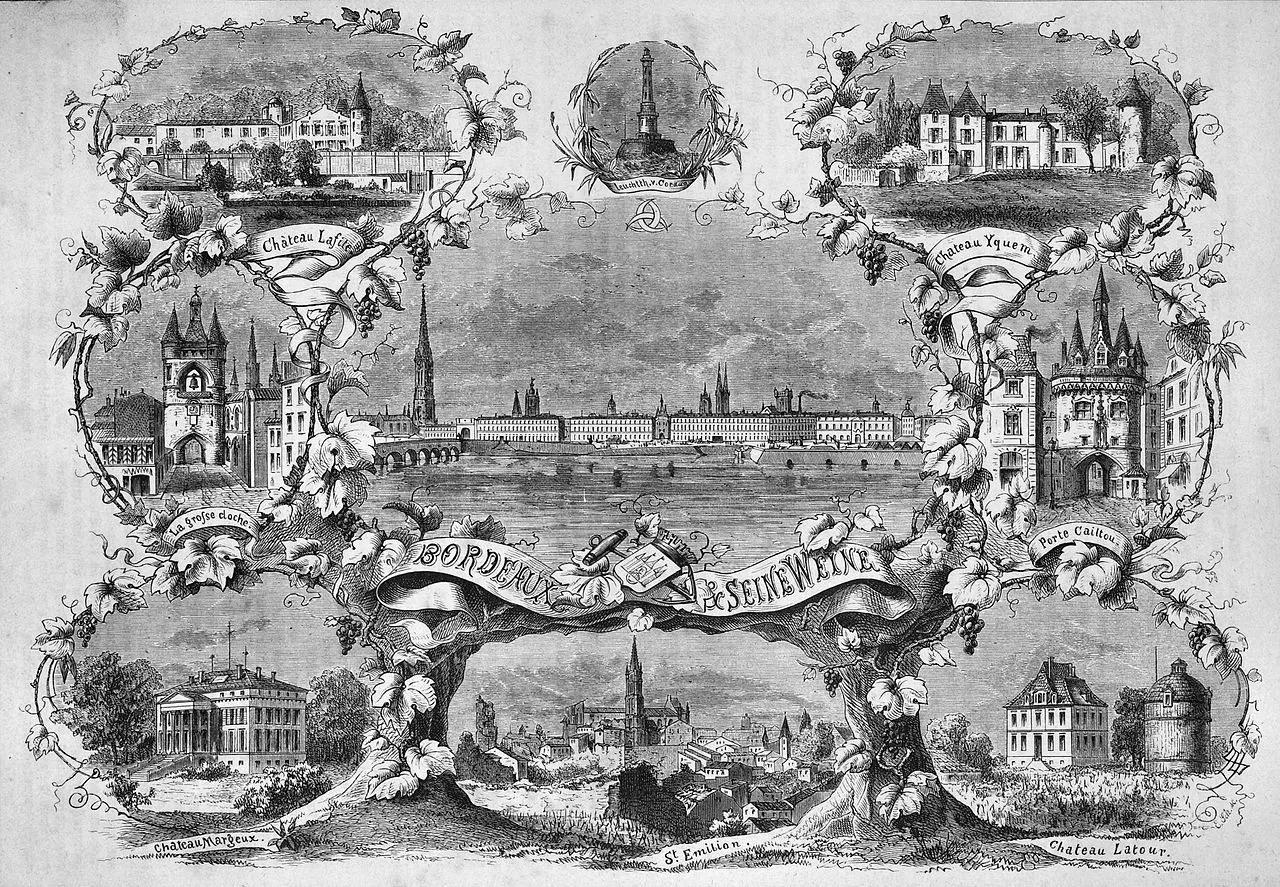
A frequent criticism is that the 1855 Classification is static in a dynamic world. Aside from the 1973 elevation of Château Mouton Rothschild, the hierarchy has remained largely unchanged.
Sceptics argue that quality has improved widely across Bordeaux, and that other estates now rival First Growth consistency. Supporters counter that the classification reflects something deeper than annual performance — it reflects long-term historical reliability.
Both arguments contain truth.
The classification may not perfectly reflect current market realities every year, but its durability reinforces Bordeaux’s identity as a region built on continuity rather than trend.
Economics: Why First Growths Command Exceptional Prices
The pricing of Bordeaux First Growths cannot be explained by production cost alone. It is shaped by a combination of:
- Limited supply
- Global demand
- Proven ageing history
- Brand stability across centuries
Auction houses frequently use First Growths as benchmarks for the broader fine wine market. Their vintages provide data points that influence secondary pricing across Bordeaux and beyond.
In this way, First Growth wines function not only as agricultural products but as financial instruments. They are traded, stored, and analysed with precision.
The Role of En Primeur in First Growth Prestige
The en primeur system reinforces First Growth positioning. By releasing wines while still in barrel, estates create anticipation and price momentum before bottling.
This system:
- Locks in early demand
- Signals confidence in vintage quality
- Reinforces global attention
For collectors, purchasing First Growth wines en primeur represents both commitment and belief in long-term performance.
The structure of Bordeaux’s release system, therefore, strengthens the classification’s legacy.
How Collectors Approach First Growth Buying
Serious collectors rarely buy First Growth wines casually. Decisions are often based on:
- Vintage reputation
- Critical consensus
- Long-term cellaring plans
- Portfolio diversification
Some vintages are acquired for early drinking, others for decades-long ageing. The consistency of First Growth terroir allows collectors to make these decisions with relative confidence.
This predictability reinforces their market position.
Why First Growths Influence the Entire Bordeaux Wine Region
Beyond prestige, First Growths influence vineyard practices, pricing strategies, and global perception throughout the Bordeaux wine region.
They serve as reference points:
- For ageing potential
- For blend proportions
- For structural balance
Even estates outside the Médoc operate within the framework established by 1855. The classification’s shadow extends across appellations.
Understanding First Growths, therefore, clarifies how Bordeaux’s hierarchy evolved and why it persists.
The Difference Between Prestige and Substance
A final distinction is crucial: prestige can be manufactured, but longevity cannot.
The enduring value of Bordeaux First Growths rests on:
- Terroir consistency
- Decades of proven bottle evolution
- Market confidence reinforced by performance
Without structural substance, prestige fades. First Growths have endured because their wines continue to justify patience.
A Closing Reflection
The Bordeaux First Growths are not exceptional simply because history declared them so. They are exceptional because their terroirs, structures, and ageing capacity have validated that declaration across generations.
Their greatness lies less in immediate power than in proportion — the ability to unfold gracefully over decades while maintaining balance. The 1855 Classification may be old, but its logic remains rooted in continuity and reliability.
For wine lovers seeking to understand Bordeaux’s hierarchy in context rather than mythology, grounding exploration in experience remains essential. Beginning with a structured Saint Emilion Wine Tour provides clarity on how classification, terroir, and regional identity intersect — making the concept of First Growths far more tangible within the broader Bordeaux landscape.
