Bordeaux Reimagined: A New Era for Wine Pilgrims
When most people think of Bordeaux, they picture grand châteaux, rows of perfectly trained vines, and age-worthy reds that slumber in the cellar for decades. And while this image is still true, it’s no longer the whole story. Bordeaux has been quietly reshaping itself, embracing sustainability, diversifying its styles, and creating wines that are ready to drink now as well as those destined for ageing.
For travellers who dream of a Bordeaux wine tour, this reimagined region offers something fresh. It’s no longer just about ticking off classified growths; it’s about discovering crisp Bordeaux whites, delicate rosés, sparkling Crémants, lighter reds, and sweet wines made with a new sense of balance.
At Bordeaux Wine Pilgrim, the goal has always been to uncover wines that speak of place and people. Bordeaux today is the perfect region for such discovery, offering both heritage and innovation in every glass.
Bordeaux Beyond Its Reputation
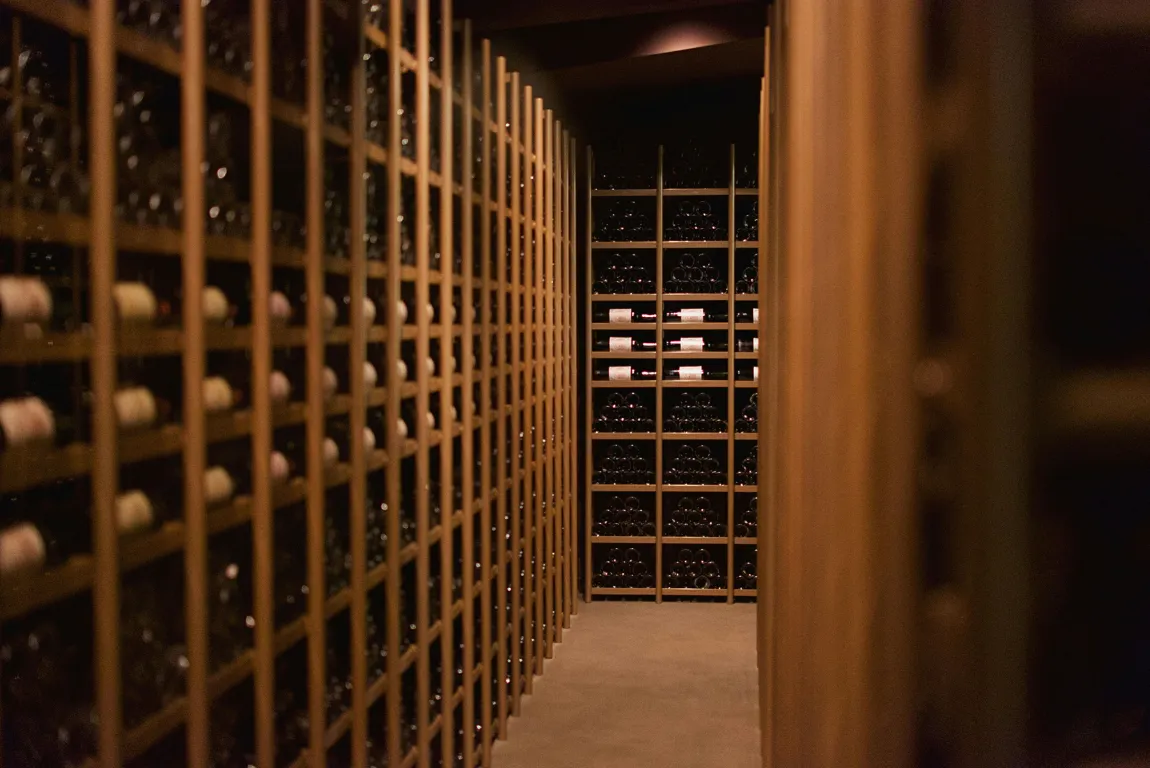
The Bordeaux wine region is vast, with more than 100 appellations, and historically its fame rested on the Left Bank and Right Bank reds. Names like Pauillac, Margaux, and Saint-Émilion dominate wine lists across the world. These wines remain legendary, but Bordeaux now embraces far more diversity than many visitors expect.
- Crisp, food-friendly white Bordeaux wines are growing in prominence.
- Rosé Bordeaux wines are moving from simple summer sippers to serious, gastronomic choices.
- Crémant de Bordeaux sparkling wines are surprising visitors with finesse and affordability.
- Sustainable vineyards in Bordeaux are setting new standards, making organic and biodynamic wines more widely available.
- Red Bordeaux is evolving—less oak, more fruit, and drinkable much earlier than in the past.
For wine lovers, this means a trip to Bordeaux is no longer just about powerful reds. It’s a complete tasting journey across colours, styles, and terroirs.
The Sustainability Revolution
One of the most important transformations in Bordeaux has been its embrace of sustainability. Today, a large majority of vineyards carry certifications such as organic, biodynamic, or high environmental value (HVE).
This isn’t just marketing—it reflects a deep shift in philosophy. Winemakers are planting cover crops, reducing chemicals, encouraging biodiversity, and adapting their practices to climate challenges. When you step into a vineyard now, you often see wildflowers between rows, bees and birds returning, and soils that are alive with microbial activity.
For visitors on a wine tasting in Bordeaux trip, this brings a different perspective. Many estates will share their sustainability journey during tours, explaining how they care for the land while producing wines with freshness and balance. These practices give wines greater clarity and a stronger sense of terroir.
Bordeaux Whites: Rising Stars
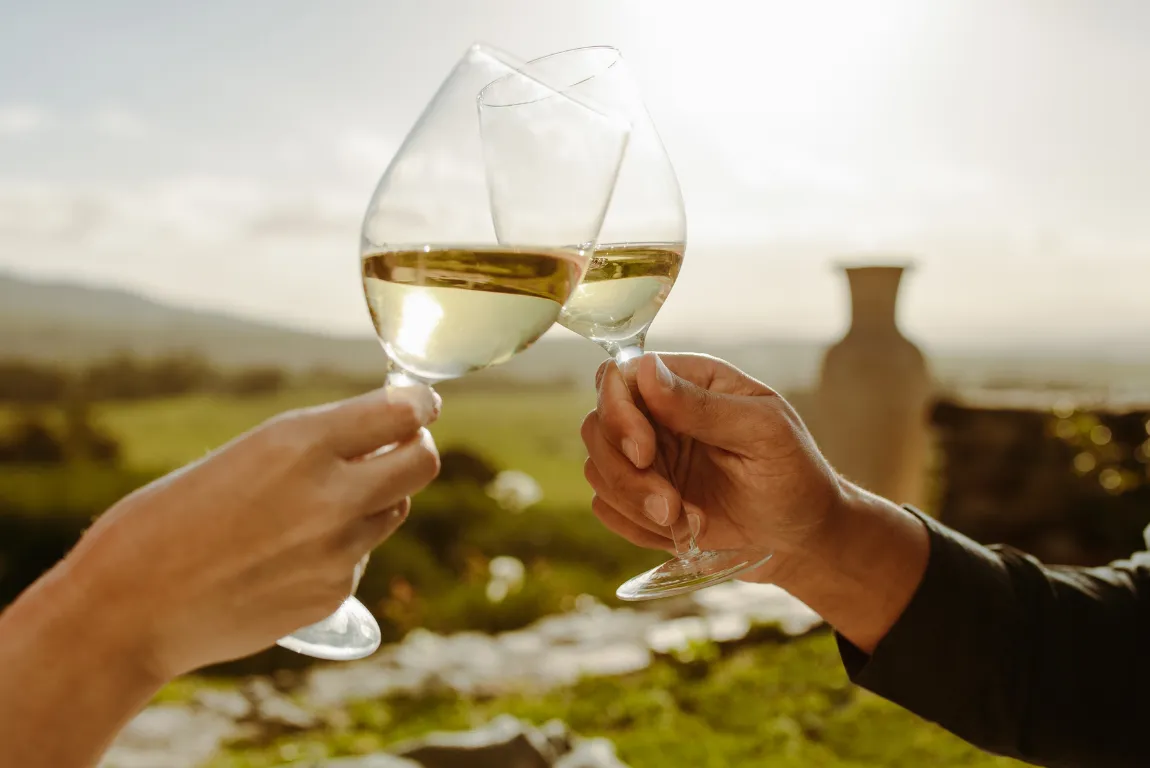
White Bordeaux, long overshadowed by reds, is gaining ground. Made primarily from Sauvignon Blanc, Sémillon, and Muscadelle, these wines range from zesty, citrus-driven blends to textured whites with oak influence.
- Entre-deux-Mers whites are crisp and aromatic, perfect for hot days and seafood pairings.
- Pessac-Léognan whites offer complexity, often barrel-aged, with layers of stone fruit, herbs, and creaminess.
- Smaller appellations are also producing expressive whites that reflect both modern tastes and the region’s diversity.
For anyone on a Bordeaux wine tour, tasting the whites is a revelation. They show a side of Bordeaux that is approachable, versatile, and refreshingly different from the image of powerful reds.
Bordeaux Rosé: A Fresh Identity
Bordeaux rosé wine has undergone a transformation. Once considered light and simple, rosé here is now produced with intent and care. Winemakers are crafting wines with real depth, using Merlot, Cabernet Franc, and Cabernet Sauvignon to create blends that balance red berry fruit with lively acidity.
These rosés are ideal with grilled fish, Mediterranean dishes, and even mildly spiced food. They are no longer just summer wines; they are part of Bordeaux’s serious offerings.
For wine pilgrims, sipping a glass of Bordeaux rosé on a terrace after a day in the vineyards is the perfect way to experience the region’s lighter side.
Crémant de Bordeaux: Sparkling Renaissance
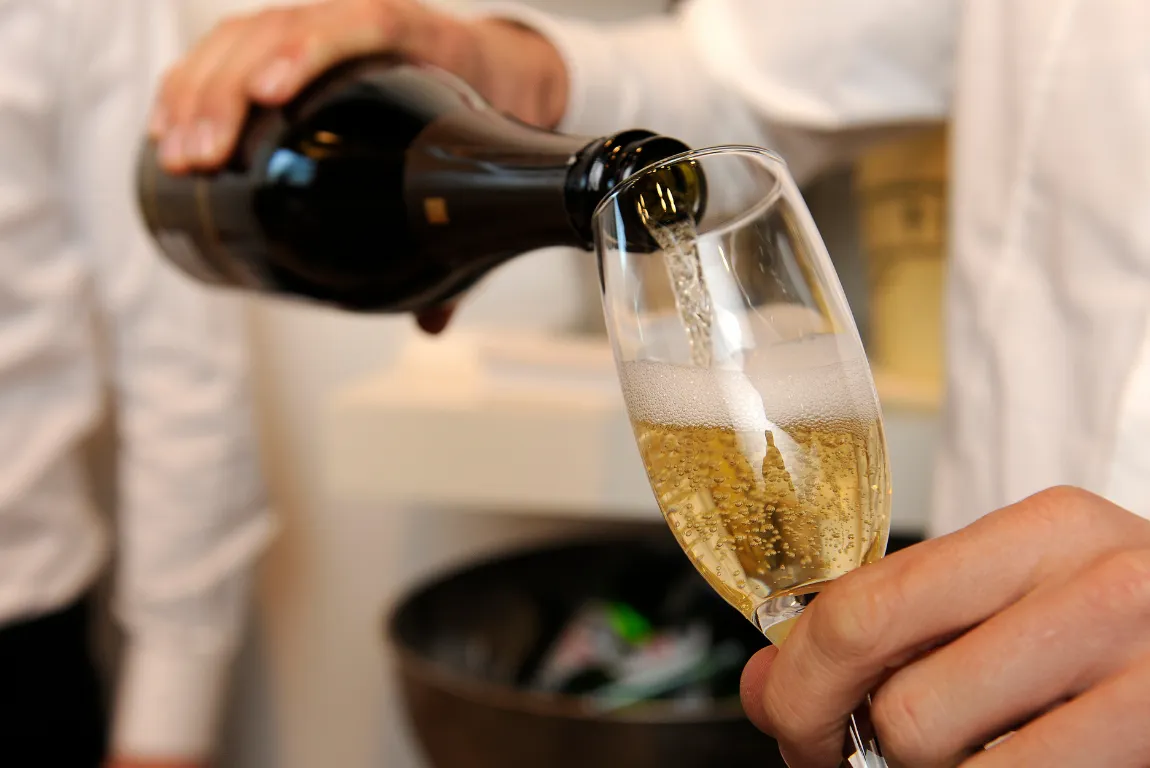
If you thought Bordeaux couldn’t surprise you, a glass of Crémant de Bordeaux will prove otherwise. This sparkling wine, made in the traditional method, is elegant, refreshing, and increasingly popular.
- Crémant Blanc delivers citrus, apple, and floral notes with lively bubbles.
- Crémant Rosé adds red fruit charm and pairs beautifully with appetisers or desserts.
These wines are affordable, versatile, and celebratory—ideal for a toast during your wine travels. For many pilgrims, discovering Crémant is a highlight of their journey.
Reds Reimagined
Red Bordeaux remains central, but how it’s made has shifted. Where once the focus was on extraction, heavy oak, and long ageing, many winemakers now craft reds that can be enjoyed young without losing their complexity.
- Bordeaux Supérieur and Côtes de Bordeaux wines are offering exceptional value, with ripe fruit and soft tannins.
- On the Left Bank, Médoc and Graves estates are increasingly balancing tradition with freshness, creating wines that are structured yet approachable.
- On the Right Bank, Merlot and Cabernet Franc blends are showing more vibrancy, less heaviness, and greater versatility with food.
For wine travellers, this means you can taste a young red in a château cellar and enjoy it immediately—a dramatic shift from Bordeaux’s historic reputation for patience.
Sweet Wines with a New Balance
Bordeaux’s sweet wines—from Sauternes, Barsac, Loupiac, and Cadillac—have always been icons. Golden, honeyed, complex, they’ve been treasured for centuries. But now, producers are focusing on freshness and balance.
Modern sweet Bordeaux wines show:
- Rich fruit flavours of apricot, peach, and pineapple.
- Honeyed depth but lifted by acidity.
- Versatility for pairing beyond dessert, from foie gras to blue cheese to spicy cuisines.
This makes them more appealing to modern wine lovers, who seek balance and food-friendliness.
Transparency and Storytelling
As Bordeaux modernises, it’s also becoming more transparent. Labels increasingly show whether wines are organic or biodynamic, which grape varieties are used, and what sustainability measures are in place.
For wine pilgrims, this adds depth to every tasting. You’re not just drinking wine—you’re connecting with the winemaker’s philosophy, their choices in the vineyard, and their respect for the land.
Wine Tourism in Bordeaux
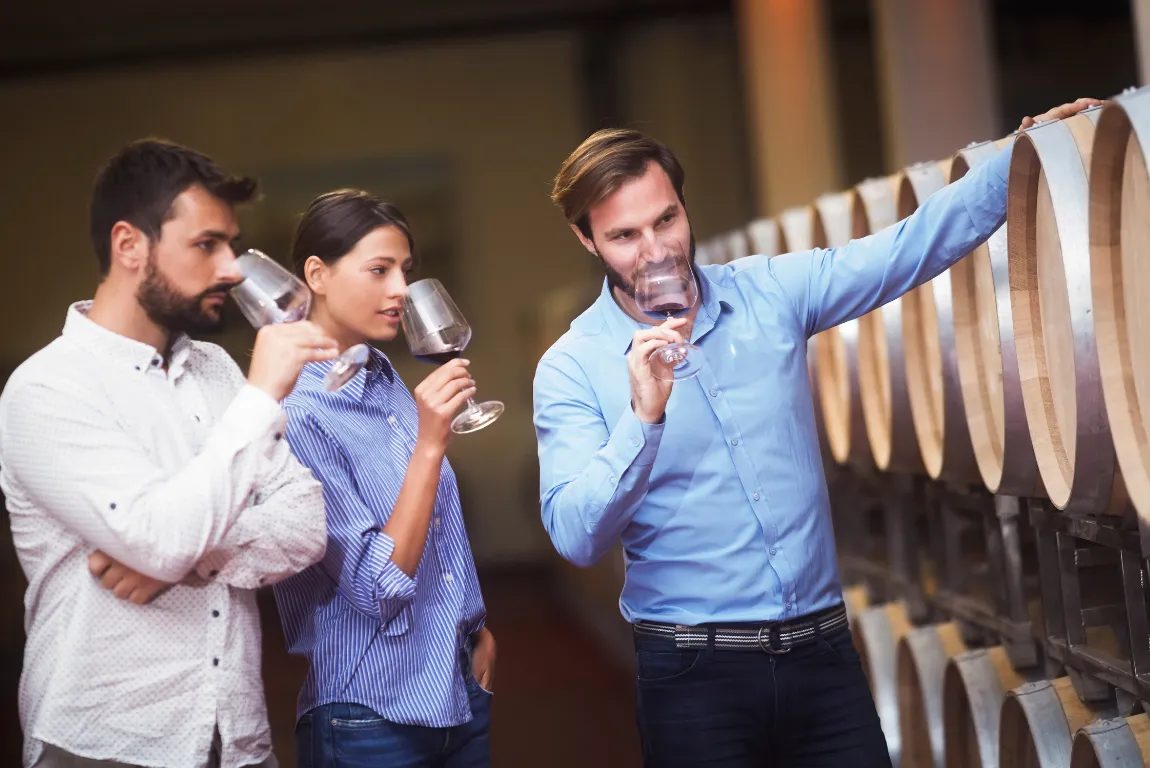
A wine pilgrimage in Bordeaux is about more than bottles. It’s about experiences that deepen your understanding and connection to the region:
- Estate Tours: Walk through vineyards, see how vines are managed, and step into historic châteaux's cellars.
- Wine Tastings: Compare modern whites and rosés with classic reds.
- Food Pairings: Enjoy meals where chefs match Bordeaux wines with local dishes, highlighting their versatility.
- Harvest Visits: Join in grape picking or cellar work to see the wine’s journey from vine to glass.
- Saint-Émilion wine tour: Combine medieval history with unforgettable tastings in one of Bordeaux’s most famous appellations.
These experiences turn Bordeaux from a name on a label into a living, breathing region.
Why Choose Bordeaux Wine Pilgrim
At Bordeaux Wine Pilgrim, the mission is to connect travellers with Bordeaux’s authentic wine culture. The team behind the legendary number one TripAdvisor e-bike and wine tour knows the region intimately. Their guides don’t just show you châteaux—they help you uncover wines and stories you might never find on your own.
Whether you’re on a Saint-Émilion wine tour, cycling through vineyards, or visiting sustainable estates, Bordeaux Wine Pilgrim offers experiences that go far deeper than a standard tasting.
Bordeaux’s Future: Tradition Meets Innovation
The Bordeaux wine region is evolving rapidly. Climate change is forcing adaptation, with new grape varieties under trial and vineyard practices shifting to protect yields and quality. Younger winemakers are bringing fresh perspectives, experimenting with amphorae, concrete eggs, and natural winemaking.
The demand for wines that are authentic, sustainable, and approachable is only increasing—and Bordeaux is rising to meet that demand.
For wine pilgrims, this means Bordeaux will remain exciting for decades to come. The classics are still here, but alongside them are wines that surprise, delight, and inspire.
Final Thoughts
Bordeaux is reimagined. It is no longer defined solely by prestige reds and classifications, but by a dynamic mix of sustainability, innovation, and diversity. For the wine pilgrim, it is a destination like no other:
- Crisp whites, vibrant rosés, sparkling Crémants, and balanced sweet wines.
- Reds that can be enjoyed now as well as aged.
- Vineyards embracing organic and biodynamic farming.
- Wine tourism that connects you directly to the land and people.
At Bordeaux Wine Pilgrim, this is what wine travel is all about—discovering wines that tell a story, meeting the people who make them, and tasting a Bordeaux that is as alive and evolving as the pilgrims who journey through it.
There has never been a better time to experience Bordeaux. The region is not only honouring its past—it is shaping its future, one glass at a time.
