Bordeaux White Wines: A Traveller’s Journey Through Freshness and Elegance
The Other Side of Bordeaux
When most people think of Bordeaux, they picture grand châteaux producing powerful reds—deep, structured, built to age for decades. It’s the reputation that has made Bordeaux famous around the world. But if you visit the region and only taste red, you’ll miss an entire dimension of its story. Bordeaux is also home to stunning white wines, wines that are vibrant, aromatic, textured, and deeply tied to the land.
For a tourist, discovering Bordeaux whites can feel like finding a hidden door in a familiar house. Suddenly, the region reveals another personality. Instead of cedar, tobacco, and dark fruits, you taste citrus, peach, honeysuckle, or even a creamy touch of vanilla. You see how Sauvignon Blanc dances with Sémillon, how the Atlantic breeze freshens vines, and how limestone soils give brightness to every sip.
Bordeaux whites are perfect travel companions. They refresh on a hot afternoon, they pair beautifully with seafood from the Atlantic coast, and they offer something different when you’ve spent days tasting rich reds. If you want to understand Bordeaux fully, the whites belong at the heart of your journey.
What Makes Bordeaux Whites Special
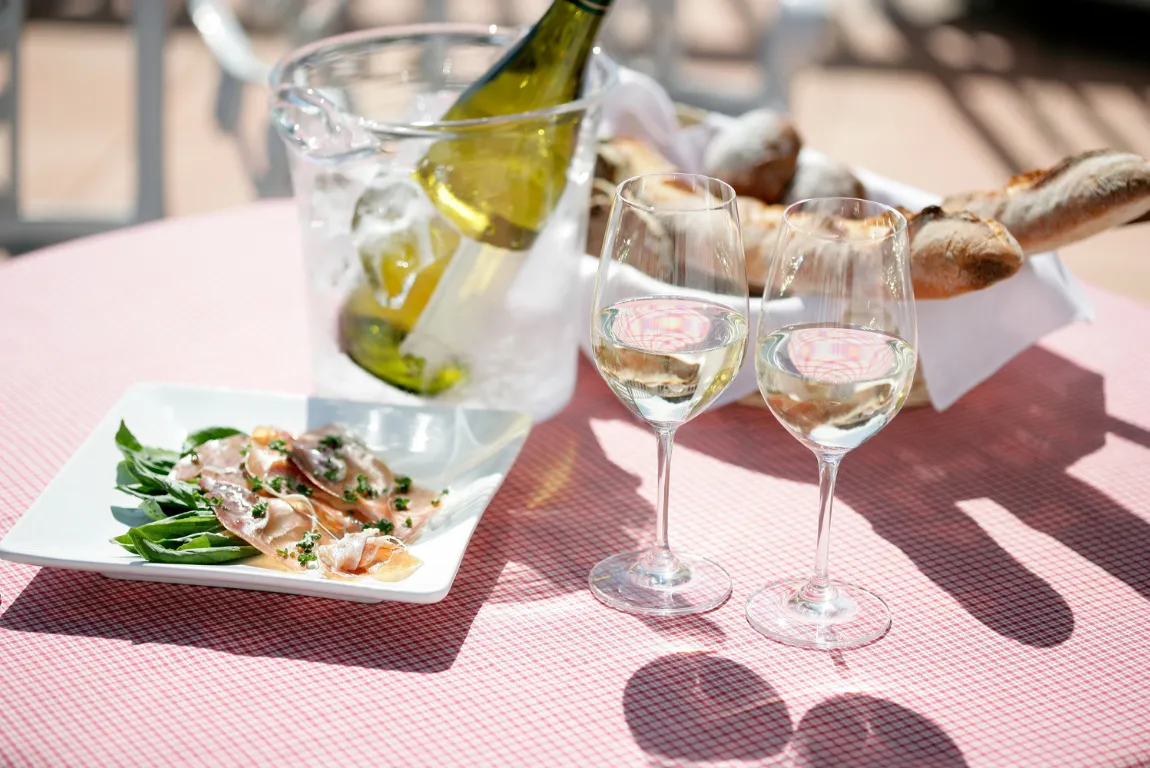
The secret lies in the blend. Three grapes dominate Bordeaux whites: Sauvignon Blanc, Sémillon, and Muscadelle. Each brings something unique.
Sauvignon Blanc gives the zest and brightness. Think grapefruit, lime, passionfruit, or even cut grass and fresh herbs. It’s the part of the wine that wakes you up, sharpens the appetite, and refreshes the palate.
Sémillon is the one that rounds the edges. It adds body, honeyed notes, and the ability to age. In young wines, Sémillon may taste of peach or pear; in older bottles, it becomes waxy, nutty, and deeply complex.
Muscadelle is the whisper in the background, never the main actor but always a pleasant surprise. It brings floral touches—jasmine, honeysuckle, blossom—that make the wines more delicate and aromatic.
The beauty of Bordeaux is how winemakers combine these grapes. Some whites lean almost entirely on Sauvignon Blanc, crisp and lively, perfect for seafood. Others lean toward Sémillon, rich and textured, sometimes with oak ageing that adds creaminess. The result is diversity: there isn’t just one “Bordeaux white wine,” but many.
The Main Styles You’ll Taste
Travelling through Bordeaux, you’ll notice different approaches to white wine.
The most common is dry white Bordeaux, crisp and refreshing, often Sauvignon-dominant. These wines are light, aromatic, and easy to drink young. They are the ones you’ll see poured as aperitifs, or with oysters on the quays of Arcachon Bay.
Then there are serious dry whites, usually from Pessac-Léognan or Graves. These wines are aged in oak, with a strong presence of Sémillon. They are richer, more layered, and capable of ageing for decades. A young one may taste of citrus and vanilla; an older one can taste of nuts, wax, honey, and spice. These are wines that rival great Burgundy whites for complexity.
Finally, there are rare off-dry or late-harvest whites, produced in small quantities by certain estates. These wines may show floral notes and a touch of sweetness, be more experimental in character, and often be a delightful surprise when you stumble across them on a tour.
Appellations to Explore
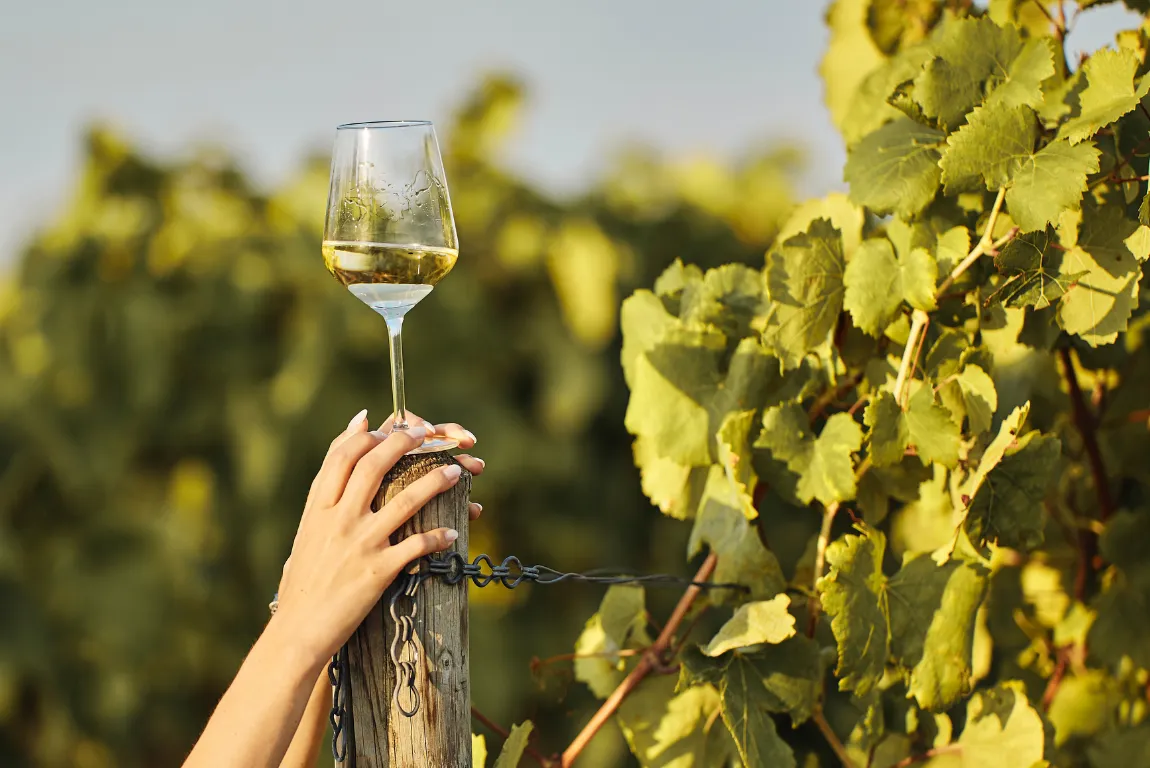
Entre-deux-Mers: The Everyday Whites
Entre-deux-Mers, literally “between two seas,” lies between the Garonne and Dordogne rivers. This is where much of Bordeaux’s dry white wine comes from. The style is crisp, fruity, and affordable. Sauvignon Blanc dominates, bringing citrus and freshness, often blended with Sémillon for a little roundness.
For tourists, Entre-deux-Mers is the place to discover the accessible side of Bordeaux whites. Châteaux here are often family-run, less formal, and happy to welcome visitors. You can cycle through rolling hills, stop at a vineyard, and enjoy a glass of chilled Sauvignon-Sémillon blend while chatting with the winemaker.
Graves: Mineral Elegance
South of Bordeaux city lies Graves, a region with gravelly soils that give both red and white wines their name. Graves whites are often more complex than those of Entre-deux-Mers, with minerality that adds depth. They show a balance of citrus fruit and subtle richness, sometimes with a smoky touch.
Travelling through Graves, you can taste whites that feel a little more serious, wines that pair beautifully with poultry, creamy sauces, or seafood stews. The appellation is less crowded than others, making it an excellent stop for tourists who want something authentic and less commercial.
Pessac-Léognan: The Jewel of White Bordeaux
For many wine lovers, Pessac-Léognan produces the greatest Bordeaux whites. These wines are rich, structured, and capable of ageing for decades. They are often barrel-aged, giving layers of complexity. Young, they may show citrus, peach, and vanilla; older, they can taste of honey, wax, and toasted nuts.
Tourists visiting Pessac-Léognan will find prestigious estates but also smaller producers. Tastings here often include both reds and whites, but don’t let the whites be an afterthought—they are some of the most memorable wines you’ll find in Bordeaux.
Tasting Notes: What You Might Experience
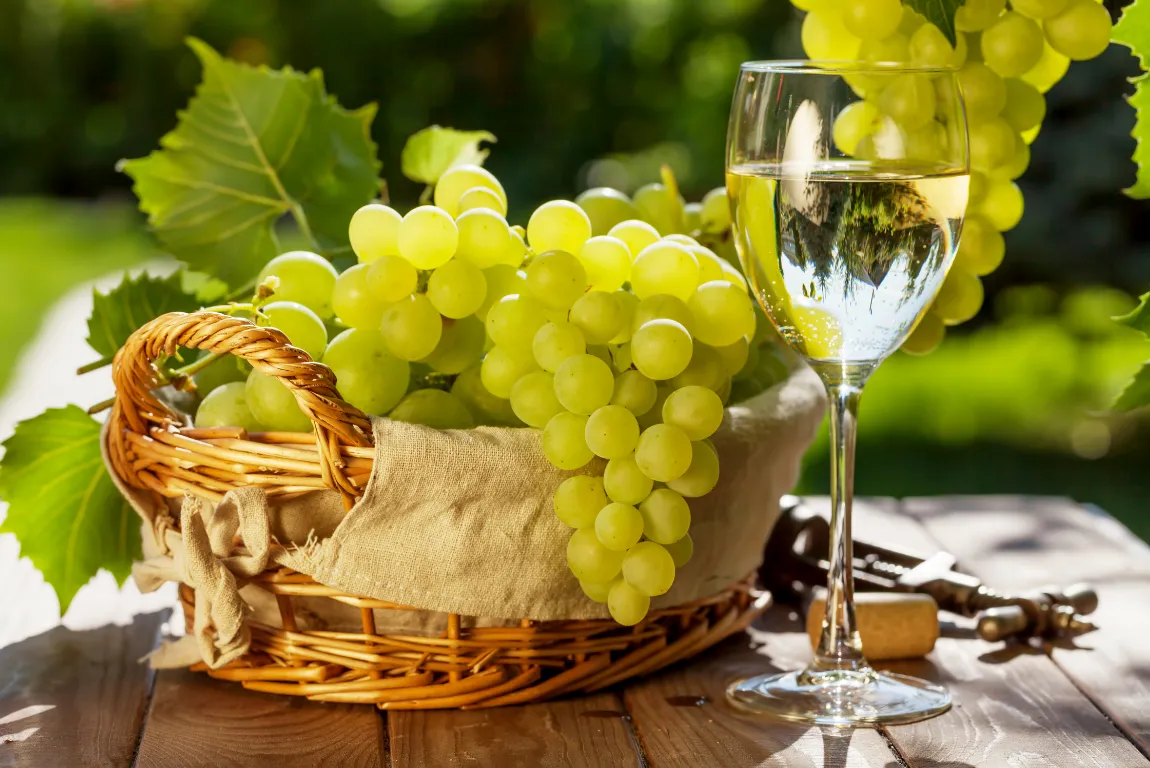
Imagine sitting in a tasting room with a flight of white Bordeaux in front of you. The first glass, pale straw in colour, smells of lemon, grapefruit, and fresh grass. On the palate, it’s sharp, clean, with a hint of green apple—clearly Sauvignon-driven, probably from Entre-deux-Mers.
The next glass is deeper in colour, with aromas of peach, vanilla, and a touch of almond. The taste is richer, rounder, with a creamy texture and long finish. This is likely a Pessac-Léognan, showing Sémillon and oak ageing.
A third glass surprises you with notes of honeysuckle and jasmine, delicate and floral. It’s lighter, charming, perhaps from a smaller producer experimenting with Muscadelle.
Together, they show the range Bordeaux whites can offer: from refreshing to profound, from simple pleasure to complex contemplation.
Bordeaux Whites and Food
Food and wine go hand in hand in Bordeaux, and white wines are some of the most versatile at the table.
With seafood, especially oysters from Arcachon Bay, nothing beats a crisp Sauvignon Blanc blend. The briny freshness of oysters is lifted by the citrus zing of the wine. With grilled fish, prawns, or mussels in garlic broth, whites from Entre-deux-Mers or Graves are perfect companions.
With poultry or veal in creamy sauces, richer whites from Pessac-Léognan shine. The texture and subtle oak complement butter, cream, and herbs beautifully. Mushroom risotto, roast chicken, or veal blanquette all pair wonderfully with these wines.
Cheese is another excellent partner. Goat cheese pairs with fresh whites, while aged cheeses like Comté or Gruyère pair with richer styles. Even Brie, when ripe, can be transformed by a glass of creamy Bordeaux white.
White Bordeaux for Travellers
For tourists, white Bordeaux offers practical advantages. They are often more affordable than the top reds, making them excellent souvenirs. They are also more approachable when young, meaning you can buy a bottle during your trip and drink it that evening without needing years of cellaring.
Châteaux producing white Bordeaux are often more relaxed and welcoming, particularly in Entre-deux-Mers. Visiting them gives a different perspective on the grandeur of the Médoc. Instead of high gates and long drives, you might find yourself in a farmhouse kitchen, chatting with the owner as you taste.
Guided tours help make sense of the diversity. Experiences like those offered by Bordeaux Wine Pilgrim bring tourists to both famous estates and hidden gems, ensuring that white wines are not overlooked. For many travellers, these tastings become some of the highlights of their trip.
How to Store and Serve White Bordeaux
If you buy bottles to take home, treat them well. White Bordeaux should be stored cool and dark, ideally around 10–12°C. They are sensitive to heat, so avoid leaving them in a hot car or direct sunlight.
For serving, lighter whites are best at 8–10°C, chilled but not icy. Richer whites benefit from being slightly warmer, around 12°C, which lets their aromas unfold. Use tulip-shaped glasses to capture aromatics.
While most whites are enjoyed young, don’t forget that the best can age. A Pessac-Léognan from a good vintage can develop beautifully over 10–20 years, rewarding patience with layers of flavour.
The Future of Bordeaux Whites
Bordeaux whites are evolving. Climate change, consumer tastes, and winemaker creativity are all shaping new styles. Many producers are harvesting earlier to preserve acidity, experimenting with oak to find balance, and moving toward organic or biodynamic farming.
Tourists visiting now will notice a spirit of experimentation. Some estates produce unoaked whites that focus on fruit purity. Others make small cuvées with extended lees ageing, adding texture and depth. For curious travellers, this means every tasting can bring surprises.
Why Tourists Should Explore Bordeaux Whites
Discovering Bordeaux whites during a trip is not just about wine—it’s about understanding the region’s diversity. It shows you that Bordeaux is not only about powerful reds but also about freshness, elegance, and innovation. It connects you with local food culture, especially seafood and poultry dishes. It also offers affordability and accessibility, making it easy to take bottles home.
For wine travellers, exploring white Bordeaux makes the journey richer. It adds contrast, balance, and depth. And often, it creates memories—whether it’s sipping Sauvignon Blanc with oysters by the sea, or tasting a 15-year-old Pessac-Léognan in a château cellar.
Conclusion: The Bright Side of Bordeaux
Bordeaux white wines are a reminder that this region is more diverse than many travellers realise. They are fresh, aromatic, versatile, and deeply rooted in terroir. From the citrus-driven blends of Entre-deux-Mers to the structured, age-worthy whites of Pessac-Léognan, they offer experiences that range from simple pleasure to profound discovery.
For tourists, tasting Bordeaux whites is a must. They balance the intensity of reds, connect perfectly with local cuisine, and reveal a side of Bordeaux that is often overlooked. Whether you enjoy a glass in a seaside café, on a château terrace, or back home as a memory of your journey, Bordeaux whites bring lightness, elegance, and joy.
Make them part of your wine pilgrimage, and you’ll discover a Bordeaux that is brighter, fresher, and every bit as compelling as its reds.
