Discover the Magic of Bordeaux Wines This Christmas
Bordeaux at Christmas: Where Wine Meets Celebration

Few places in the world capture the magic of Christmas quite like Bordeaux. Known globally for producing some of the finest wines on earth, Bordeaux is also a region steeped in tradition, architecture, and culinary culture—all elements that shine even more brightly during the festive season. As the streets of Bordeaux city are lit with decorations, markets bustle with winter treats, and châteaux welcome visitors with warm tasting rooms, the region becomes a perfect destination for wine travellers in December.
Christmas is about generosity, hospitality, and moments of pleasure. Bordeaux wines fit naturally into this picture. They offer not only flavours that elevate festive meals but also stories that enrich the occasion. To share a bottle from Bordeaux at Christmas is to share history, terroir, and craftsmanship. Whether you are hosting a grand feast, exchanging gifts, or enjoying a quiet evening by the fire, Bordeaux wines bring richness and authenticity to the holiday season.
Why Bordeaux Wines Suit the Festive Season
The strength of Bordeaux lies in its diversity. While many people think only of powerful reds, the region actually produces wines across the spectrum—structured Cabernet blends, velvety Merlot-based wines, refreshing whites, elegant rosés, and golden sweet wines. This diversity is precisely what makes Bordeaux so ideal for Christmas, because the season calls for variety. A holiday gathering often begins with nibbles and aperitifs, continues with a hearty main course, and finishes with desserts and cheese. At every stage, Bordeaux has a wine that fits perfectly.
Another reason Bordeaux wines work so well at Christmas is their sense of occasion. Opening a bottle from Pauillac, Margaux, Saint-Émilion, or Sauternes feels special. These wines carry prestige, and their presence on the table signals thoughtfulness and care. Even if the bottle comes from a modest estate, the name Bordeaux itself brings weight. Tourists who buy wines in the region and carry them home discover that offering Bordeaux at Christmas always sparks conversation.
The Left Bank: Power and Structure for Festive Meats
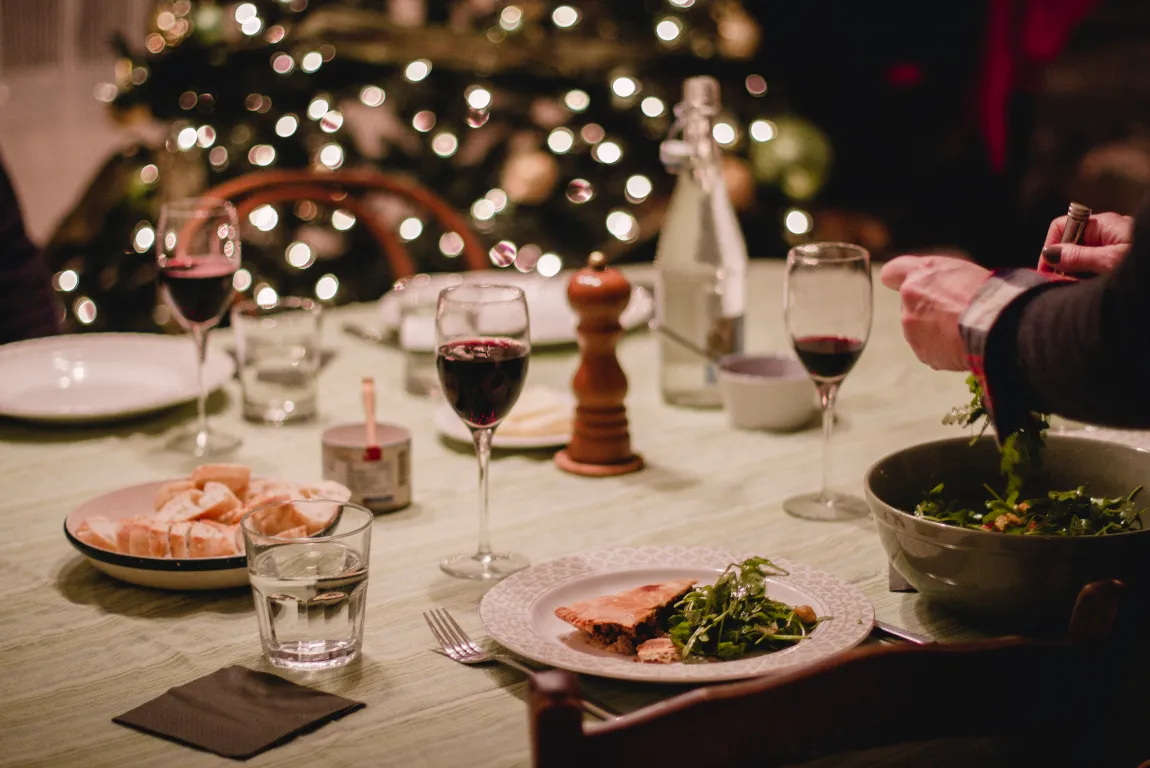
The Left Bank of Bordeaux stretches along the Médoc and into Pessac-Léognan. This is Cabernet Sauvignon country, where gravel soils give vines the drainage and warmth they need to produce wines of great structure and longevity. The famous communes of Pauillac, Saint-Julien, Saint-Estèphe, and Margaux have defined Bordeaux’s reputation for centuries, and their wines are considered among the finest in the world.
At Christmas, Left Bank wines are at their best with robust dishes. A rib of beef roasted with garlic and herbs finds its perfect partner in Pauillac, where dark fruit, tobacco and cedar notes mirror the depth of the meat. Lamb with rosemary or game birds with wild mushrooms pair beautifully with Saint-Julien or Margaux, whose elegance and aromatic complexity lift the flavours. Even venison with juniper sauce can find a companion in a powerful Saint-Estèphe.
Travellers who tour the Médoc in December discover that the grand châteaux, framed by bare vines and dramatic skies, look even more imposing. While summer visits often involve crowds, winter brings quieter experiences. Tasting a second wine from a First Growth estate or a cru bourgeois that shares the same terroir offers an affordable way to bring Left Bank character home for Christmas. These wines are structured yet refined, capable of ageing but often approachable with a few hours of decanting.
The Right Bank: Richness and Comfort for Holiday Feasts
Cross the Gironde and the tone changes. The Right Bank, particularly Saint-Émilion and Pomerol, produces wines dominated by Merlot and Cabernet Franc. Clay and limestone soils here create wines that are rounder, fruitier, and softer in tannins. They are often approachable earlier than their Left Bank counterparts and deliver a warmth that feels perfectly suited to the festive season.
For Christmas dinner, Right Bank wines offer flexibility. A juicy Saint-Émilion Grand Cru, with plum, cherry, and spice notes, matches roast turkey, stuffing, and cranberry sauce. Pomerol, with its velvety texture and occasional hints of truffle or chocolate, elevates dishes such as roast duck or goose. Even vegetarian mains such as mushroom Wellington or nut roasts pair beautifully with the richness of Merlot-driven blends.
Tourists visiting Saint-Émilion in December find the medieval village transformed into a winter postcard. Cobbled streets glow with festive lights, wine shops offer tastings of everything from everyday bottles to prestigious crus, and restaurants showcase pairings that highlight Merlot’s versatility. Joining a Saint-Émilion wine tour with Bordeaux Wine Pilgrim allows visitors to see both famous estates and family-run vineyards, giving a rounded view of what Right Bank wines can bring to a Christmas table.
White Bordeaux: Brightness for Starters and Seafood
Although red wines dominate the conversation, white Bordeaux deserves attention at Christmas. Made primarily from Sauvignon Blanc and Sémillon, often with Muscadelle as a supporting grape, white Bordeaux can be crisp and aromatic or full-bodied and textured, depending on the winemaking style.
During festive meals, white Bordeaux is refreshing as an aperitif, cleansing the palate before heavier dishes. With seafood starters such as oysters, smoked salmon or prawns, it shines. A Sauvignon-dominant white from Entre-deux-Mers offers zesty citrus and herbal notes that cut through rich sauces, while a barrel-aged Pessac-Léognan white, with its roundness and subtle vanilla, complements creamy soups or roast chicken with buttery potatoes.
Tourists exploring Bordeaux at Christmas often overlook whites, but tastings reveal just how food-friendly they are. Bringing a bottle of white Bordeaux home provides balance to a Christmas wine selection and ensures that not every glass poured is red.
Sweet Wines: Golden Indulgence for Desserts
No region produces dessert wines quite like Bordeaux. Sauternes and Barsac, made from grapes affected by noble rot, are rich yet balanced, offering notes of honey, apricot, candied citrus, and saffron. Their acidity keeps them lively, making them as refreshing as they are indulgent.
At Christmas, sweet Bordeaux wines are indispensable. They match fruitcake, mince pies, Christmas pudding, and desserts with dried fruit and spice. They are also wonderful with blue cheese, foie gras or even a simple almond tart. For travellers, they are among the easiest “luxury” wines to experience, as many restaurants offer Sauternes by the glass, and half bottles are common in wine shops.
Visiting Sauternes in winter brings its own charm. Mist settles over the vineyards, the very phenomenon that creates noble rot. Tasting sessions in local châteaux often pair sweet wines with festive treats, demonstrating their versatility beyond dessert. Even those who think they dislike sweet wines are often won over by the freshness and complexity of Sauternes at Christmastime.
Older Vintages and Special Bottles
One of the joys of Bordeaux is its capacity to age. A bottle that has matured for a decade or more offers flavours that go beyond fruit—leather, forest floor, truffle, and cigar box begin to appear. At Christmas, these wines bring depth and conversation. Opening an older vintage becomes part of the celebration, connecting the present moment with the history inside the bottle.
Travellers in Bordeaux during December often find wine shops and châteaux offering older vintages as special holiday releases. While these can be more expensive, they make meaningful gifts or unforgettable centrepieces for a Christmas dinner. The ritual of decanting, swirling and slowly enjoying each glass adds to the festive rhythm of the day.
Practical Advice for Travellers Buying Bordeaux for Christmas
For tourists planning to take Bordeaux wines home for Christmas, a few practical considerations make the experience smoother. Many châteaux reduce their hours in winter, so it is important to book visits in advance. Shops in Bordeaux city often prepare festive packaging, making gift buying simple. Half bottles and magnums are excellent for travellers, the former easy to transport and the latter perfect for sharing at large gatherings.
When choosing vintages, ask whether a wine is ready to drink or better for ageing. For immediate Christmas enjoyment, recent vintages such as 2015, 2016, or 2019 provide fruit and balance. For a more mature bottle, look for wines with a decade or more of age. Wine merchants and château staff are usually delighted to guide visitors toward the right choice.
Finally, consider storage and transport. Wines should be packed securely, away from extreme temperatures. Many merchants can arrange shipping if you purchase a larger quantity, saving the trouble of carrying bottles in luggage.
Bordeaux Wines as Christmas Gifts
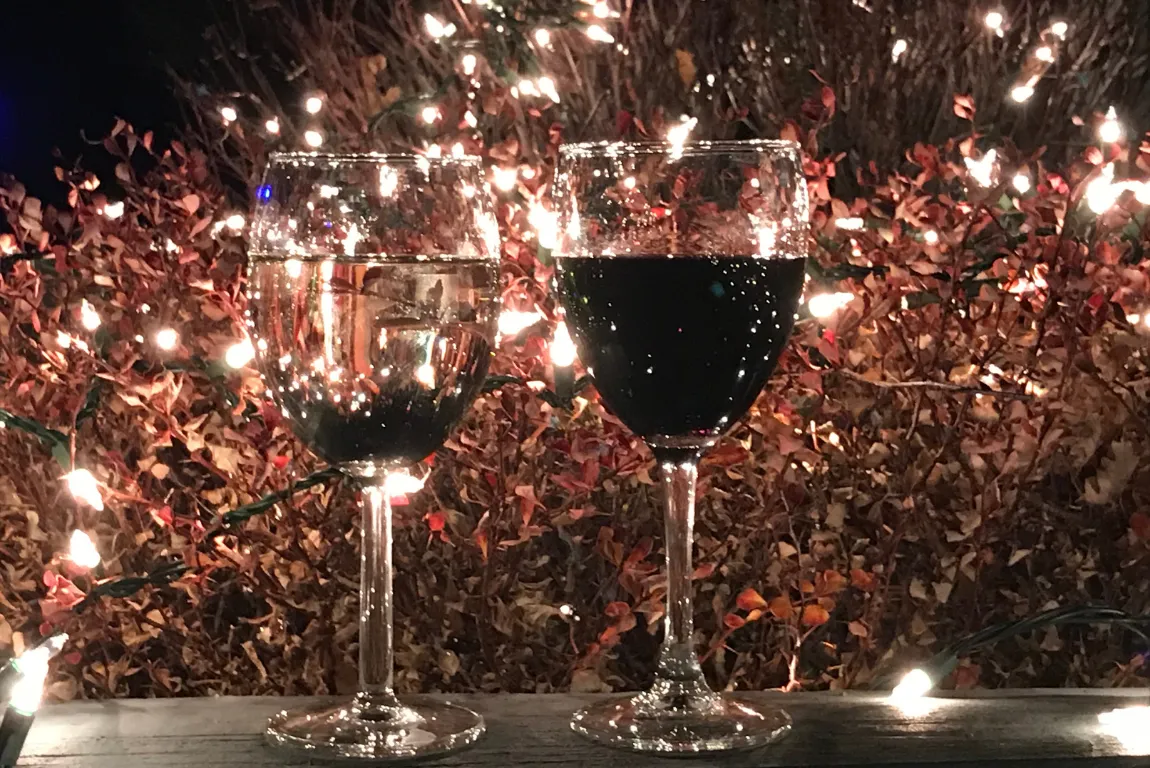
Wine is among the most universal gifts, and Bordeaux carries prestige that few other regions match. A bottle from a recognised appellation feels luxurious even before it is opened. For seasoned wine lovers, a Left Bank cru from Pauillac or Margaux may be perfect. For those who prefer softer styles, a Saint-Émilion Grand Cru offers fruit and charm. A half bottle of Sauternes, beautifully packaged, makes a thoughtful gift that suits festive evenings.
What makes Bordeaux particularly gift-worthy is its story. Each bottle reflects not only craftsmanship but also place. Including a note about the château where it was purchased, or about the village it came from, personalises the gift and turns it into a memory. Tourists often find that bottles bought during their travels become cherished keepsakes, reminders of both Christmas and Bordeaux.
Experiencing Bordeaux at Christmas
Beyond bottles, experiencing Bordeaux during the festive season adds meaning to every sip. The city of Bordeaux comes alive with lights, markets, and bustling wine bars. Saint-Émilion glows in medieval splendour, its cobbled streets echoing with carols. Vineyards, bare but beautiful, tell their own winter story.
Visiting châteaux in December means fewer crowds and more personal attention. Tastings by the fire, cellar tours, and conversations with winemakers feel intimate and memorable. Guided experiences such as those offered by Bordeaux Wine Pilgrim allow tourists to make the most of this season, combining history, terroir, and taste into a single journey.
Final Thoughts: Bordeaux Wines to Enrich Christmas
Christmas is about warmth, togetherness, and celebration, and Bordeaux wines embody all three. The region’s diversity ensures that every stage of the festive meal can be matched with a perfect wine, from crisp whites to structured reds to golden sweet wines. For tourists, Bordeaux offers not just bottles but experiences—visits to châteaux, tastings in medieval villages, and the joy of carrying wines home as gifts.
Choosing Bordeaux for Christmas is choosing tradition, elegance, and generosity. Whether you open a bottle of Pauillac with roast beef, enjoy Saint-Émilion alongside turkey, sip a Pessac-Léognan white with seafood, or finish with Sauternes and Christmas pudding, Bordeaux ensures that your holiday table is memorable. For those who travel to the region in December, the journey itself becomes part of the celebration, a pilgrimage of taste and discovery that lingers long after the decorations are taken down.
