Château Lafleur Steps Beyond Tradition – A Bold Move in Pomerol
Few estates in Bordeaux command as much reverence as Château Lafleur. Known for producing some of the most profound Right Bank Bordeaux wines, Lafleur has long been an emblem of Pomerol’s prestige and a benchmark for collectors around the world. Now, in a landmark decision, the Guinaudeau family has announced that beginning with the 2025 vintage, Château Lafleur and its associated wines will leave the Bordeaux wine appellations of Pomerol and Bordeaux entirely, to be labelled instead as Vin de France. This bold step challenges tradition, sparks debate, and adds a new chapter to the story of Bordeaux.
History of Château Lafleur
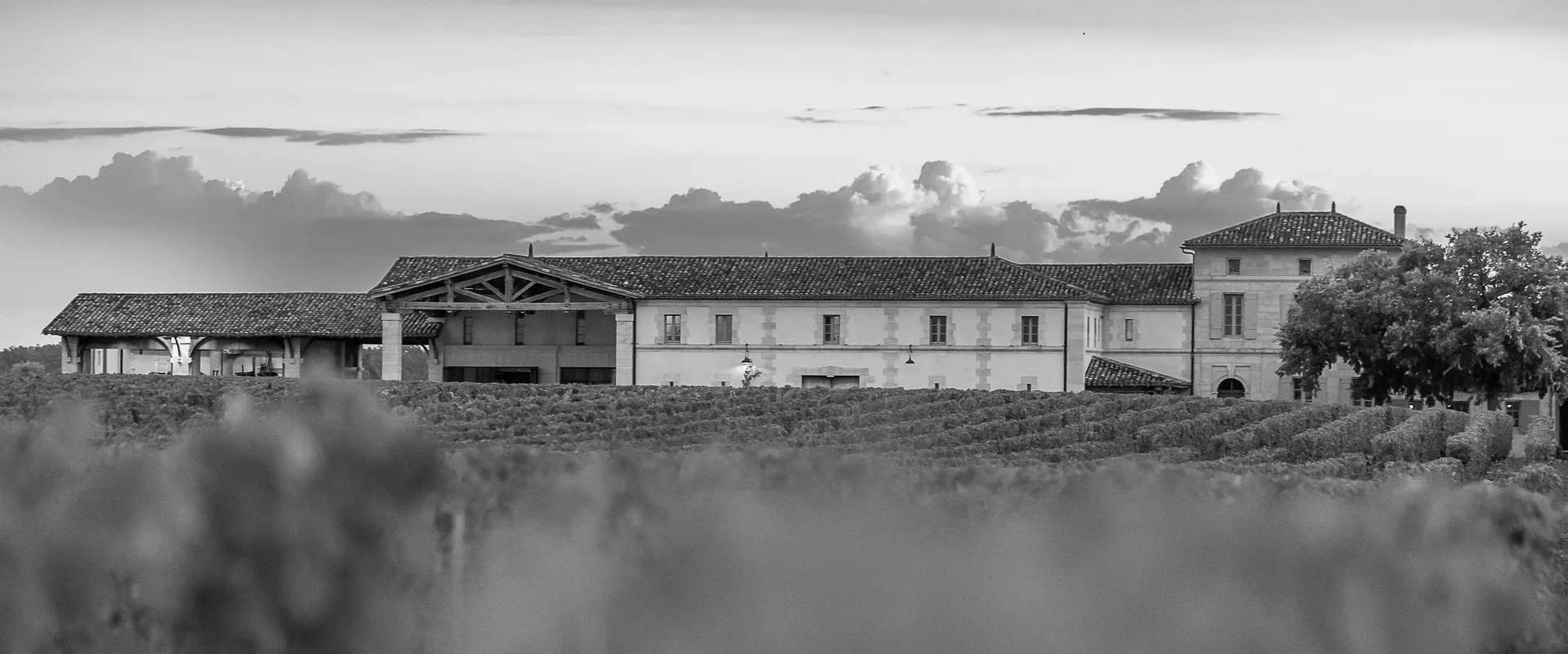
The history of Château Lafleur Bordeaux is one steeped in family, terroir, and an unbroken dedication to quality. Founded in the 19th century, the estate sits on a modest 4.5 hectares in the heart of Pomerol. Despite its small size, it has achieved global recognition, often spoken of in the same breath as its famous neighbour, Pétrus.
The estate’s modern history has been shaped by the Guinaudeau family, who took over in the mid-1980s. Jacques and Sylvie Guinaudeau, together with their son Baptiste, have nurtured Lafleur’s vineyards with a philosophy that combines respect for tradition with scientific precision. Their approach is uncompromising, focusing on meticulous vineyard management, low yields, and minimal intervention winemaking.
For wine lovers, Lafleur’s identity is defined not only by its scarcity but also by its style. It produces wines of profound complexity, structured for long ageing, and often described as intellectual wines—requiring time, patience, and contemplation to be fully appreciated. In this sense, Lafleur represents the very essence of Bordeaux Grand Cru Classé wines, even if Pomerol itself is not classified under the famous 1855 system.
The Terroir – A Jewel of Pomerol
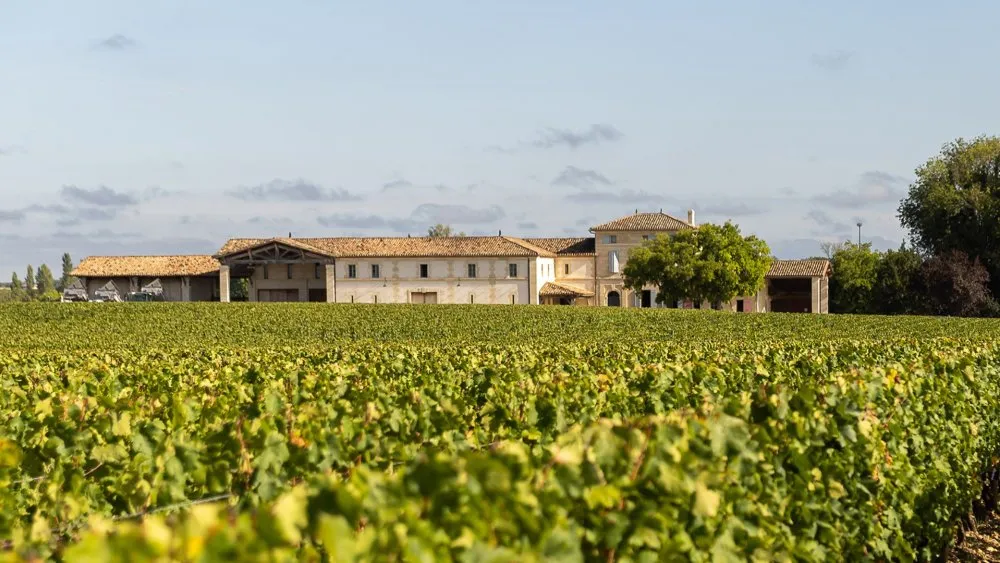
Château Lafleur’s terroir is what makes it extraordinary. Unlike many estates with large holdings, Lafleur’s vineyard is compact and precise, sitting on the famed gravel and clay soils of the Pomerol plateau. This terroir allows for an exceptional expression of both Merlot and Cabernet Franc.
The vineyard is planted almost equally with Merlot and Cabernet Franc—an unusual balance that sets Lafleur apart from other Pomerol vineyards, which often rely more heavily on Merlot. The Merlot brings richness, texture, and roundness, while the Cabernet Franc contributes perfume, freshness, and structure. Together, they create a wine of harmony and tension, capable of ageing for decades and revealing new layers with time.
This blend has given rise to some of the most legendary vintages in Bordeaux history. Lafleur’s wines are often intense yet refined, intellectual yet sensual—a paradox that reflects the uniqueness of its terroir.
The Decision to Leave the Appellations
In August 2024, the Guinaudeau family announced their decision to withdraw Château Lafleur and its other wines from the Bordeaux and Pomerol appellations. Starting with the 2025 harvest, the wines will be released under the broader category of Vin de France. This decision was driven by necessity: the family believes that climate change, along with increasingly rigid appellation rules, has made it difficult to maintain the authenticity and consistency of their wines.
In their official statement, they explained: “We change to remain the same.” This phrase encapsulates their philosophy—choosing freedom from restrictive regulations in order to preserve the identity of Lafleur.
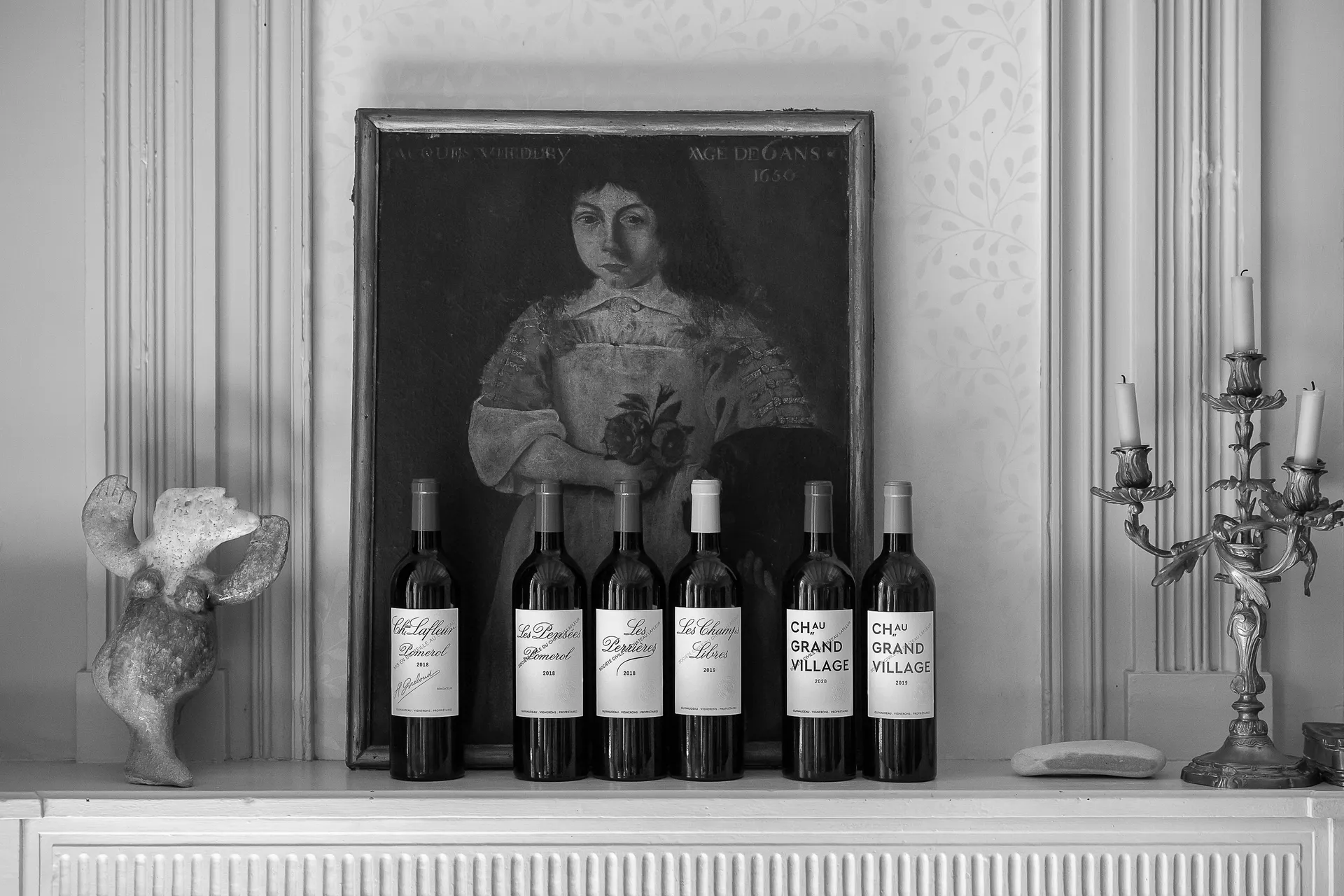
The wines affected by this move include:
Château Lafleur – the flagship wine from the estate’s historic 4.5-hectare vineyard.
Les Pensées – a smaller cuvée from within the main vineyard.
Les Perrières – a separate project highlighting limestone terroir.
Les Champs Libres – the family’s white wine, celebrated for its elegance and minerality.
Grand Village Rouge and Blanc – produced from the family’s vines outside Pomerol.
For the first time, these wines will be released without the Pomerol or Bordeaux labels, instead carrying the designation Vin de France. It is an unprecedented move for an estate of Lafleur’s standing.
Why This Matters
For many, the decision represents a turning point in Bordeaux. While smaller estates in other parts of France have embraced Vin de France as a way to experiment, no estate of Lafleur’s stature in Pomerol has ever taken such a step. This raises questions about the future of the Saint-Émilion wine classification, the relevance of the AOC system, and the ability of Bordeaux to adapt to climate change.
It also highlights the challenges faced by growers in adapting to warmer vintages. Years like 2015, 2019, and especially 2022 have demonstrated how unpredictable weather can alter harvests. By stepping outside the system, Lafleur gains flexibility—freedom to respond to climatic conditions while continuing to produce wines that reflect their vision.
For visitors and wine enthusiasts, this makes Lafleur even more fascinating. A trip to the estate offers not just a taste of Pomerol but a glimpse into the future of Bordeaux winemaking.
Visiting Château Lafleur – Tours and Tastings
While Château Lafleur is not generally open to the public in the same way as some Saint-Émilion Grand Cru estates, the story of Lafleur enriches the experience of any Bordeaux wine tourism itinerary. Pomerol is a compact appellation, and visitors exploring its vineyards often include Lafleur on their route, even if access is by appointment only.
Nearby Saint-Émilion, with its UNESCO World Heritage village and cobbled streets, provides the perfect base for exploring Pomerol and its surroundings. Many wine travellers choose to combine visits to estates in both appellations, experiencing the contrast between Pomerol’s small, family-owned vineyards and the larger classified growths of Saint-Émilion.
For the most immersive experience, consider joining a Saint Emilion wine tour with Bordeaux Wine Pilgrim. These tours often highlight the diversity of terroir and winemaking philosophies in the Right Bank, helping visitors understand why decisions like Lafleur’s are reshaping the landscape.
Tasting Notes – What Makes Lafleur Unique
Château Lafleur tasting notes consistently highlight the interplay between Merlot and Cabernet Franc. Young vintages often show dark fruit—blackberry, plum, and cherry—layered with floral notes of violet and hints of graphite and spice. The structure is firm yet elegant, with tannins that promise decades of ageing.
As Lafleur matures, it develops extraordinary complexity. Truffle, cedar, tobacco, and earthy undertones emerge, alongside mineral freshness from the terroir. Older vintages are prized for their depth and subtlety, often described as wines that invite meditation.
Some standout vintages include:
1982 – Rich, layered, and considered one of the greatest Lafleurs of the modern era.
2000 – A beautifully balanced vintage, combining power and finesse.
2005 – Dense and structured, with superb ageing potential.
2009 – Opulent and aromatic, with plush fruit and fine tannins.
2010 – A monumental wine, showing depth, balance, and longevity.
2015 – Fresh and expressive, a reflection of the modern Lafleur style.
2019 and 2020 – Recent vintages that balance ripeness with energy, demonstrating the estate’s ability to adapt to changing conditions.
Beyond the Label – The Philosophy of Lafleur
The Guinaudeau family’s decision is about more than labels. It is about preserving identity. By choosing Vin de France, they reject the idea that terroir can be defined solely by administrative boundaries. Instead, they emphasise stewardship of the land, respect for vine genetics, and freedom to adapt.
This philosophy is deeply human. It speaks to the challenges faced by winegrowers everywhere in a changing climate, and to the responsibility they feel to pass their vineyards on to future generations. For Lafleur, leaving the appellations is not an abandonment of tradition—it is a commitment to it.
Food Pairings with Château Lafleur
Lafleur’s wines, with their blend of richness and freshness, pair beautifully with a wide range of dishes. The Merlot component lends itself to classic pairings such as duck breast, roast lamb, or entrecôte à la Bordelaise, while the Cabernet Franc adds lift that makes the wines ideal with dishes like roast pigeon, mushroom risotto, or veal tenderloin.
Mature vintages, with their earthy and truffle notes, are exceptional with game, braised short ribs, or even a simple roast chicken served with wild mushrooms. Cheese pairings include aged Comté, Saint-Nectaire, or Brie with truffle.
For travellers exploring Bordeaux gastronomy, enjoying Lafleur alongside regional dishes provides a sensory link between the vineyard and the table.
The Future of Bordeaux Wine Classifications
Château Lafleur’s move raises questions about the future of Bordeaux’s appellations. Will other estates follow suit? Could this herald a broader shift in how Bordeaux Grand Cru Classé wines are defined and marketed? Or will Lafleur remain a singular voice, respected but not imitated?
For wine lovers, the outcome is less important than the experience. The essence of Bordeaux has always been about diversity—of terroir, of style, of philosophy. Lafleur’s choice adds to that diversity, reminding us that great wine is about more than rules; it is about authenticity.
Conclusion
Château Lafleur’s decision to step outside the Bordeaux and Pomerol appellations is bold, controversial, and deeply symbolic. It challenges assumptions about tradition, quality, and identity, while reinforcing the estate’s commitment to its vineyards and wines. For travellers, collectors, and enthusiasts, it offers a new way to engage with Bordeaux—not as a fixed system, but as a living, evolving landscape.
Whether you are planning to explore Bordeaux wine tours and tastings, seeking to understand the impact of climate change on viticulture, or simply curious about the history of Château Lafleur Bordeaux, this estate’s journey is a story worth following. And for those visiting Saint-Émilion and Pomerol, there has never been a more fascinating time to discover how tradition and innovation come together in the glass.
