Château Latour 2012: What the Quiet Re-Release Means for Bordeaux Wine Lovers and Travellers
A New Chapter for an Iconic Pauillac Estate
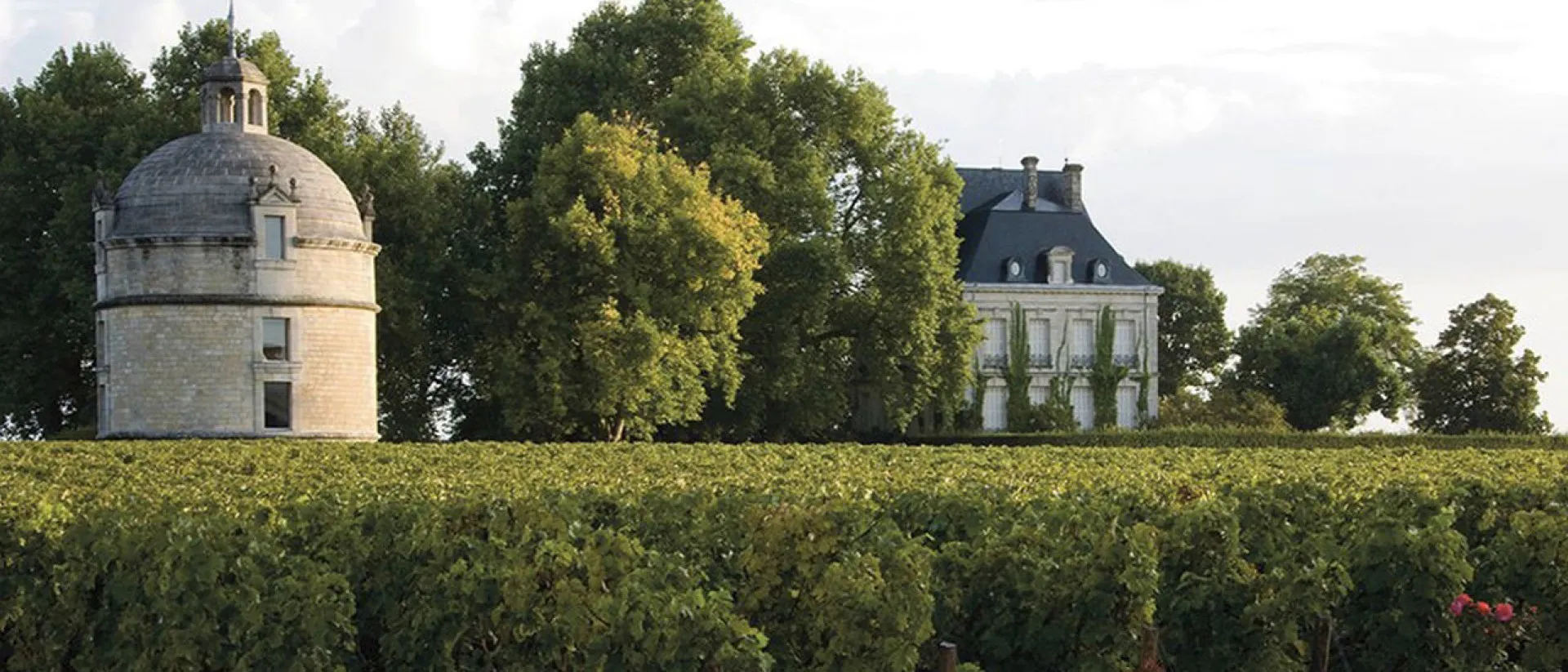
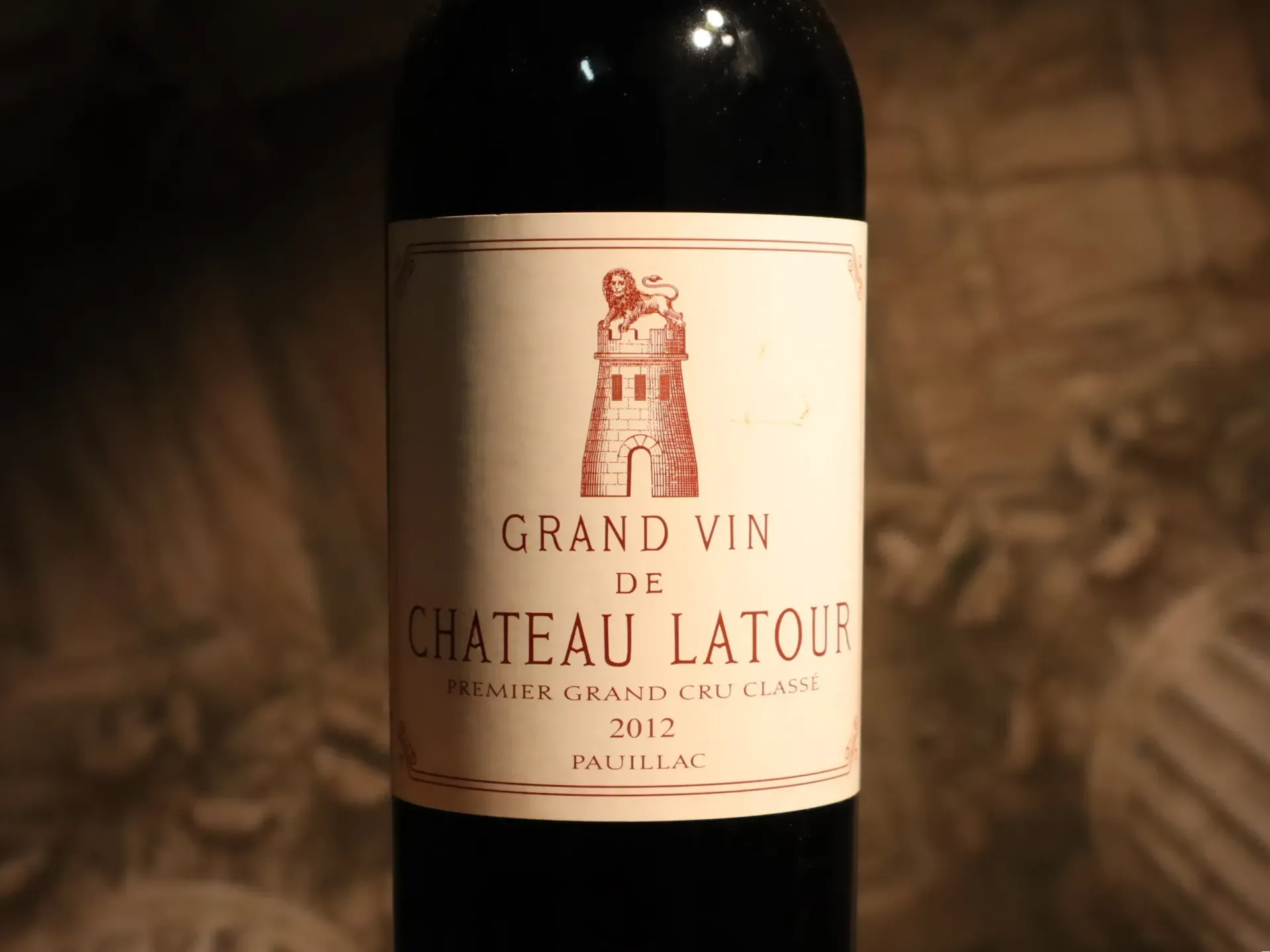
Château Latour, one of Bordeaux’s most legendary Premier Grand Cru Classé estates, has quietly brought its 2012 vintage back to the market. Unlike most of Bordeaux, which relies heavily on the long-established en primeur system (selling wine as futures years before it’s bottled), Latour stepped away from this approach more than a decade ago. Instead, the estate decided to release its wines only when it believed they were mature enough to drink and ready to show their true character.
This winter, the 2012 Château Latour Grand Vin returned—not with the fanfare that often accompanies new vintages, but with a calm confidence that reflects the estate’s unique strategy. For wine travellers and collectors, this re-release offers more than just another chance to own an iconic Pauillac wine. It’s an opportunity to understand how Bordeaux’s top estates are reshaping tradition, and why timing matters when you invest in or taste these world-famous bottles.
Why Château Latour’s Release Strategy Matters
Latour changed the game in 2012 when it left the en primeur market. Traditionally, Bordeaux wines are sold while still ageing in barrel, allowing collectors to buy early, often at advantageous prices, but with the risk of waiting years to drink. Latour decided to go a different route: keep control of its stock, mature the wine in its own cellars under perfect conditions, and release when the château believes the wine is truly entering its drinking window.
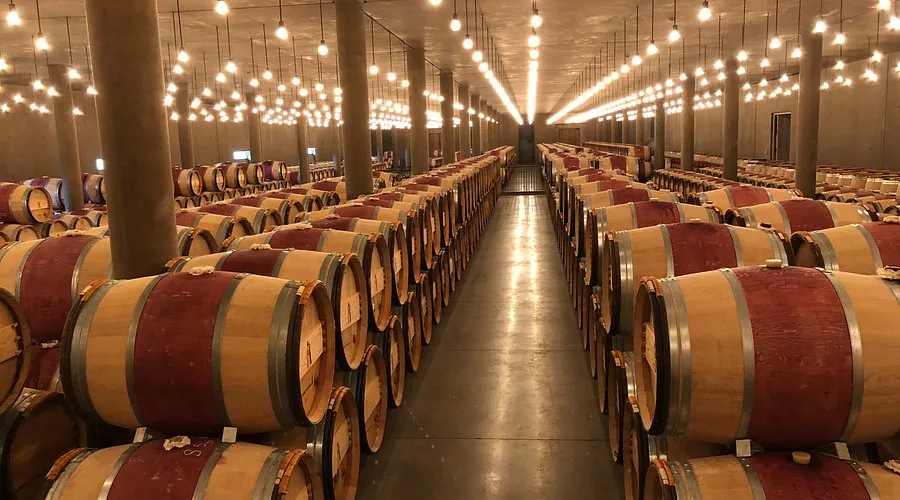
For travellers visiting Bordeaux, this is more than a business decision—it’s a philosophy you can see when you visit Pauillac. The estate’s cellars are immaculate; barrels rest for years as the wine slowly evolves. When you taste a Latour wine on-site, you’re experiencing something that has been carefully curated and held back until the château believes it represents its best self.
This approach also protects buyers. Instead of gambling on a wine’s potential when it’s only a year old, you’re buying a bottle that’s been watched, nurtured, and released at a point where the château believes it’s ready to impress.
The 2012 Vintage: Balanced, Classic, and Now Showing Its Character
The 2012 vintage in Bordeaux was not hyped like 2009 or 2010, but for Pauillac, it turned out to be quietly brilliant. Weather challenges early in the season meant careful vineyard work, but a warm, dry late summer produced Cabernet Sauvignon with concentration and balance.
Today, the Château Latour 2012 is showing exactly why the estate chose to cellar it before release. It’s a vintage built on Cabernet Sauvignon’s power (close to 90% of the blend), with Merlot and a touch of Petit Verdot. In the glass, expect blackcurrant and cassis, layered with cedar, graphite, and Latour’s unmistakable Pauillac structure. Over a decade of ageing has softened its tannins, revealing tobacco, cigar box, and a savoury depth that younger wines can’t match.
For collectors, this is an opportunity to buy a wine that’s entering its prime but still has decades ahead. For travellers, tasting the 2012 vintage in Bordeaux means experiencing a Pauillac wine with both youthful fruit and early complexity—a combination that makes for an unforgettable visit.
Market Context: A Subdued Yet Fascinating Moment
Latour chose to release the 2012 vintage at a time when the fine wine market is calmer than in past boom years. Prices have stabilised compared to the rapid increases seen in the 2010s. Some merchants note that Latour’s new ex-château price sits above certain secondary-market offers for the same wine. For buyers, this creates an interesting dynamic: estate provenance versus market pricing.
Why should travellers care? Because provenance—the guarantee that a wine has been perfectly stored at the château—is priceless for serious bottles. Wines purchased directly from the estate or through trusted partners often age better and hold their value. If you’re exploring Pauillac wine routes or joining a curated Bordeaux wine tour, understanding this market nuance helps you buy with confidence.
Visiting Pauillac: Experiencing Latour’s Legacy
For many wine travellers, Pauillac is the heart of the Left Bank. Here you find three of Bordeaux’s five First Growths: Latour, Lafite Rothschild, and Mouton Rothschild. The landscape is grand yet tranquil, with rows of vines leading to historic châteaux. Visiting Latour offers insight not just into wine but into Bordeaux’s global prestige.
Guided wine experiences like those from Bordeaux Wine Pilgrim help visitors navigate this world. Travellers often want to know: where can I taste iconic Pauillac wines? Which estates welcome visitors? How can I compare a Premier Grand Cru Classé to a well-made cru bourgeois from the same soils? Expert-led tours make these questions easy to answer, and they add context—such as Latour’s release strategy and how it fits into Bordeaux’s broader market.
What to Expect When Tasting Château Latour 2012
If you are fortunate enough to taste Latour 2012 during your trip, prepare for an experience that goes beyond a simple glass of wine. Here’s what you might notice:
- Aromas: blackcurrant, blackberry, and cassis, layered with cedar, graphite, and cigar box.
- Palate: full-bodied and powerful but with fine, polished tannins after more than a decade of age. Expect dark fruit balanced by savoury notes, with hints of tobacco and spice.
- Finish: long, persistent, elegant—classic Pauillac structure but already approachable for those who prefer wines with some maturity.
Decanting for at least an hour is recommended to let the wine breathe. If you enjoy pairing food with wine, Latour 2012 loves slow-roasted lamb, beef tenderloin, or even simply grilled entrecôte with Bordelaise sauce.
Lessons for Wine Collectors and Travellers
For collectors, Latour 2012 reinforces the importance of provenance and patience. Buying direct from the château means perfect storage and authenticity. For travellers, it shows why understanding vintage and release strategy can turn a good purchase into a smart one.
It also highlights that Bordeaux isn’t just about new en primeur releases. Many estates are rethinking how and when they release their wines, giving travellers more opportunities to buy bottles that are ready to enjoy sooner.
If your Bordeaux trip includes a visit to the Left Bank, consider asking about back vintages and ex-château stock. Many producers now hold back wine and offer it later, ensuring you can buy bottles at their best.
Pauillac and the Wine Pilgrim Experience
Travelling to Pauillac can feel overwhelming for first-time visitors. The names are legendary, the labels historic, and the choices vast. A curated experience with Bordeaux Wine Pilgrim helps cut through the noise. You’ll visit estates that welcome guests warmly, understand how vineyards differ even within a few kilometres, and taste wines across price points—from accessible Pauillac blends to icons like Latour.
For wine lovers looking to learn while they taste, this is invaluable. You don’t just drink great wines; you understand them. You see why Latour can confidently hold back a vintage for over a decade, and how that fits into the broader Bordeaux story.
The Takeaway: A Vintage for the Curious and the Patient
The quiet re-release of Château Latour 2012 may seem like news for collectors alone, but it carries lessons for anyone travelling through Bordeaux. It’s about patience, provenance, and evolution—values at the core of Bordeaux winemaking.
For travellers, tasting or buying Latour 2012 is more than a luxury. It’s a window into how Bordeaux is changing: how some estates now wait to share their wines, ensuring they reach drinkers when they’re ready to shine. It’s also a reminder that a wine’s story can be as important as its flavour.
If you’re planning a wine tour in Bordeaux, especially through Pauillac and the Left Bank, make time to explore estates like Latour. Guided experiences from Bordeaux Wine Pilgrim make it possible to taste, learn, and connect with the region in a way that goes beyond labels and scores. For any wine lover, that’s a journey worth taking.
