Château Troplong Mondot – A New Chapter for Saint-Émilion’s Premier Grand Cru Classé
On the 28th of August 2025, while much of Bordeaux was still basking in the late summer sun, the team at Château Troplong Mondot quietly made history. Pickers entered the rows of vines on the limestone plateau of Saint-Émilion and began harvesting Merlot grapes weeks earlier than the traditional start of the Bordeaux wine harvest. It was the earliest red grape harvest the estate had ever known, and the decision sent ripples across the world of wine.
For some, it was a signal of alarm—proof that climate change is accelerating its impact on even the most prestigious vineyards. For others, it was a mark of confidence, a reminder that great estates adapt, and that resilience lies at the heart of Bordeaux’s story. For those who know Troplong Mondot, it was both: a reflection of bold decision-making and respect for the vines that have made this estate one of the jewels of the Right Bank Bordeaux wines.
This is not simply the story of an early harvest. It is the story of how tradition, terroir, and people come together to define what makes Bordeaux Grand Cru Classé wines so enduring and why Troplong Mondot has become a must-see destination for travellers embarking on a Saint-Émilion wine tour.
The Moment the Harvest Began Early
Harvest in Bordeaux has always been something of a ritual. The timing is guided by the seasons, by tradition, and by the measured patience of winemakers. For centuries, red grapes in Saint-Émilion have been picked in September or even October, when cool mornings give way to crisp autumn days. The late summer is normally a time for anticipation, not action.
But in 2025, Troplong Mondot broke the cycle. Weeks of sun, limited rainfall, and unusually warm nights pushed the vines towards maturity far faster than usual. Grapes that should have needed more time had already reached perfect ripeness. To wait would have been to risk losing freshness, acidity, and the balance that defines the estate’s wines.
So, on 28 August, harvest began. Pickers moved swiftly down the rows, the sound of snipping shears echoing across the plateau. The fruit was small, concentrated, and healthy, promising wines of depth and intensity. The estate’s director, Aymeric de Gironde, emphasised that the decision was not one of haste but of precision. The vineyard had spoken, and Troplong Mondot had listened.
This moment captured the reality of modern Bordeaux. The Bordeaux wine harvest timeline is no longer fixed; it is dynamic, shaped by climate and human choices. And at the centre of it is a Premier Grand Cru Classé that is willing to act boldly to protect its identity.
A Story That Spans Centuries
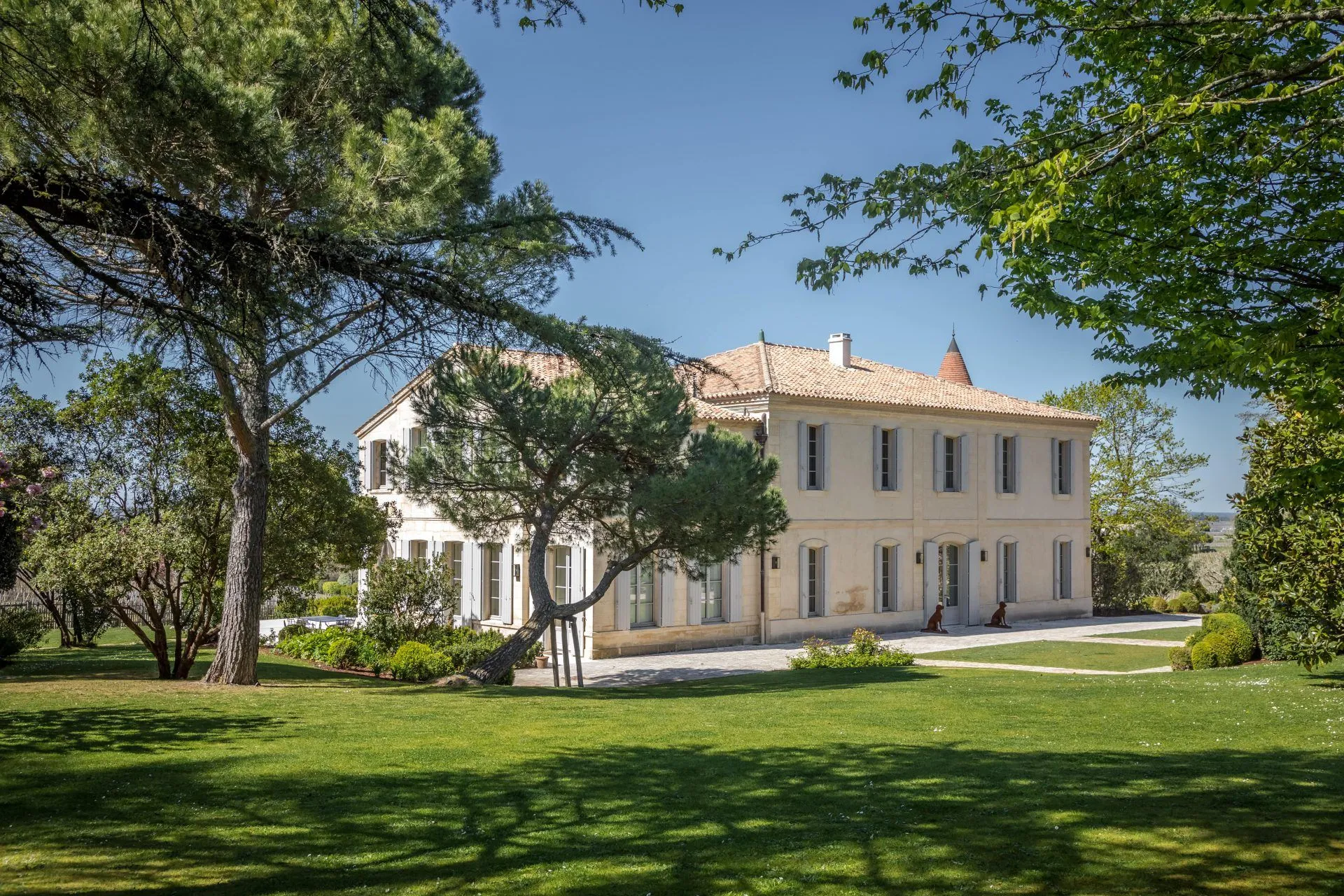
Château Troplong Mondot is far from a newcomer. Its history stretches back to the 18th century, when the estate was part of a larger property. Over time, parcels were separated and developed into some of the finest Saint-Émilion vineyards. The estate took its modern name from Raymond Troplong, a 19th-century French senator and jurist who owned the property and gave it the prestige it carries today.
The château, perched at one of the highest points in Saint-Émilion, was always admired for its location and commanding views. But it was in the late 20th century that Troplong Mondot began to achieve its reputation as one of the leading Saint-Émilion Premier Grand Cru Classé estates. Under Christine Valette, who inherited the property in 1981, Troplong Mondot became known for wines of richness, elegance, and longevity. Christine’s vision, her dedication to meticulous vineyard work, and her instinct for quality cemented the estate’s place alongside the finest in Bordeaux.
Today, under the leadership of Aymeric de Gironde, the estate continues to evolve. His background at other prestigious Bordeaux properties brought experience, but it is his focus on precision, sustainability, and adaptation that has defined his tenure. The early harvest of 2025 is part of this story—decisions made not to break tradition for the sake of it, but to ensure the continuity of excellence for generations to come.
The Plateau that Defines the Wine
Saint-Émilion is celebrated for its mosaic of soils, and Troplong Mondot sits at the very top of the limestone plateau, 110 metres above the medieval town. From here, the view stretches across the rolling vineyards and the rooftops of the UNESCO-listed village. This location is not just picturesque—it is vital to the wines.
The vineyard covers 43 hectares, planted mainly with Merlot, which thrives in the clay-limestone soils, supported by Cabernet Franc and Cabernet Sauvignon. This balance of grape varieties creates wines of power, freshness, and complexity. In warmer years, the altitude and limestone subsoils act as natural regulators, helping the vines retain acidity and aromatic lift. In cooler years, they provide structure and mineral tension.
The terroir here is a patchwork, with each parcel offering something unique. It is this diversity that allows Troplong Mondot to craft wines that are layered, age-worthy, and deeply expressive of place. The terroir does not bend to human will—it guides it, and the role of the winemaker is to listen carefully and interpret faithfully.
How the Wines Are Made
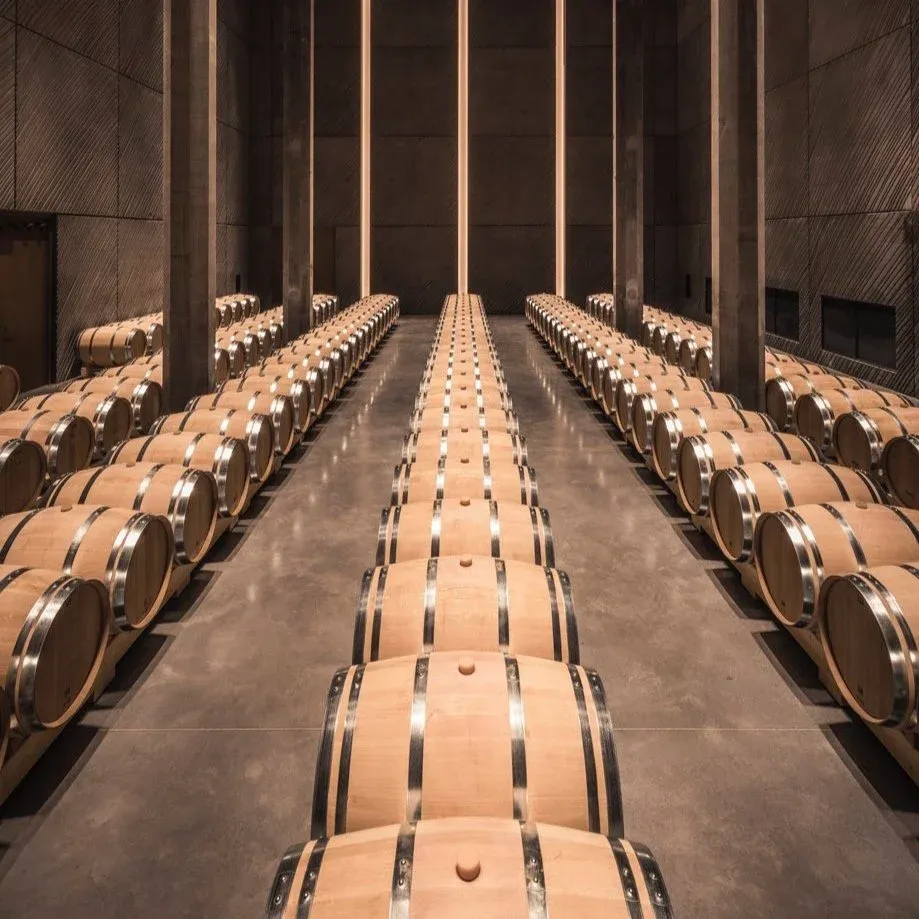
At Troplong Mondot, winemaking is a process of precision and respect. The harvest is carried out by hand, with pickers selecting only the healthiest clusters. In the cellar, grapes are vinified parcel by parcel, allowing the personality of each section of the vineyard to shine. This micro-vinification ensures that the final blend is a true reflection of the estate’s diversity.
Ageing takes place in French oak barrels, where time and patience refine the wines. Oak is used carefully—not to dominate but to support the fruit and structure. The result is a style that balances richness with elegance, power with finesse.
The estate has also invested in its winery and hospitality spaces, creating an environment where modern architecture meets tradition. Visitors who join a Château Troplong Mondot wine tour can see this balance firsthand: a property that honours its past while embracing the future.
The Wines and Their Style
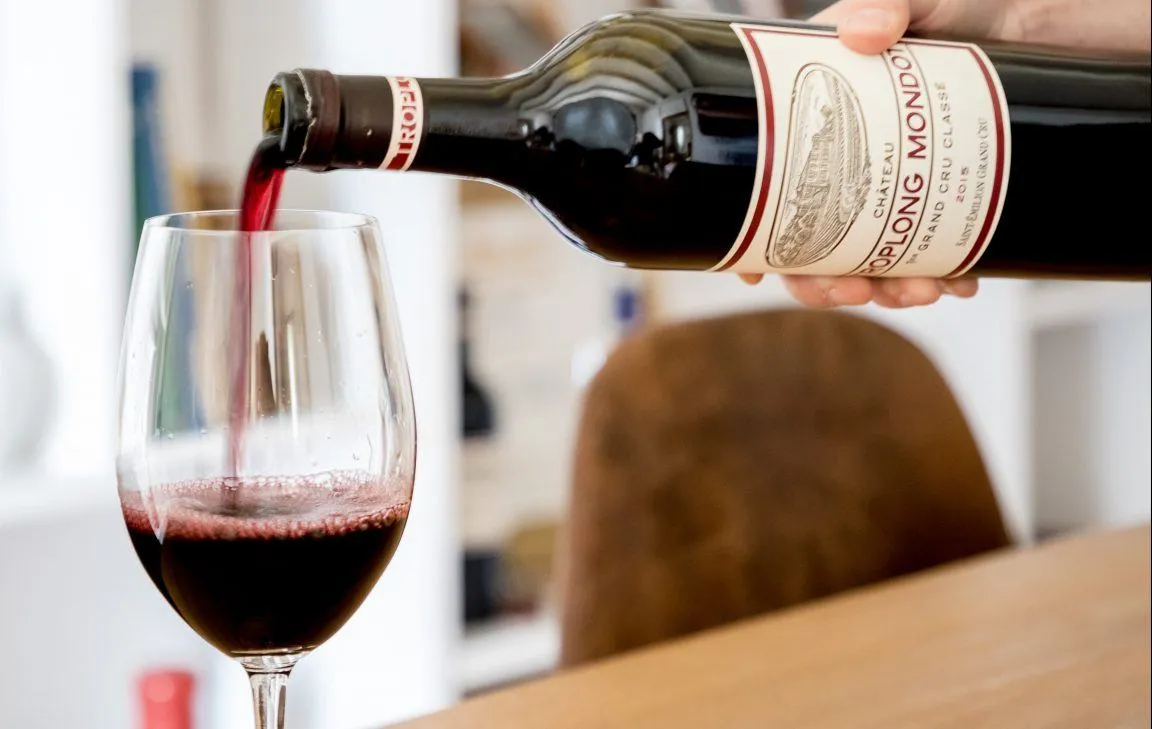
Troplong Mondot is known for wines that combine intensity and refinement. Young vintages are often full-bodied, with aromas of ripe plum, blackberry, and violet, framed by notes of spice and graphite. The palate is structured yet supple, with fine tannins and a lingering finish.
As the wines age, they develop remarkable complexity. Earthy tones of truffle and tobacco emerge, alongside hints of cedar, cocoa, and dried flowers. Mature bottles can be breathtaking, offering depth and harmony that reward decades of patience.
The style of Troplong Mondot has sometimes been described as opulent, but in recent years, there has been a clear shift toward elegance and balance, reflecting the philosophy of Aymeric de Gironde. The estate is not chasing power for its own sake; it is seeking purity and authenticity.
Notable Vintages
Over the decades, Troplong Mondot has produced vintages that have become landmarks for collectors and enthusiasts alike:
- 1990 – Rich and concentrated, still vibrant after more than three decades.
- 2005 – Structured and classic, with precision and ageing potential.
- 2009 – Lush and expressive, marked by ripe fruit and soft tannins.
- 2010 – Monumental in scale, yet beautifully balanced, a vintage for the ages.
- 2015 – Harmonious and elegant, reflecting the estate’s evolving style.
- 2018 – A powerful yet refined vintage, balancing richness with freshness.
- 2020 – Aromatic and poised, showing the estate’s adaptability to climate challenges.
- 2025 – Too young to know for certain, but early signs suggest intensity, freshness, and the story of a harvest that began before summer had ended.
These vintages demonstrate not just consistency but also evolution. Each bottle tells the story of its year, shaped by weather, soil, and human choice.
Experiencing Troplong Mondot as a Visitor:
A visit to Troplong Mondot is about more than wine; it is about immersion. The estate welcomes guests into a world where vineyard, cellar, and hospitality come together seamlessly. The property’s restaurant and guesthouse provide opportunities to pair Troplong Mondot’s wines with seasonal cuisine, overlooking the vineyards from one of the most spectacular settings in Bordeaux.
During harvest, the atmosphere is electric. Visitors may not always see the picking firsthand, but the energy is palpable—the hum of activity in the chai, the smell of fermenting must, and the sense of anticipation for the vintage to come.
For those joining a Bordeaux wine tour and tasting with Bordeaux Wine Pilgrim, Troplong Mondot offers the chance to connect directly with the land and people behind the wines. It is not just about tasting; it is about understanding.
Pairing Troplong Mondot with Food:
The wines of Troplong Mondot are natural companions to French cuisine. Young vintages, with their fruit and structure, pair beautifully with roast lamb, duck magret, or entrecôte à la Bordelaise. As the wines mature, their earthy notes make them perfect with mushroom risotto, braised venison, or truffle-infused dishes.
For cheese pairings, aged Comté, Saint-Nectaire, or truffled Brie highlight the wines’ savoury depth. Vegetarian dishes such as roasted aubergines with herbs or lentil stew bring out their freshness and minerality.
Pairing Troplong Mondot with food is about more than flavour—it is about creating harmony between the richness of the wine and the character of the dish.
Bordeaux Harvests and the Future:
The early harvest of 2025 at Troplong Mondot is likely not an isolated event. Across the Saint-Émilion vineyards and the wider Right Bank, estates are facing the same pressures. As summers grow warmer, harvests are creeping earlier, and decisions once unthinkable are becoming necessary.
This does not mean the end of Bordeaux as we know it. It means it's the next chapter. Estates like Troplong Mondot are showing that by adapting, they can preserve the essence of their wines. The terroir remains; the history endures, but the approach evolves.
For wine lovers and tourists, this makes Bordeaux more fascinating than ever. The region is alive, responsive, and constantly redefining what it means to produce great wine.
Conclusion:
Château Troplong Mondot’s earliest harvest ever is not just a footnote in history—it is a symbol of Bordeaux’s resilience. It reflects how tradition and innovation can coexist, how terroir adapts, and how great estates continue to inspire by leading rather than following.
The 2025 vintage will one day be poured into glasses around the world, its story told with each sip: a story of sun and soil, of vines and people, of a harvest that came before autumn had even begun.
For collectors, it will be a wine to treasure. For travellers, it is a reminder that visiting Bordeaux is not just about tasting wines—it is about living their stories. And for those who wish to experience it firsthand, a Saint-Émilion wine tour with Bordeaux Wine Pilgrim offers the perfect way to connect with this extraordinary estate, its history, and its future.
