Forgotten Wine Traditions of Southwest France
Why Southwest France Holds Some of Europe’s Most Overlooked Wine Traditions
Travellers visiting Bordeaux often focus on the prestigious châteaux, famous appellations, and iconic blends that made the region world famous. Yet just beyond the well-known routes lies a broader story — one that begins long before classification systems, modern winemaking, or the rise of global wine culture.
Southwest France is one of Europe’s oldest wine-producing regions. Long before Bordeaux became a commercial powerhouse, local farmers, monks, and merchants across Gascony, Dordogne, Lot-et-Garonne, and Gironde developed their own methods for cultivation, harvesting, blending, ageing, and storing wine. Many of these methods shaped the identity of French wine as we know it today — and yet they remain largely forgotten.
Today’s travellers can still uncover these stories in traditional estates, rural vineyards, village festivals, ancient monasteries, and historic cellars carved centuries ago. These traditions offer a window into the region’s past and reveal how deeply wine has shaped cultural life across Southwest France.
This long-form guide explores the lost, forgotten, and rediscovered wine traditions that defined the region, helping travellers understand the roots of the wines they taste today.
The Deep History of Wine in Southwest France
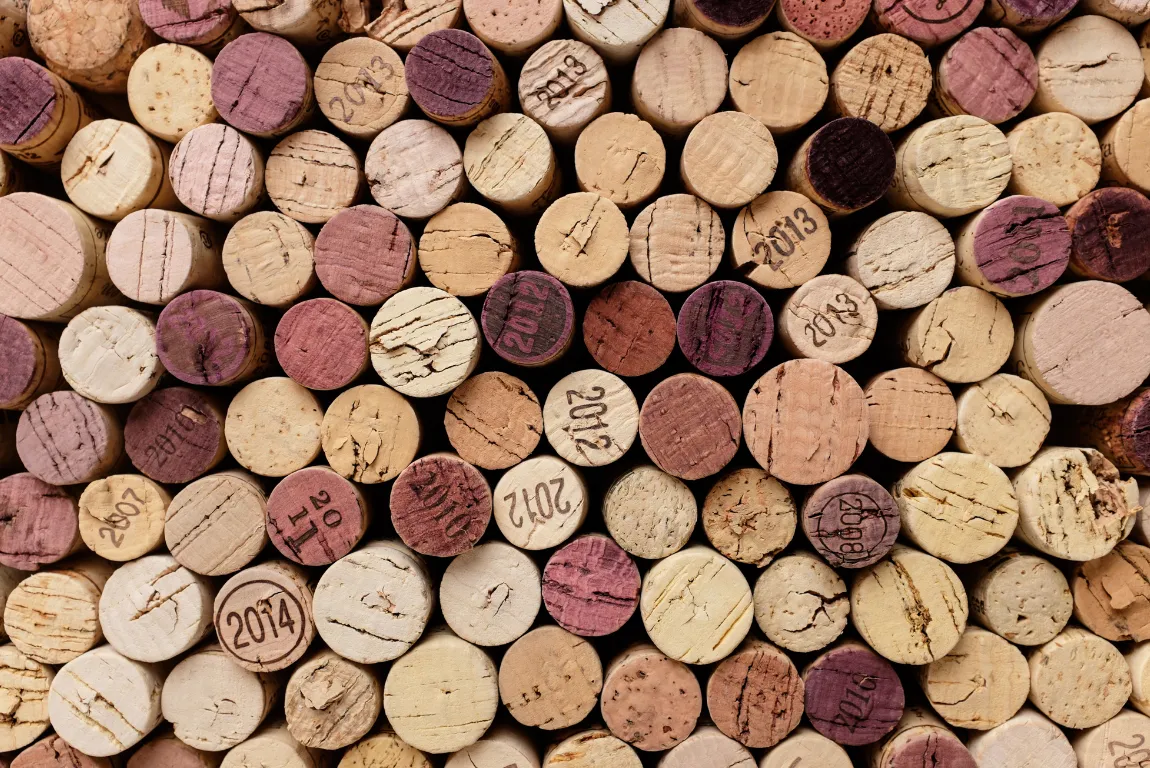
Before Bordeaux Was Bordeaux
When people think of France’s wine history, Burgundy and Bordeaux usually dominate the conversation. Yet the Southwest — including areas such as Bergerac, Cahors, Gaillac, and Armagnac — has a wine culture older and more diverse than many visitors realize.
Long before Bordeaux’s merchants built trade routes with England and Northern Europe, wine was already being made in:
- The Dordogne valley
- The Lot valley
- Bas-Armagnac and Ténarèze
- The rolling hills of Gascony
- The slopes around Gaillac and Albi
These regions preserved ancient techniques, local grapes, and farming wisdom passed down from generation to generation.
Roman Vineyards and Medieval Strategies
Romans first planted vines throughout the Southwest nearly 2,000 years ago. They selected slopes, terraces, and riverbanks ideal for sunlight and drainage — the same factors modern viticulture values today.
Medieval monasteries carried these traditions forward. Monks documented:
- Planting cycles
- Harvest rituals
- Fermentation methods
- Barrel ageing
- Blending traditions
While Bordeaux evolved through international commerce, the Southwest preserved local identity rooted in tradition rather than global markets.
Forgotten Grape Varieties That Once Dominated the Region
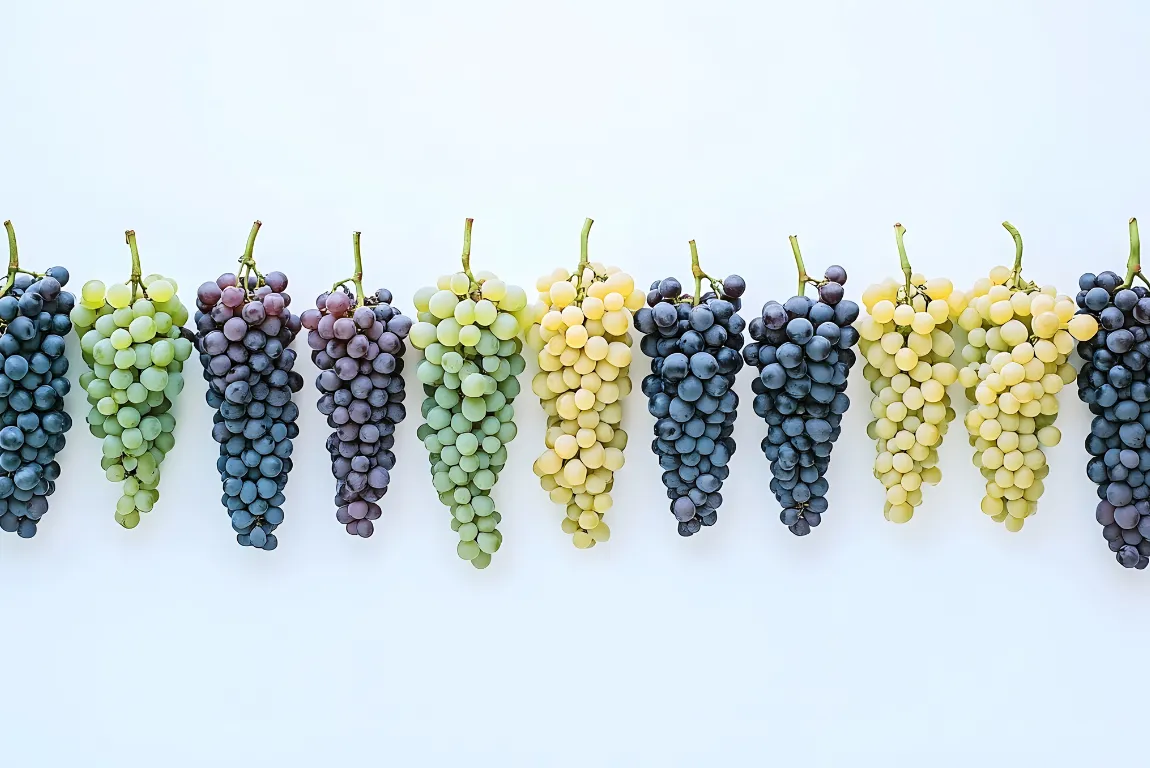
One of the most fascinating aspects of Southwest France is the number of grape varieties that once thrived here — many of which barely exist today.
Abouriou
A deep-coloured, robust grape once popular in Lot-et-Garonne. Known for rustic charm and dark fruit flavours, it almost died out due to phylloxera and modern tastes.
Négrette
Native to Fronton, near Toulouse. Produces floral, soft wines with a distinctive peppery character. Still grown but far less than a century ago.
Fer Servadou (also called Mansois)
An ancient grape from Marcillac and Gaillac. Known for spicy, peppery notes and lively acidity. Still cherished locally but rarely known outside the region.
Prunelard
The forgotten ancestor of Malbec. Once widespread, now limited to small vineyards in Gaillac.
Ondenc
An aromatic white grape used in sweet and sparkling wines. Nearly extinct but experiencing revival.
Mauzac
Known for its apple-like aromas and used in traditional-method sparkling wines in Gaillac.
Gros Manseng & Petit Manseng
Although better known today for Jurançon’s sweet wines, both grapes carry centuries of Southwest heritage.
Each of these grapes tells a story of tradition shaped by geography, climate, and local culinary culture. Travellers who explore the region beyond Bordeaux discover flavours and textures unlike anything found in the more famous appellations.
Ancient Winemaking Techniques That Have Nearly Disappeared
Wooden Fermentation Vats
Before stainless steel tanks arrived in the 20th century, fermentation happened in:
- Large oak vats
- Chestnut vats
- Walnut vats
- Open wooden fermenters
These vessels produced wines with deeper textures and subtle oxygen exposure, very different from the polished, modern styles of today.
Foot Treading (Pigeage)
Foot treading was once universal across Southwest France. It allowed gentle extraction of colour and tannin and ensured even fermentation.
While still used in a few artisanal wineries, mechanical pigeage has replaced most traditional foot treading.
Basket Pressing
Grape pressing once occurred in large wooden basket presses, powered by hand or screw mechanisms. The resulting juice was softer, with gentler tannins.
Modern pneumatic presses replaced these tools, but some traditional producers still use them for authenticity and craftsmanship.
Long Macerations
Historically, fermentation lasted weeks — sometimes months — producing wines with intense tannic structures. These practices shaped the style of early Cahors wines, which were famously dark and powerful.
Clay Amphorae
Though amphorae are now popular in modern natural-wine movements, they were once purely practical:
- Stable temperature
- Neutral flavour
- Slow micro-oxygenation
Gaillac, Cahors, and other regions used amphorae before wood became the norm.
Barrel Sizes and Woods
Southwest France once used a variety of local woods:
- Chestnut
- Acacia
- Walnut
- Oak (various species)
The choice affected texture, tannin, and flavour. Over time, French oak dominance replaced this diversity.
Forgotten Traditions Linked to Harvest and Vineyard Work
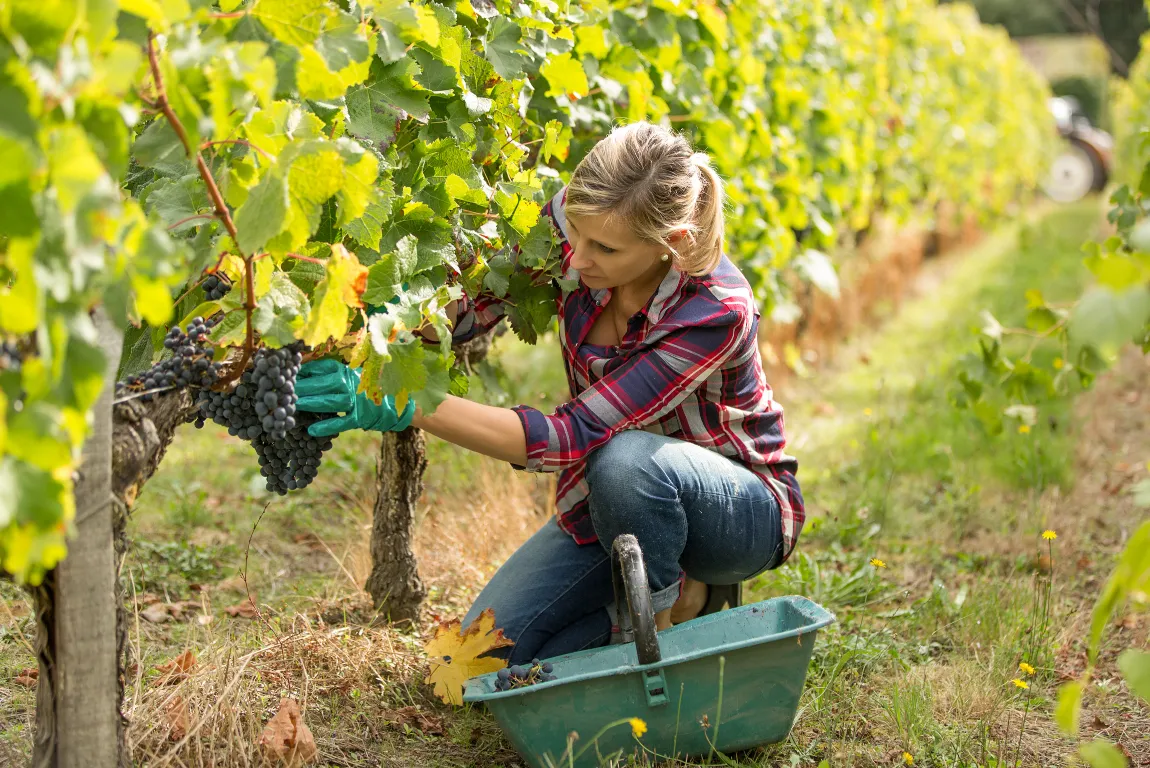
“Ban des Vendanges”
Before the harvest could begin, a local official (often a lord or bishop) had to announce the official start. This ensured that all growers harvested at the optimal moment for community fairness.
Harvest Banquets
Communal meals with:
- Duck confit
- Saucisse de Toulouse
- Cassoulet
- Foie gras
- Local cheeses
- Traditional pastries
These feasts celebrated the unity of vineyard workers and families.
Manual Sorting Tribunals
Local elders once inspected grape quality and could refuse batches deemed unworthy. Today, optical sorters and sorting tables perform similar roles.
Horse Ploughing
Before machines, horses tilled the vines, especially on steep slopes. A few estates maintain the tradition for its gentler soil impact.
How Trade Shaped Wine Traditions of the Southwest
Cahors’ “Black Wine”
Cahors wines were once known as “Black Wine” because of their inky depth. These wines were prized in medieval England and even used to add colour and strength to lighter Bordeaux wines.
Traditional Cahors wine was:
- Fermented for weeks
- Intensely tannic
- Stored in large wooden casks
- Shipped down the Lot River to Bordeaux
- Blended into Bordeaux to improve structure
This tradition reveals how interconnected the Southwest and Bordeaux once were.
Gaillac’s Sparkling Wines — Older Than Champagne
Gaillac claims to have developed sparkling wine centuries before Champagne popularised the méthode traditionnelle. Farmers discovered natural re-fermentation in bottles and refined it into a local specialty.
Armagnac: France’s Oldest Spirit
Long before cognac gained fame, Armagnac was the Southwest’s signature spirit. Produced through single continuous distillation, Armagnac preserves rustic, warm, deep flavours that reflect older methods.
Culinary Traditions and Wine Pairings of the Southwest
Many forgotten food traditions illuminate the history of wine:
Duck and Goose Farming
Southwest France’s renowned duck dishes (magret, confit, foie gras) evolved alongside local wines. These foods pair naturally with:
- Tannic Cahors
- Floral Gaillac
- Rich Bergerac reds
- Sweet Monbazillac
Ewe’s Milk Cheeses
Ossau-Iraty and Pyrenées cheeses pair beautifully with wines from Béarn and Jurançon.
Traditional Sweets
Basque cakes, prune tarts, and pastis gascon historically accompanied sweet wines.
Exploring local cuisine is one of the best ways to understand forgotten wine traditions.
Why These Traditions Matter for Travellers Today
A Chance to Taste History
Many producers have revived old practices:
- Fermentation in amphorae
- Horse ploughing
- Heritage grape varieties
- Historic pruning methods
- Ancestral sparkling techniques
These experiences offer a rare opportunity to taste wine as it might have been centuries ago.
Authentic, Non-Commercial Experiences
The Southwest remains less commercial than Bordeaux. Visitors encounter:
- Family-run estates
- Ancient cellars
- Historic villages
- Rural landscapes untouched by mass tourism
Affordable but Exceptional Wines
Travellers often discover wines that rival Bordeaux in quality at significantly lower prices.
For those exploring Bordeaux and beyond, guided experiences such as Wine Tours Bordeaux region often include visits to neighbouring Southwest regions where forgotten traditions come to life.
The Influence of Forgotten Traditions on Modern Bordeaux
Although Bordeaux is known for its polished, modern winemaking, many forgotten traditions from the Southwest shaped the region’s rise.
Traditional Blending
Before modern AOC rules, Bordeaux blends often included grapes sourced from Cahors, Gaillac, and Bergerac.
Barrel Innovation
Southwest forests once supplied wood for barrels before the global rise of Limousin and Allier oak.
Viticultural Practices
Techniques such as:
- Low intervention
- Long maceration
- Natural yeast fermentation
- High-density planting
…have their roots in old Southwest traditions.
Merchant Routes
Rivers like the Dordogne and Lot connected the Southwest to Bordeaux’s port. Without these trade routes, Bordeaux would not have become the global force it is today.
How to Explore Forgotten Traditions Firsthand
A journey through Southwest France is a journey through time. Travellers can visit:
- Medieval villages such as Rocamadour, Cordes-sur-Ciel, and Saint-Cirq-Lapopie
- Vineyard terraces along the Lot River
- Cahors estates reviving “black wine.”
- Gaillac producers using ancestral sparkling methods
- Bergerac châteaux with ancient press houses
To connect the story back to Bordeaux’s iconic wines, many visitors book Bordeaux wine tasting tours where experts explain the region’s deep roots and lesser-known history.
Final Reflections: A Region Whose Past Enriches Its Present
Southwest France is a mosaic of ancient techniques, forgotten grapes, and rural traditions that shaped the wines of the past — and continue to influence the wines of today. For travellers seeking more than famous labels, the region offers authenticity, depth, and a sense of discovery.
Exploring its forgotten wine traditions enriches your understanding of Bordeaux, revealing how centuries of shared history, climate, craftsmanship, and culture shaped one of the world’s most influential wine landscapes.
And there is no better way to connect these threads than walking vineyards, meeting winemakers, and tasting wines made using techniques that span generations — a journey many visitors begin through Wine Tours Bordeaux region and continue throughout Southwest France.
