Gravel vs Clay vs Limestone: How Bordeaux Soils Shape Wine Styles
In Bordeaux, soil is not background information. It is the starting point of everything. Long before grape variety, oak, classification, or château reputation enters the conversation, the ground itself has already decided the direction a wine will take.
Bordeaux is often described as a region of blends, but in truth, it is a region of soils. Gravel, clay, and limestone dominate the landscape, sometimes in pure form, more often layered together in complex combinations. Each soil behaves differently under vine, water, and heat stress. Each shapes how grapes ripen, how wines feel, and how they age.
To understand why Bordeaux wines taste the way they do — why some feel powerful and linear, others plush and immediate, others tense and mineral — you must understand how these three soils work. Not in abstract geological terms, but in the glass.
Why Soil Matters More in Bordeaux Than in Many Regions
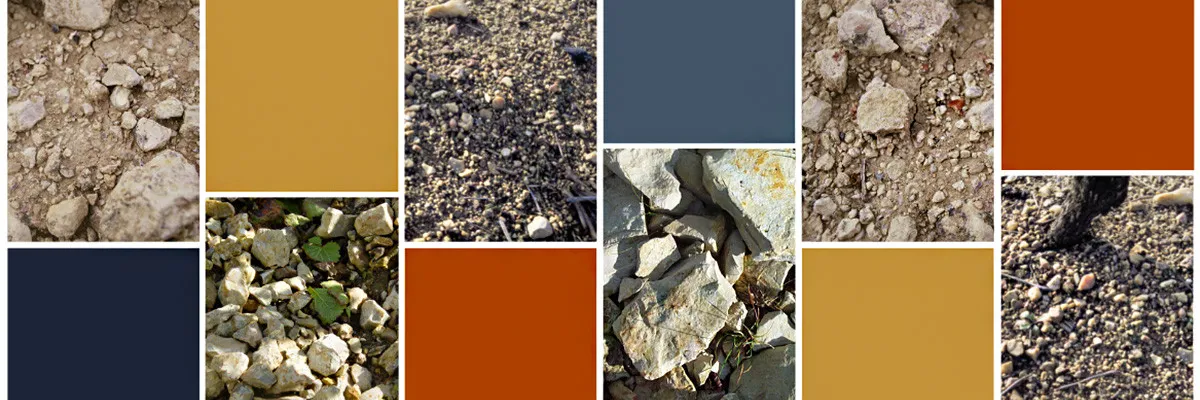
Bordeaux’s climate is moderate rather than extreme. It does not rely on dramatic altitude, intense sunlight, or arid conditions to define its wines. Instead, soil becomes the primary regulator of ripening, water availability, and vine behaviour.
In Bordeaux, soil mediates climate. It decides how heat is stored or released, how water is retained or drained, and how vines respond under stress. This deep connection between land and wine is central to the region’s estate philosophy, where vineyards, winemaking, and ageing are controlled in one place — a system explained in what makes a château wine in Bordeaux different from other regions.
Bordeaux soils do not dictate flavour directly. They dictate structure, balance, and evolution, which in Bordeaux matter more than overt aroma.
Gravel: Structure, Drainage, and Ageing Power
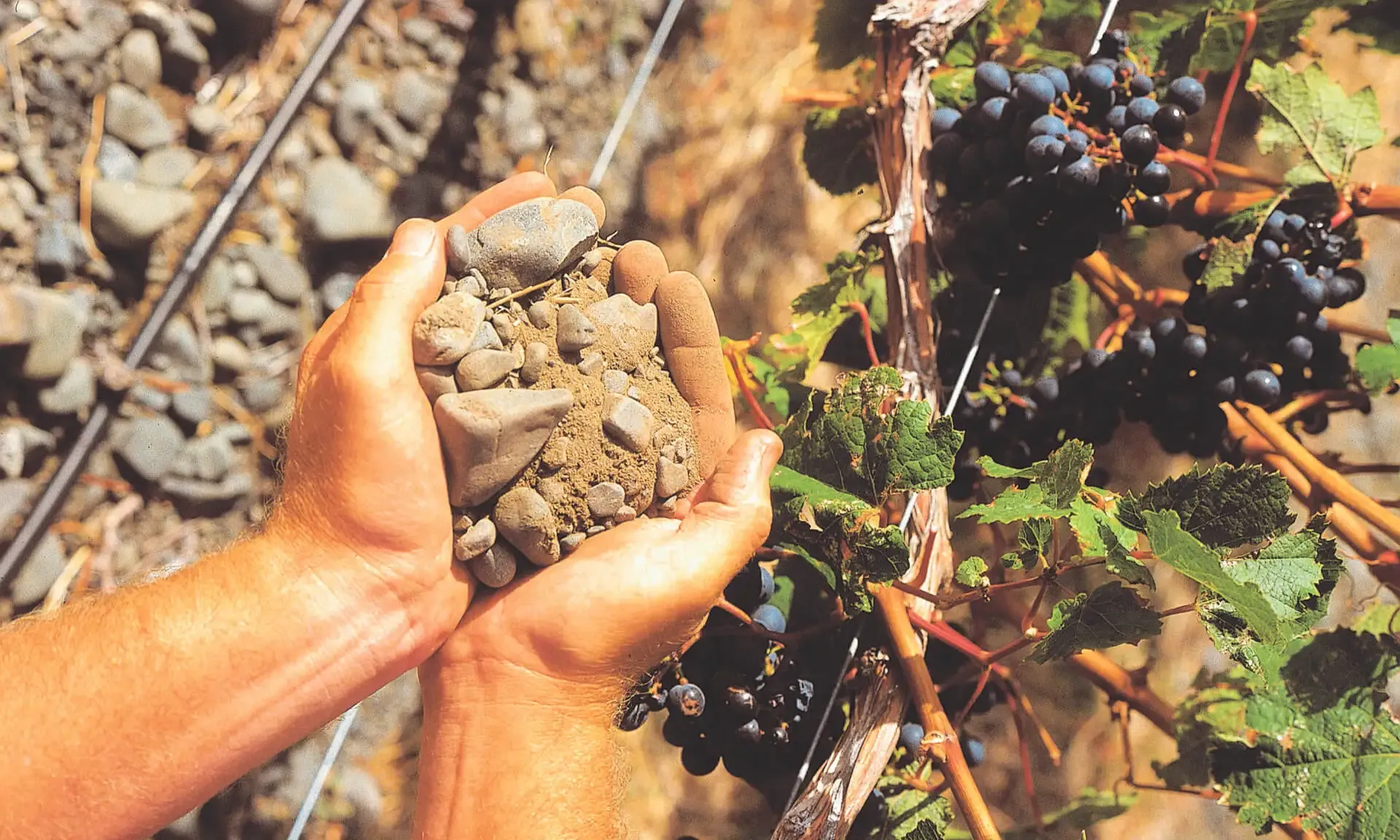
Gravel is the soil most commonly associated with Bordeaux’s Left Bank. It is not fertile, not generous, and not forgiving — and that is precisely why it produces some of Bordeaux’s most age-worthy wines.
Gravel drains extremely well. Water passes through quickly, forcing vines to send roots deep in search of moisture. This limits vine vigour, concentrates berries, and produces grapes with thicker skins and firmer tannins. Gravel also absorbs heat during the day and releases it slowly at night, aiding ripening in Bordeaux’s maritime climate.
In the glass, gravel produces wines defined by structure and line rather than softness. Tannins are firm but fine, acidity is preserved, and alcohol rarely dominates. These wines often feel reserved in youth but unfold slowly with time.
Classic expressions of gravel can be found at estates such as Château Lafite Rothschild in Pauillac and Château Haut-Brion in Pessac-Léognan, where Cabernet Sauvignon thrives on these free-draining soils.
Gravel wines are rarely immediately seductive. Their strength lies in longevity, precision, and restraint.
How Gravel Shapes Wine Style
Wines grown on gravel tend to show:
- Firm, refined tannins
- Linear structure
- Moderate alcohol
- Long ageing potential
- Savoury, mineral undertones
These wines reward patience. With age, they develop notes of cedar, graphite, tobacco, and earth rather than overt sweetness. Gravel is the soil of discipline and endurance.
Clay: Richness, Volume, and Immediate Appeal
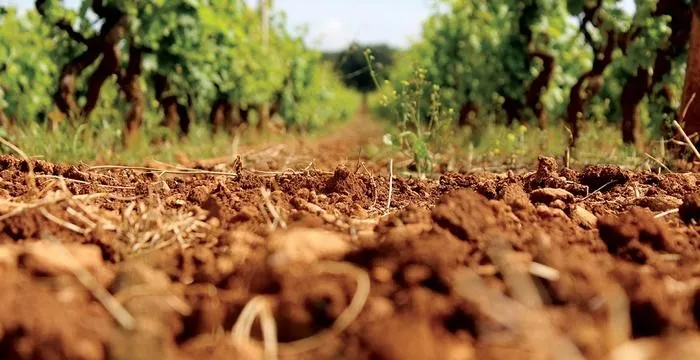
Clay behaves very differently. It retains water, stays cool, and provides a more stable growing environment, particularly in warm or dry years. Vines on clay experience less water stress, which leads to more consistent ripening and fuller berries.
In Bordeaux, clay is most closely associated with the Right Bank, particularly Pomerol and parts of Saint-Émilion. Merlot thrives here, producing wines with generous fruit, soft tannins, and a sense of volume on the palate.
Clay-grown wines tend to feel round and enveloping rather than linear. Texture arrives early, and wines often feel complete even in youth. This is not because they lack structure, but because structure is expressed through density rather than tension.
The most famous expression of clay-driven Bordeaux comes from Château Pétrus, whose deep blue clay produces wines of remarkable plushness and depth, and Château Le Pin, where clay contributes to immediate richness and intensity.
How Clay Shapes Wine Style
Clay-based Bordeaux wines often show:
- Plush, velvety texture
- Softer, rounder tannins
- Greater mid-palate weight
- Earlier approachability
- Consistent ripeness across vintages
Clay does not encourage austerity. It encourages comfort and generosity. This is why clay-dominant wines are often described as seductive or hedonistic.
Limestone: Freshness, Tension, and Precision
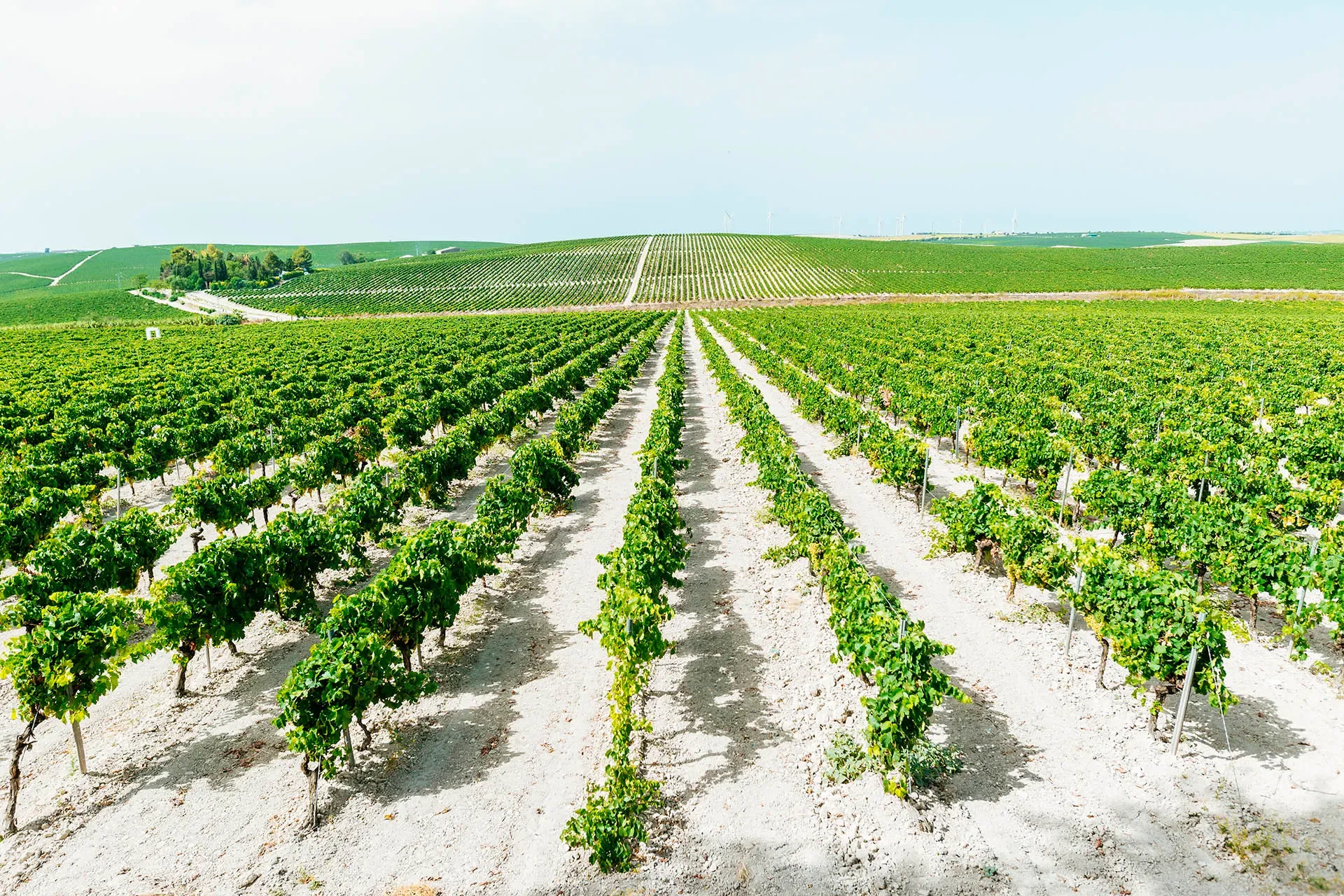
Limestone is Bordeaux’s quietest soil — and arguably its most intellectually compelling. It is most closely associated with the limestone plateau of Saint-Émilion, though it appears elsewhere in smaller pockets.
Limestone retains moisture deep underground while allowing surface drainage. This creates a natural self-regulating system: vines receive water when needed, but are never waterlogged. Limestone also reflects light, aiding ripening while preserving acidity.
The result is wines with natural freshness, fine tannins, and remarkable balance. Alcohol rarely feels heavy, even in warm weather. Structure comes from tension rather than mass.
Iconic limestone-driven wines can be found at Château Ausone and Château Canon, where Cabernet Franc and Merlot combine to produce wines of lift, detail, and ageing grace.
How Limestone Shapes Wine Style
Limestone wines are typically defined by:
- High natural acidity
- Fine, chalky tannins
- Elegant mouthfeel
- Long, graceful ageing
- Mineral, saline finishes
These wines rarely shout. They build slowly, rewarding attention rather than indulgence.
Mixed Soils: Where Bordeaux Becomes Complex
Few Bordeaux vineyards sit on pure soil types. Most are layered combinations — gravel over clay, clay with limestone veins, or gravel mixed with sand.
This complexity allows châteaux to blend not just grape varieties, but soil expressions. One parcel may provide structure, another flesh, another freshness. Blending becomes a translation of place rather than a correction of faults.
This is why Bordeaux’s finest wines feel complete rather than dominant in one dimension.
Soil and Ageing: The Long View
Soil plays a decisive role in how Bordeaux wines age.
- Gravel wines tend to age slowly and steadily, unfolding over decades
- Clay wines often peak earlier but hold their plateau confidently
- Limestone wines evolve with finesse, maintaining freshness deep into maturity
Understanding this helps explain why some Bordeaux wines demand patience while others offer pleasure sooner, without either being inferior.
Soil, Not Classification, Explains Bordeaux
Classifications organise Bordeaux’s reputation. Soils explain their reality.
Two classified châteaux can produce radically different wines because they sit on different soils. Conversely, unclassified estates on great soil can outperform more famous names in the glass.
This is why serious Bordeaux tasting always returns to terroir.
Understanding Soil as a Wine Traveller
For wine travellers, understanding soil transforms château visits. Suddenly, vineyard walks matter as much as cellar tastings. Differences between neighbouring estates become clear. Styles stop feeling mysterious.
This deeper understanding is often where Bordeaux truly opens up for visitors exploring the region through Bordeaux Wine Tours, where tasting is guided by context rather than labels.
Final Reflection: Soil as Bordeaux’s True Signature
Bordeaux is not defined by grape variety, oak, or ranking. It is defined by how soil shapes restraint, power, and balance.
Gravel teaches patience.
Clay offers generosity.
Limestone delivers clarity.
Together, they explain why Bordeaux remains endlessly complex, endlessly expressive, and impossible to reduce to a single style.
For those wanting to experience this diversity in place — glass by glass, vineyard by vineyard — Wine Tours Bordeaux region offer the context that turns soil from theory into taste.
