How to Store Bordeaux Wine at Home: Cellar vs Fridge vs Everyday Storage
Understanding Why Proper Wine Storage Matters
People return from Bordeaux with bottles that represent far more than an enjoyable tasting. They are reminders of vineyard walks, cellar tours, conversations with winemakers, and the sensory experience of discovering the region’s remarkable diversity. But once those bottles reach your home, everything depends on how they are stored.
Bordeaux wines are known for their ageing potential, but this potential is only realised when the wines rest in a stable, suitable environment. Understanding how to tell if a Bordeaux wine is ready to drink also depends on how carefully those bottles have been stored over time.
Proper storage is not about having an elaborate cellar. It is about understanding a few essential principles — temperature, humidity, light, and stillness — and applying them to your living space. Whether you own three bottles or three hundred, these fundamentals shape how a wine evolves over time.
The following guide explains how to create the right conditions at home, comparing wine fridges, natural cellars, and everyday solutions, while offering practical advice for travellers building their first collection of Bordeaux wines.
The Science of Wine Storage: Why Bordeaux Needs Care
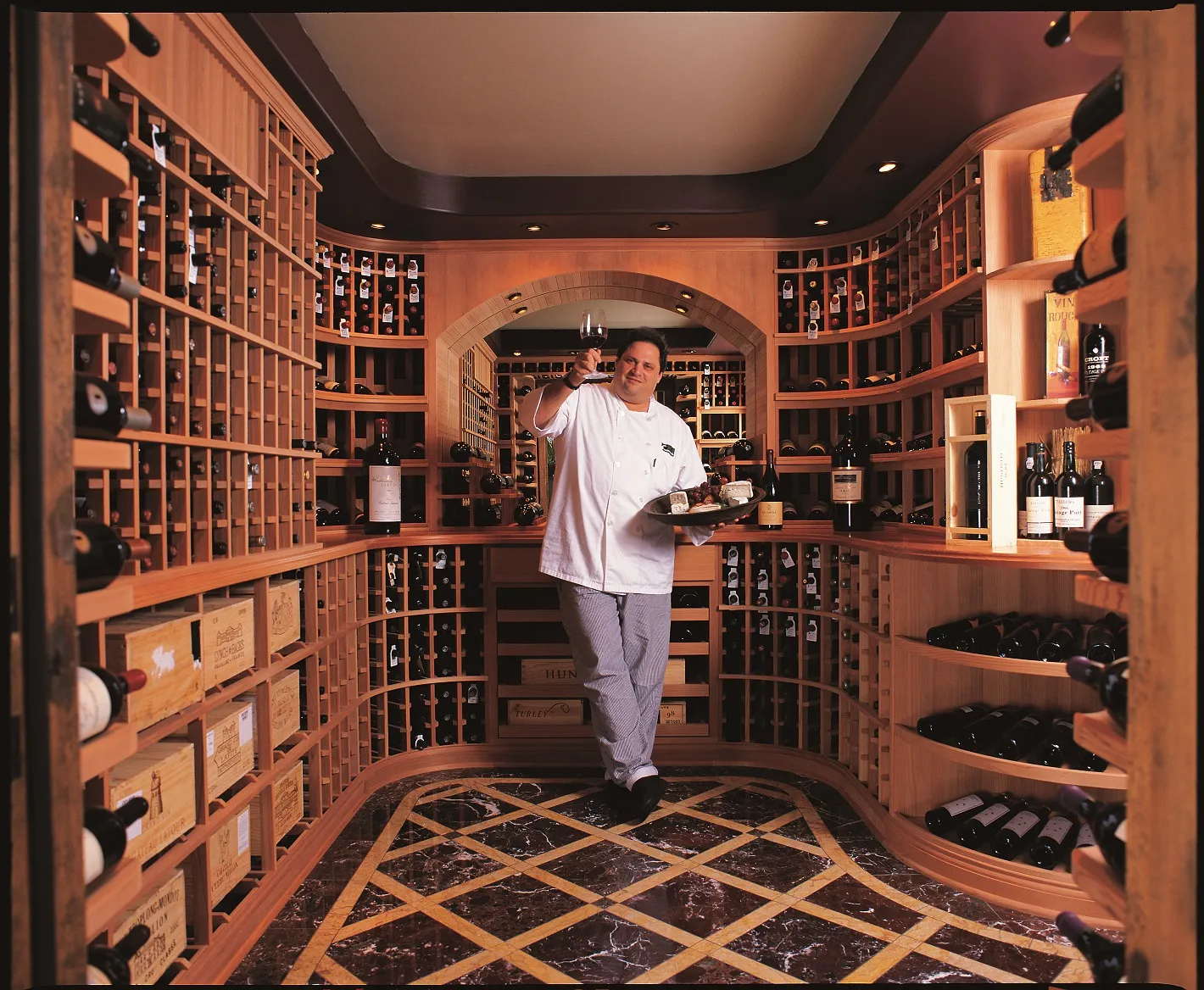
A Living Product That Evolves
Wine is not a static liquid. It changes constantly — slowly in ideal conditions, rapidly when exposed to stress. Chemical reactions involving acids, tannins, alcohol, anthocyanins, and phenolic compounds influence how the wine tastes today and five years from now. Proper wine storage simply controls the pace and quality of these reactions.
Bordeaux’s Structure Makes It Sensitive
Bordeaux blends — especially those from the Left Bank and Right Bank — contain tannins, acidity, and fruit concentration. These allow the wines to age, sometimes for decades, but they also make them vulnerable.
Warm temperatures accelerate chemical reactions, causing wines to mature too quickly. Fluctuations disrupt the balance of compounds. Excessive dryness ruins corks. Light breaks down delicate aromatics.
This is why widely searched phrases like “how to store Bordeaux wine at home”, “best temperature for wine storage”, and “wine fridge vs cellar” are so common among collectors.
Four Non-Negotiables of Storing Bordeaux Wine
Temperature: The Cornerstone of Wine Preservation
The optimal storage temperature for Bordeaux wine is:
12–14°C
This is not a suggestion; it is fundamental. Heat forces wine to age too quickly. Cold slows development and can cause long-lasting flavour tensions. But the greatest enemy is not heat or cold — it is fluctuation.
Temperature stability protects the cork, the flavour profile, and the internal chemistry of the wine. That is why a cupboard with a constant 16°C is safer than a kitchen that moves between 17°C and 25°C throughout the day.
Humidity: Protecting the Cork and Seal
Humidity levels of 60–70% keep corks moist and swollen. A dry cork contracts, allowing oxygen into the bottle — the quickest route to deterioration. Too much humidity encourages mould, but this rarely affects the wine itself. Instead, it threatens labels and storage aesthetics.
Wine fridges maintain humidity automatically; cellars must be checked occasionally.
Light: The Silent Destroyer of Wine
UV light breaks down organic compounds, affecting colour, aroma, and structure. Even moderate exposure can cause wine to age prematurely. Dark storage is essential.
Clear bottles, such as those used for certain white Bordeaux wines, are particularly vulnerable.
Stillness: Vibration Prevention
Vibration disrupts sediment formation and accelerates chemical reactions. This may sound subtle, but over the years it has a significant effect. Keep bottles away from appliances such as washing machines, dryers, and refrigerators.
Evaluating Everyday Storage Options at Home
Kitchen Storage: The Worst Choice
Kitchens experience temperature swings every time appliances run. They are bright, dynamic spaces with vibration, heat, and airflow. Storing wine here is convenient but damaging. This is why collectors often call the kitchen the “wine killer” of the home.
Living Rooms and Dining Rooms
Attractive wine racks are common, but these spaces are not designed for ageing wine. Heating systems, natural light, and daily activity create fluctuating environments that may suit short-term storage but not long-term maturity.
Closets, Cupboards, and Wardrobes
Interior cupboards — especially in hallways or spare rooms — are among the best everyday storage spots. They offer darkness, moderate temperatures, and low vibration. While not ideal for ageing wines for twenty years, they can protect bottles for months or a couple of years.
Under the Bed
This unconventional option works surprisingly well, provided the room is cool and stable. Temperature consistency matters more than the space itself.
Wine Fridges: The Most Reliable Modern Option
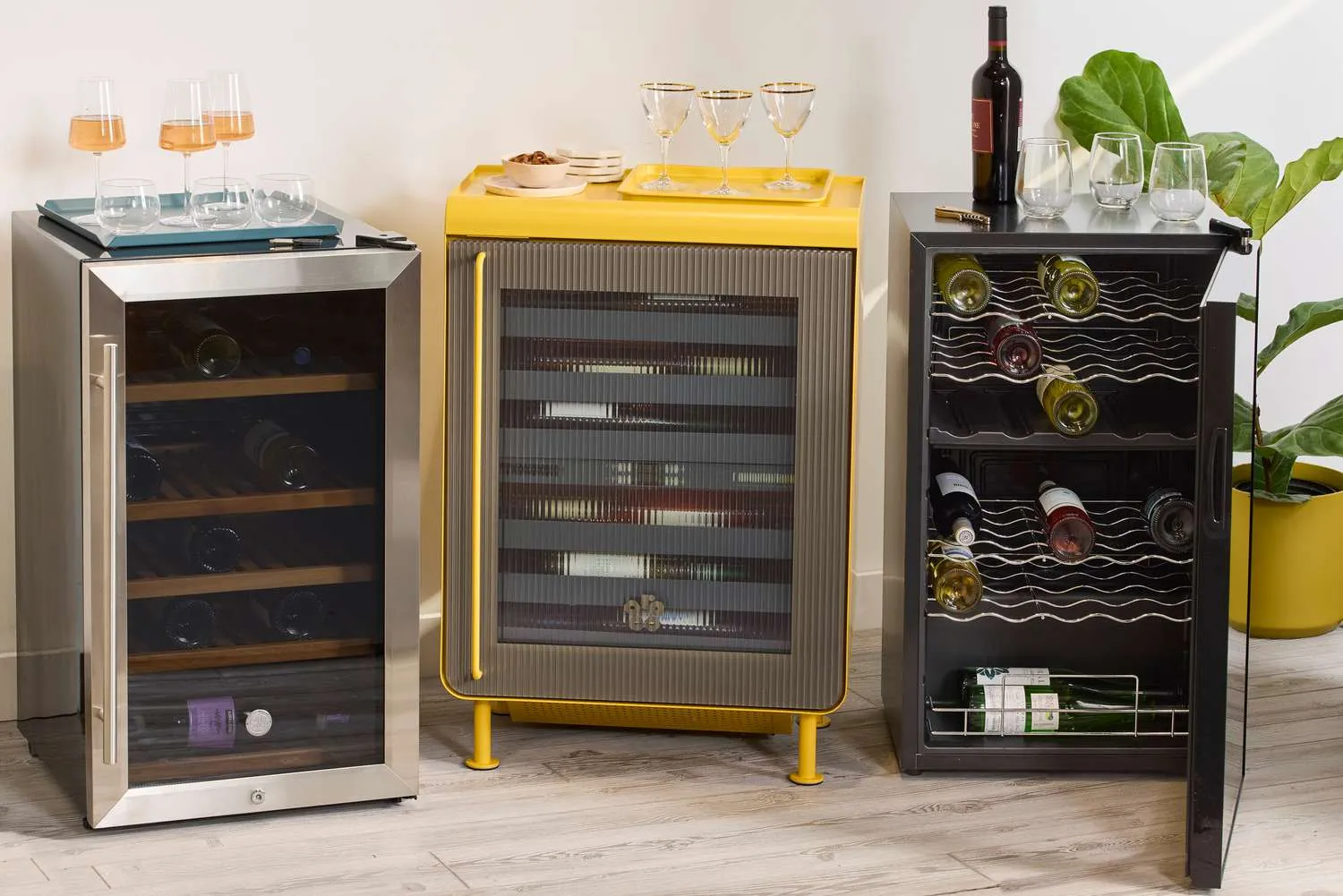
Why Wine Fridges Work So Well
Wine fridges simulate cellar-like conditions with precision. They offer:
- Temperature stability
- Humidity control
- Darkened interiors
- Anti-vibration technology
They are essential tools for anyone living in an apartment or a modern home without a natural cellar.
Choosing the Right Wine Fridge
When selecting a model, consider:
- Capacity: Will your collection grow?
- Single-zone vs dual-zone: Dual-zone is ideal for storing reds and whites together.
- Humidity regulation: Ensures cork longevity.
- Low vibration: Protects delicate structure.
- UV-resistant glass: Prevents light damage.
Searches for “best wine fridge for Bordeaux wines” and “wine fridge for ageing wine” reflect increasing interest in these appliances.
Wine Fridge vs Natural Cellar
Wine fridges offer reliability; cellars offer scale. A cellar can hold hundreds of bottles at minimal cost, but only if the space is suitable. If a cellar experiences seasonal swings, a wine fridge may be the better choice.
Natural Cellars: Traditional, Effective, but Variable
Assessing Your Basement
A natural cellar works when it meets the essential criteria:
- Cool year-round (10–16°C)
- Moderate humidity (50–80%)
- Dark
- Free from odours
- Free from vibration
Many modern homes have basements that function perfectly for wine storage with minimal adjustments.
Benefits of a Natural Cellar
- Low cost
- Large storage space
- Excellent for long-term ageing
- Naturally dark
- No electricity required
Potential Issues
- Seasonal temperature shifts
- Excess dampness
- Pests (in rare cases)
- Musty odours
Collectors often improve cellars with insulation, humidity control, and purpose-built racks.
How Bordeaux Wines Age Under Proper Conditions
Red Bordeaux
Structured reds from Pauillac, Saint-Julien, Saint-Estèphe, Pomerol, and Saint-Émilion evolve beautifully under correct storage. Tannins soften, fruity aromas deepen, and complexity builds over the years.
White Bordeaux
Dry whites from Pessac-Léognan are sensitive to light and heat. Proper cool storage preserves freshness and minerality.
Sweet Bordeaux (Sauternes)
High sugar levels and acidity give Sauternes extraordinary ageing potential. Proper cellaring allows these wines to evolve for decades, revealing honey, saffron, apricot, and caramel textures.
Rosé Bordeaux
Rosé wine should be stored cool and dark, but consumed young — generally within a year.
Crémant de Bordeaux
Store like Champagne. Cool, dark, and away from vibrations.
How Long Can Bordeaux Wines Be Stored When Conditions Are Right
Short-Term Wines (1–5 years)
- Entry-level Bordeaux AOC reds
- Rosé
- Fresh white Bordeaux
- Many Côtes de Bordeaux wines
Mid-Term Ageing (5–12 years)
- Many Right Bank wines
- Better quality Left Bank wines
- Higher-end whites
Long-Term Ageing (10–40+ years)
- Pauillac
- Margaux
- Saint-Julien
- Saint-Estèphe
- Pomerol
- Saint-Émilion Grand Cru
- Pessac-Léognan reds
Extraordinary Longevity (20–50+ years)
- Sauternes
- Select Grand Cru Classé reds
Proper storage ensures that each bottle reaches its potential.
Storing Open Bottles
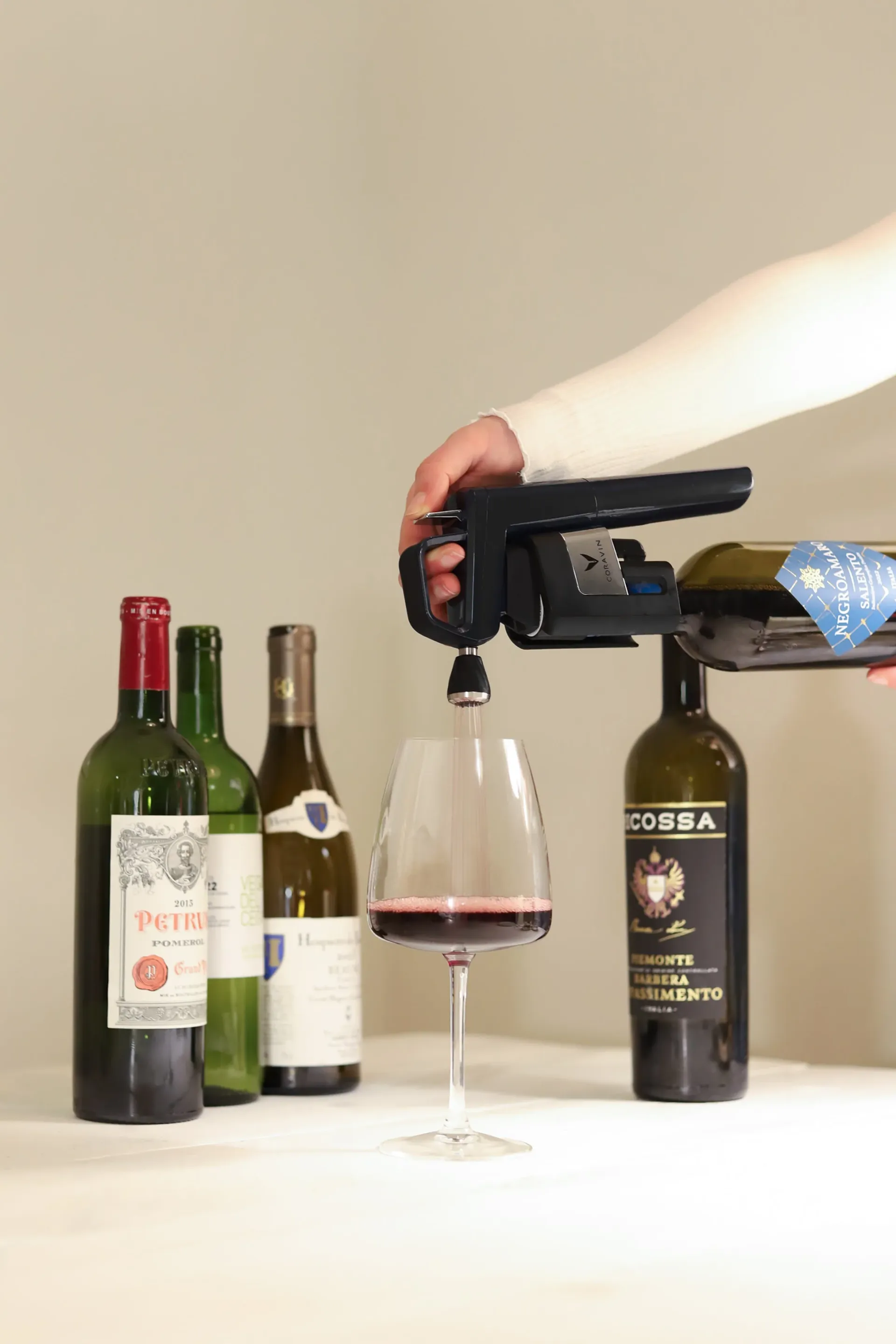
Red Bordeaux
With a vacuum stopper, red wine lasts 3–5 days in a cool environment.
White Bordeaux
White wines last 2–4 days when refrigerated.
Sweet Bordeaux
Sauternes keeps for 7–10 days when properly sealed and chilled.
Building Your Home Cellar: Practical Steps
Start Modestly
Begin with 24–48 bottles. This gives you variety without overwhelming your space or budget.
Organise by Drinking Window
Group wines into:
- Ready to drink
- Medium ageing
- Long-term ageing
This prevents accidental over-ageing.
Use Proper Racks
Horizontal storage keeps corks moist.
Keep a Wine Record
Document:
- Vintage
- Purchase date
- Drinking window
- Storage location
- Personal tastings
This helps you track how wines evolve and when to open them.
Mistakes to Avoid
- Storing wine upright long-term
- Keeping wine in bright rooms
- Placing bottles near radiators or heating vents
- Storing wine in standard refrigerators
- Leaving wine in warm spaces like kitchens
- Forgetting bottles for years without checking their condition
Proper storage is about consistency, not complexity.
Learning About Ageing Through Real Experiences
Travellers often want to deepen their understanding of age-worthy Bordeaux wines, and one of the most engaging ways to do this is to see how wines are aged at the source. Visiting châteaux offers insight into barrel ageing, cellar design, vintage variation, and structural components that determine longevity.
For travellers seeking immersive experiences that enhance their appreciation of Bordeaux and help them choose bottles worth storing, Bordeaux wine tasting tours provide valuable insight into the region’s most distinctive estates.
Final Thoughts on Storing Bordeaux Wine at Home
Storing Bordeaux wine properly allows each bottle to mature into something richer and more expressive than it was when you first bought it. With the right conditions — cool temperatures, moderate humidity, darkness, and stillness — even a modest home can protect wines for years.
For those who want to learn more while travelling, Wine Tours Bordeaux region can give you a deeper understanding of what makes certain wines worth ageing and how to build a collection that reflects your taste and experience.
With care, attention, and a little knowledge, storing Bordeaux wine at home becomes an enriching part of the wine journey — one that transforms every bottle into a story of place, time, and discovery.
