Sparkling Wines in Bordeaux: Crémant and Pétillant Styles Worth Discovering
Beyond the Reds: Bordeaux’s Quiet Sparkle
When travelers think of Bordeaux, they picture deep reds, grand châteaux, and sunlit vineyards rolling toward the Gironde. But there’s another, more effervescent side to the region — one that few visitors know exists.
Bordeaux doesn’t just make still wines; it also crafts sparkling wines, elegant and expressive, that capture the freshness and charm of the Atlantic coast.
Known mainly as Crémant de Bordeaux and pétillant naturel (pét-nat), these wines are redefining what Bordeaux can be. They’re lighter, more playful, and often more accessible — the perfect companions for an afternoon by the river or a celebratory toast in the vineyards.
For travelers exploring the region with Bordeaux Wine Pilgrim, discovering Bordeaux’s sparkling side adds a new dimension to the experience — proof that this classic region still knows how to surprise.
A Brief History of Bordeaux Sparkling Wines
While Champagne often dominates discussions of French sparkling wine, Bordeaux has quietly been producing bubbles for centuries.
The region’s early merchants and traders had strong ties to England, Holland, and northern France — all markets with a taste for lively, sparkling wines. In the 19th century, local producers began experimenting with secondary fermentation in the bottle, inspired by Champagne’s success.
These early attempts evolved into what is now known as Crémant de Bordeaux, officially recognized as an appellation in 1990. Since then, Bordeaux’s sparkling scene has grown steadily, supported by small family estates and innovative young winemakers who see effervescence as a form of creative expression.
Crémant de Bordeaux: The Refined Side of Sparkle
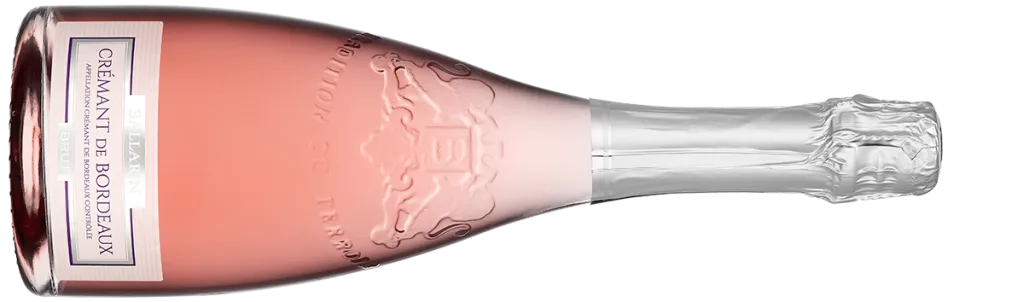
The Name and the Method
Crémant de Bordeaux follows the traditional method — the same used in Champagne. This means the wine undergoes its second fermentation in the bottle, creating natural bubbles and fine mousse.
The name Crémant comes from the French word for “creamy,” referring to the smooth, delicate texture of the bubbles.
Unlike Champagne, Crémant de Bordeaux can be made from a wider range of grape varieties, offering diversity in style and flavour.
The Grapes Behind the Bubbles
Typical blends include:
- Sémillon – brings body and roundness
- Sauvignon Blanc – adds brightness and acidity
- Cabernet Franc – provides red fruit notes in rosé styles
- Merlot – contributes soft fruit and texture
- Muscadelle – lends floral, aromatic charm
The combination of Bordeaux’s maritime climate and its mosaic of soils gives Crémant a unique character — lively, balanced, and distinctly regional.
White, Rosé, and Beyond
Crémant de Bordeaux comes in both white and rosé forms:
- Crémant Blanc: Typically elegant and citrus-driven, with hints of white flowers and green apple.
- Crémant Rosé: Made from red grape varieties, it offers delicate red berry aromas, often with a refreshing, dry finish.
Some producers also experiment with extra brut or zero dosage versions — styles that emphasise purity and mineral freshness over sweetness.
How Crémant Differs from Champagne
Though both use the same production method, Crémant de Bordeaux expresses a warmer, more generous style. The wines are often fruitier and softer, reflecting Bordeaux’s Atlantic influence and grape diversity.
Another difference is price. Crémant offers remarkable value — you can enjoy artisanal, hand-crafted sparkling wine for a fraction of what you’d pay for Champagne.
This accessibility makes Crémant a favourite among locals. In Bordeaux, you’ll often find it poured at weddings, birthdays, or as an aperitif before a meal. It’s part of everyday celebration — refined yet unpretentious.
Pétillant Naturel: Bordeaux’s Modern Spark
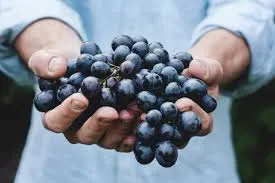
The Natural Movement
In recent years, Bordeaux’s younger winemakers have embraced a trend that’s sweeping through Europe’s artisanal wine scene: pétillant naturel, or pét-nat for short.
Pét-nat wines are made using the ancestral method, the oldest known sparkling technique. Instead of inducing a second fermentation later, winemakers bottle the wine before the first fermentation is complete, allowing the remaining sugars to ferment naturally inside the bottle.
The result? Gentle fizz, cloudy appearance, and a vibrant, unfiltered character — wine that feels alive.
Pét-nat in Bordeaux
Though Bordeaux is famous for its precision and polish, several small producers are experimenting with pét-nat styles, particularly in Entre-deux-Mers, Côtes de Bordeaux, and Blaye.
These wines are often organic or biodynamic, made with minimal intervention and no added sulfur. They showcase a side of Bordeaux that’s youthful, creative, and rooted in environmental awareness.
Pét-nat isn’t about prestige; it’s about playfulness. It’s a picnic wine, a sunset wine, a “share it with friends” wine.
Tasting the Difference
Compared to Crémant, pét-nat is wilder and less predictable — each bottle can be slightly different, depending on the fermentation. Expect aromas of pear, citrus, and white peach, sometimes with yeasty or floral notes.
For travelers who enjoy authenticity and adventure, trying pét-nat in Bordeaux is like hearing a familiar song with a new rhythm — surprising, joyful, and honest.
Visiting Sparkling Producers Around Bordeaux
Bordeaux’s sparkling producers are scattered across the region, often family-run estates balancing Crémant production with still wines. Many welcome visitors for tastings and tours.
A Saint Emilion wine tour with Bordeaux Wine Pilgrim often includes introductions to smaller, lesser-known vineyards where winemakers pour their Crémants alongside traditional reds and whites.
These experiences reveal just how versatile Bordeaux’s terroir can be — capable of producing not only structured reds and golden Sauternes, but also crisp, expressive sparkling wines.
The Art of Enjoying Crémant and Pét-Nat
When to Drink
Unlike Bordeaux’s reds, most sparkling wines are made for early enjoyment. Crémant de Bordeaux and pét-nat are best consumed within two to three years of bottling, when freshness is at its peak.
That said, certain vintage Crémants — especially from limestone-rich areas — can age gracefully for five years or more, developing richer brioche and honey notes.
Serving Tips
- Temperature: Serve well chilled, between 6–8°C.
- Glassware: A white wine glass often works better than a narrow flute, allowing aromas to develop fully.
- Food Pairing: Sparkling wines are some of the most versatile with food. Crémant de Bordeaux pairs beautifully with oysters, grilled fish, or goat’s cheese, while pét-nat matches well with charcuterie, spicy dishes, or even dessert.
In Bordeaux, locals often serve Crémant as an aperitif before a meal — light, refreshing, and welcoming. It’s the taste of conviviality.
Sustainable Sparkle: Eco-Friendly Winemaking
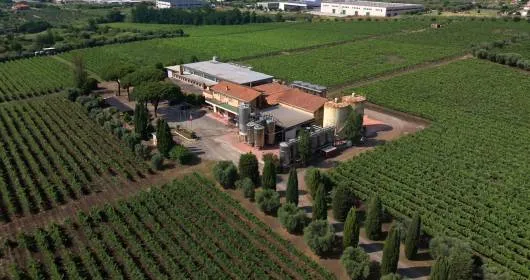
The rise of Crémant and pét-nat coincides with Bordeaux’s broader sustainability movement.
Many producers use organic or biodynamic farming, limit additives, and choose lighter glass bottles to reduce emissions. Pét-nat, in particular, aligns perfectly with minimal-intervention principles — no secondary fermentation additives, no heavy filtration, and often no sulphites.
This makes sparkling wine one of the most environmentally responsible expressions of Bordeaux’s evolving identity.
Sparkling Wines in Bordeaux’s City Scene
In Bordeaux city, sparkling wine is becoming increasingly popular in bars, restaurants, and boutique wine shops.
- Wine bars serve Crémant by the glass, often alongside oysters from Arcachon Bay.
- Bistros and terraces feature pét-nat options for aperitifs or brunch.
- Markets and festivals regularly host tastings, especially during the summer.
This urban enthusiasm mirrors the region’s adaptability — Bordeaux isn’t just about formality and tradition anymore. It’s also about accessibility, energy, and fun.
For travellers, this means sparkling wines aren’t hidden behind château gates; they’re part of everyday city life.
Why Bordeaux’s Sparkling Wines Deserve Attention
In the global market, Crémant de Bordeaux remains under the radar compared to its Loire or Alsace counterparts — and that’s precisely what makes it worth exploring.
It’s authentic, high-quality, and often half the price of similar wines from other regions. Each bottle tells a story of innovation within a deeply traditional landscape.
Pét-nat, meanwhile, captures Bordeaux’s youthful spirit — a reminder that even the world’s most classic wine region can reinvent itself.
The Traveller’s Perspective
For visitors seeking a complete Bordeaux experience, tasting its sparkling wines adds texture and contrast to the journey. After a morning among the vines of Saint-Émilion or Médoc, a glass of Crémant feels like a pause — a moment of brightness before diving back into the reds.
It’s a reminder that Bordeaux, for all its grandeur, is also a place of joy, curiosity, and reinvention.
A tour with Bordeaux Wine Pilgrim brings that duality to life — connecting travelers not just to the wines that made Bordeaux famous, but to those shaping its future.
A Final Reflection: The Sound of Bordeaux
Every bottle of sparkling wine opens with a soft sigh — a moment of anticipation, of celebration. In Bordeaux, that sound carries centuries of history and the promise of renewal.
Whether it’s a Crémant shared at sunset over the Garonne or a pét-nat enjoyed at a vineyard picnic, Bordeaux’s bubbles tell a story of balance — between old and new, craft and creativity, land and life.
The region’s future may be as bright and effervescent as the wines now being poured across its châteaux and city bars.
And for those who explore it glass by glass, Bordeaux continues to sparkle — in every sense of the word.
