The 2025 French Wine Harvest: Recovery, Growth, and What It Means for Bordeaux
The year 2025 is shaping up to be a pivotal one for the French wine industry. After a challenging 2024 vintage marked by disease pressure, hail, frost, and widespread vine removals, this year’s outlook is far more positive. Early forecasts suggest that French wine production could rise to between 40 and 42.5 million hectolitres, representing a strong rebound from last year’s reduced levels. This increase would secure France’s position as the world’s second-largest wine producer, sitting between Italy and Spain in global rankings.
For wine lovers and travellers who follow vineyard news closely, this harvest is especially significant. It marks a return of confidence for regions like Burgundy, Champagne, and the Loire Valley, while in Bordeaux, the focus remains on maintaining quality and consistency despite structural changes in vineyard surface area.
A Climate Shift Favouring the Vines
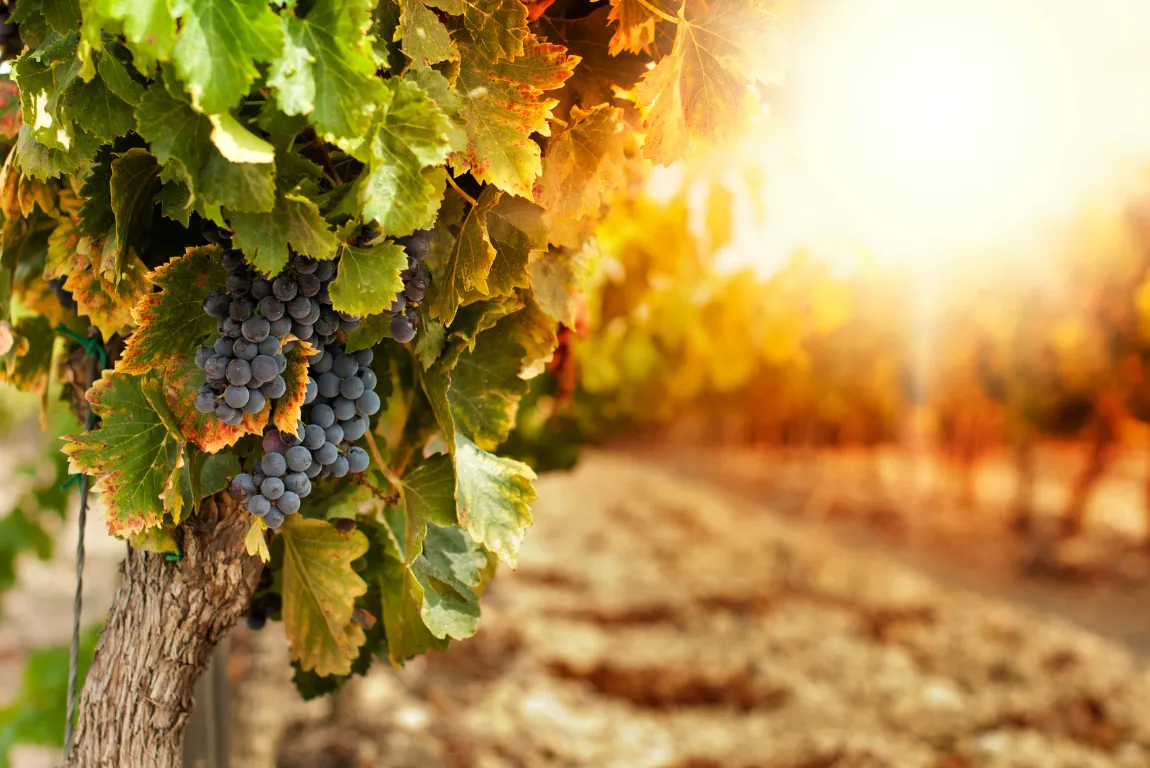
The key factor driving this improvement has been the weather. The 2025 French wine harvest is benefitting from a dry and hot start to summer, which helped suppress the mildew outbreaks that devastated many vineyards in 2024. Growers across France have reported healthier vines, earlier ripening, and more consistent fruit development.
Flowering came early in most regions, setting the stage for an earlier-than-usual harvest. In Bordeaux, grape development is running around ten days ahead of the average, a sign that the coming vintage could be both generous and promising in quality.
Burgundy: A Welcome Bounce Back
Few regions capture the global imagination like Burgundy wine, and the news here is encouraging. Despite a few localised hailstorms, most of the vineyards have seen an excellent growing season. The feared disease pressure of the previous year has not returned at the same scale, allowing for a much healthier crop.
Producers expect higher yields across the Côte d’Or and Chablis. This will come as a relief to consumers worldwide, who have seen prices for top Burgundy wines skyrocket in recent years due to low availability. With a more balanced harvest, Burgundy may finally achieve a level of stability in both supply and pricing.
Champagne: Back to Form

The Champagne harvest is also projected to recover strongly in 2025. Unlike the previous year, the vines have avoided major weather shocks and disease outbreaks. Conditions have remained favourable throughout the season, and yields are expected to return to levels consistent with the region’s long-term average.
This rebound is critical for the global sparkling wine market. Champagne remains the benchmark for sparkling wine worldwide, and with consumption increasing in markets from Asia to the United States, having a healthy 2025 harvest will help meet growing demand without putting unsustainable pressure on supply.
Loire Valley: Above-Average Prospects
The Loire Valley has also seen positive developments. Vineyards here benefitted from early flowering and favourable summer weather. While some localised hail damage occurred, the majority of the region remains on track to deliver a wine volume above the five-year average.
This is particularly exciting for lovers of Sancerre, Muscadet, and Chenin Blanc from Anjou and Vouvray. With the global thirst for fresh, mineral-driven white wines, the Loire’s position in the market is strong, and a larger harvest will help meet demand.
Bordeaux: A Vintage Balancing Change and Continuity
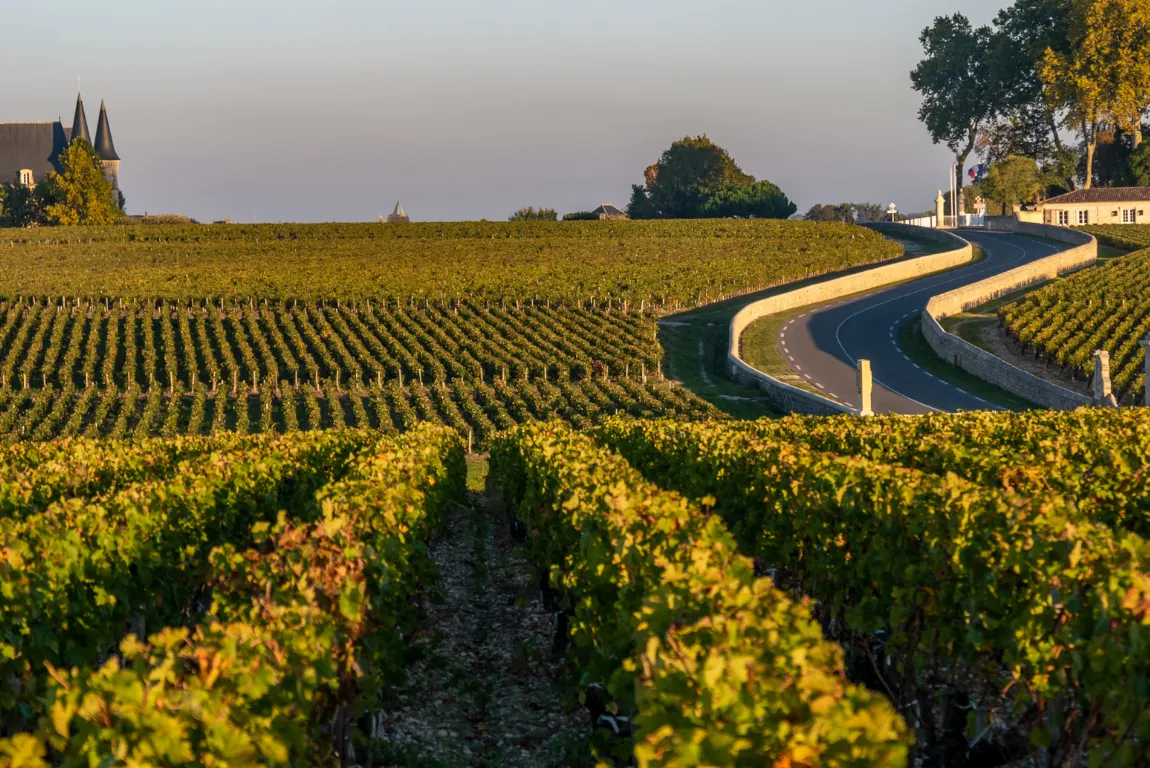
The situation in Bordeaux is slightly more complex. While the 2025 growing season has been favourable, with dry weather reducing disease risks, the region is undergoing a structural transformation. Thousands of hectares of vines have been removed as part of state-backed grubbing-up programmes designed to address overproduction and market imbalance.
Despite the reduction in surface area, the surviving vineyards have performed better this year. Improved yields per vine mean that the overall Bordeaux wine harvest is likely to match the volume of 2024, even with fewer vines in the ground.
For those planning to visit the region, this is an excellent moment to explore not only the world-famous appellations like Médoc, Saint-Émilion, and Pomerol, but also smaller, emerging areas that are benefitting from renewed focus and attention. A saint emilion wine tour remains one of the most rewarding experiences for travellers interested in understanding Bordeaux’s mix of heritage, terroir, and innovation.
Languedoc-Roussillon and the Southwest: Mixed but Promising
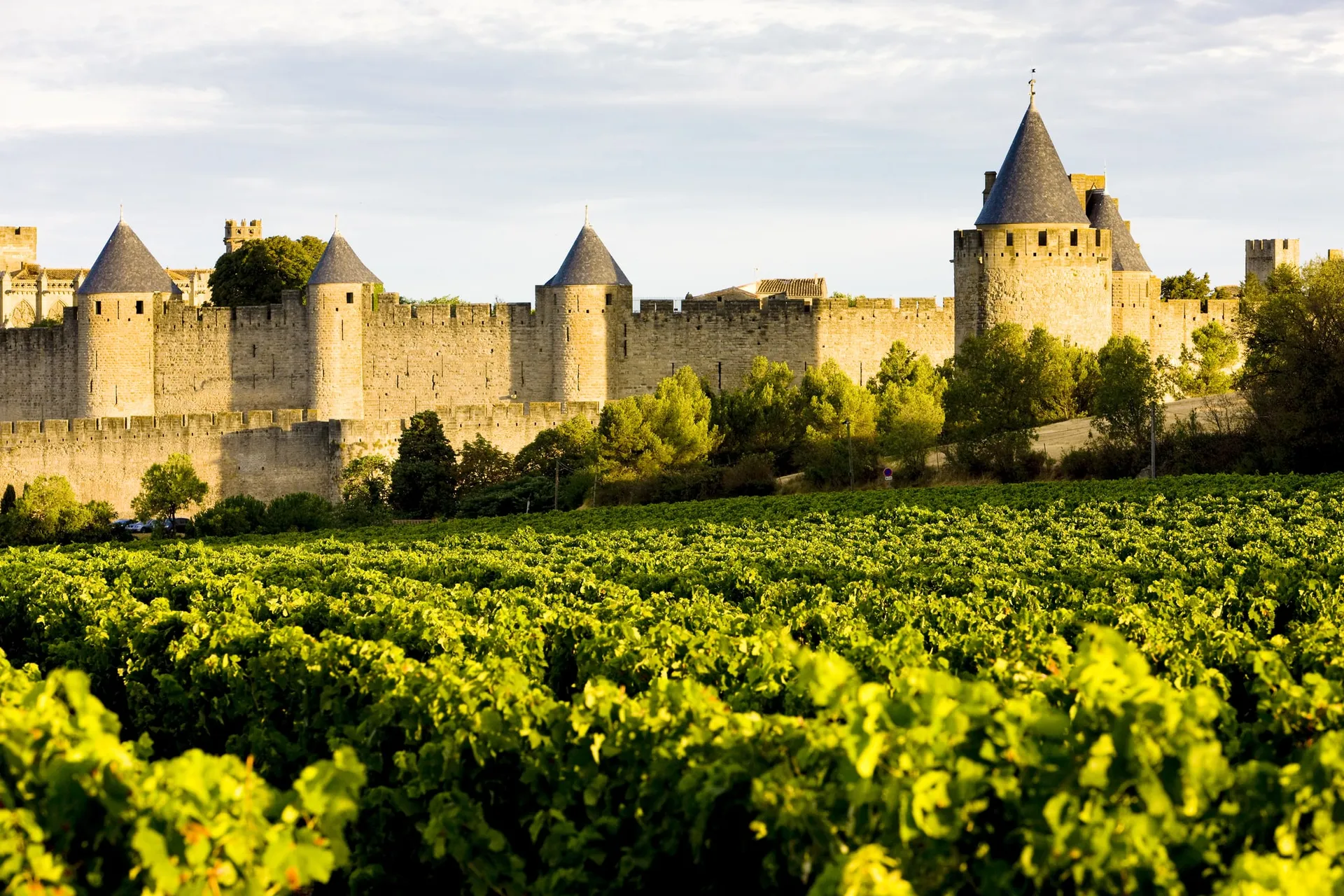
In the Languedoc-Roussillon, one of the largest vineyard areas in France, producers also expect a rise in production compared to last year. Rainfall in spring provided crucial relief for the vines, and conditions since then have been broadly positive.
However, challenges remain. More than 10,000 hectares of vines have been uprooted in this region alone, and some varieties like Grenache have suffered from coulure, a poor fruit set during flowering. Even so, with healthier vineyards overall, the region should deliver more wine in 2025, and importantly, wines of more consistent quality.
Vineyard Grubbing-Up: A Reshaping of the French Landscape
One of the defining features of the 2025 season is the scale of vineyard grubbing-up in France. Across Bordeaux, Languedoc-Roussillon, and the wider southwest, more than 20,000 hectares of vines have been pulled out. This transformation reflects both economic realities and environmental pressures.
On the one hand, France is responding to declining domestic wine consumption and global market shifts. On the other, the removals are an opportunity to refocus on quality, terroir expression, and sustainable vineyard management. For consumers, this could mean fewer wines produced at the lowest commercial levels, but a stronger emphasis on well-made, regionally expressive wines.
Comparing France with Its Neighbours
While France looks set for a rebounding 2025 harvest, neighbouring wine nations show different dynamics. Italy is expecting stable production around 45 million hectolitres, despite its own battles with drought and climate stress. Spain, meanwhile, is forecasting a slightly lower output, estimated at around 37 million hectolitres.
This positions France firmly between its two Mediterranean neighbours in terms of volume, but the country’s unparalleled regional diversity—from Bordeaux and Burgundy to Champagne and Provence—ensures that it retains its global prestige and influence.
Implications for Wine Lovers and Travellers

For wine enthusiasts, the 2025 French wine harvest offers a wealth of possibilities. Larger yields in Burgundy and Champagne will provide greater access to wines that have been scarce in recent years. The Loire Valley will continue to reinforce its status as a producer of fresh, food-friendly whites, while Bordeaux will demonstrate resilience despite structural change.
For travellers considering a trip, this is an ideal time to explore French vineyards. The healthier yields mean estates are more confident, and the sense of optimism is tangible. Visiting Bordeaux during the harvest season is especially rewarding, whether through guided tastings, vineyard walks, or a saint emilion wine tour that connects history, landscape, and the craft of winemaking.
Looking Ahead: Quality and Sustainability
Beyond volume, the true measure of the 2025 vintage in France will be its quality. Early signs suggest that the favourable climate, combined with reduced disease pressure, could lead to excellent wines across many regions. Producers are optimistic not only about yields but also about balance, freshness, and typicity.
Sustainability is also becoming increasingly central. With the pressures of climate change, many estates are adopting practices aimed at soil health, biodiversity, and water management. The removals of large vineyard areas are part of this long-term adaptation, ensuring that French wine remains viable in the decades to come.
Conclusion
The 2025 French wine harvest represents a moment of renewal. After a difficult 2024, growers across France are reporting healthier vines, stronger yields, and improved prospects. Burgundy, Champagne, and the Loire Valley are leading the recovery, while Bordeaux is adapting to a smaller vineyard footprint with renewed focus on quality.
For anyone passionate about wine, this is a vintage worth following closely. And for those planning to immerse themselves in the culture of French vineyards, there is no better way than experiencing it first-hand in Bordeaux. Exploring the landscapes of the Gironde, and embarking on a saint emilion wine tour, connects the promise of the 2025 harvest with centuries of winemaking tradition.
