The Bordeaux Wine Route: How to Understand the Region Through Wine
The Bordeaux wine route is often misunderstood because it is described as a journey you drive rather than a system you read. Maps reduce it to loops and distances, while itineraries turn it into a sequence of tastings. None of this explains how Bordeaux actually works.
Bordeaux is not a linear wine region. It is a network, built around rivers, trade, and stylistic balance. Its “route” exists not on roads, but in relationships: between Left Bank and Right Bank, between structure and texture, between wines built to age and wines built to drink earlier.
For wine travellers trying to make sense of Bordeaux early, it helps to anchor this understanding with a clear reference point. Experiencing the Right Bank first through a Saint Emilion Wine Tour establishes that benchmark, allowing the broader Bordeaux wine route to unfold logically rather than feeling scattered.
Why Bordeaux Does Not Follow a Classic Wine Route Model
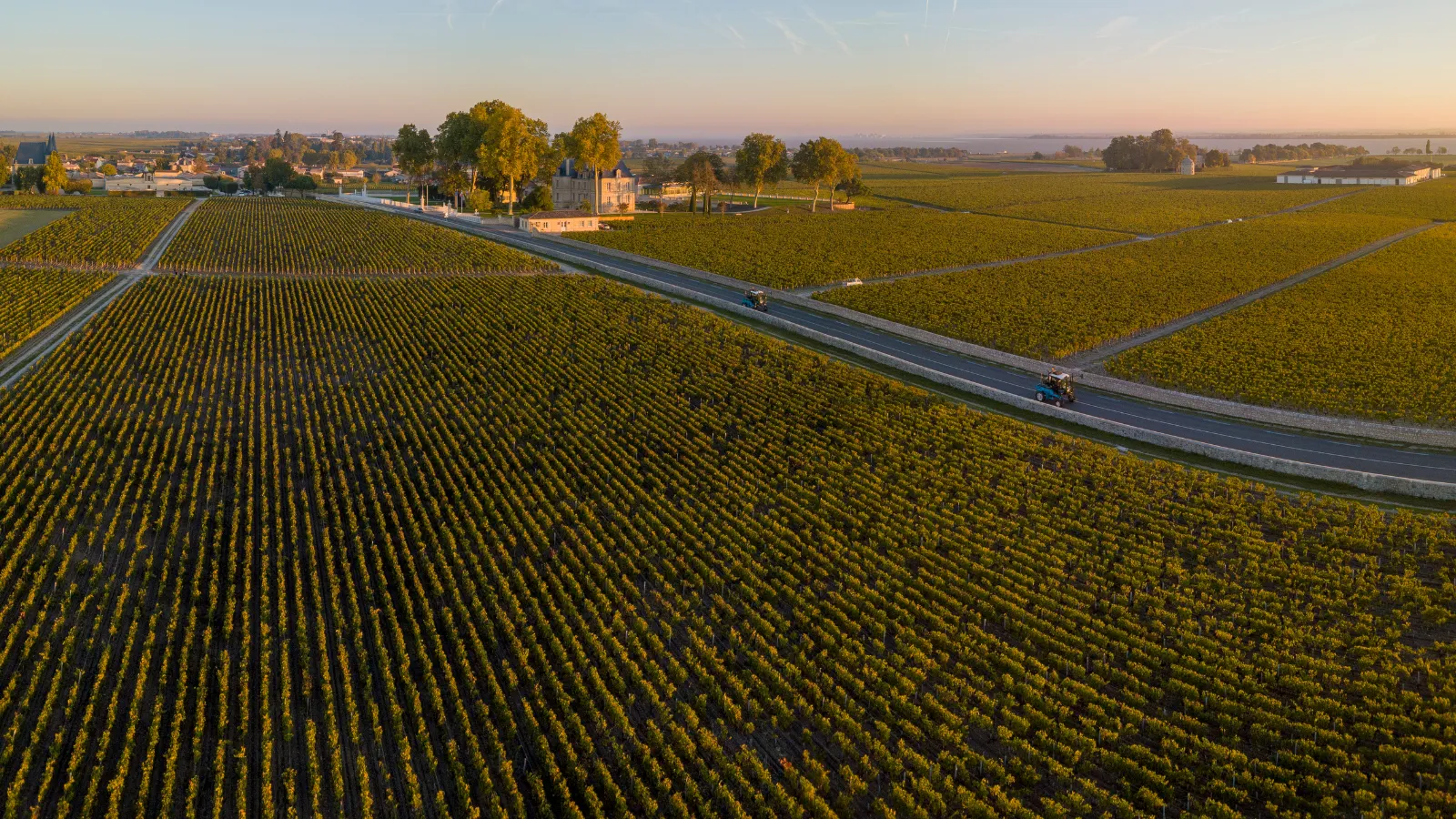
Many famous wine regions follow natural corridors: a single valley, a hillside chain, or a coastline. Bordeaux does not. Its vineyards spread outward from waterways rather than along a single axis.
This difference matters. Bordeaux’s wines were never designed to be discovered gradually along a scenic drive. They were designed to be moved, blended, and sold. Geography served commerce first, tourism much later.
As a result, Bordeaux’s wine route is conceptual. It is about understanding how different areas answer different needs within the same system, not about ticking off stops in order.
The Rivers as Bordeaux’s True Wine Route
If Bordeaux has a spine, it is water.
The Garonne and Dordogne rivers converge north of Bordeaux city to form the Gironde estuary. This water system defines Bordeaux more than any road ever could. It moderates the climate, shapes the soils, and historically dictated which wines could reach markets efficiently.
Regions closest to these waterways gained an advantage early. Their wines travelled more reliably, aged more predictably, and reached international markets sooner. Prestige followed access.
This is why the Bordeaux wine route flows along rivers, not highways.
The Left Bank: Structure as a Route
On the western side of the Garonne and Gironde lies the Left Bank. Its defining feature is gravel — deposited over centuries by river movement, and ideal for drainage.
These soils favour Cabernet Sauvignon, a grape that builds tannin and acidity slowly. Wines from the Left Bank prioritise structure, longevity, and restraint. They were historically suited to export, reinforcing Bordeaux’s reputation abroad.
Following the Bordeaux wine route through the Left Bank is not about discovery or surprise. It is about understanding how endurance became identity in Bordeaux.
This part of the route teaches patience.
The Right Bank: Texture as Counterbalance
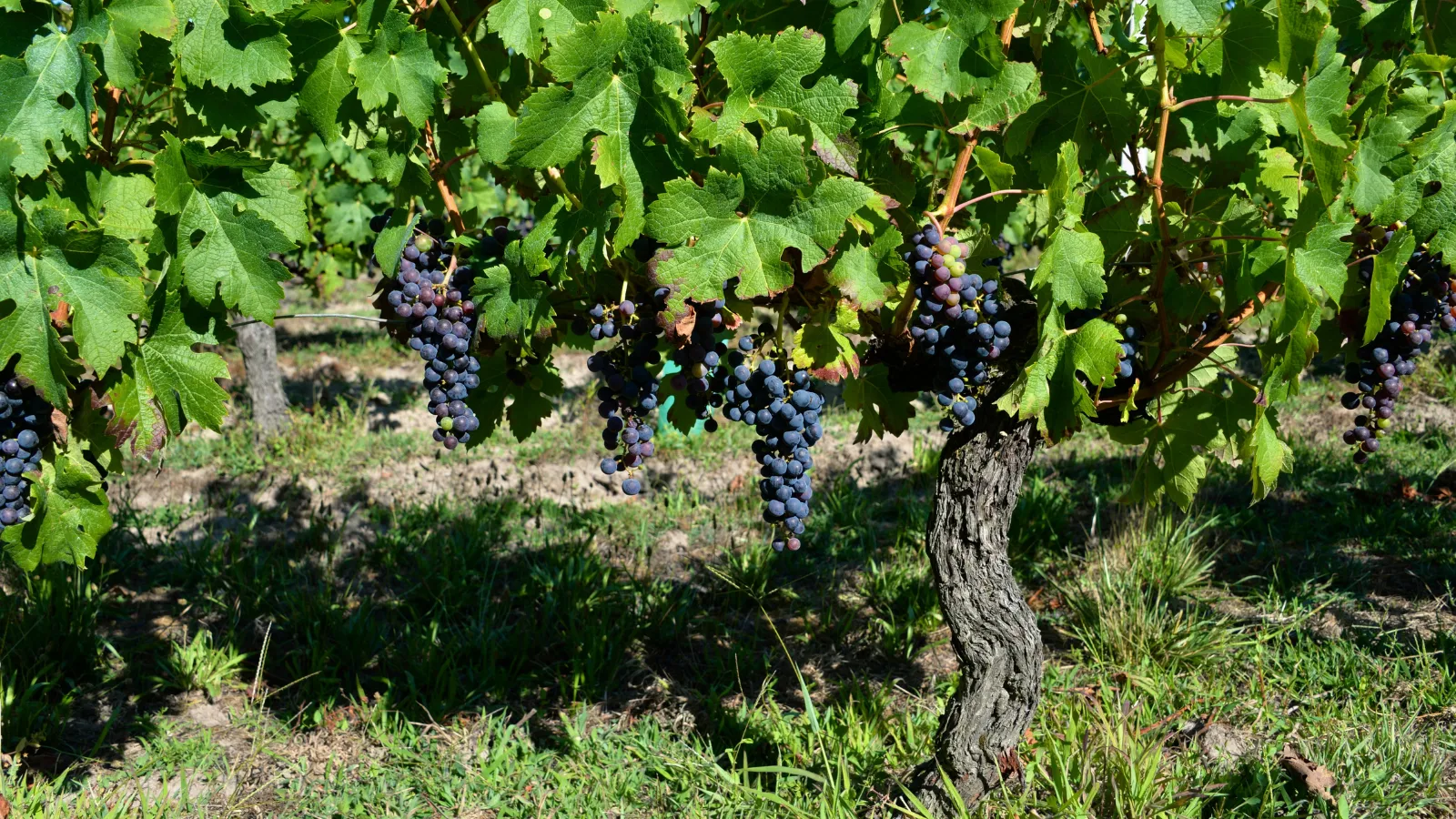
East of the Dordogne, the Right Bank follows a different internal logic. Clay and limestone dominate, retaining water and favouring Merlot and Cabernet Franc.
Wines here feel rounder, more textural, and accessible earlier. Historically, they were consumed closer to home before achieving global recognition later. Their role within the Bordeaux wine route is not dominance, but balance.
Without the Right Bank, Bordeaux would lean too heavily toward austerity. With it, the region speaks in more than one register.
Why the Bordeaux Wine Route Is About Sequence, Not Distance
One of the most common mistakes wine lovers make is treating the Bordeaux wine route as interchangeable stops. In Bordeaux, order matters.
Structured wines tasted too early overwhelm the palate. Textural wines tasted too late lose contrast. Bordeaux is unforgiving of randomness but highly rewarding of intention.
The route works best when wines are experienced in a sequence that mirrors their internal logic: clarity before power, texture before structure, understanding before accumulation.
Bordeaux as a Network, Not a Line
Unlike scenic wine routes, Bordeaux functions as a network:
- Rivers connect regions
- Blending connects styles
- Trade connects history
Movement alone explains nothing. Context explains everything.
This networked structure is why Bordeaux feels intimidating at first — and why it becomes coherent once relationships are understood.
Why Bordeaux Wine Routes Are Often Misrepresented
Tourism narratives often simplify Bordeaux into loops and day trips. While practical, this approach strips the region of meaning.
By focusing on logistics rather than logic, Bordeaux is reduced to a checklist. Wine becomes secondary to movement.
For serious wine lovers, this is deeply unsatisfying. Bordeaux demands engagement with why wines taste the way they do, not just where they are poured.
Understanding Bordeaux Before Following It
Before following any Bordeaux wine route physically, it helps to establish a stylistic anchor. Knowing how Bordeaux expresses structure, balance, and texture gives meaning to every subsequent tasting.
This is why many wine travellers benefit from starting on the Right Bank. A Saint Emilion Wine Tour provides that clarity, allowing the broader Bordeaux wine route to be read as a system rather than consumed as a list.
Structuring a Serious Multi-Day Bordeaux Wine Route
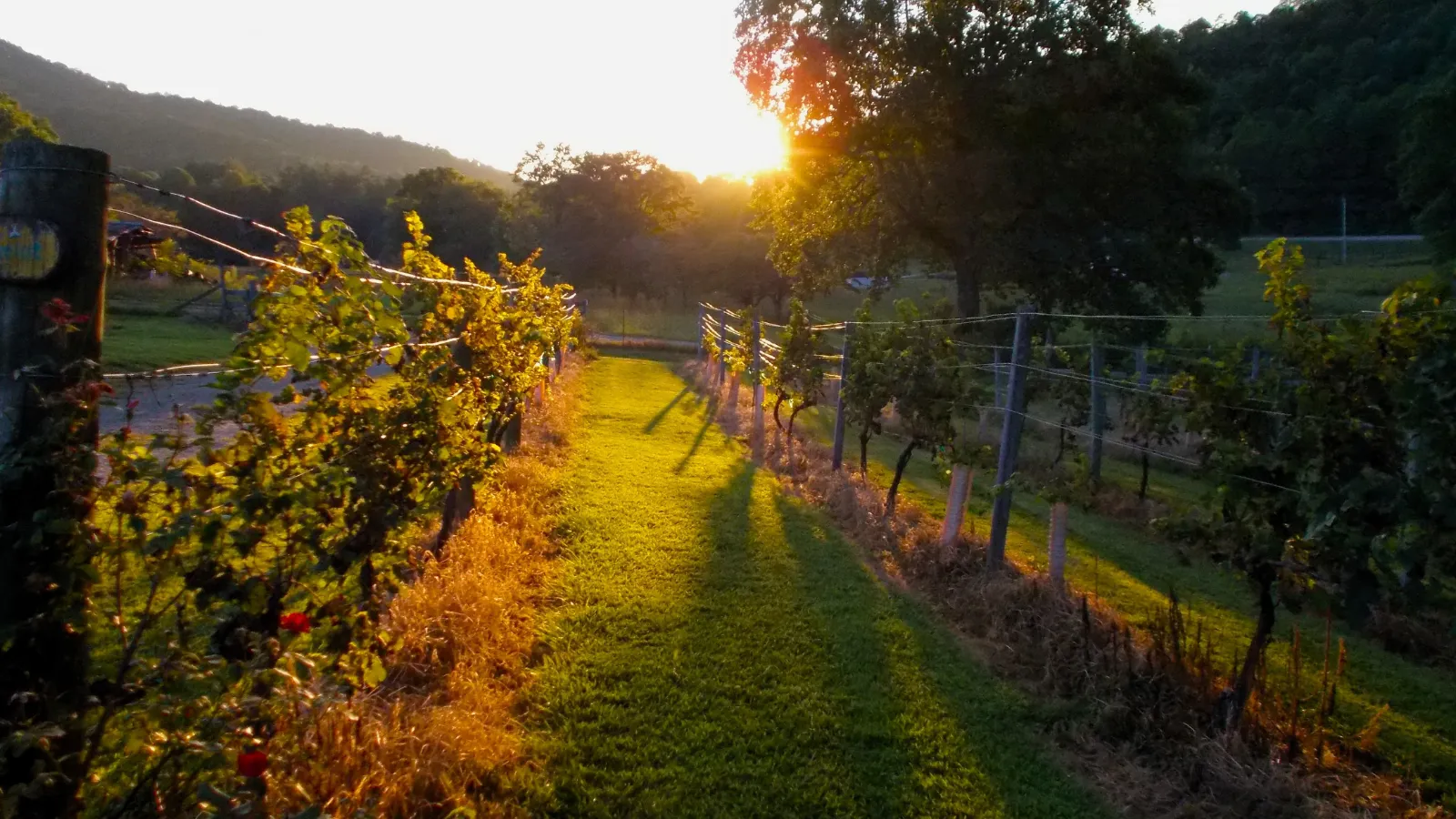
Once Bordeaux is understood as a network rather than a line, planning a wine route becomes far simpler — and far more effective. The mistake most visitors make is attempting to cover everything in a short time, moving physically faster than their understanding can follow.
A serious Bordeaux wine route works best when it is structured around contrast over time, not density in a single day. This means allowing each part of the region to establish its voice before introducing the next.
Early days are best dedicated to clarity: wines that explain Bordeaux’s core principles without overwhelming the palate. Later days can then introduce structure, depth, and variation with purpose.
The goal is not efficiency. It is comprehension.
How Left Bank and Right Bank Complement Each Other Over Time
The most revealing Bordeaux wine routes alternate between the Left Bank and the Right Bank rather than isolating them.
The Left Bank teaches structure, restraint, and longevity. Its wines require attention and patience, often showing their intent more clearly with context than with immediacy. They establish Bordeaux’s architectural framework.
The Right Bank introduces texture, approachability, and mid-palate expression. Its wines often feel more accessible, but their true value lies in how they soften and humanise Bordeaux’s structure.
Experienced wine lovers quickly realise that neither side makes full sense on its own. The Bordeaux wine route only becomes coherent when both banks are experienced as counterweights, not competitors.
Why Repetition Matters More Than Coverage
One of Bordeaux’s greatest strengths — and greatest challenges — is consistency. Wines share a family resemblance that only reveals nuance through repetition.
This is why repetition matters more than coverage. Tasting several wines built on similar principles trains the palate to recognise proportion, balance, and intention. Jumping constantly between styles blunts this learning.
A well-designed Bordeaux wine route, therefore, includes intentional overlap. Wines are not chosen to impress individually, but to clarify differences collectively.
This approach turns Bordeaux from a demanding region into an instructive one.
Common Mistakes When “Doing” the Bordeaux Wine Route
Several recurring mistakes flatten the Bordeaux experience, even for knowledgeable wine lovers.
One is prioritising reputation over logic — a misunderstanding that often begins with misreading classification and appellation, something explored in how to read Bordeaux wine labels. Famous names clustered together often result in tastings that feel heavy and indistinct. Another is ignoring pacing — tasting too many structured wines without a reset or contrast.
A subtler mistake is expecting immediacy. Bordeaux rarely reveals itself instantly. Wines often require context, comparison, and time to communicate clearly.
Understanding these pitfalls transforms the Bordeaux wine route from an endurance test to an intellectual journey.
Why Bordeaux Rewards Return Visits
Unlike regions built around novelty, Bordeaux deepens with familiarity. First visits establish vocabulary. Subsequent visits refine understanding.
Wines that once felt reserved begin to feel precise. Differences between areas become legible. Structure feels intentional rather than severe.
This is why so many serious wine lovers return to Bordeaux repeatedly. The region does not exhaust itself. It clarifies itself.
A well-understood Bordeaux wine route is never finished — it evolves alongside the taster.
Bordeaux’s Role Within Wine Routes in France
Within the wider landscape of wine routes in France, Bordeaux occupies a distinct role. It is not the most dramatic, nor the most expressive. It is the most systematic.
Where other regions teach terroir intimacy or varietal purity, Bordeaux teaches organisation at scale. It shows how a region can remain coherent across vast distances, multiple styles, and centuries of change.
This makes Bordeaux an essential reference point. Once its logic is understood, other French wine regions become easier to read by comparison.
A Closing Reflection
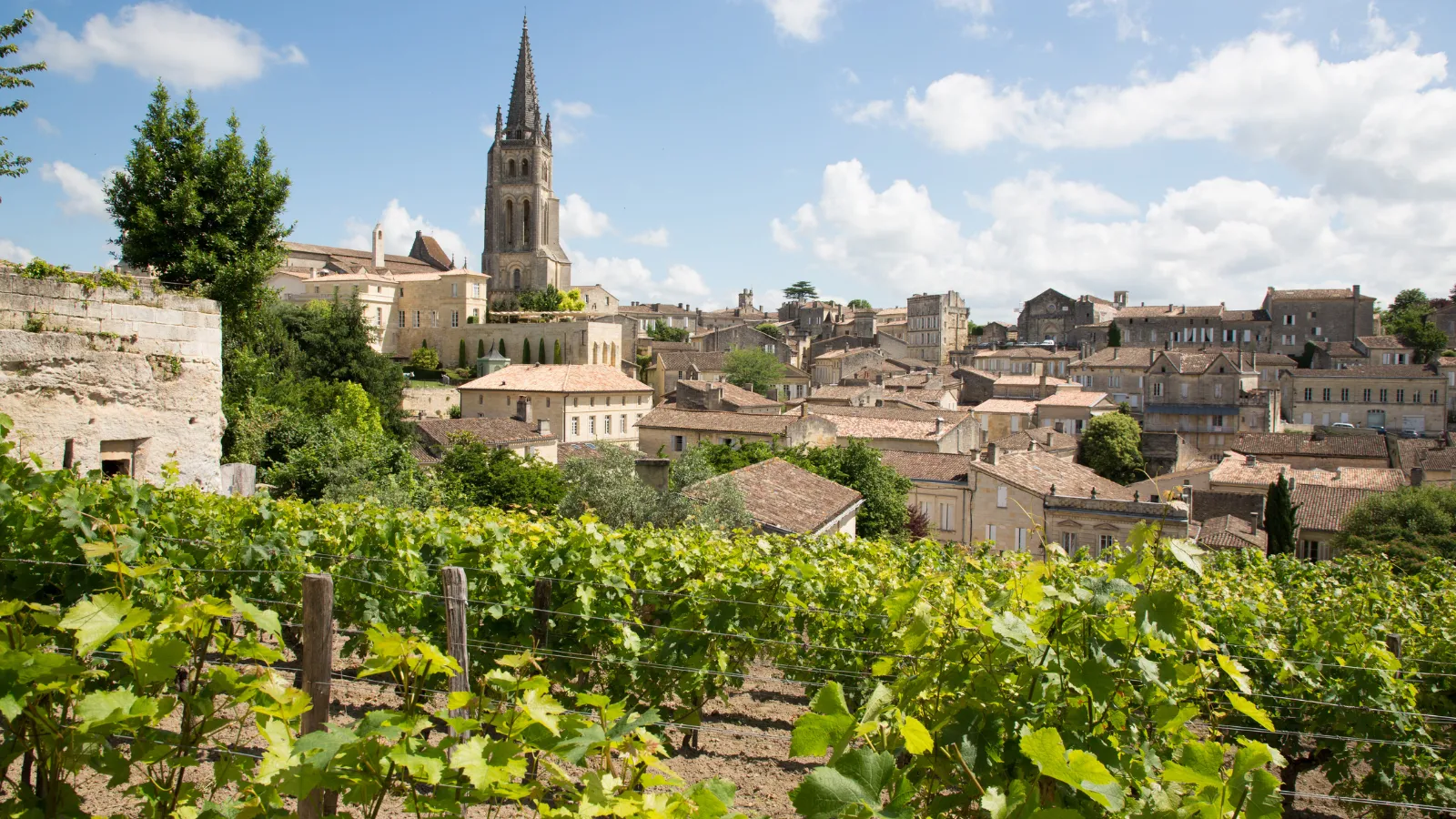
The Bordeaux wine route is not a path to be completed. It is a structure to be understood.
Its meaning lies not in distance travelled or bottles tasted, but in relationships recognised: between rivers and soils, between texture and structure, between immediacy and endurance.
For wine lovers willing to slow down, sequence thoughtfully, and resist the urge to “do it all”, Bordeaux reveals itself as one of the most coherent wine systems in the world.
And for those beginning that journey, anchoring understanding with a clear Right Bank reference remains one of the most effective starting points. Experiencing Bordeaux through a Saint Emilion Wine Tour provides that foundation — allowing the rest of the Bordeaux wine route to unfold with clarity rather than confusion.
