Which Bordeaux Regions Are Best for Drinking Young vs Ageing Long-Term
One of the most persistent myths about Bordeaux is that all its wines require long ageing. This belief intimidates new drinkers and oversimplifies a region whose greatest strength is diversity. In reality, Bordeaux produces wines across a wide spectrum of drinking windows, from bottles designed for immediate pleasure to those built patiently for decades.
Understanding which Bordeaux regions are best for drinking young and which reward long-term ageing is not about prestige or price. It is about structure, soil, grape composition, and philosophy. Once you understand these factors, Bordeaux becomes far easier — and far more enjoyable — to navigate.
What Determines Whether a Bordeaux Wine Ages or Drinks Young
Ageing potential in Bordeaux is not accidental. It is shaped by a combination of tannin, acidity, alcohol balance, and fruit concentration. Understanding the science of tannins helps explain why some Bordeaux wines feel structured and built for decades while others soften earlier and drink beautifully in youth.
Crucially, Bordeaux wines are blended to achieve balance rather than to maximise immediate impact. Whether that balance favours early drinking or long ageing depends on regional identity.
Regions That Shine When Drunk Young
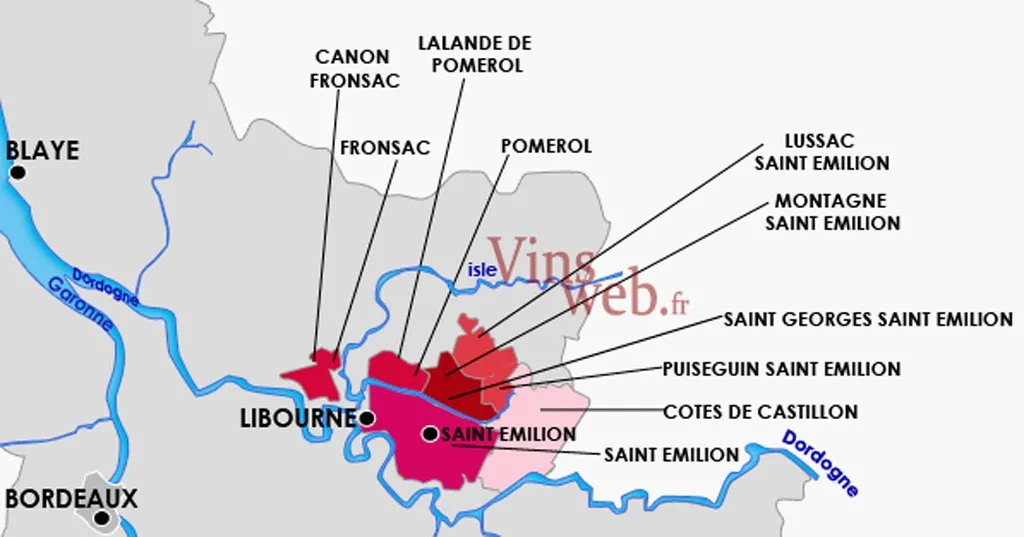
Some Bordeaux regions naturally produce wines that are expressive, supple, and enjoyable within a few years of release. These wines prioritise texture and fruit over long-term structure.
Bordeaux Supérieur and Everyday Bordeaux
At the broadest level, Bordeaux Supérieur and basic Bordeaux appellations are designed for early consumption. These wines are typically Merlot-led, with modest tannins and minimal oak influence. They are made to be enjoyed within three to five years, offering straightforward fruit, softness, and balance.
They play an important role in Bordeaux’s ecosystem by providing accessibility rather than longevity.
Fronsac and Canon-Fronsac
Fronsac and Canon-Fronsac occupy an interesting middle ground. Built on clay and limestone, these Right Bank regions produce wines that often drink well relatively young, offering plush Merlot texture with enough structure to hold for a decade.
They rarely require long cellaring to be enjoyable, yet they can surprise with mid-term complexity. These are regions for drinkers who enjoy Bordeaux without waiting a lifetime.
Lalande-de-Pomerol
Lalande-de-Pomerol benefits from proximity to Pomerol without matching its intensity or price. Wines here are typically softer, rounder, and more immediately generous. While the best examples can age gracefully for ten years or more, most are at their best within five to eight years.
These wines are ideal for those seeking Right Bank character without the need for extended cellaring.
Regions That Bridge Early Pleasure and Ageing
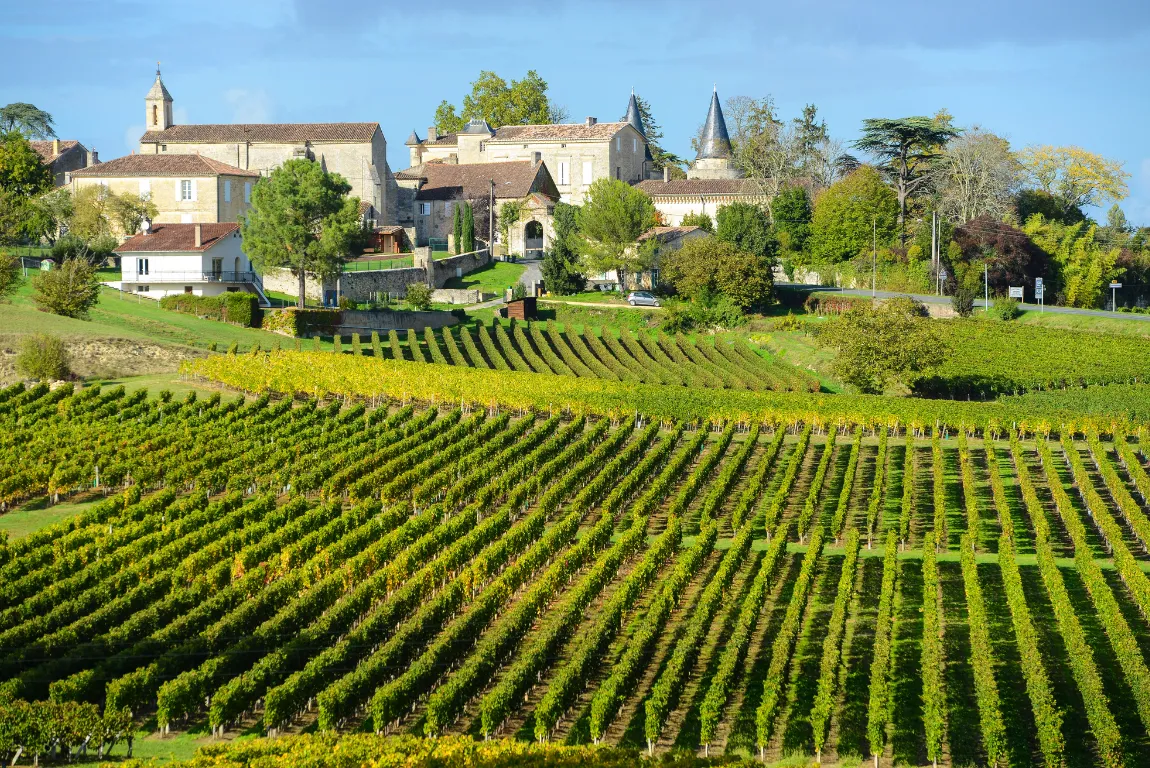
Some Bordeaux regions produce wines that are approachable relatively early but also capable of evolving meaningfully over time. These are often the most versatile wines to own.
Saint-Émilion
Saint-Émilion is highly diverse, but many of its wines strike a balance between early charm and long-term potential. Limestone-driven estates offer freshness and structure, while clay-based vineyards provide richness and texture.
Many Saint-Émilion wines are enjoyable within five years yet continue to improve for two decades or more. This duality is why the appellation appeals to such a wide audience.
Pessac-Léognan
Pessac-Léognan excels in controlled evolution. Both red and white wines often show well within a few years, yet they are built with sufficient structure to age gracefully.
Gravel soils provide tannin discipline, while careful oak use ensures integration rather than dominance. This makes Pessac-Léognan one of the most reliable regions for those who want flexibility in drinking windows.
Regions Built for Long-Term Ageing
Certain Bordeaux regions are fundamentally structured for longevity. These wines may be austere in youth, but patience is richly rewarded.
The Médoc and Haut-Médoc
The Médoc’s gravel soils are legendary for a reason. Médoc and Haut-Médoc produce Cabernet Sauvignon-dominant wines with firm tannins, preserved acidity, and restrained alcohol.
These wines often require ten to fifteen years to begin showing their full complexity, and the finest examples can evolve for several decades. They are wines of structure, not immediacy.
Pauillac, Saint-Julien, and Saint-Estèphe
Within the Médoc, appellations such as Pauillac, Saint-Julien, and Saint-Estèphe are particularly age-worthy.
Pauillac delivers power and depth, Saint-Julien offers balance and harmony, while Saint-Estèphe emphasises structure and resilience. These wines are rarely at their best young. Time is an essential ingredient.
Sauternes and Long-Lived Whites
Ageing is not exclusive to red Bordeaux. Sweet wines from Sauternes and the finest dry whites from regions like Pessac-Léognan can age extraordinarily well.
High acidity, sugar balance, and careful oak integration allow these wines to evolve for decades, developing complexity far beyond their youthful profiles.
How Climate Change Is Shifting Drinking Windows
Climate change has subtly altered Bordeaux’s ageing patterns. Warmer vintages have softened tannins and increased approachability, allowing some traditionally austere wines to drink earlier. However, structure has not disappeared.
Instead, the best producers now harvest earlier, adjust extraction, and manage oak carefully to preserve balance. As a result, many wines now offer earlier pleasure without sacrificing longevity.
This evolution is particularly noticeable in regions like the Médoc and Pessac-Léognan.
Choosing Bordeaux Based on How You Drink
If you enjoy:
- Immediate pleasure
- Soft texture
- Minimal cellaring
Look toward Right Bank satellite appellations and approachable Saint-Émilion styles.
If you enjoy:
- Gradual evolution
- Savoury complexity
- Long-term rewards
Gravel-driven Left Bank wines and structured appellations will suit you best.
Learning to match region to drinking habits is one of the most empowering steps a Bordeaux lover can take.
This understanding often deepens when tasting across regions during Bordeaux Wine Tours, where wines can be compared at different stages of maturity.
A Practical Bordeaux Cellar Strategy
A balanced Bordeaux cellar does not choose between young and old — it embraces both. Early-drinking wines provide pleasure now, while age-worthy bottles mature quietly alongside them.
Bordeaux’s greatest strength is that it allows this balance within a single region.
For those seeking to experience this diversity firsthand — understanding how structure, soil, and time interact — Wine Tours Bordeaux region offer insight that no tasting note can replicate.
Final Reflection: Bordeaux as a Spectrum, Not a Rule
Bordeaux is not defined by a single drinking window. It is a spectrum of possibilities shaped by terroir and intent.
Some wines are meant to be enjoyed young, vibrant, and generous. Others are meant to wait, unfolding slowly over the years into something deeper and more complex.
Understanding where each region sits on that spectrum transforms Bordeaux from an intimidating name into an endlessly rewarding one.
