Wine Etiquette: Do’s and Don’ts at Tastings & Restaurants
Why Wine Etiquette Matters More Than You Think
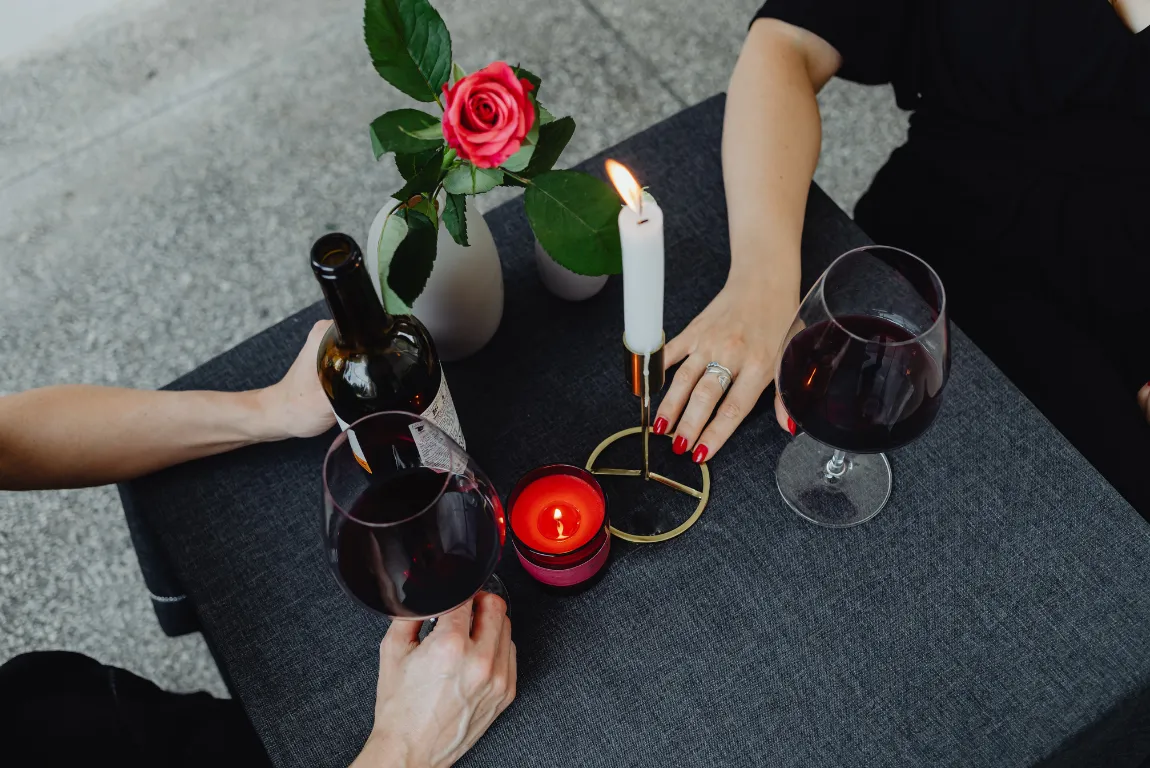
Travellers exploring Bordeaux are often surprised by how relaxed and welcoming the wine culture feels in the region. Winemakers open their doors, hosts greet visitors warmly, and tastings unfold in peaceful chais surrounded by barrels and vines. Yet beneath this friendly atmosphere lies a quiet tradition of wine etiquette — not rules to intimidate visitors, but customs that make tastings smoother, more enjoyable, and more respectful for everyone involved.
Wine etiquette is not about pretence or performance. In fact, locals prefer a simple, natural approach. But knowing a few do’s and don’ts helps travellers feel confident, whether visiting a Grand Cru Classé, joining a guided tasting in a medieval village, or ordering a bottle at a restaurant in Bordeaux’s historic centre.
This long-form guide explains everything you need to know — in a practical, friendly way — so you can taste and explore Bordeaux wines with ease and authenticity.
Understanding the Spirit of Wine Etiquette
It’s About Respect, Not Formality
Good wine etiquette is rooted in:
- Respect for the winemaker
- Respect for the wine
- Respect for the pacing of the tasting
- Respect for your fellow tasters
No one expects perfect behaviour. You are not being tested. Wine culture here is relaxed. But thoughtful gestures improve the experience for everyone.
Wine Is a Cultural Dialogue
Wine etiquette also helps travellers connect more deeply with Bordeaux’s traditions, from the elegance of a Médoc château to the rustic charm of a Saint-Émilion cellar.
Before You Arrive: Essential Preparations
Make a Reservation When Visiting Vineyards
In Bordeaux, reservations are nearly always required, even for small estates.
This helps wineries:
- Prepare the tasting room
- Allocate staff
- Open specific vintages
- Avoid overcrowding
Arriving without notice — especially during harvest — risks disappointment.
Dress Comfortably, Not Formally
You do not need elegant attire. Choose:
- Comfortable walking shoes
- Neutral clothing
- Layers (cellars can be cool)
Avoid strong perfumes or colognes — these interfere with aromas.
Eat Lightly Before the Tasting
Tastings often involve several wines. Eating lightly keeps your senses sharp and prevents overwhelming tannins or alcohol.
The Moment You Arrive: First Impressions Matter
Be on Time
Winemakers often schedule tastings between vineyard work, blending, or cellar management. Arriving late disrupts their rhythm.
Greet Your Host Warmly
Simple politeness beats sophistication every time. A warm “Bonjour” sets the tone.
Handle Glasses Gently
Hold glasses by the stem, not the bowl. This:
- Prevents fingerprints
- Avoids warming the wine
- Shows respect for the tasting
The Tasting Itself: Do’s and Don’ts
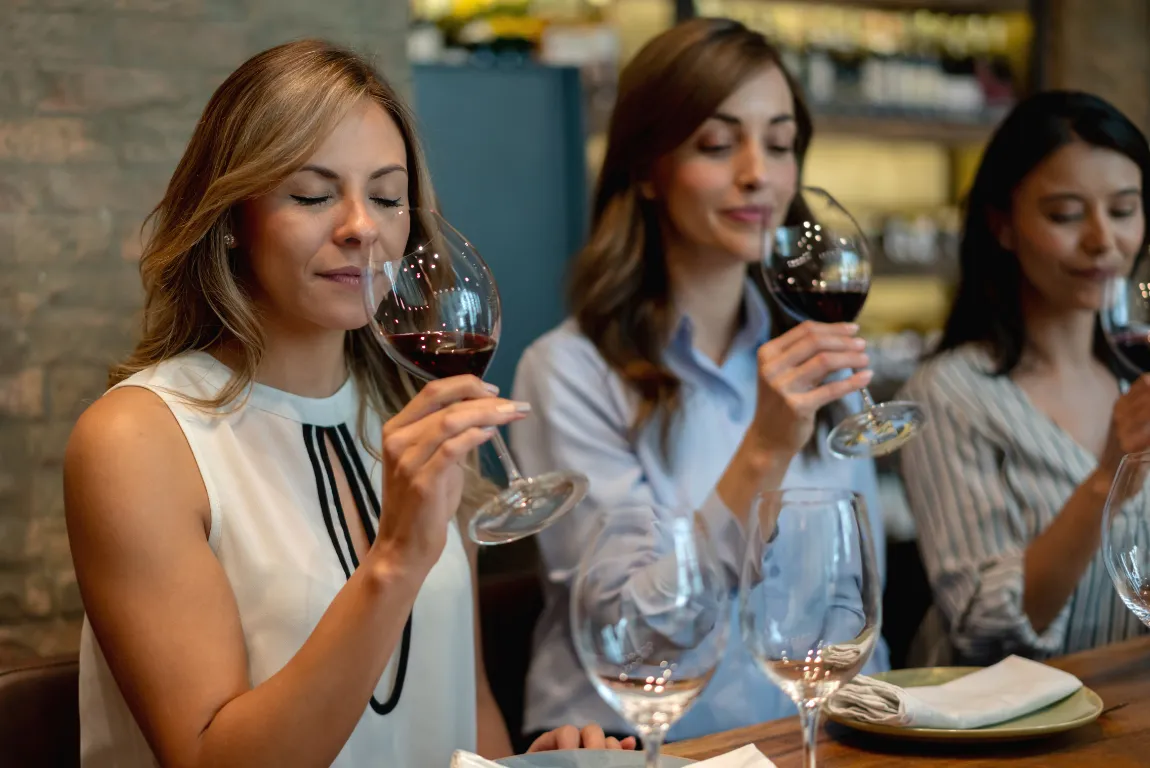
DO: Observe the Wine Before Smelling or Tasting
Take a moment to look at the colour, clarity, and legs. This ritual shows appreciation and helps you understand the wine’s age, grape variety, and body.
DON’T: Rush Straight to Drinking
Wine unfolds gradually. Let it speak first.
DO: Swirl Gently
A slow, elegant swirl releases aromas and oxygenates the wine slightly.
DON’T: Splash the Wine
Over-swirling risks, spilling, and looking inexperienced. Keep movements smooth.
DO: Smell the Wine Properly
Use both the first sniff (before swirling) and the second sniff (after swirling) to detect:
- Fruit
- Flowers
- Earth
- Spice
- Oak
Wine professionals use smell far more than taste.
DON’T: Stick Your Nose Too Far In
This intensifies alcohol fumes. Keep a little distance.
DO: Taste Slowly
Let the wine roll across your palate. Pay attention to:
- Texture
- Freshness
- Weight
- Tannins
- Finish
DON’T: Feel Pressured to Identify Exact Fruits
General impressions (“red fruit”, “black fruit”, “floral”) are perfectly acceptable.
DO: Use the Spittoon
Spitting is normal — even at high-end châteaux. It allows you to taste multiple wines without becoming lightheaded.
DON’T: Feel Embarrassed About It
Spitting is part of wine culture, not a sign of disrespect.
Asking Questions: The Gentle Art of Engagement
DO: Ask Questions — Winemakers Love Curiosity
Great questions include:
- “How old are your vines?”
- “How did this vintage differ from last year?”
- “What do you look for when blending?”
- “How does your soil affect flavour?”
Enthusiasm is welcome.
DON’T: Ask About Ratings or Scores
Locals prefer discussions about terroir, craft, and tradition rather than critic scores.
Buying Wine: What’s Expected?
DO: Buy a Bottle If You Enjoy the Experience
It’s not mandatory, but it’s appreciated.
DON’T: Feel Obligated to Purchase
Winemakers understand that travellers may not want to carry bottles during their trip.
Wine Etiquette in Restaurants
Choosing a Bottle
You are not expected to be an expert. Sommeliers love guiding guests.
- Tell them your budget
- Mention flavour preferences
- Let them offer suggestions
When the Bottle Arrives
- Check the label — ensure it’s the correct wine.
- The sommelier pours a small sample for you.
- Smell and sip to confirm the wine is sound.
You are checking for faults, not quality.
Cork Issues: What to Do
If the wine smells like:
- Wet cardboard
- Damp cupboard
- Mould
- Dull, muted fruit
…it may be “corked.” Politely mention it. Restaurants replace faulty bottles without hesitation.
Pouring Etiquette
- Hosts pour for guests
- Glasses should never be filled to the top
- Keep your glass by the stem
Group Tastings: How to Navigate Shared Experiences
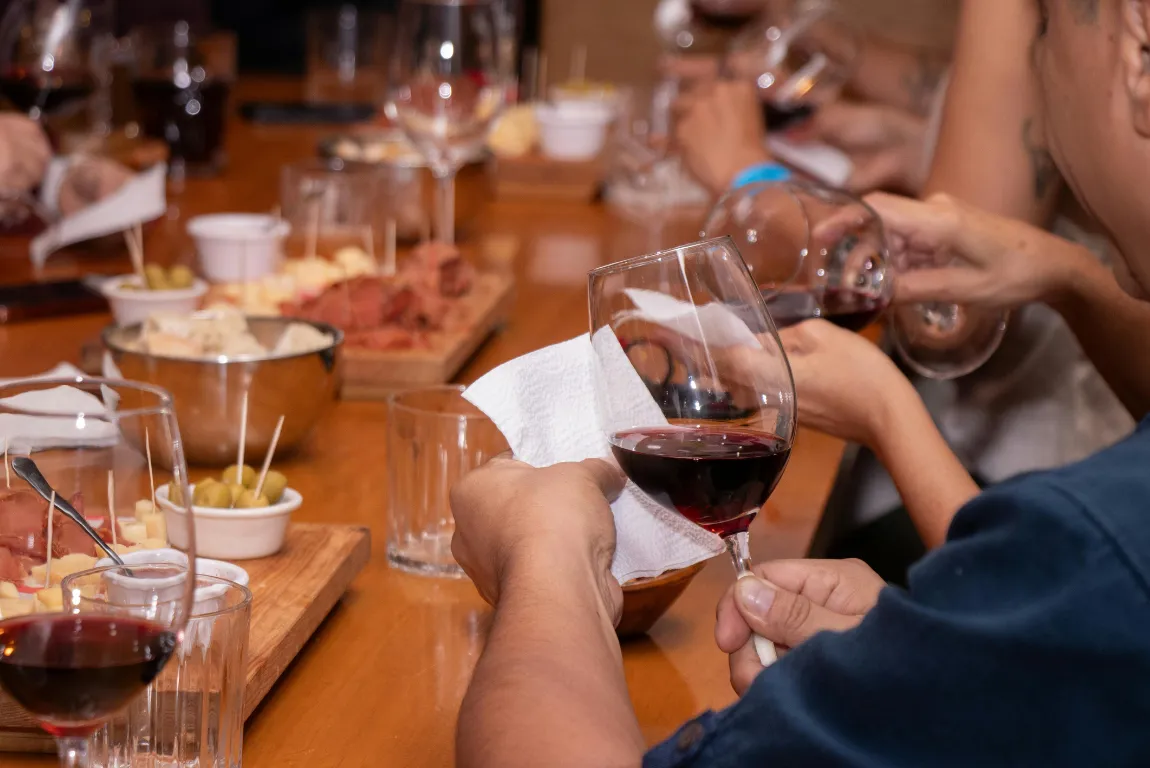
DO: Share Impressions Softly
Group tastings are enjoyable when everyone listens.
DON’T: Dominate the Conversation
Let others explore in their own way.
DO: Give Space at the Tasting Table
People need room to swirl and smell without bumping elbows.
Understanding Cultural Differences
In Bordeaux, Wine Is a Conversation, Not a Performance
Locals care more about honest appreciation than displays of knowledge.
Silence Is Acceptable
Smelling and thinking quietly is part of the ritual.
No One Expects You to Know Everything
Wine is a lifelong learning journey.
Handling Mistakes Gracefully
Everyone makes mistakes when tasting:
- Sloshing wine
- Mispronouncing names
- Forgetting to spit
- Asking simple questions
Winemakers rarely mind. They appreciate enthusiasm more than expertise.
How to Enjoy a Tasting Fully as a Traveller
Engage the Senses
Notice:
- Light in the cellar
- Barrel scents
- Vineyard sounds
- Temperature shifts
These shape your perception of the wine.
Take Notes or Photos
It helps remember favourites later.
Slow Down
Wine is best enjoyed without haste.
Building Confidence Through Guided Wine Experiences
Many travellers feel more confident when guided by a local expert who explains wine etiquette step by step. Immersive vineyard visits and tastings through Bordeaux Wine Tours allow guests to focus on enjoyment while learning traditions naturally.
Do’s and Don’ts Summary (For Quick Recall)
Do:
- Arrive on time
- Hold the glass by the stem
- Smell before tasting
- Ask thoughtful questions
- Use the spittoon without hesitation
- Respect the winemaker’s time
Don’t:
- Wear a strong perfume
- Rush the tasting
- Pretend to detect specific notes
- Criticize vintages or ratings
- Swirl aggressively
Final Reflections: Etiquette Enhances the Experience, Not the Ego
Wine etiquette is not about appearing sophisticated. It is about creating a respectful, enjoyable experience that honours the work behind each bottle. Travellers who embrace these small gestures find that wine tastes better, conversations deepen, and connections with Bordeaux’s winemakers become more meaningful.
Whether you are sitting in a Michelin-starred restaurant or exploring a rustic cellar carved into limestone, understanding wine etiquette enhances every moment — and the region reveals itself more beautifully through thoughtful engagement.
For visitors ready to explore the full charm of Bordeaux’s vineyards with confidence and ease, personalized experiences such as Wine Tours Bordeaux region offer the perfect introduction to wine culture, etiquette, and the stories that shape each glass.
