Barsac Wines Explained: The Elegance of Sweet Bordeaux
Within the diversity of the Bordeaux wine region, few wines demonstrate the same balance between sweetness and freshness as the wines of Barsac. While Bordeaux is globally known for its structured red wines, the southern vineyards of the region produce some of the world’s most remarkable sweet wines.
Barsac sits within the historic Sauternes wine area, yet it maintains its own appellation identity due to the distinctive style of its wines. Instead of the richness sometimes associated with sweet wines, Barsac often displays finesse, precision, and freshness.
These wines owe their existence to a rare natural phenomenon known as noble rot, a fungal transformation that concentrates the sugars and aromas of the grapes.
For travellers discovering Bordeaux, encountering sweet wines such as Barsac often reveals a completely different side of the region during a Saint Emilion Wine Tour, where visitors explore not only famous red wine appellations but also the unique sweet wine traditions that exist further south.
Understanding Barsac therefore reveals one of the most elegant and historically significant expressions of Bordeaux winemaking.
The Geography of Barsac
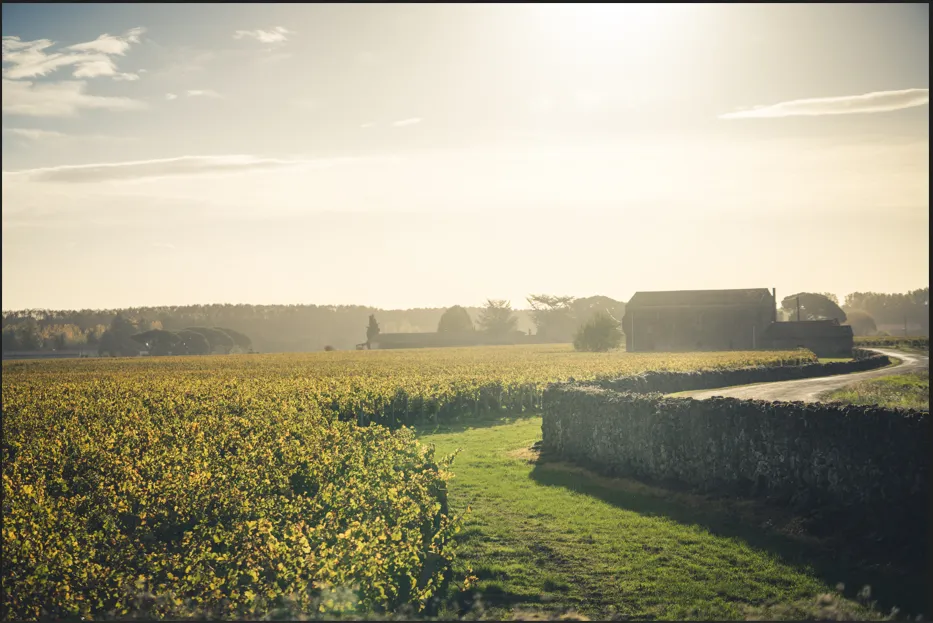
Barsac is located south of the city of Bordeaux along the Garonne River. The village lies within the broader Sauternes area but benefits from its own appellation designation because of the distinctive character of its wines.
The geography of the region plays a fundamental role in the creation of these sweet wines.
Two rivers meet near Barsac: the warm Garonne River and the cooler Ciron River. When the cool air from the Ciron meets the warmer Garonne waters during autumn mornings, mist forms across the vineyards.
This mist provides the humidity required for the development of Botrytis cinerea, the fungus responsible for noble rot.
As the day warms and the mist lifts, sunlight dries the grapes. This cycle of morning humidity and afternoon warmth allows the grapes to concentrate rather than rot completely.
Visitors travelling through vineyards surrounding Barsac can see how closely the vineyards follow the river valleys where these conditions occur.
Noble Rot: The Key to Sweet Bordeaux
The defining feature of Barsac wines is the development of noble rot.
Botrytis cinerea penetrates the skins of the grapes, allowing water to slowly evaporate from the fruit. As moisture decreases, sugars and flavour compounds become highly concentrated.
The grapes gradually shrivel, producing fruit that contains remarkable sweetness and complexity.
However, noble rot develops unevenly. Some grapes reach the perfect stage while others remain unaffected.
Because of this, harvesting in Barsac requires exceptional care.
Pickers must pass through the vineyard multiple times, selecting only the grapes that have reached the ideal concentration. This process, known as tries, is extremely labour intensive.
The careful selection of grapes contributes to the rarity and quality of Barsac wines.
The Grape Varieties of Barsac
Barsac wines are usually produced from a blend of three grape varieties.
Sémillon forms the foundation of most Barsac wines. Its thin skins make it highly susceptible to noble rot, allowing it to develop honeyed flavours and rich texture.
Sauvignon Blanc adds acidity and aromatic freshness, balancing the wine’s sweetness.
Muscadelle, used in smaller amounts, contributes delicate floral aromas.
Together these varieties create wines that combine sweetness with vibrancy.
Rather than feeling heavy or overly rich, Barsac wines often show remarkable elegance.
The Limestone Terroir of Barsac
One of the most important factors that distinguishes Barsac wines from neighbouring Sauternes wines is the presence of limestone soils.
Barsac vineyards sit on limestone plateaus that retain moisture while providing excellent drainage. These soils help preserve acidity in the grapes, which contributes to the freshness that characterises Barsac wines.
Because of this geological foundation, Barsac wines often appear lighter and more refined than some of the richer wines produced in nearby Sauternes.
The influence of limestone soils can be clearly seen in the wine’s balance between sweetness and acidity.
For readers interested in understanding how Bordeaux’s wine areas function geographically, the subject is explored in The Bordeaux Wine Regions Explained: How the Region Really Works, which examines how different parts of Bordeaux produce dramatically different wine styles.
Harvesting the Grapes
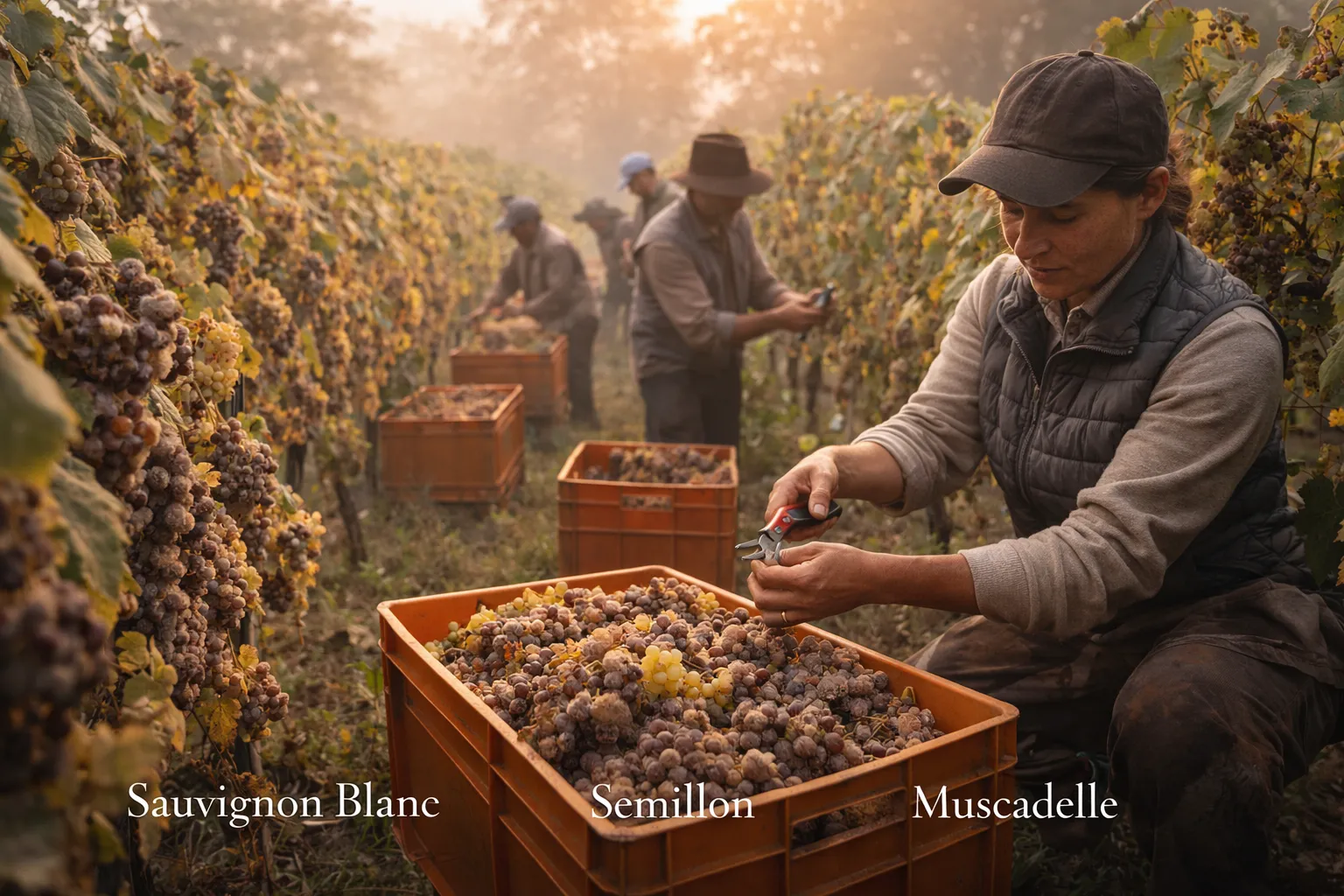
Harvesting grapes in Barsac is unlike harvest in most wine regions.
Because noble rot develops unevenly, grapes cannot be harvested all at once.
Instead, vineyard workers move slowly through the vines, selecting individual grapes that have reached the ideal stage of concentration.
This process may require several passes through the same vineyard.
Each pass collects only a small portion of the crop.
The result is extremely low yields, but grapes of exceptional concentration.
This careful harvesting process is one of the reasons Barsac wines achieve such remarkable complexity.
Winemaking in Barsac
After harvesting, grapes are pressed gently to extract their concentrated juice.
Because noble rot reduces the water content of the grapes, large quantities of fruit are required to produce even a small amount of wine.
Fermentation begins slowly due to the high sugar concentration of the juice.
Winemakers must carefully monitor fermentation to ensure balance between sweetness and alcohol.
Many Barsac wines are aged in French oak barrels, where they remain for twelve to twenty-four months.
This ageing process allows the wine to develop additional layers of aroma while integrating sweetness and acidity.
The result is a wine that is both rich and refined.
Aromas and Flavours of Barsac Wines
Barsac wines display a remarkable aromatic range.
Young wines often show aromas of apricot, honey, citrus peel, and white flowers.
With age, these wines develop deeper flavours.
Notes of marmalade, dried fruits, saffron, and toasted almonds may appear as the wine matures.
Despite their sweetness, Barsac wines rarely feel heavy.
Their natural acidity keeps the wines lively and balanced.
This freshness is one of the defining characteristics of the appellation.
The Ageing Potential of Barsac
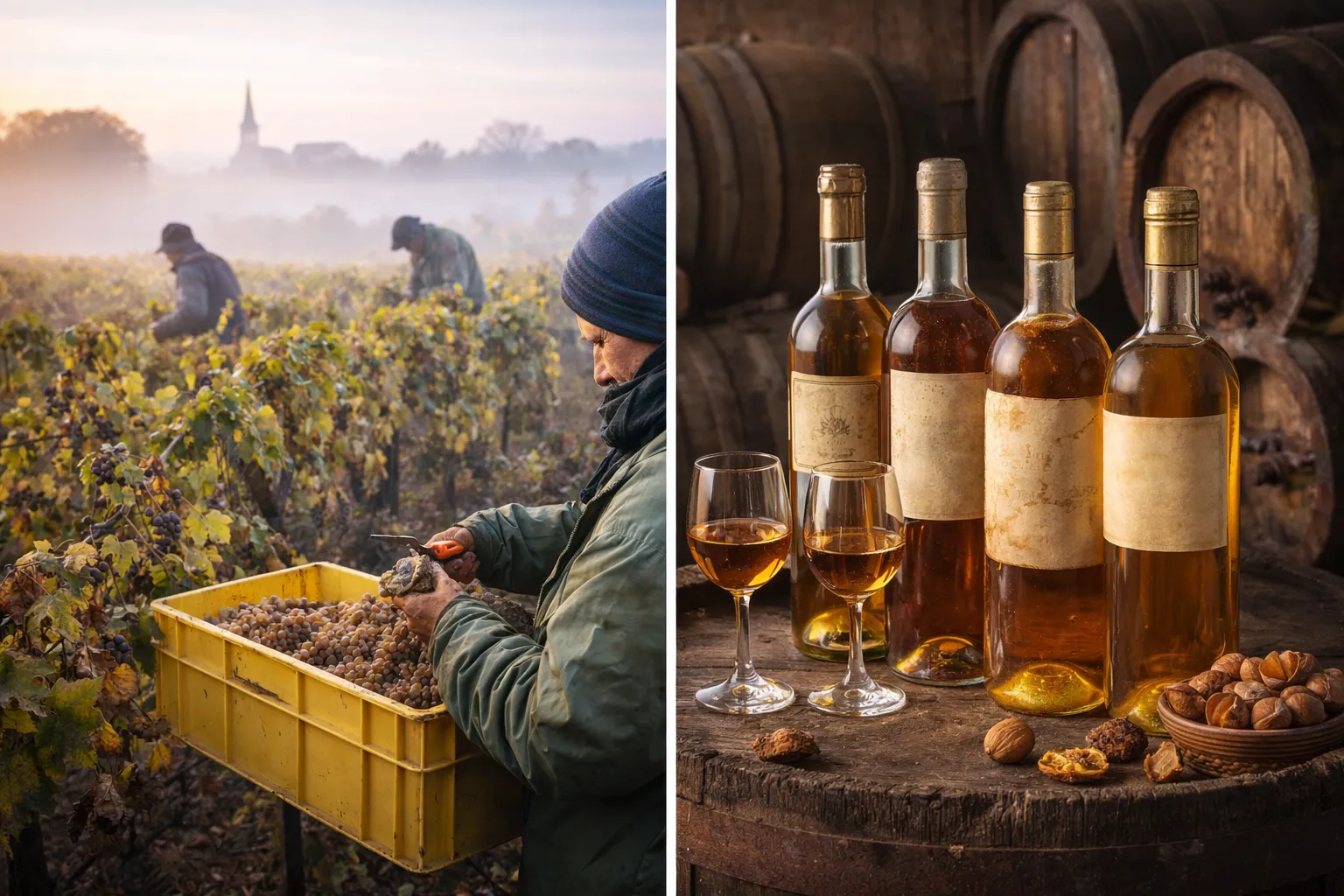
Barsac wines are capable of extraordinary ageing.
The combination of sugar, acidity, and concentration allows these wines to evolve slowly for decades.
Young Barsac wines often display bright fruit and floral aromas.
As they mature, more complex flavours develop, including caramel, roasted nuts, and spice.
Some bottles can age for thirty years or longer.
This longevity makes Barsac wines particularly appealing to collectors.
Experiencing Barsac Wines in Bordeaux
For travellers visiting Bordeaux, tasting Barsac wines offers a completely different perspective on the region’s winemaking traditions.
Walking through vineyards during autumn, when morning mist rises from the rivers and grapes begin to concentrate under noble rot, reveals how delicate the conditions for these wines truly are.
Many visitors discover this diversity while exploring Bordeaux during a Saint Emilion Wine Tour, where tasting wines from different appellations demonstrates how dramatically Bordeaux wine styles can vary across the region.
Experiencing Barsac wines within their natural landscape reveals how closely they are tied to the environment.
The Elegant Face of Sweet Bordeaux
Barsac wines represent one of Bordeaux’s most refined wine traditions.
Through the influence of noble rot, limestone soils, and careful harvesting practices, these wines achieve an exceptional balance between sweetness and freshness.
For wine lovers seeking to explore Bordeaux beyond its famous red wines, Barsac offers a remarkable example of how terroir and patience combine to produce wines of extraordinary elegance.
Among the sweet wines of Bordeaux, Barsac remains one of the region’s most graceful and distinctive expressions.
