Bordeaux Wine Colours Explained: Understanding the Full Spectrum
The Bordeaux wine region, centred around Bordeaux city centre, is often reduced to a single image — a glass of deep, structured red wine. Yet this simplified view hides one of Bordeaux’s most defining strengths: its diversity.
Wine colour in Bordeaux is not just visual. It reflects decisions made in the vineyard, the cellar, and over time. Each shade — whether deep ruby, pale gold, or amber — represents a different expression of terroir, grape variety, and winemaking philosophy.
For travellers, this diversity becomes clearer when moving across the region. The transition from powerful reds to precise whites and complex sweet wines is best understood through experience, often while exploring different appellations during a Saint Emilion Wine Tour, where each style reveals a new dimension of Bordeaux.
Red Bordeaux Wines: Depth, Extraction and Evolution
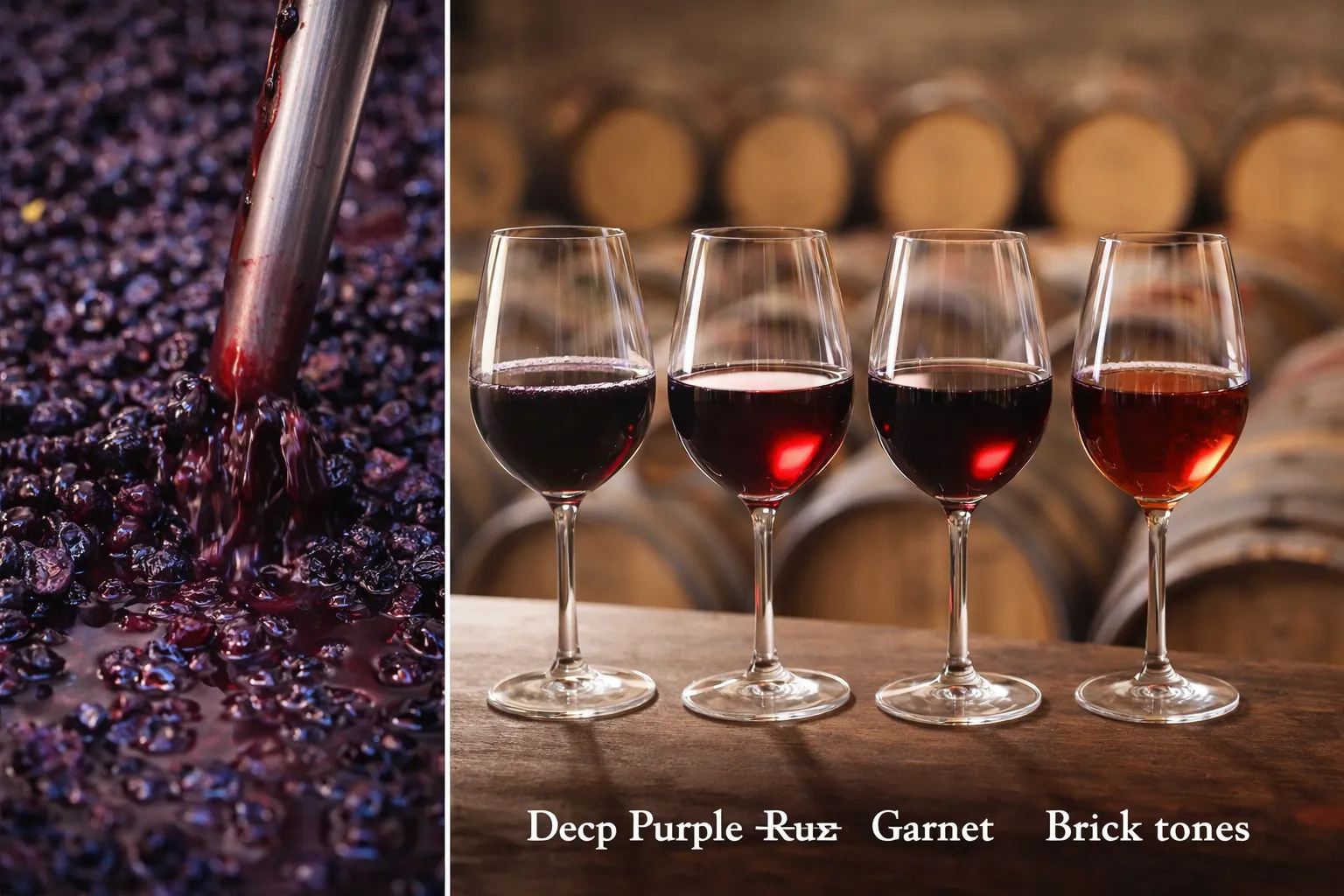
Red wines form the backbone of Bordeaux’s identity, and their colour is the most visually striking.
The deep hues of young Bordeaux reds come from extended skin contact during fermentation, where pigments and tannins are extracted from grape skins. This process not only defines colour but also structure.
What shapes red wine colour
- length of maceration during fermentation
- grape variety and skin thickness
- level of ripeness at harvest
- ageing in oak barrels
Young Bordeaux reds often appear deep purple or ruby, signalling intensity and structure. Over time, these colours evolve, softening into garnet and brick tones as the wine ages.
This visual transformation mirrors the evolution of the wine itself — from power to refinement.
The Subtle Differences Across Bordeaux Reds
Not all Bordeaux reds share the same visual profile.
Geography influences both the intensity and tone of colour. Wines from gravel-heavy soils tend to appear darker and more structured, while those from clay and limestone soils may show slightly softer tones.
How terroir affects colour
- gravel soils → deeper, more concentrated hues
- clay soils → softer, rounder colour tones
- limestone → brightness and finesse in appearance
These differences are subtle but meaningful, reflecting how terroir shapes not only flavour but also visual identity.
Bordeaux White Wines: Light, Clarity and Precision
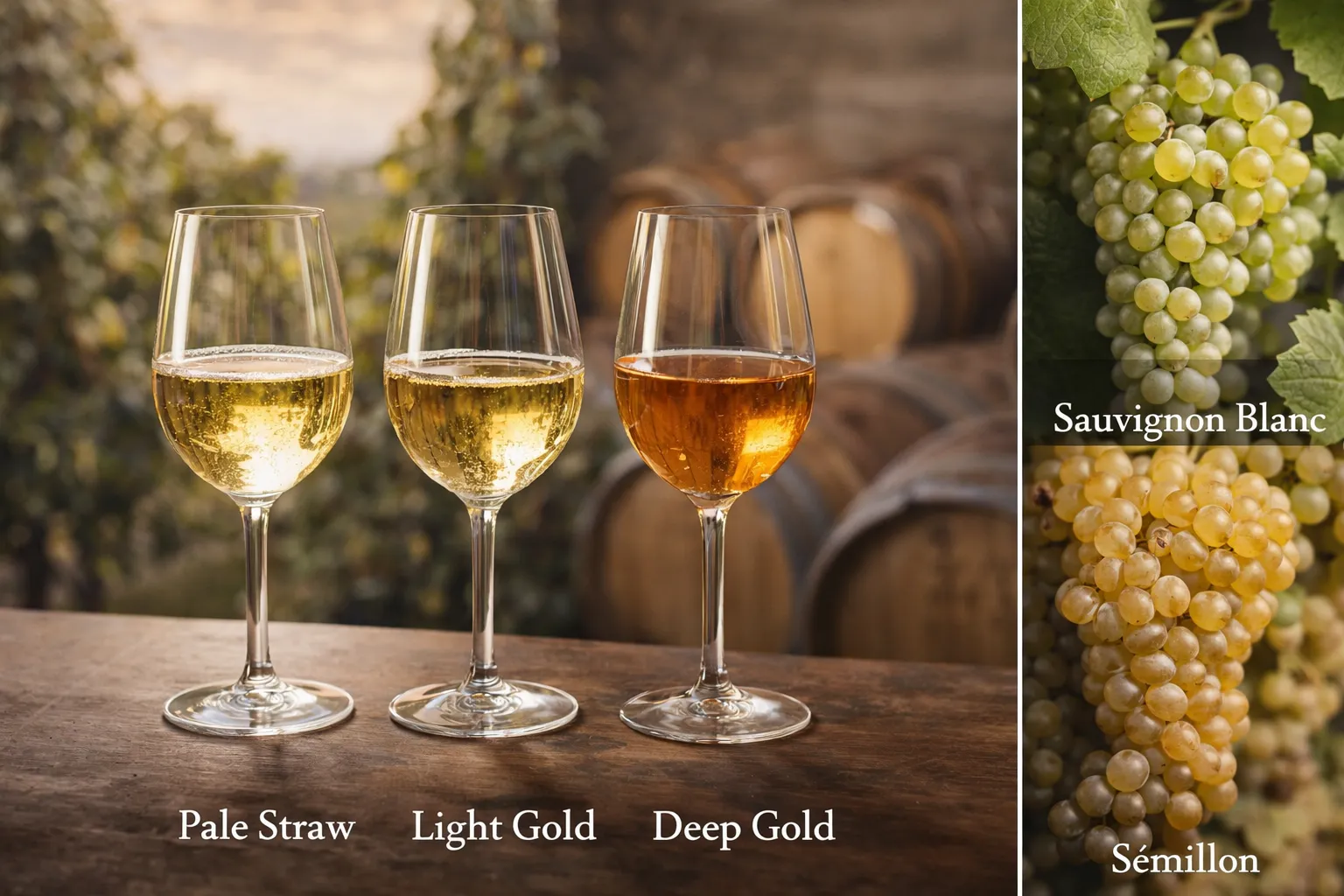
In contrast to red wines, Bordeaux whites display a completely different aesthetic.
Their colour ranges from pale straw to light gold, often with green reflections in youth. This clarity comes from minimal skin contact, preserving freshness and acidity.
Visual characteristics of white Bordeaux
- pale colour indicating freshness
- bright reflections suggesting acidity
- clarity reflecting clean vinification
- deeper tones in oak-aged wines
While some white wines remain light and crisp, others develop richer golden hues when aged, reflecting increased texture and complexity.
For a deeper understanding of how these wines are structured across the region, the subject is explored in Bordeaux White Wines: A Traveller’s Journey Through Freshness and Elegance, where freshness and balance define the style.
Sweet Bordeaux: From Gold to Amber
Sweet wines in Bordeaux present the most dramatic colour range.
Starting with a rich golden hue, these wines gradually deepen into amber and copper tones as they age. This transformation is driven by concentration and controlled oxidation.
Why sweet wines change colour
- dehydration of grapes increases pigment concentration
- noble rot alters grape composition
- ageing enhances depth of colour
- oxidation deepens tones over time
The colour becomes a visual marker of complexity.
Transparency and Light: Reading the Glass
Beyond colour itself, how a wine interacts with light reveals important information.
Red wines often appear opaque due to their concentration, while white wines allow more light to pass through, reflecting their lighter structure.
What light interaction suggests
- opaque wines → high concentration and tannin
- translucent wines → lighter structure
- bright reflections → freshness and acidity
These visual cues provide insight before the first sip.
Rosé and Clairet: Bordeaux’s Lesser-Known Shades
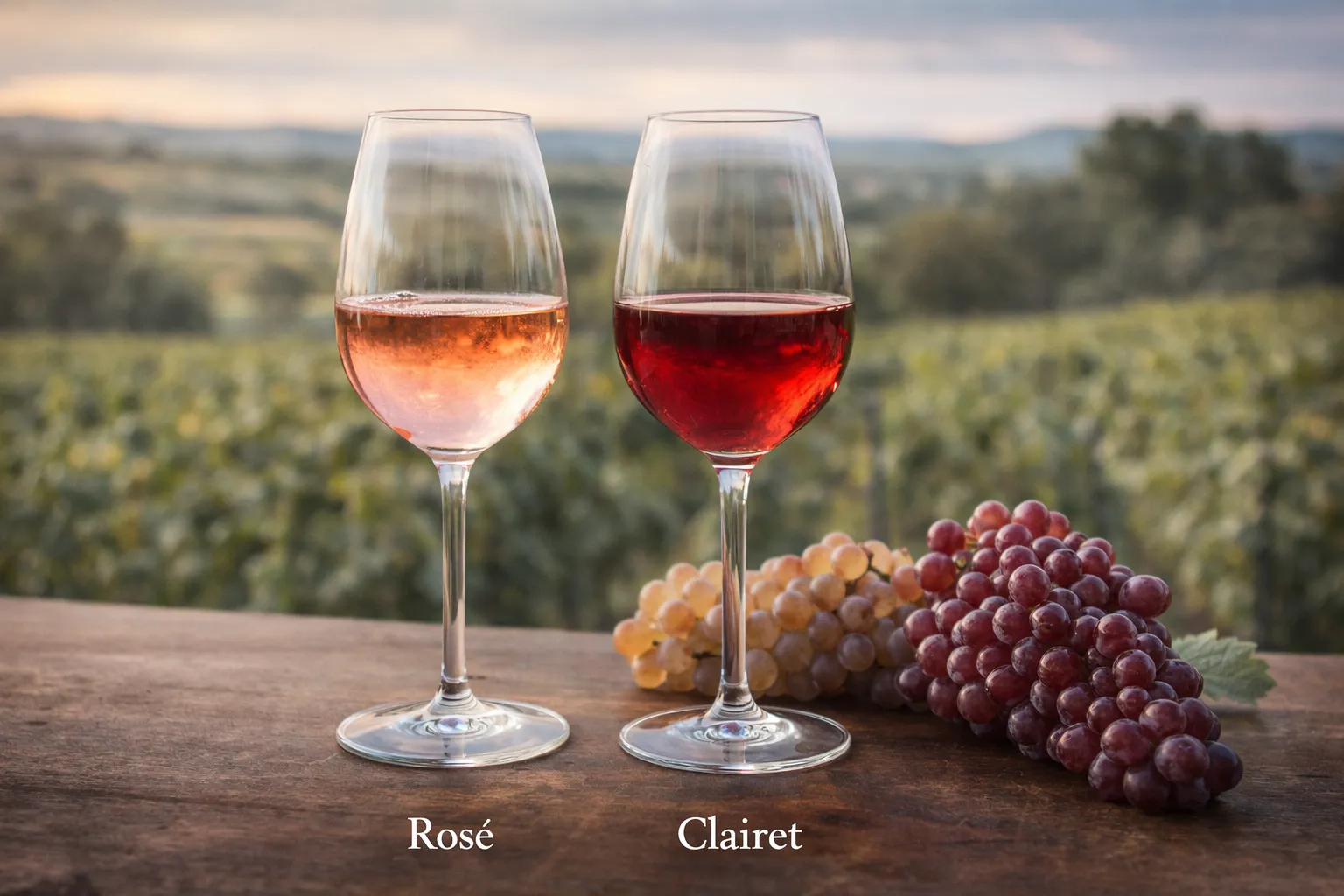
Bordeaux also produces rosé and clairet, offering additional variation in colour.
Rosé wines are pale and delicate, while clairet is deeper in colour, sitting between rosé and light red.
Characteristics of these styles
- rosé – pale pink, fresh and light
- clairet – deeper colour, more structure
- shorter skin contact than red wines
- designed for early drinking
These styles demonstrate how slight adjustments in winemaking can create entirely different visual outcomes.
Colour as a Timeline of Ageing
One of the most fascinating aspects of Bordeaux wines is how colour evolves over time.
Red wine evolution
- deep purple → ruby → garnet → brick
White wine evolution
- pale straw → gold → deep gold
Sweet wine evolution
- gold → amber → copper
These changes reflect chemical transformations, including oxidation and tannin development.
Colour and Structure: Not Always What It Seems
While colour often provides clues, it does not define quality.
A darker wine is not necessarily better, nor is a lighter wine weaker. Instead, colour should be understood as one part of a larger picture.
What colour can indicate
- extraction level during winemaking
- ageing stage of the wine
- grape variety influence
- structural potential
Understanding these signals allows for a more informed appreciation of Bordeaux wines.
Experiencing Bordeaux Through Its Colours
Wine colour becomes most meaningful when experienced across the region.
Travelling between appellations reveals how styles shift subtly, with each colour reflecting a different interpretation of terroir. This broader understanding often develops while exploring Bordeaux during a Saint Emilion Wine Tour, where tasting across styles highlights the region’s diversity.
Each glass offers a visual introduction to what lies ahead.
Bordeaux as a Complete Spectrum
Bordeaux is not defined by a single colour.
It is a region that produces:
- deep, structured reds
- crisp, mineral-driven whites
- rich, golden sweet wines
- delicate rosé and historic clairet
Together, these styles form a complete and balanced spectrum.
Understanding Bordeaux Through Colour
Wine colour in Bordeaux is more than appearance. It is the visible result of decisions, conditions, and time.
Each shade tells a story — of how the grapes were grown, how the wine was made, and how it has evolved.
To understand Bordeaux fully is to see beyond the glass.
Because in this region, colour is not just what you see.
It is what you begin to understand.
