Bordeaux’s Wine Crisis: What It Means for the Bordeaux Wine Region
For decades, the Bordeaux wine region symbolised stability. Its classification systems provided hierarchy, its export networks ensured global demand, and its estates operated within predictable commercial cycles. Today, that stability is under pressure.
Across Bordeaux, growers face declining domestic consumption, inventory surpluses, and shrinking margins. Some vineyards are being uprooted with government support. Others struggle to maintain profitability amid changing global preferences.
This is not a short-term fluctuation. It is a structural recalibration.
For wine travellers seeking to understand Bordeaux beyond its most famous estates, grounding exploration in context is essential. Beginning with a structured Saint Emilion Wine Tour offers clarity on how terroir, hierarchy, and identity operate — particularly as the region navigates economic transformation.
The Roots of Oversupply
At the heart of Bordeaux’s economic pressure lies overproduction.
For years, vineyard expansion and consistent yields outpaced shifts in global demand. Bordeaux’s scale — one of its historical strengths — became a vulnerability. As consumption patterns evolved, particularly in France itself, supply began to exceed appetite.
French domestic wine consumption has steadily declined over decades. Younger generations drink less wine and favour different styles. Export markets, while strong in certain segments, do not uniformly absorb volume.
The result: inventory accumulation.
Warehouses filled with unsold stock create downward price pressure, particularly for entry-level and mid-tier wines.
The Uprooting Programme
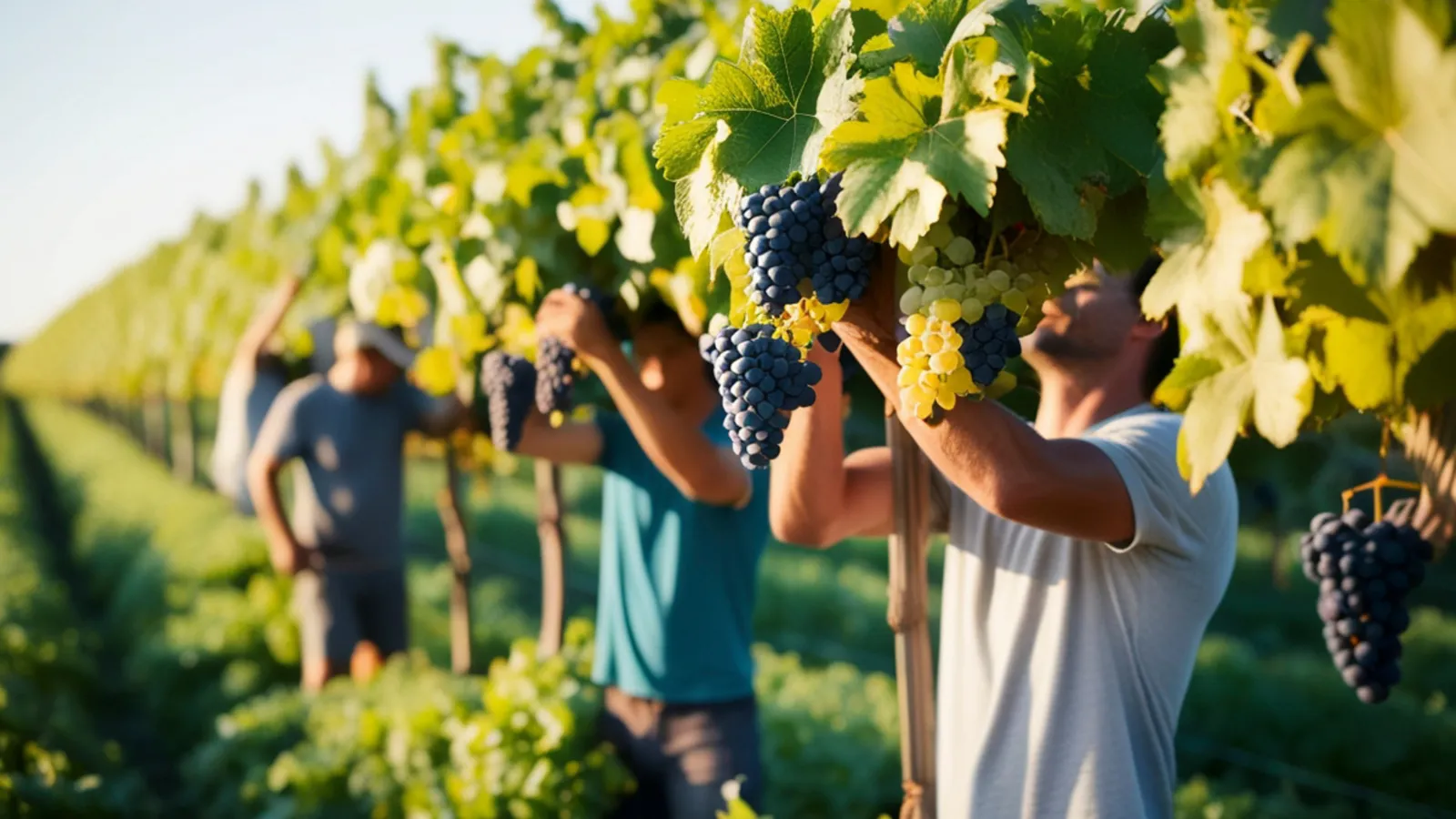
In response, authorities introduced vineyard uprooting schemes. Growers receive compensation to remove vines and reduce production capacity.
This measure reflects urgency. Rather than encouraging short-term price support alone, policymakers acknowledge structural imbalance.
However, uprooting carries emotional and economic consequences. Vineyards represent generational investment. Removing them signals not only supply correction, but identity contraction.
The challenge is balancing necessary adjustments with preservation of regional character.
Who Is Most Affected?
The impact of the crisis is uneven.
Small and Mid-Sized Producers
These growers often operate with thinner margins and limited export networks. Without strong brand recognition, they face the sharpest pricing pressure.
Bulk wine markets are particularly vulnerable. Much of this pressure occurs at the entry level of the regional hierarchy, where appellations such as Bordeaux AOC represent the broadest production category and therefore feel the strongest impact when supply exceeds demand.
Classified Estates
Top-tier estates remain relatively insulated. Strong global demand, established distribution, and premium positioning protect margins. While they are not immune to market shifts, they operate within a different economic ecosystem.
This divergence risks widening inequality within the Bordeaux wine region.
Changing Consumer Preferences
Economic pressure is not solely about volume. It reflects changing taste.
Modern consumers increasingly seek:
- Lower alcohol wines
- Organic and biodynamic production
- Transparency in sourcing
- Alternative packaging formats
Bordeaux’s historical identity — structured, age-worthy, and often traditional — can appear distant from these preferences.
Some producers adapt quickly. Others struggle to reposition.
Export Markets: Strength and Fragility
Bordeaux’s export success remains significant. Markets such as the United States and parts of Asia continue to support premium tiers.
However, reliance on export introduces exposure to:
- Currency fluctuations
- Trade tariffs
- Geopolitical shifts
When export channels contract, oversupply intensifies domestically.
The region’s scale magnifies these effects.
Climate Variation Adds Complexity
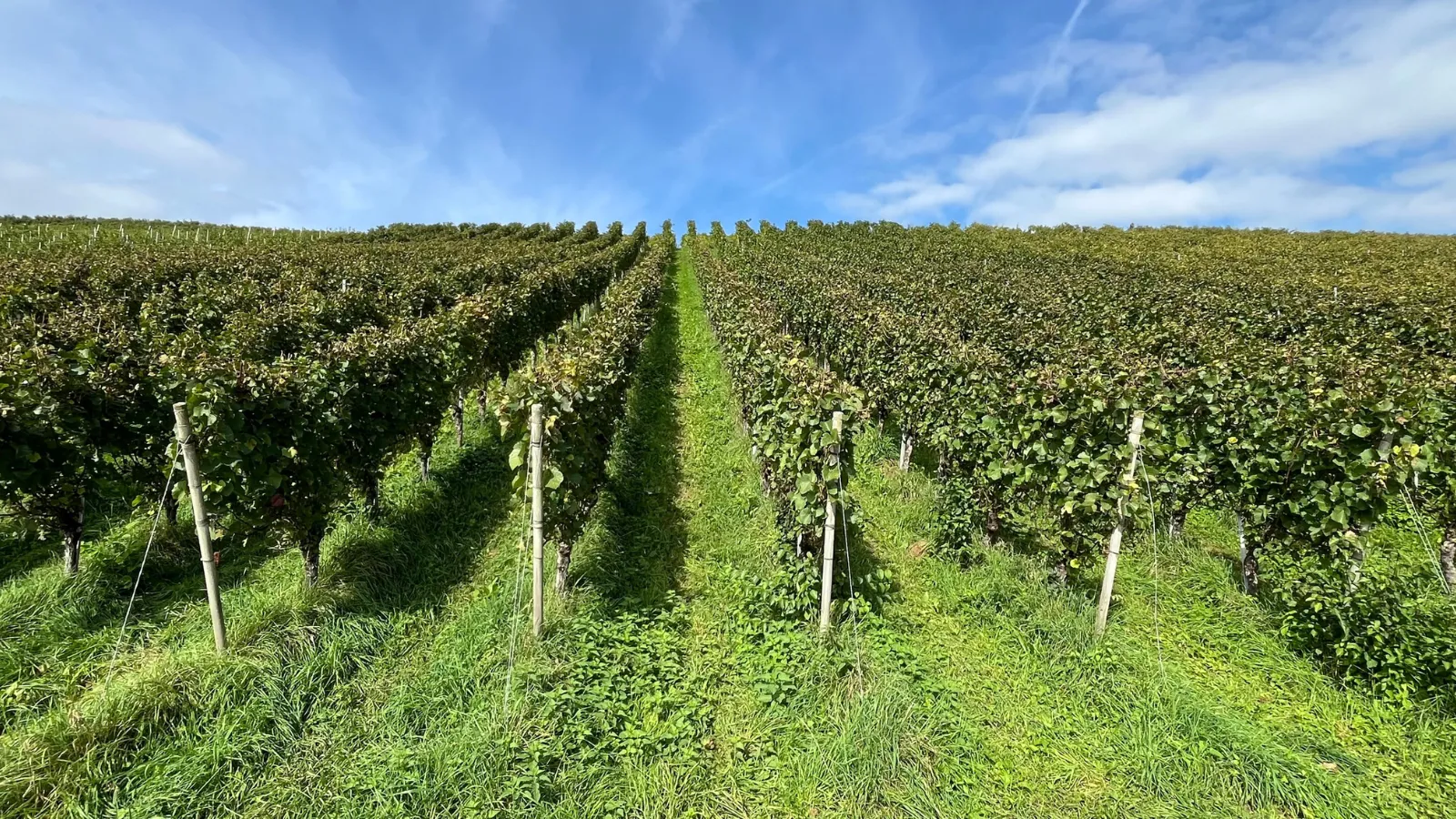
Economic pressure coincides with climatic unpredictability. Heatwaves, drought, and frost events introduce additional cost and uncertainty.
Adaptation requires investment — in canopy management, irrigation strategies, and vineyard research. Smaller producers often lack the capital for rapid adjustment.
Thus, economic and environmental pressures compound one another.
Price Correction Versus Identity Risk
Some argue that Bordeaux simply needs price correction. Entry-level wines may need repositioning to regain competitiveness.
Yet aggressive discounting risks damaging long-term brand perception. Bordeaux’s strength has historically been reliability and hierarchy. Undercutting this identity could create confusion.
Balancing accessibility with prestige remains delicate.
The Psychological Impact on the Region
Beyond economics, morale matters.
Generations of growers built reputations on stability. The sudden need to uproot vines or sell below cost disrupts continuity. Confidence shapes investment decisions; uncertainty discourages them.
The psychological shift within Bordeaux may prove as consequential as the financial adjustment.
Long-Term Structural Solutions
If Bordeaux’s current economic pressure is structural rather than cyclical, then solutions must also be structural.
Production Realignment
Reducing vineyard surface area through uprooting programmes is only the first step. Longer term, producers may need to rethink yield strategies and appellation positioning. Lower yields can support higher perceived quality, but only if matched with market demand.
Some growers are exploring alternative crops or diversification within agricultural frameworks. This signals a recognition that not every hectare planted in previous decades remains commercially viable today.
Quality Differentiation
A second path lies in differentiation. Bordeaux’s strength has always been hierarchy. However, large segments of production remain positioned generically. Strengthening identity at mid-tier levels — through clearer terroir messaging, sustainability initiatives, or stylistic precision — may restore value.
The challenge is scale. Reforming identity across a region as vast as the Bordeaux wine region requires coordination and investment.
Sustainability as Economic Strategy
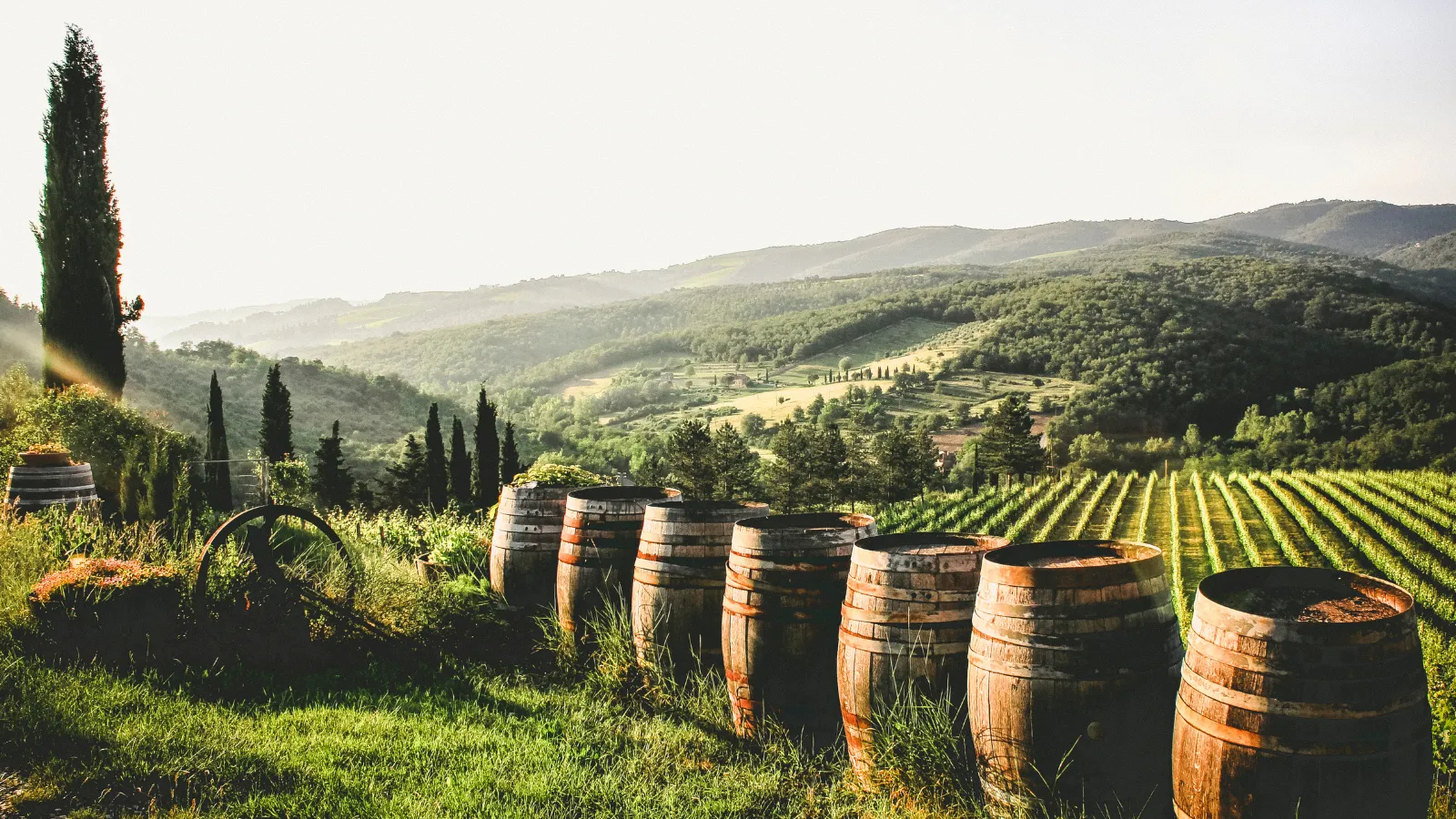
Environmental adaptation is no longer optional; it is an economic strategy.
Consumers increasingly respond to:
- Organic certification
- Reduced chemical input
- Biodiversity initiatives
- Lower alcohol balance
Producers who successfully integrate sustainability into their narrative may access new market segments. However, transition costs are significant. Smaller growers must weigh short-term financial strain against long-term positioning.
In this sense, environmental reform intersects directly with economic survival.
The Role of Classification in Stabilising Confidence
While entry-level Bordeaux struggles with oversupply, classified estates remain comparatively stable. This highlights the protective effect of hierarchy.
Classification provides:
- Brand clarity
- Perceived quality assurance
- Global recognition
In times of uncertainty, buyers gravitate toward trusted tiers. This dynamic reinforces inequality within the region but also demonstrates why Bordeaux’s structured identity matters.
Preserving confidence in top appellations indirectly supports regional reputation overall.
Rebalancing Supply and Demand
The core challenge remains balance.
Bordeaux expanded during decades of global demand growth. That growth plateaued in certain segments. Recalibrating vineyard area to match realistic consumption levels may restore equilibrium.
However, this recalibration must avoid undermining the region’s long-term capacity. Cutting too deeply risks reducing future flexibility if demand rebounds.
The adjustment therefore, requires precision rather than panic.
The Global Context
Bordeaux does not operate in isolation.
Competing regions offer:
- Lower-priced alternatives
- Contemporary branding
- Simplified messaging
At the same time, global economic slowdowns dampen discretionary luxury spending.
In this environment, Bordeaux must clarify its value proposition. Is it tradition? Ageing capacity? Investment stability? Every day drinking?
The answer may differ by segment.
Crisis as Evolution
Economic contraction often precedes refinement. Regions forced to confront structural imbalance frequently emerge leaner and more focused.
For Bordeaux, the crisis may accelerate:
- Vineyard consolidation
- Increased emphasis on terroir expression
- Greater stylistic clarity
- More disciplined production levels
While painful in the short term, such adjustments could reinforce long-term sustainability.
What This Means for Wine Lovers
For serious collectors and wine travellers, the current moment offers perspective.
Prestige estates remain resilient. Mid-tier wines may become more competitively priced. Emerging producers may innovate rapidly.
Understanding the economic backdrop enriches the tasting experience. It contextualises pricing, availability, and stylistic shifts.
Bordeaux is not collapsing. It is recalibrating.
A Closing Reflection
The current economic pressure facing the Bordeaux wine region reveals both vulnerability and resilience.
Oversupply, shifting consumption, and global uncertainty challenge long-standing assumptions. Yet Bordeaux’s structural strengths — classification systems, terroir diversity, and global recognition — provide stabilising anchors.
History suggests that Bordeaux adapts slowly but decisively. Vineyard uprooting may feel drastic, yet it signals a willingness to confront imbalance rather than ignore it.
For wine lovers seeking to understand the region beyond headlines and statistics, grounding experience in place remains essential. Exploring the Right Bank through a structured Saint Emilion Wine Tour provides clarity on how terroir, hierarchy, and economic reality intersect — offering insight into a region evolving, not retreating.
