Bordeaux’s Winegrowers Face an Impossible Choice
For centuries, the Bordeaux wine region has represented stability in the global wine world. Its vineyards shaped international wine culture, defined prestigious classification systems, and created wines that became benchmarks for quality and longevity. The landscape itself tells the story of this legacy: vineyards stretch across gravel terraces, historic châteaux rise above carefully cultivated rows of vines, and villages remain intertwined with viticulture. Yet today, behind this image of continuity, Bordeaux winegrowers are confronting a challenge that threatens the foundations of their industry. Across the region, producers are being forced to consider a painful question: should they continue cultivating vineyards despite declining profitability, or uproot the vines that have defined their families’ lives for generations?
Visitors walking through the vineyards of Bordeaux often see little evidence of the economic tension beneath the surface. The countryside appears as serene as ever, with quiet roads winding through vineyards and stone estates reflecting centuries of winemaking history. Travellers frequently encounter this timeless atmosphere while exploring the region during a Saint Emilion Wine Tour, where tasting wines directly from producers reveals the depth of knowledge and dedication required to cultivate these vineyards. Yet many growers who welcome visitors also acknowledge the uncertainty that now surrounds their profession.
The challenges facing Bordeaux winegrowers are complex, rooted in shifting global markets, changing consumer habits, and rising production costs. Together, these forces have created a moment of transition that could reshape the region’s wine landscape in profound ways.
A Global Wine Market in Transformation
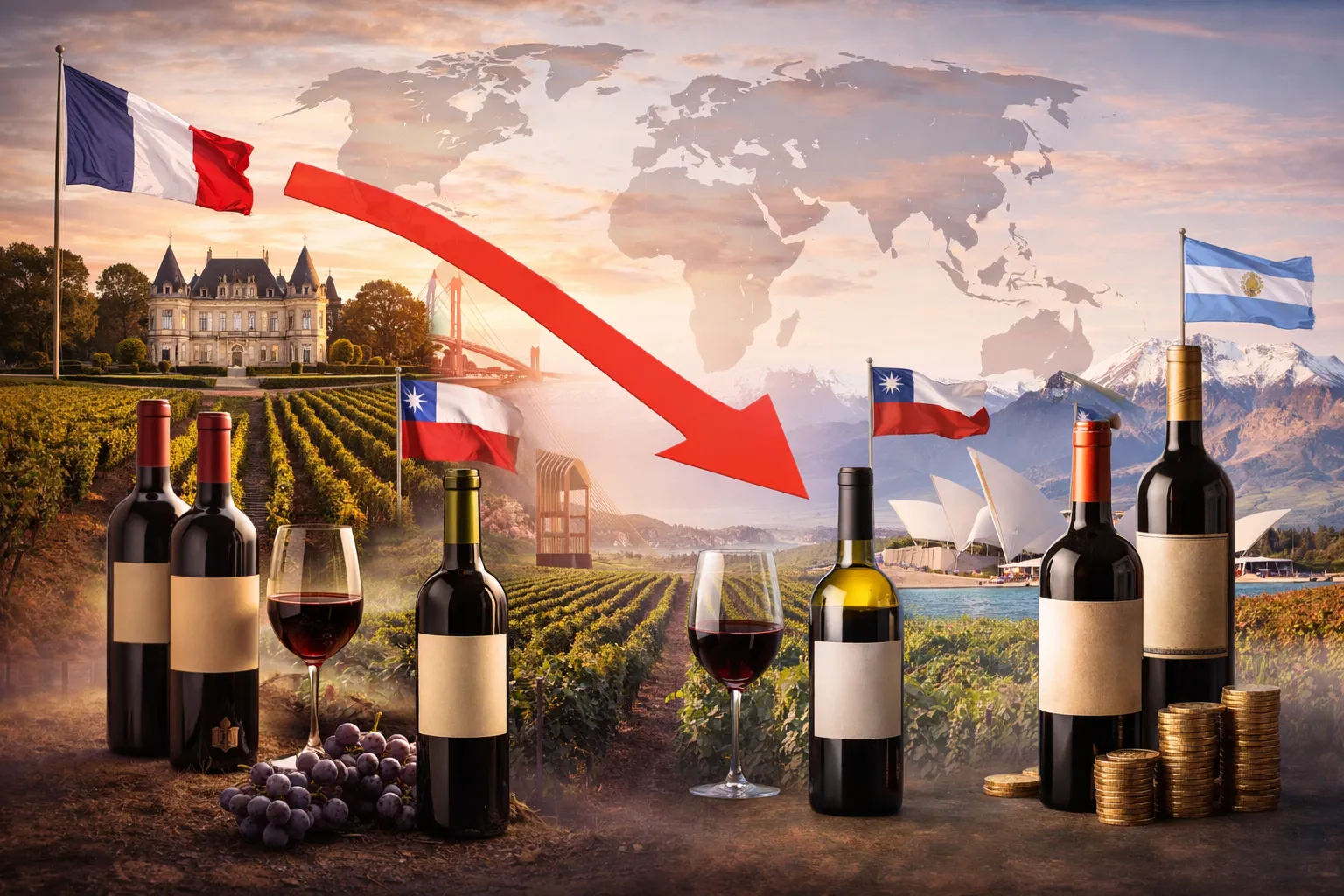
For much of the twentieth century, Bordeaux occupied a position of dominance within the international wine trade. The region’s reputation for quality and its historic classification systems allowed producers to command strong prices and secure consistent demand in markets across Europe, North America, and Asia. Bordeaux wines were regarded not only as beverages but as cultural symbols representing tradition, craftsmanship, and prestige.
However, the global wine market has evolved dramatically in recent decades. New wine-producing regions have emerged around the world, producing wines that rival traditional European regions in both quality and accessibility. Countries such as Chile, Australia, Argentina, and the United States now compete directly with Bordeaux in international markets.
These regions often produce wines that are approachable, fruit-forward, and ready to drink soon after release. By contrast, many Bordeaux wines are traditionally structured and built for ageing, which can make them less immediately accessible to consumers unfamiliar with the region’s style.
As wine drinkers increasingly explore diverse wine regions and styles, Bordeaux producers face competition in ways that were almost unimaginable a generation ago.
Declining Consumption and Changing Habits
Another factor influencing Bordeaux’s challenges is the steady decline in wine consumption in several traditional markets. In France, wine once formed an integral part of daily life. Families routinely drank wine with meals, and domestic demand supported large-scale production across the country.
Over time, these habits have changed. Younger generations often drink less wine than their parents and are more likely to explore alternative beverages. Health awareness and lifestyle shifts have also influenced consumption patterns.
This decline in domestic consumption has reduced one of the key markets that historically supported Bordeaux production. While exports remain important, they cannot always compensate for the gradual reduction in wine consumption within France itself.
The result is a growing imbalance between the volume of wine produced and the demand available to absorb it.
Oversupply and Falling Prices
As production continued while demand weakened, Bordeaux gradually developed a surplus of wine in certain market segments. This oversupply has placed downward pressure on prices, particularly for entry-level wines that compete with wines from many other regions around the world.
For prestigious estates with strong brand recognition, the impact may be manageable. However, many smaller producers rely on modest wine sales to sustain their operations. When market prices fall below sustainable levels, maintaining vineyards becomes increasingly difficult.
The cost of cultivating vines, producing wine, and maintaining winery facilities remains significant. If the price received for wine does not cover these costs, growers face the difficult reality that their vineyards may no longer be economically viable.
Rising Costs of Production
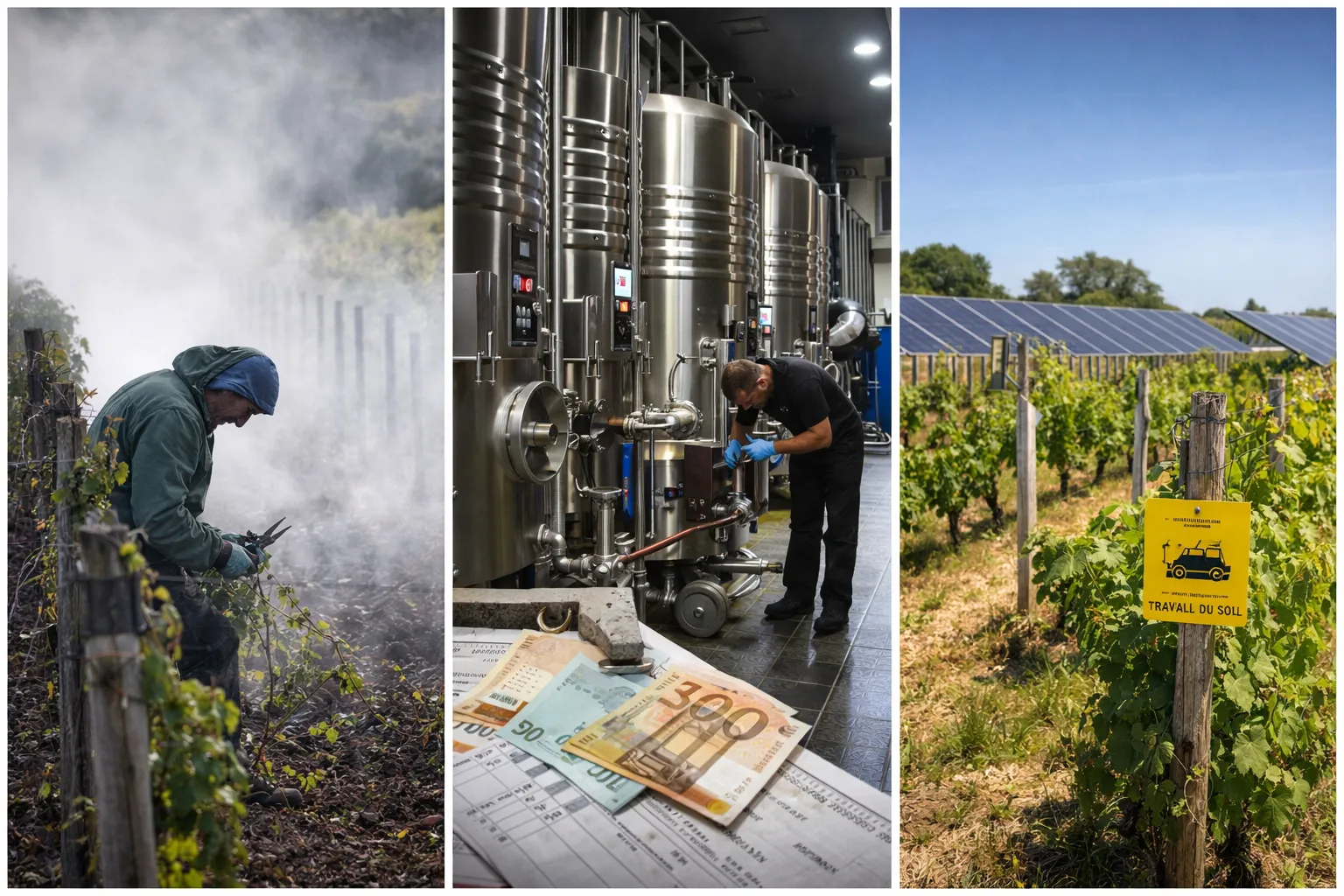
At the same time that market prices have weakened, the cost of producing wine has steadily increased. Vineyard management requires skilled labour throughout the year, from winter pruning to harvest. Maintaining healthy vines involves careful attention to canopy management, disease control, and grape ripening.
Energy costs have also risen significantly. Modern wineries rely on temperature-controlled fermentation tanks, pumps, and cellar conditions that ensure stable ageing environments.
Environmental regulations designed to encourage sustainable farming practices have introduced additional responsibilities as well. While these measures protect the long-term health of vineyard ecosystems, they also require investments that can strain smaller producers.
These combined pressures have created an environment in which profitability is increasingly difficult for many Bordeaux winegrowers.
The Emotional Weight of Uprooting Vineyards
In response to the economic imbalance between supply and demand, authorities have introduced programmes that encourage vineyard removal. Growers who choose to uproot vines may receive financial compensation designed to help stabilise the overall market.
From an economic perspective, reducing vineyard acreage could help restore balance between production and demand. However, for many growers the decision to remove vines carries deep emotional consequences.
Vineyards often represent generations of family history. Many growers inherited their land from parents or grandparents who dedicated their lives to cultivating vines. Removing those vineyards can feel like erasing a piece of family identity.
For families whose lives are intertwined with the land, the choice between economic survival and cultural heritage is profoundly difficult.
Climate Pressures on the Vineyards
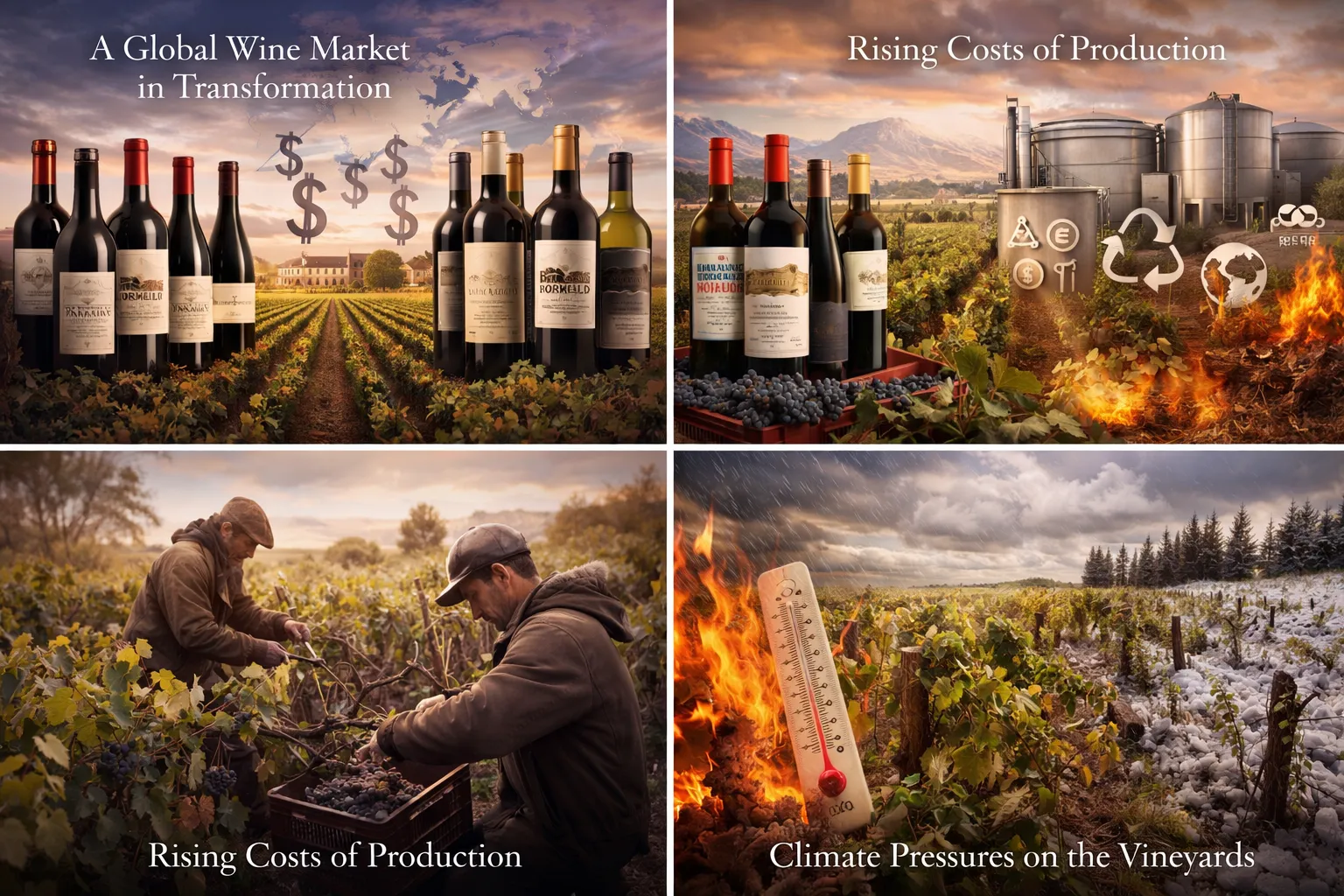
Economic challenges are not the only pressures affecting Bordeaux winegrowers. Climate change has introduced additional uncertainties into the region’s viticulture.
Rising temperatures have altered harvest dates and influenced grape ripening patterns. Warmer summers may produce riper fruit, but they also risk increasing alcohol levels and altering the delicate balance that defines Bordeaux wines.
Extreme weather events such as spring frosts, hailstorms, and heatwaves have become more frequent in recent years. These conditions can damage vines and reduce harvest yields, further complicating vineyard management.
Producers must adapt their practices to maintain quality under these changing conditions. For readers interested in understanding how environmental changes influence Bordeaux wines, the subject is explored in How Climate Change Is Changing the Taste of Bordeaux Wine, which examines how shifting weather patterns are affecting grape development across the region.
The Cultural Landscape of Bordeaux Wine
The crisis affecting Bordeaux winegrowers extends far beyond individual estates. Vineyards form a central part of the cultural identity of the region. Entire villages developed around viticulture, with local traditions and architecture closely connected to the annual rhythm of the vine.
Communities throughout Bordeaux depend on vineyard economies for employment and stability. Workers involved in vineyard management, winemaking, transportation, and tourism all rely on the continued presence of vineyards.
When vines disappear, the impact extends beyond agriculture to affect the social fabric of these communities.
Wine Tourism and New Opportunities
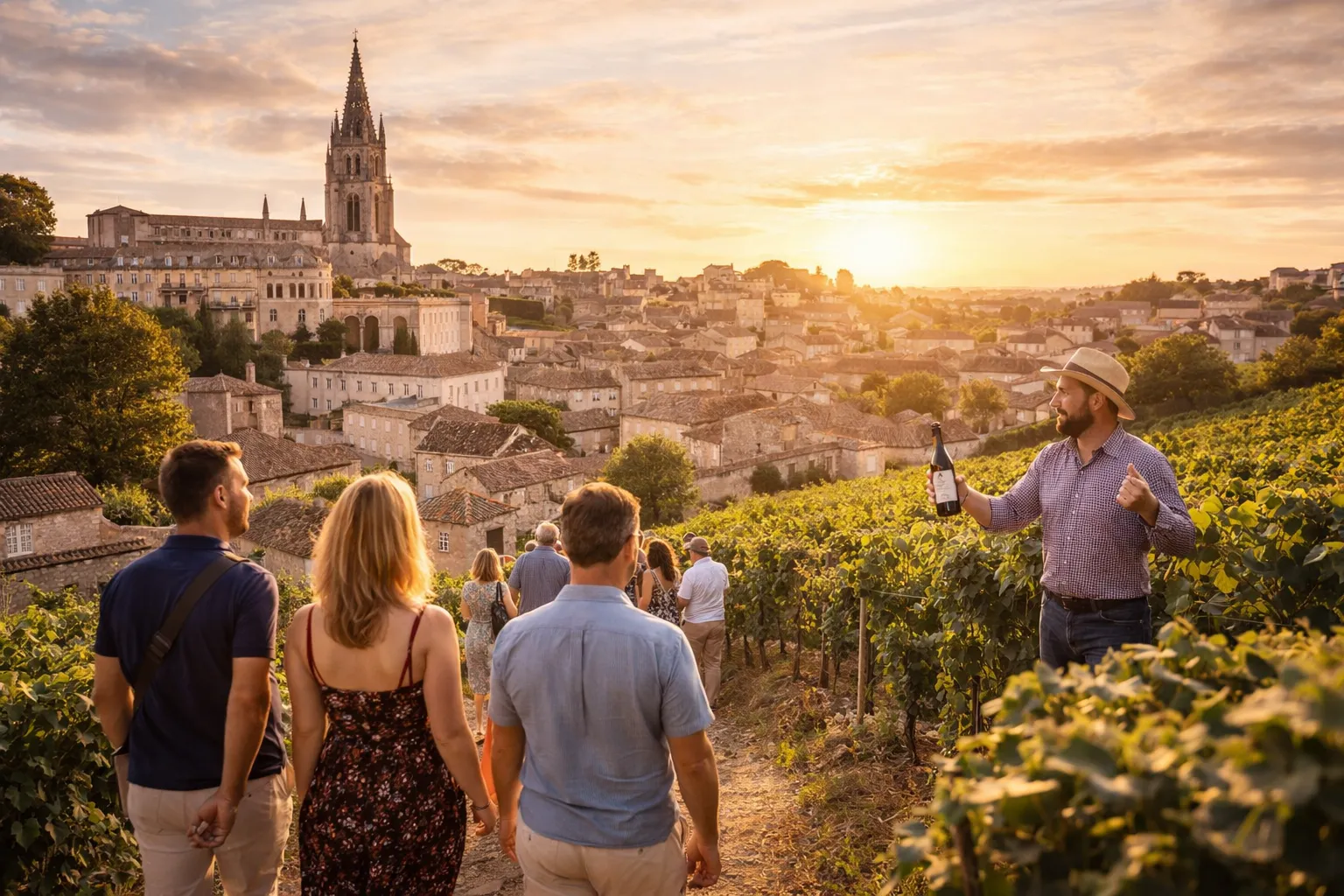
Despite these challenges, Bordeaux continues to attract wine lovers from around the world. Wine tourism has become an increasingly important source of revenue for many producers.
Visitors travelling through the region often explore the historic village of Saint-Émilion, where vineyards surround one of the most iconic wine landscapes in France. Walking through this area reveals how deeply wine culture is embedded in the region’s identity.
Many travellers experience these landscapes while participating in a Saint Emilion Wine Tour, where visiting vineyards and speaking directly with producers creates a deeper understanding of the work involved in producing Bordeaux wines.
These interactions allow producers to share their stories while strengthening appreciation for the wines themselves.
A Region at a Turning Point
Bordeaux now stands at a turning point in its long history. The region’s reputation for quality remains strong, yet the economic structures that supported its vast vineyard landscape are evolving.
Some producers will adapt successfully by embracing innovation, exploring new markets, and adjusting wine styles to meet modern demand. Others may decide that maintaining vineyards is no longer financially sustainable.
While the future may bring changes to the scale and structure of Bordeaux’s wine industry, the fundamental elements that made the region famous remain intact. Its extraordinary terroir, centuries of accumulated knowledge, and the dedication of its winegrowers continue to shape the wines produced here.
For those who walk among the vineyards or raise a glass of Bordeaux wine, the story of this remarkable region is far from over.
