How Climate Change Is Changing the Taste of Bordeaux Wine
Climate change is often discussed in terms of numbers: rising temperatures, earlier harvests, shifting averages. But for wine drinkers, the most meaningful changes are not statistical. They are sensory.
If you have been drinking Bordeaux for years, you may already have noticed it. Wines feel riper. Textures are softer. Alcohol can feel more present. Aromas have shifted subtly, sometimes dramatically. Yet at the same time, many wines are becoming fresher, more precise, and more carefully balanced than they were a decade ago.
This apparent contradiction lies at the heart of Bordeaux’s response to climate change. The region is not simply getting warmer. It is relearning how to make wine under new conditions, and that process is reshaping how Bordeaux tastes in the glass.
This article explores how climate change is changing the taste of Bordeaux wine, not in abstract terms, but through what you can actually smell, feel, and experience when you drink it.
Bordeaux’s Climate Has Always Shaped Its Style
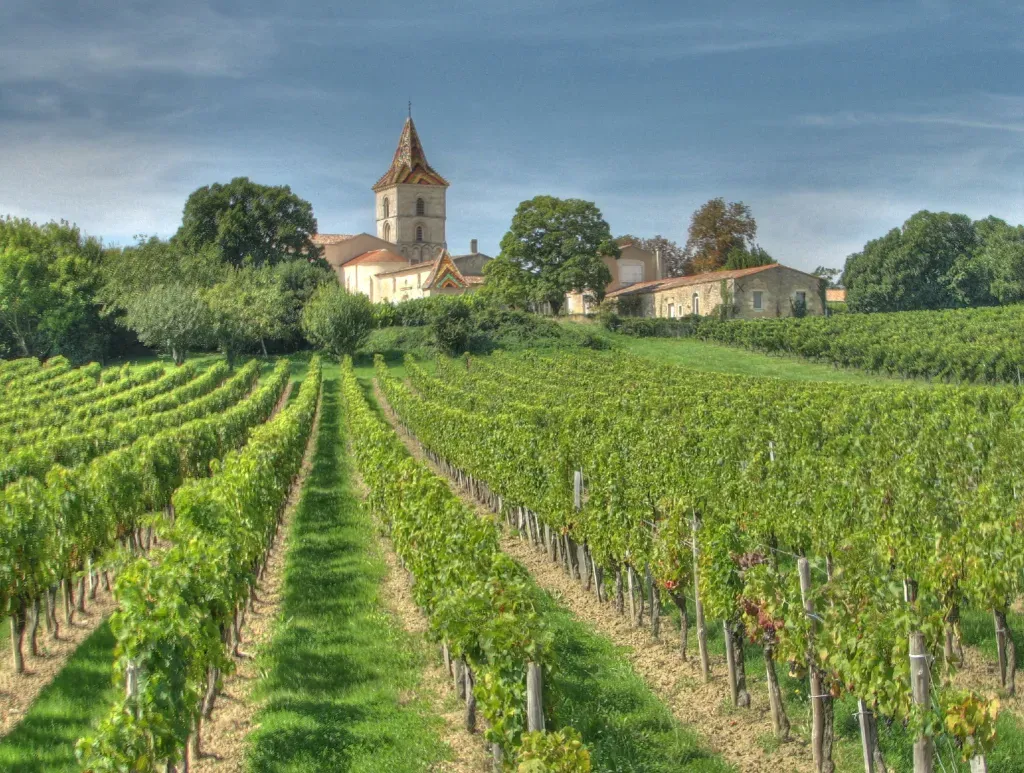
Bordeaux has never been a region of extremes. Historically, its cool, maritime climate produced wines defined by restraint rather than ripeness. Cabernet Sauvignon struggled to ripen fully in cooler years, contributing firm tannins and herbal notes. Merlot provided flesh and generosity, but rarely excess.
Balance came from tension rather than richness. Alcohol levels were moderate. Acidity played a central role in freshness and ageing. Bordeaux’s reputation for longevity was built on this equilibrium.
Climate change has not erased this identity, but it has shifted the parameters within which it operates.
Warmer Summers and Riper Grapes
The most immediate effect of climate change in Bordeaux has been warmer, more consistent summers. Heat accumulation has increased, and grapes reach ripeness more reliably than in the past.
In sensory terms, this has led to:
Riper fruit aromas, particularly black fruit rather than red
Softer tannins, especially in Cabernet Sauvignon
Higher natural alcohol levels
Less green or herbal character
Many wines that once required long ageing to soften now feel more approachable earlier in their life. This is not inherently negative, but it does change how Bordeaux expresses itself.
Alcohol and Mouthfeel: A Subtle but Important Shift
As grapes accumulate more sugar, alcohol levels naturally rise. Even small increases — from 12.5% to 13.5%, for example — can change how a wine feels. Understanding alcohol levels in Bordeaux wines helps explain why warmer growing seasons influence not only ripeness but also the balance, texture, and overall structure of modern Bordeaux.
Higher alcohol contributes to:
A fuller mouthfeel
Greater perception of sweetness
Reduced the sharpness of acidity
In some Bordeaux wines, this has resulted in a rounder, more generous texture. In others, it has risked blurring the line between power and balance.
The key point is that alcohol does not act alone. Its impact depends on acidity, tannin, and fruit concentration. Many Bordeaux producers are now working carefully to ensure alcohol feels integrated rather than dominant.
Earlier Harvests and the Return of Freshness
One of the most important responses to climate change has been earlier harvesting. Rather than chasing maximum ripeness, many producers now prioritise freshness, acidity, and precision.
This has led to an interesting stylistic evolution. While summers are warmer, some modern Bordeaux wines actually taste more vibrant and controlled than those made twenty years ago.
Earlier harvesting preserves:
Higher natural acidity
More lifted aromatics
Better definition on the palate
As a result, many wines show both ripeness and freshness — a combination that was once far harder to achieve consistently.
Left Bank Bordeaux: Cabernet Sauvignon in a Warmer World
Cabernet Sauvignon has benefited significantly from climate change. Historically, it struggled in cooler years, producing hard, angular wines that required long ageing.
Warmer conditions now allow Cabernet to ripen more consistently, resulting in:
Riper tannins
Deeper fruit expression
Less aggressive structure
The best Left Bank wines today often feel more complete earlier, while still retaining the ability to age. The challenge is ensuring they do not lose the tension and restraint that define classic Bordeaux.
Right Bank Bordeaux: Merlot’s New Challenges
Merlot tells a different story. Because it ripens earlier and accumulates sugar quickly, Merlot is more sensitive to heat.
In warm conditions, Merlot can:
Become overly rich
Lose aromatic lift
Produce wines with higher alcohol and lower tension
To counter this, many Right Bank producers are adjusting vineyard practices, harvest dates, and blends to maintain balance. Some are also rethinking how much Merlot they use, or how it is handled in the cellar.
Changes in Aromatic Profile
Climate change has not only affected structure; it has altered aroma profiles.
Classic Bordeaux notes of graphite, cedar, and fresh herbs are still present, but they are now often joined — or replaced — by:
Darker fruit tones
Riper plum and blackberry
Softer spice rather than sharp herbal notes
These changes are subtle but cumulative. Over time, they contribute to a noticeable evolution in Bordeaux’s aromatic identity.
White Bordeaux Wines: Precision Under Pressure
White Bordeaux wines have also been affected. Warmer conditions can push alcohol higher and reduce acidity if not managed carefully.
In response, many producers now harvest earlier, ferment cooler, and focus on preserving freshness. The result is a new generation of white Bordeaux that often feels:
More precise
More aromatic
Better balanced despite warmer conditions
Climate change has forced greater attention to detail, and in some cases, quality has improved as a result.
Sweet Wines and Climate Risk
Sweet Bordeaux wines face perhaps the greatest uncertainty. Their identity depends on a delicate balance between botrytis, sugar, acidity, and weather conditions.
Climate change has made botrytis less predictable, forcing producers to adapt constantly. The taste of these wines remains extraordinary, but vintages are becoming more variable, and decisions more complex.
Adaptation in the Vineyard and Cellar
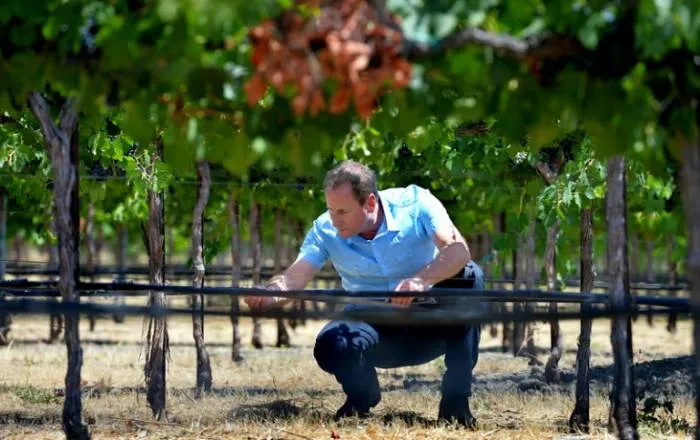
What is often overlooked in discussions of climate change is the agency of winemakers. Bordeaux is not passively affected; it is actively responding.
Adaptations include:
New canopy management techniques
Adjusted pruning strategies
Modified harvest timing
Careful oak use to support balance
Blending decisions that prioritise freshness
These choices directly influence how Bordeaux tastes today.
Why Bordeaux Wines Are Not Becoming Uniform
A common fear is that climate change will make all wines taste the same. Bordeaux offers a counterexample.
As conditions shift, producers are making more site-specific decisions. Terroir differences are becoming more important, not less. Style variation is increasing rather than narrowing.
This is something wine travellers often notice when tasting across appellations during Bordeaux Wine Tours, where climate impact is discussed in the context of individual vineyards rather than abstract trends.
What This Means for Wine Drinkers
For wine lovers, climate change means Bordeaux is evolving, not disappearing. Wines may taste different from those of past decades, but they are not losing their identity.
The most successful wines today balance:
Ripeness with restraint
Power with freshness
Modern conditions with traditional philosophy
Understanding this evolution allows you to appreciate Bordeaux as a living region rather than a static style.
Looking Ahead: Bordeaux’s Future Taste
The future of Bordeaux wine will not be defined by climate alone, but by how intelligently producers continue to respond.
Some wines will become slightly richer. Others will become more precise. Diversity will increase. Balance will remain the benchmark.
For those who want to explore these changes in context — tasting wines across vintages, styles, and appellations — Wine Tours in the Bordeaux region offer a way to experience how climate change is shaping Bordeaux one glass at a time.
Final Reflection: Change Does Not Mean Loss
Climate change is undeniably altering Bordeaux. But change does not automatically mean decline.
What matters is intention, understanding, and restraint. Bordeaux’s greatest strength has always been its ability to adapt without abandoning its core values.
The taste of Bordeaux is changing — but it is still unmistakably Bordeaux.
