Cabernet Sauvignon: The Backbone of Left Bank Bordeaux
In the Bordeaux wine region, grape varieties rarely stand alone. The region’s wines are defined by blending, where several grapes combine to create balance and complexity. Yet within these blends, certain grapes play a structural role that shapes the character of entire regions.
On the Left Bank of Bordeaux, that role belongs to Cabernet Sauvignon.
From the gravel vineyards of the Médoc to the historic estates lining the Gironde estuary, Cabernet Sauvignon provides the backbone of many of the region’s most famous wines. Its tannins create structure, its acidity supports long ageing, and its flavour profile gives Bordeaux wines their unmistakable character.
For travellers exploring Bordeaux, the influence of Cabernet Sauvignon becomes especially clear when tasting wines across both sides of the region during a Saint Emilion Wine Tour, where the contrast between Cabernet-driven Left Bank wines and Merlot-dominated Right Bank wines reveals how Bordeaux blends are built.
Understanding Cabernet Sauvignon therefore provides one of the clearest ways to understand the architecture of Left Bank Bordeaux wines.
The Structural Nature of Cabernet Sauvignon
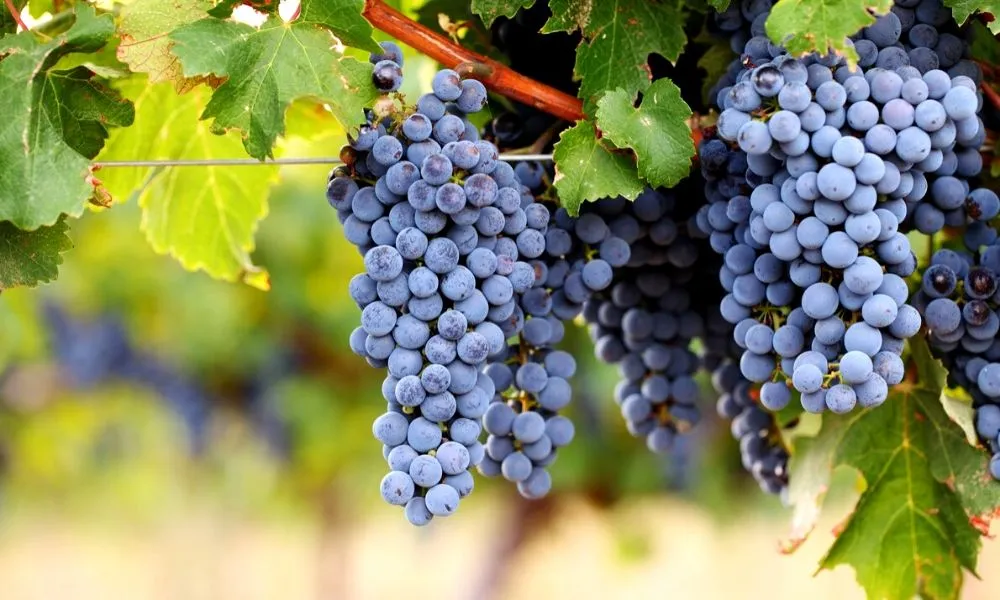
Cabernet Sauvignon is naturally suited to producing wines with strong structure.
The grape produces small berries with thick skins, which contain high levels of tannins and colour compounds. These tannins give the wine firmness and longevity.
Because the berries are small, the ratio of skin to juice is relatively high. During fermentation, this allows large amounts of colour and tannin to be extracted from the skins.
These structural characteristics make Cabernet Sauvignon very different from softer grape varieties.
Where Merlot produces rounder, more accessible wines, Cabernet Sauvignon delivers power and longevity. In Bordeaux blends, this grape often forms the framework around which other grapes are layered.
The Médoc Landscape and Cabernet Sauvignon
The success of Cabernet Sauvignon on the Left Bank is closely tied to geography.
The Médoc peninsula, located north of Bordeaux city, is dominated by gravel soils deposited by ancient river systems. These gravel terraces provide ideal conditions for Cabernet Sauvignon vines.
Gravel drains water efficiently, preventing vines from becoming overly vigorous. At the same time, the stones absorb heat from the sun during the day and release it slowly at night, helping grapes ripen steadily.
The nearby Gironde estuary also moderates the climate, protecting vineyards from temperature extremes.
These combined factors create one of the most suitable environments in the world for Cabernet Sauvignon.
Travelling through vineyards around Margaux reveals how Cabernet Sauvignon thrives in these gravel landscapes.
Cabernet Sauvignon and Bordeaux Blending Philosophy
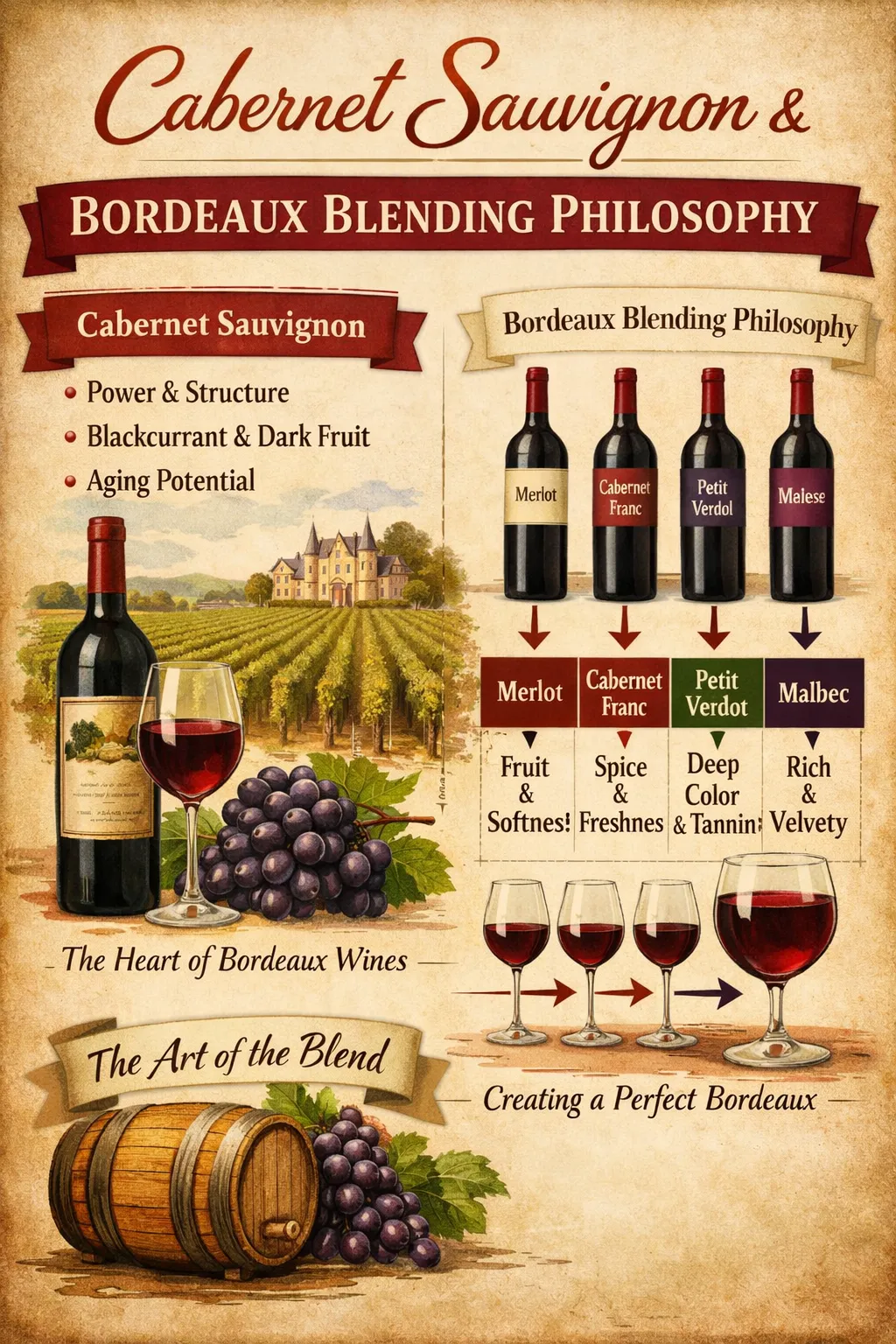
One of the defining traditions of Bordeaux winemaking is blending.
Unlike many wine regions that produce wines from a single grape variety, Bordeaux wines are typically blends of several grapes.
Cabernet Sauvignon provides the structure of the wine.
Merlot contributes softness and fruit richness.
Cabernet Franc adds aromatic complexity and freshness.
Smaller amounts of Petit Verdot or Malbec may also appear depending on the estate.
This blending philosophy allows winemakers to create wines that balance power and elegance.
Rather than allowing one grape to dominate completely, Bordeaux wines combine multiple grapes to produce harmony.
Cabernet Sauvignon therefore acts less as a solo performer and more as the structural foundation supporting the entire blend.
The Growing Cycle of Cabernet Sauvignon
Cabernet Sauvignon follows the rhythm of the vineyard year.
During winter, vines are pruned to control yields and determine how many grape clusters the vine will produce in the coming season.
Spring brings budburst and flowering. Small grape clusters begin forming as temperatures rise.
Throughout summer, vineyard teams manage the vine canopy, ensuring that grapes receive sufficient sunlight and airflow.
As autumn approaches, grapes gradually ripen. Sugar levels increase while acidity decreases.
Because Cabernet Sauvignon ripens later than Merlot, vineyard teams must monitor weather conditions carefully before harvest begins.
Harvesting Cabernet Sauvignon
Cabernet Sauvignon is typically one of the last grapes harvested in Bordeaux.
Harvest often takes place in late September or early October, depending on the vintage and vineyard location.
The extended ripening period allows Cabernet Sauvignon to develop deeper flavours and mature tannins.
When the grapes reach optimal maturity, vineyard teams begin harvesting. In some estates the harvest is done by hand, allowing careful grape selection. In others, mechanical harvesting may be used for efficiency.
Once picked, grapes are transported quickly to the winery to begin fermentation.
This stage marks the transition from vineyard to cellar.
Fermentation and Extraction
Inside the winery, Cabernet Sauvignon grapes undergo fermentation.
During fermentation, grape skins remain in contact with the juice, allowing colour, tannins, and flavour compounds to be extracted.
Because Cabernet Sauvignon contains significant tannins, winemakers carefully manage extraction to maintain balance.
Techniques such as pump-overs or punch-downs circulate the fermenting juice through the skins, gradually extracting structure while preventing excessive bitterness.
Temperature-controlled tanks help ensure a stable fermentation process.
After fermentation, the wine is separated from the grape skins and prepared for ageing.
Oak Ageing and Wine Development
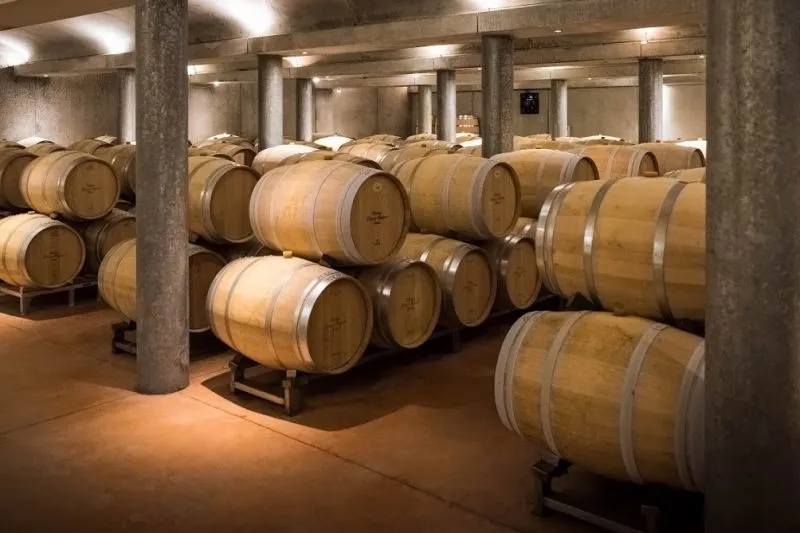
After fermentation, Cabernet Sauvignon wines are usually aged in French oak barrels.
Oak ageing serves several purposes.
First, the porous nature of oak allows small amounts of oxygen to interact with the wine. This gradual oxygen exposure softens tannins and stabilises colour.
Second, oak barrels contribute subtle flavour compounds that enhance the wine’s complexity.
These flavours may include cedar, spice, vanilla, and toasted wood.
Barrel ageing typically lasts between twelve and eighteen months, during which the wine slowly develops greater balance and refinement.
Cabernet Sauvignon Across the Médoc
Cabernet Sauvignon dominates several famous appellations along the Left Bank.
Pauillac is known for producing powerful wines with long ageing potential.
Margaux produces Cabernet-driven wines recognised for elegance and aromatic finesse.
Saint-Julien sits between these two appellations, often producing wines admired for their balance between structure and refinement.
For readers interested in understanding how the Left Bank differs from Bordeaux’s Right Bank wine style, the subject is explored in Left Bank vs Right Bank Bordeaux Wines: What It Means for Taste, Style and Ageing, which explains how geography and grape varieties shape Bordeaux wine identity.
Together, these appellations demonstrate how Cabernet Sauvignon adapts to subtle differences in soil and climate.
Ageing Potential and Evolution
One of Cabernet Sauvignon’s most important qualities is its ability to age.
Young Cabernet-based Bordeaux wines often display firm tannins and flavours of blackcurrant, plum, and cedar.
Over time, these wines evolve.
Fresh fruit aromas gradually give way to more complex notes such as leather, tobacco, graphite, and dried herbs.
This slow evolution is one of the reasons Cabernet Sauvignon-based wines are highly valued by collectors.
Some wines may reach their peak after twenty or even thirty years in bottle.
Experiencing Cabernet Sauvignon in Bordeaux
For travellers, tasting Cabernet Sauvignon wines in the vineyards where they are produced provides a deeper appreciation of the grape.
Walking through the gravel vineyards of the Médoc reveals how soil, climate, and winemaking traditions combine to shape wine style.
Many visitors gain this perspective while exploring Bordeaux during a Saint Emilion Wine Tour, where tasting wines from both banks of the region highlights how Cabernet Sauvignon forms the backbone of Left Bank Bordeaux.
Understanding the grape within its landscape often transforms how wine lovers experience Bordeaux wines.
The Backbone of Left Bank Bordeaux
Cabernet Sauvignon rarely stands alone in Bordeaux wines.
Instead, it acts as the structural core that gives Left Bank wines their strength and longevity.
Through its relationship with gravel soils, careful blending, and long ageing potential, Cabernet Sauvignon has helped define the classical style of Bordeaux wines.
For anyone seeking to understand the architecture of Bordeaux wine, Cabernet Sauvignon remains the essential starting point.
