Cérons Wines Explained: Bordeaux’s Quiet Expression of Sweetness
In the southern reaches of the Bordeaux wine region, where the Garonne River flows steadily toward the Gironde estuary, a small appellation continues to produce wines that remain largely overlooked by the wider world. Cérons does not carry the same reputation as Sauternes, nor does it seek to. Instead, it offers a quieter, more restrained interpretation of Bordeaux’s sweet wine tradition — one defined by balance, freshness, and precision.
The vineyards surrounding Cérons village sit within the same climatic corridor that gives rise to some of the most famous sweet wines in France. Morning mists drift across the vines, followed by warm afternoons that allow grapes to ripen and concentrate. Yet despite these similarities, the wines of Cérons develop a distinct identity, shaped by subtle variations in soil, exposure, and winemaking philosophy.
For travellers seeking to understand the diversity of Bordeaux beyond its most recognisable names, these differences become more apparent when exploring the region in depth. Many visitors begin to see this broader picture while travelling through nearby vineyard landscapes during a Saint Emilion Wine Tour, where the contrast between appellations reveals how geography shapes every aspect of Bordeaux wine.
Cérons, in this context, represents a more delicate voice within the larger Bordeaux narrative.
Where Cérons Fits Within Bordeaux
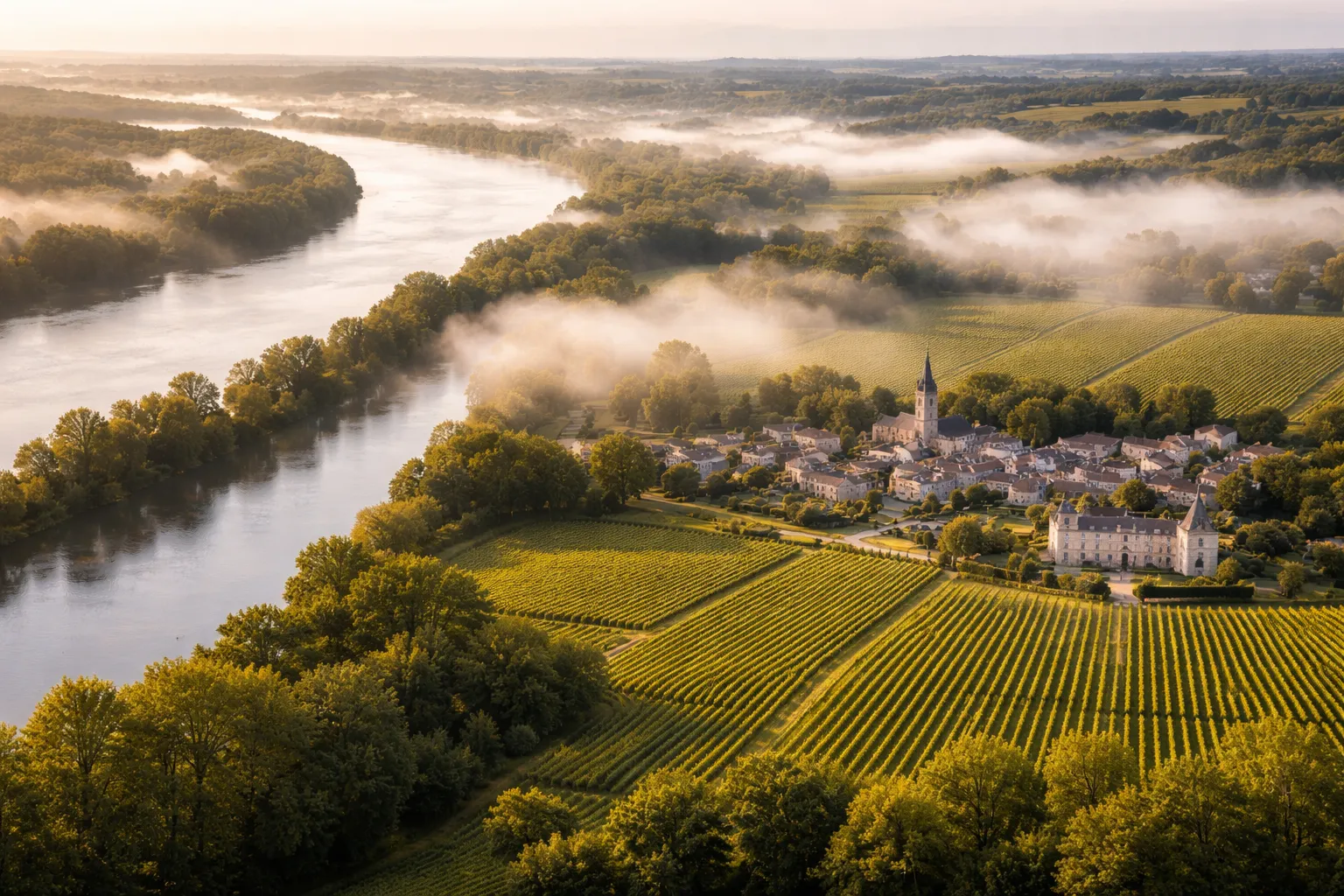
Cérons is located on the left bank of the Garonne River, within the Graves region, positioned just north of Sauternes and Barsac. At first glance, there is little to distinguish it geographically from these neighbouring appellations. The same river influences the vineyards, and the same climatic conditions make the development of noble rot possible.
Yet the identity of Cérons lies in nuance.
Key geographical characteristics
- vineyards positioned along the Garonne River
- slightly reduced intensity of morning mists compared to Sauternes
- a mix of gravel, clay, and limestone soils
- gently sloping vineyard sites rather than steep inclines
These subtle distinctions influence how grapes ripen and how sweetness develops within the wine.
While Sauternes often produces wines of great density and concentration, Cérons tends to favour a lighter, more measured style.
The Climate and the Role of the Garonne
The Garonne River plays a central role in shaping the wines of Cérons.
During autumn, the river generates morning mists that create the humid conditions necessary for Botrytis cinerea, or noble rot. As the day progresses, the sun burns away the mist, drying the grapes and allowing sugars to concentrate without causing undesirable rot.
This delicate balance between humidity and warmth is essential.
Climatic influences on Cérons vineyards
- morning mist encourages noble rot development
- afternoon sunlight stabilises grape health
- river proximity moderates temperature fluctuations
- seasonal variation influences the intensity of sweetness
In Cérons, this process is often less extreme than in Sauternes, resulting in wines where acidity and freshness remain more prominent.
Noble Rot and Its Subtle Expression
Noble rot is the defining factor in the production of sweet Bordeaux wines, and Cérons is no exception. However, the way it manifests here differs slightly.
Rather than dominating the wine, noble rot in Cérons often plays a more restrained role.
Effects of noble rot in Cérons
- concentration of sugars within the grape
- development of honeyed and citrus notes
- enhancement of aromatic complexity
- preservation of acidity when carefully managed
Because the process is less intense, the resulting wines retain a clarity and freshness that distinguishes them from richer styles.
The Grape Varieties of Cérons
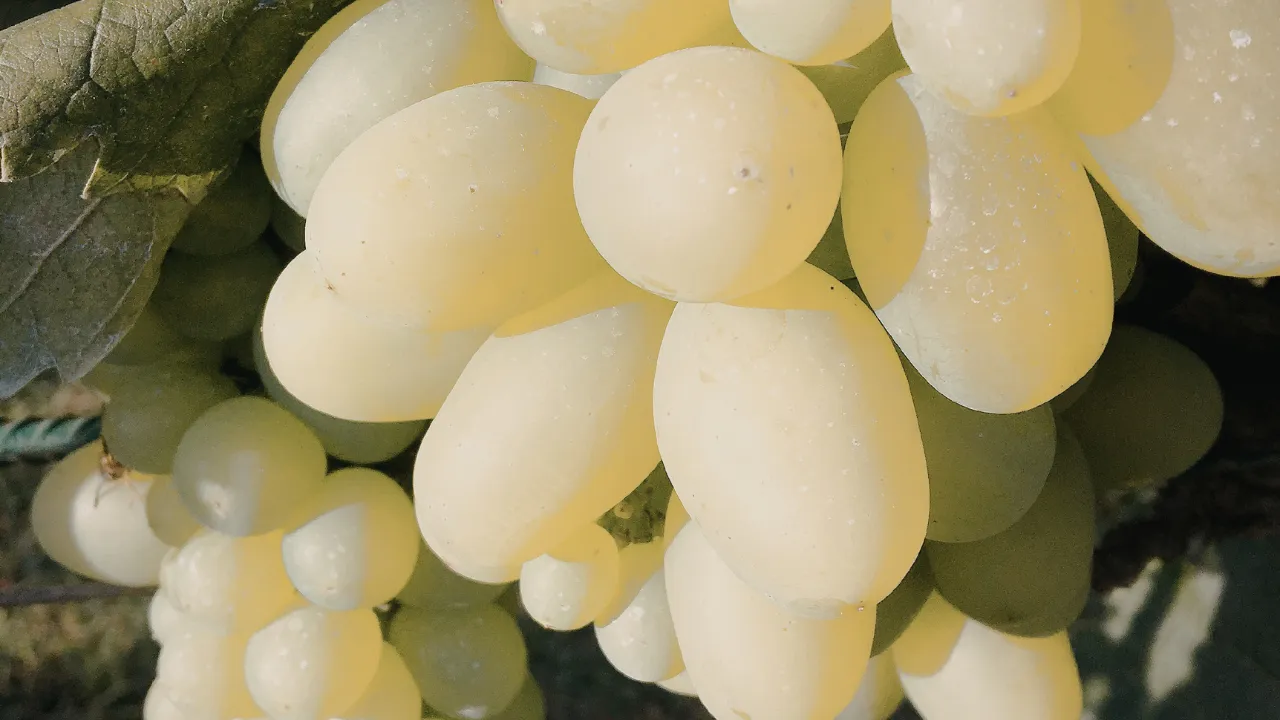
Cérons wines are produced from the traditional white grape varieties of Bordeaux, each contributing a specific element to the final blend.
Main grape varieties
- Sémillon – provides body, texture, and richness
- Sauvignon Blanc – adds acidity and aromatic freshness
- Muscadelle – contributes delicate floral notes
The balance between these grapes is essential in defining the style of Cérons wines.
Compared with Sauternes, Sauvignon Blanc often plays a slightly more visible role, reinforcing the wine’s freshness and structure.
Harvesting: Precision and Patience
Harvesting in Cérons is a slow and highly selective process.
Because noble rot develops unevenly across the vineyard, grapes must be picked in stages. Vineyard workers move through the same rows multiple times, selecting only the grapes that have reached the ideal level of concentration.
Characteristics of the harvest
- multiple passes through the vineyard
- selection of individual berries rather than whole bunches
- low yields with high concentration
- strong dependence on weather conditions
This method requires experience and judgement, as timing is critical to achieving balance.
Winemaking Approach in Cérons
Once harvested, the grapes are gently pressed to extract their concentrated juice. Fermentation proceeds slowly due to the high sugar content, and winemakers must carefully control the process to maintain equilibrium between sweetness and acidity.
Unlike heavier sweet wines, the goal in Cérons is refinement.
Key priorities in winemaking
- preserving natural acidity
- avoiding excessive concentration
- maintaining clarity of flavour
- ensuring balance between sweetness and freshness
This approach results in wines that feel composed and precise.
The Style of Cérons Wines
Cérons wines are defined by their elegance and restraint.
They offer sweetness, but it is always balanced by acidity, creating a wine that remains refreshing rather than heavy.
Typical flavour profile
- citrus peel and honey
- white peach and apricot
- floral aromatics
- light spice and mineral notes
The defining characteristic is balance. The wines feel lifted, with freshness playing as important a role as sweetness.
Soil Influence and Terroir
The soils of Cérons contribute significantly to its identity.
Unlike some neighbouring areas dominated by gravel, Cérons includes a mix of limestone and clay, which helps preserve acidity and structure within the grapes.
For readers interested in how nearby appellations interpret similar conditions differently, the subject is explored in Barsac Wines Explained: The Elegance of Sweet Bordeaux, where limestone plays a central role in shaping wine style.
In Cérons, these soils contribute to:
- greater freshness in the final wine
- finer structural balance
- more restrained fruit expression
Why Cérons Remains Overlooked
Despite its quality, Cérons remains one of Bordeaux’s lesser-known appellations.
Reasons for its lower profile
- overshadowed by Sauternes
- smaller production volumes
- limited global marketing
- changing consumer preferences toward dry wines
Yet this relative obscurity has also preserved its identity.
Without the pressure to conform to global expectations, Cérons has maintained a style rooted in balance and tradition.
Experiencing Cérons Within Bordeaux
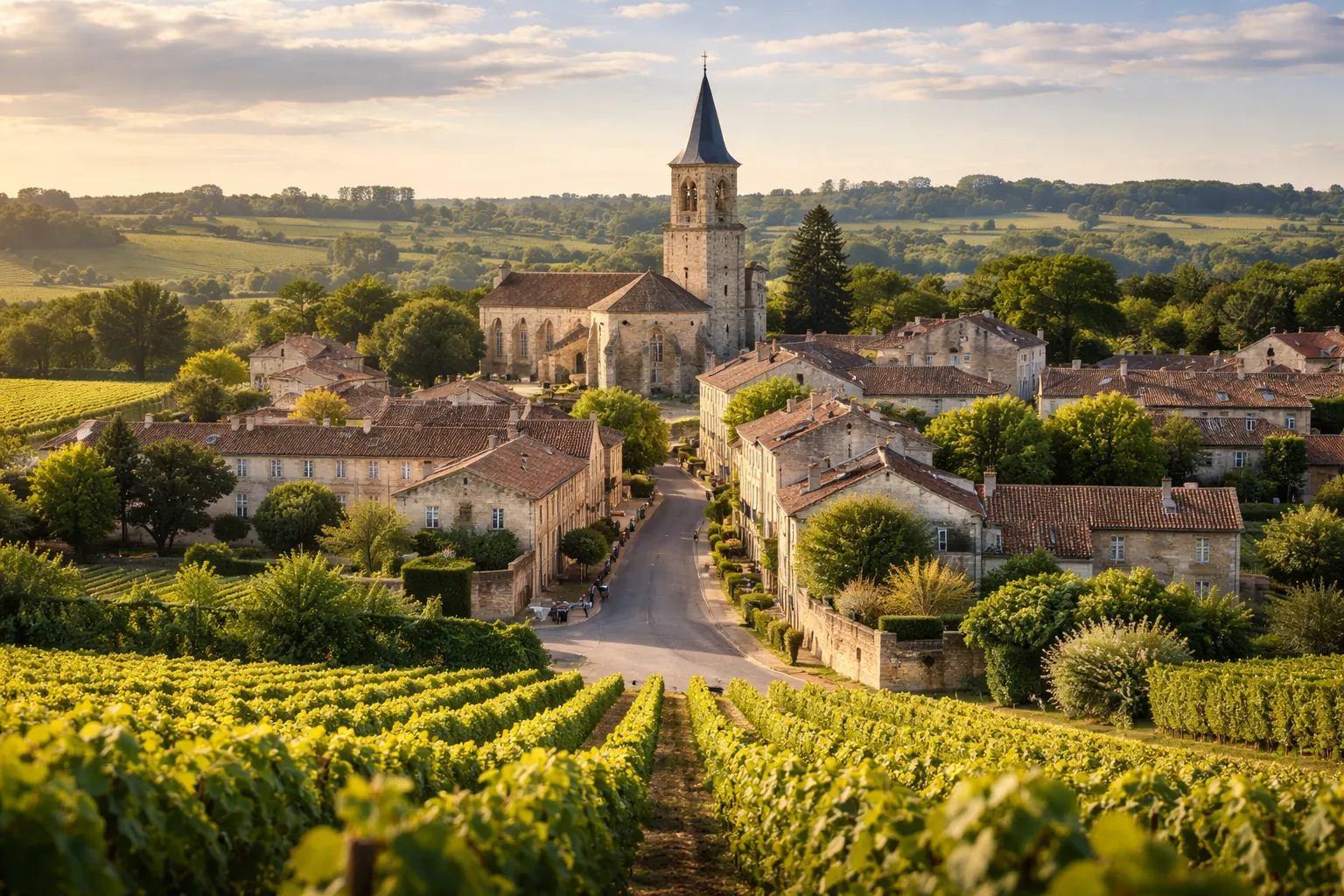
For travellers, discovering Cérons offers a deeper understanding of Bordeaux’s diversity.
Moving beyond the most famous appellations reveals how varied the region truly is. From powerful Left Bank reds to delicate sweet wines, Bordeaux expresses itself in many different ways.
Many visitors begin to understand this diversity while exploring vineyards across the region during a Saint Emilion Wine Tour, where experiencing different terroirs highlights the complexity of Bordeaux wine.
The Quiet Strength of Cérons
Cérons does not attempt to compete with its more famous neighbours. It does not seek intensity or scale.
Instead, it offers a refined interpretation of sweet Bordeaux — one built on balance, freshness, and subtle complexity.
Its wines demonstrate that sweetness can be elegant rather than powerful, precise rather than overwhelming.
For those willing to explore beyond the most recognised names, Cérons reveals a different dimension of the Bordeaux wine region — one shaped not by dominance, but by quiet confidence
