Château Angélus and the Saint-Émilion Reclassification Debate
Few estates in the Bordeaux wine region have stood as prominently at the centre of controversy as Château Angélus. Once emblematic of Saint-Émilion’s highest tier, Angélus later withdrew from the appellation’s classification system — a decision that reignited long-standing debates about hierarchy, transparency, and market influence.
To understand this moment properly, one must first understand how Saint-Émilion’s classification differs fundamentally from the 1855 system on the Left Bank. Where the Médoc classification is fixed, Saint-Émilion’s is revised roughly every decade. This flexibility was designed to reward evolving quality — yet it has also introduced instability.
For wine travellers seeking to contextualise Saint-Émilion’s hierarchy before diving into its complexities, beginning with a structured Saint-Émilion Wine Tour provides clarity on how terroir, classification, and style intersect within the broader Right Bank landscape.
How the Saint-Émilion Classification Works
Unlike the 1855 Classification, which remains largely unchanged, Saint-Émilion’s hierarchy is periodically reviewed and updated. To understand how this dynamic system operates — including its tiers, evaluation criteria, and periodic revisions — exploring The Saint-Émilion Classification Explained provides deeper context on how estates rise, fall, or withdraw from the ranking over time.
The structure typically includes:
- Grand Cru Classé
- Premier Grand Cru Classé B
- Premier Grand Cru Classé A
This dynamic model was intended to reflect current performance rather than historical pricing alone. In theory, estates could rise or fall depending on quality and evaluation criteria.
However, this adaptability has introduced tension. Unlike a fixed hierarchy, a revisable system carries political and economic consequences with every review.
Château Angélus: Rise to Premier Grand Cru Classé A
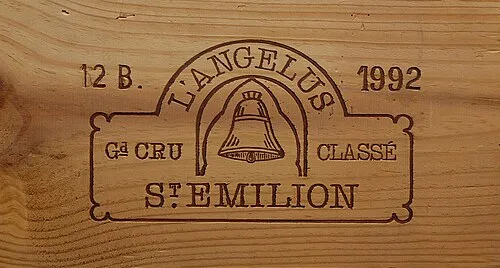
Château Angélus rose through the Saint-Émilion ranks over decades, eventually achieving the coveted Premier Grand Cru Classé A status.
Its wines became known for:
- Polished tannins
- Concentrated fruit
- Modern precision
- Consistent critical acclaim
For many observers, Angélus symbolised the success of Saint-Émilion’s dynamic classification — proof that estates could evolve and be rewarded accordingly.
Yet that same dynamism later exposed the system’s vulnerabilities.
The Reclassification Controversy
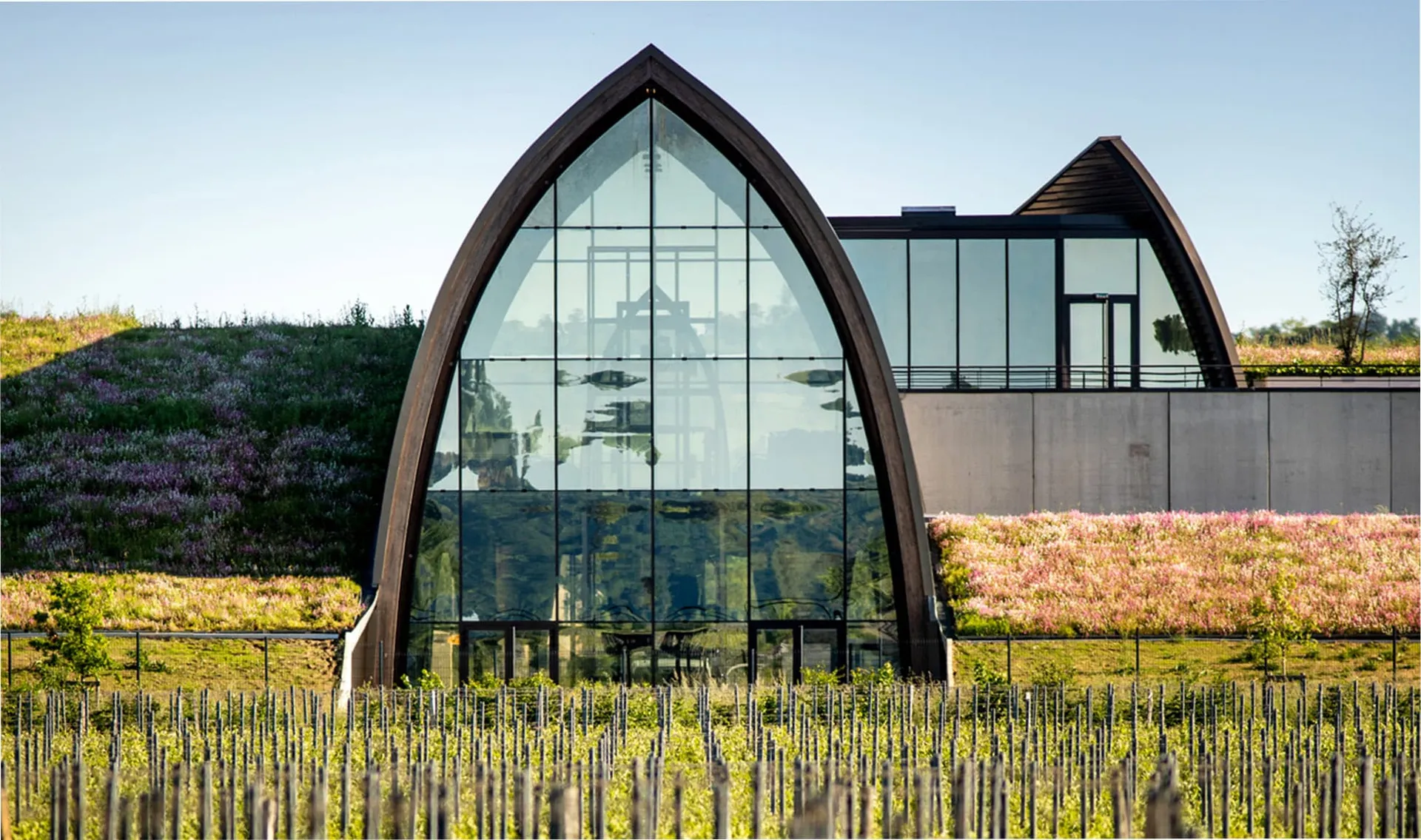
Over successive classification reviews, legal challenges and disputes emerged. Some estates contested the evaluation criteria. Others questioned transparency and potential conflicts of interest.
The debate intensified as prominent estates, including Angélus, chose to withdraw from participation in subsequent classification rounds.
This move did not imply declining quality. Rather, it signalled discomfort with the system itself — suggesting that the process of classification had become as contentious as the wines it sought to rank.
For observers of the Bordeaux wine region, this raised an important question: does a dynamic classification strengthen credibility, or undermine stability?
Classification Versus Market Reality
One of the core tensions in Saint-Émilion lies between formal ranking and market perception.
Château Angélus, even outside the classification, continues to command global demand. Its pricing and collector interest remain strong. This illustrates a broader truth: classification can influence perception, but it does not solely determine value.
Market trust, terroir integrity, and long-term performance often matter more.
This disconnect highlights a structural challenge within Saint-Émilion’s system. If market confidence persists independently of classification, how essential is the ranking itself?
The Impact on Saint-Émilion’s Identity
Saint-Émilion’s identity is deeply intertwined with its classification. Periodic revisions create movement — promotions, demotions, controversy.
While this dynamism can generate attention, it can also create uncertainty.
For wine lovers, the key is to separate classification from terroir. Estates like Angélus are defined first by soil, vineyard management, and blending philosophy. Classification may amplify visibility, but it does not create substance.
Understanding this distinction prevents overreliance on labels.
Why Angélus Matters in the Debate
Château Angélus is not merely a participant in classification controversy; it is symbolic.
Its rise reflected the ambition of modern Saint-Émilion. Its withdrawal exposed tensions within the system. Its continued market strength demonstrates that prestige can endure beyond formal ranking.
This makes Angélus a case study in how Bordeaux navigates tradition and adaptation simultaneously.
How the Reclassification Debate Affects Collectors
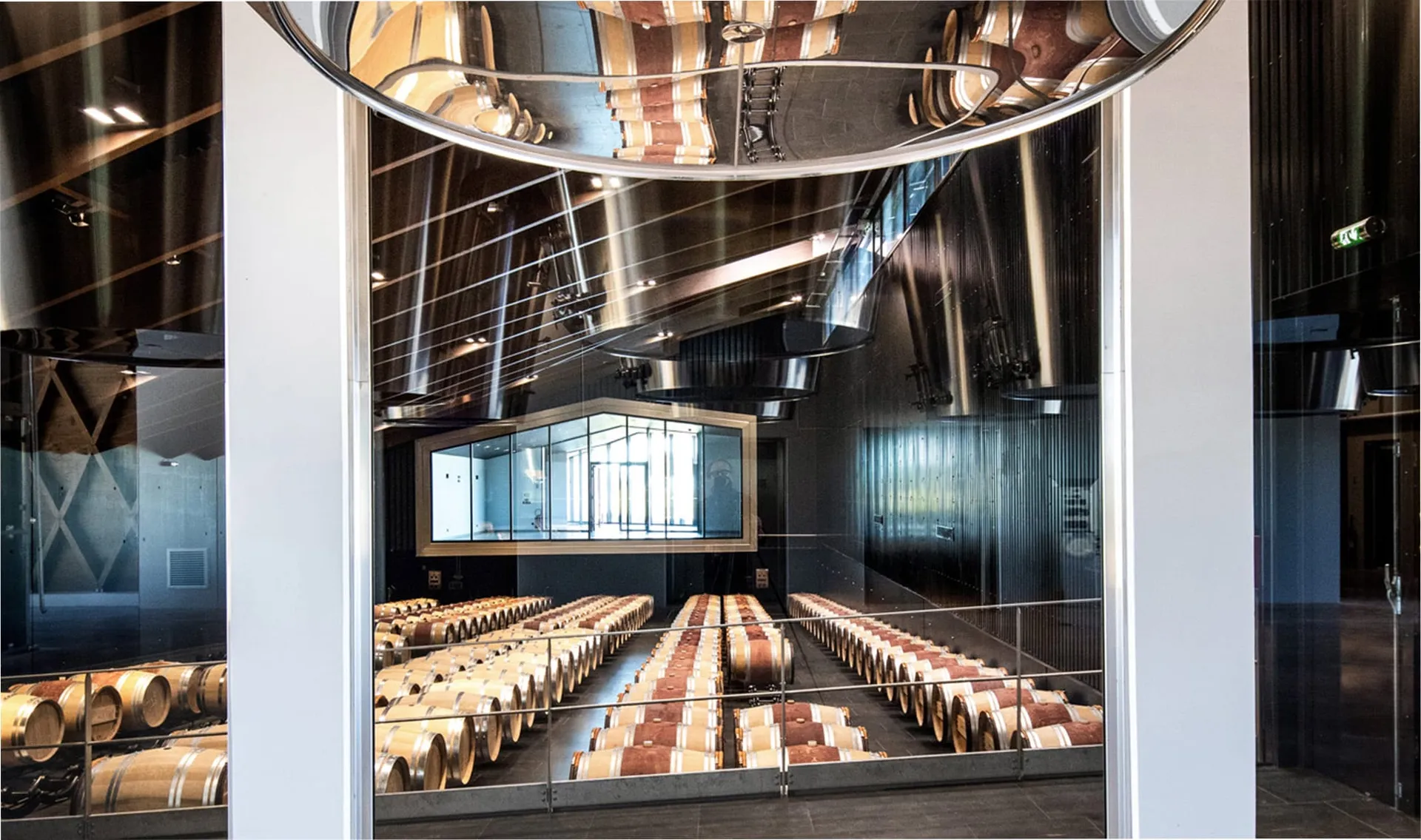
For collectors of Saint-Émilion wines, classification shifts create both uncertainty and opportunity.
When estates rise within the ranking, prices often adjust rapidly. Promotions signal institutional validation, which can strengthen secondary market demand. Conversely, demotions or withdrawals can introduce hesitation — not necessarily about wine quality, but about long-term perception.
In the case of Château Angélus, withdrawal from the classification did not diminish demand. Its pricing and collector confidence remained stable. This suggests that at the highest levels of the Bordeaux wine region, market trust can operate independently of formal ranking.
For experienced buyers, terroir consistency and track record outweigh bureaucratic positioning.
Fixed Versus Flexible: 1855 Compared to Saint-Émilion
The contrast between the fixed 1855 Classification and the revisable Saint-Émilion system reveals two competing philosophies.
The 1855 model prioritises historical continuity. It rarely changes, reinforcing stability and predictability. This rigidity can appear outdated, yet it avoids recurring legal disputes.
Saint-Émilion’s flexible system was designed to reward evolving excellence. However, periodic revisions introduce pressure, scrutiny, and political complexity.
Both systems carry strengths and weaknesses:
- Fixed classification offers stability but limited adaptability.
- Dynamic classification offers responsiveness but invites controversy.
The Angélus debate sits precisely at this intersection.
Reputation Beyond Ranking
One of the clearest lessons from the reclassification debate is that reputation ultimately transcends ranking.
Château Angélus built its standing over decades through vineyard management, stylistic clarity, and consistent performance across vintages. These elements form the backbone of its identity.
Classification amplified visibility, but it did not create the estate’s credibility. When Angélus stepped away from the ranking process, its market value remained intact because the foundation had already been established.
This distinction matters for serious wine lovers: substance precedes status.
Long-Term Implications for Saint-Émilion
The ongoing debate raises broader questions about the future of Saint-Émilion’s hierarchy.
If prominent estates opt out of classification, the system risks dilution. Yet abandoning flexibility entirely could undermine its original purpose.
Saint-Émilion now stands at a crossroads. It must balance transparency, fairness, and continuity while preserving the credibility of its top tiers.
For the broader Bordeaux wine region, this debate underscores an enduring truth: classification is a tool, not a guarantee. Terroir integrity and long-term performance ultimately define value.
The Role of Criticism and Media
Modern wine markets amplify classification debates through media and critic influence. A single announcement can reshape perception rapidly.
However, over time, bottle performance stabilises the narrative. Wines that age gracefully reinforce reputation regardless of administrative shifts.
In this sense, Saint-Émilion’s future credibility will depend less on paperwork and more on sustained vineyard excellence.
What Château Angélus Ultimately Represents
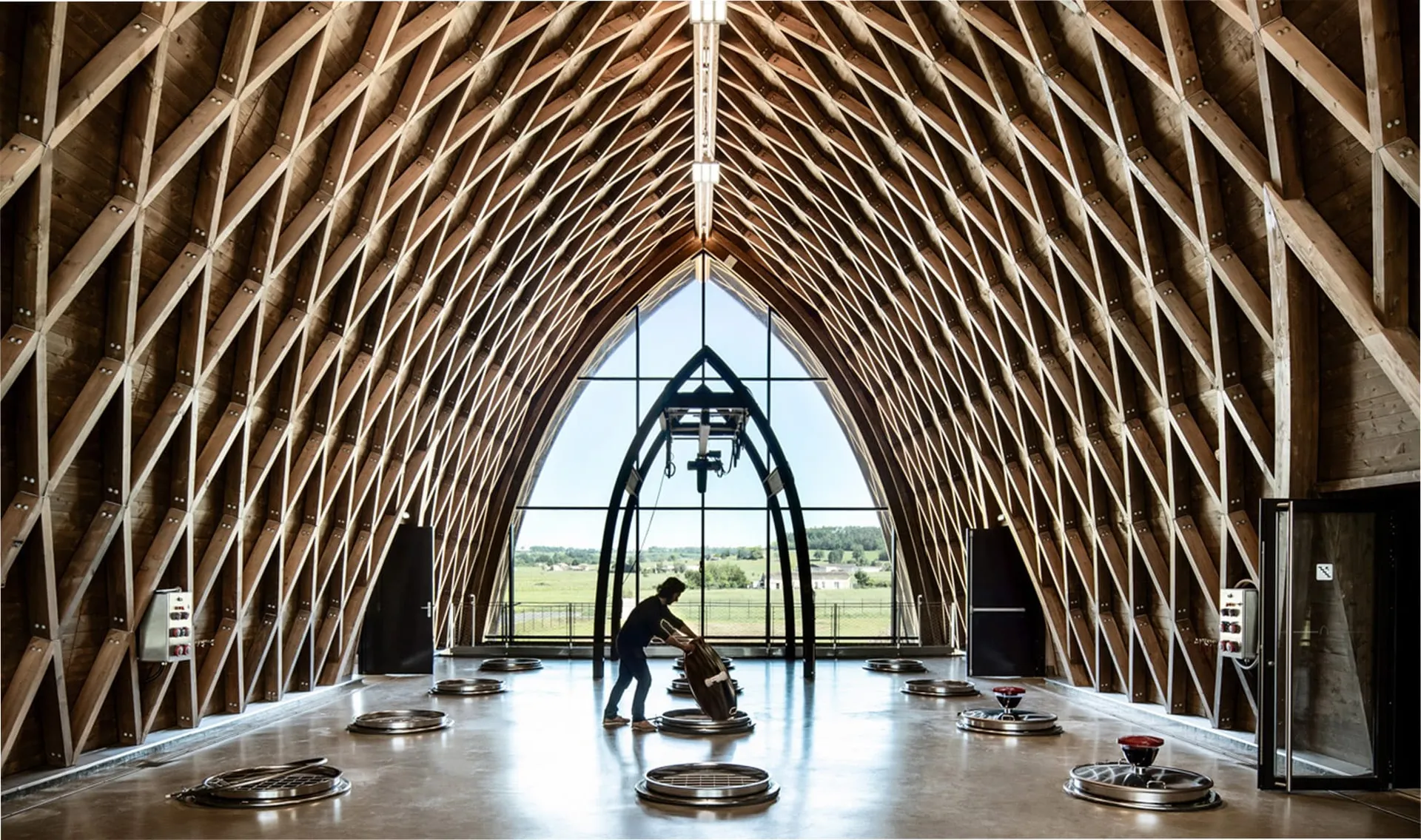
Château Angélus represents ambition within Saint-Émilion — ambition to refine style, to modernise presentation, and to compete globally.
Its classification journey reflects both success and friction. Its withdrawal reflects confidence in its independent reputation.
Rather than weakening Saint-Émilion, the debate may ultimately strengthen it by forcing greater transparency and clarity in evaluation criteria.
Controversy, when managed thoughtfully, can refine institutions rather than dismantle them.
A Closing Reflection
The story of Château Angélus and the Saint-Émilion reclassification debate is not merely about hierarchy. It is about how wine regions balance tradition and evolution.
Saint-Émilion’s willingness to revise its ranking system reflects dynamism. The controversy surrounding those revisions reflects the stakes involved. At the highest level of the Bordeaux wine region, classification intersects with identity, market confidence, and long-term legacy.
For wine lovers seeking to understand Saint-Émilion beyond headlines, grounding exploration in experience remains essential. Discovering the region through a structured Saint Emilion Wine Tour provides the clarity needed to separate classification politics from terroir reality — revealing why estates like Angélus matter regardless of ranking.
