Château Bélair-Monange: Limestone Heritage at the Heart of Saint-Émilion
Within the Bordeaux wine region, certain vineyard sites possess an importance that goes beyond reputation or classification. They are places where geology, exposure, and centuries of viticulture combine to produce wines that define the identity of an appellation. One such estate is Château Bélair-Monange, a historic vineyard located on the limestone plateau above the medieval village of Saint-Émilion.
For generations, this elevated plateau has produced wines known for their elegance, structure, and ageing potential. Long before modern winemaking techniques emerged, growers recognised that vines planted in these soils produced wines with remarkable balance. Today, Château Bélair-Monange continues to express this historic terroir through wines that reflect the essence of Right Bank Bordeaux.
Understanding the estate also reveals something fundamental about Bordeaux itself. The region is often described through classifications and famous châteaux, yet the real explanation lies beneath the vines. Limestone, clay, and gravel create distinct vineyard environments that shape the wines far more profoundly than reputation alone.
Travellers walking through the vineyards surrounding Saint-Émilion quickly recognise this connection. The limestone plateau, the slopes that descend toward the Dordogne valley, and the concentration of historic estates all reveal how geography defines the wines. Many visitors begin to understand these relationships during a Saint Emilion Wine Tour, where the landscape itself explains how estates like Bélair-Monange fit into the broader structure of Bordeaux.
The Limestone Plateau That Defines Saint-Émilion
The village of Saint-Émilion stands above one of the most distinctive geological formations in Bordeaux.
Millions of years ago, the region lay beneath a shallow sea. Marine sediments accumulated and eventually hardened into limestone rich with fossilised marine organisms. This rock — known locally as calcaire à astéries — became the geological foundation for many of the appellation’s most prestigious vineyards.
The limestone plateau surrounding the village plays a central role in shaping the character of Saint-Émilion wines.
Several natural characteristics explain its importance:
- Water regulation – limestone stores moisture deep underground while maintaining excellent surface drainage.
- Deep root penetration – vines develop extensive root systems within cracks in the rock.
- Balanced ripening – soils prevent excessive vine stress during warm summers.
- Mineral freshness – wines retain vibrancy and tension even after long ageing.
Because of these qualities, many of Saint-Émilion’s most respected vineyards are located on this plateau.
Château Bélair-Monange occupies a particularly privileged position within this historic zone, directly benefiting from the geological conditions that have shaped the region’s most celebrated wines.
For readers seeking a deeper understanding of Bordeaux’s geography, the relationships between different soils and appellations become clearer when exploring The Bordeaux Wine Regions Explained, which reveals how terroir differences shape wine styles across the entire region.
A Vineyard Site with Ancient Origins
Historical evidence suggests that vines were planted on the land surrounding Bélair-Monange as early as the Roman period.
Even without scientific knowledge of soil chemistry, early growers recognised that vines planted in these limestone soils produced wines with remarkable depth and longevity. Over centuries, the vineyard evolved through several owners before becoming known as Château Bélair.
By the nineteenth century the estate had already gained recognition within the Saint-Émilion wine community.
When the Saint-Émilion classification system was introduced, the estate’s reputation ensured its place among the leading vineyards of the appellation.
The Arrival of the Moueix Family
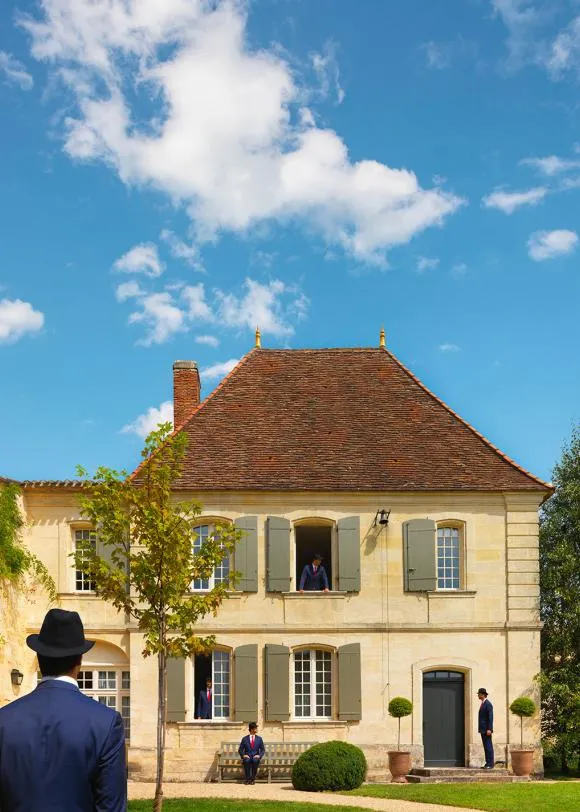
A significant transformation in the estate’s modern history occurred in 2008, when the property was acquired by the Moueix family, one of the most influential wine families on Bordeaux’s Right Bank.
The family has long been associated with prestigious vineyards in neighbouring Pomerol, and their acquisition marked a new chapter for the estate.
Following the purchase, the property was renamed Château Bélair-Monange, honouring the Monange family lineage of Jean-Pierre Moueix.
Under the new stewardship, the estate underwent several improvements:
- reorganisation of vineyard parcels
- refinement of viticultural practices
- renovation of cellar facilities
- increased focus on terroir expression
These investments allowed the estate to highlight the distinctive qualities of its limestone terroir while preserving the historic identity of the vineyard.
Vineyard Composition and Grape Varieties
Today the estate covers approximately twenty hectares of vineyards on the limestone plateau and surrounding slopes.
Like most vineyards in Saint-Émilion, the plantings follow the traditional Right Bank grape composition.
Main grape varieties
- Merlot – the dominant variety providing richness, depth, and supple tannins
- Cabernet Franc – contributing aromatic lift, floral notes, and structural elegance
Merlot thrives particularly well in clay-limestone soils where it develops generous fruit flavours while maintaining soft texture.
Cabernet Franc complements Merlot by adding precision and freshness to the blend.
Together, these varieties create wines that balance richness with structural finesse — a defining characteristic of the best Saint-Émilion estates.
Precision in the Vineyard
Modern Bordeaux viticulture treats vineyards as a mosaic of micro-parcels rather than a single uniform landscape.
At Bélair-Monange, each parcel is monitored individually throughout the growing season.
The vineyard team carefully evaluates several factors:
- soil composition and limestone depth
- vine vigour and canopy growth
- sunlight exposure and slope orientation
- grape ripeness across individual plots
Harvest decisions are therefore made parcel by parcel, ensuring grapes reach optimal maturity before picking.
This meticulous approach allows the estate to capture subtle variations in terroir that ultimately contribute to the complexity of the final wine.
Winemaking Philosophy
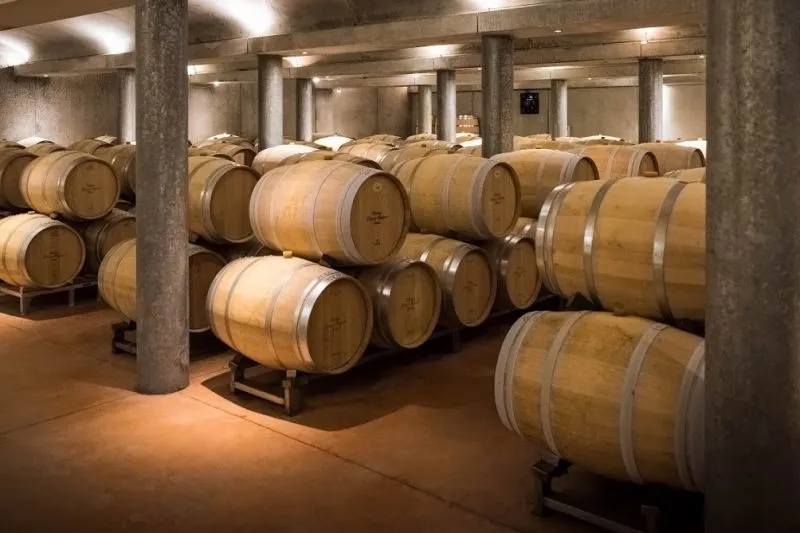
Once harvested, the grapes are transported to the cellar where careful sorting removes any imperfect fruit.
Fermentation takes place in temperature-controlled vats, allowing the winemaking team to guide extraction of colour, tannins, and aromatic compounds.
After fermentation, the wines are transferred to French oak barrels for ageing.
Barrel maturation typically lasts between sixteen and eighteen months.
The purpose of oak ageing includes:
- gradual integration of tannins
- development of aromatic complexity
- controlled oxygen exposure that softens texture
Rather than dominating the wine, the oak influence is designed to support the natural fruit and mineral structure derived from the vineyard.
The Style of Château Bélair-Monange Wines
Wines from Bélair-Monange are often described as combining power with elegance.
In their youth they typically reveal aromas of:
- black cherry
- plum
- blackberry
- violet
- graphite
With ageing, these primary fruit characteristics gradually evolve into more complex tertiary notes:
- truffle
- tobacco leaf
- forest floor
- cedar
The limestone backbone of the vineyard ensures that even rich vintages retain a sense of freshness and balance.
This mineral tension allows the wines to develop gracefully over decades.
Visiting the Plateau of Saint-Émilion
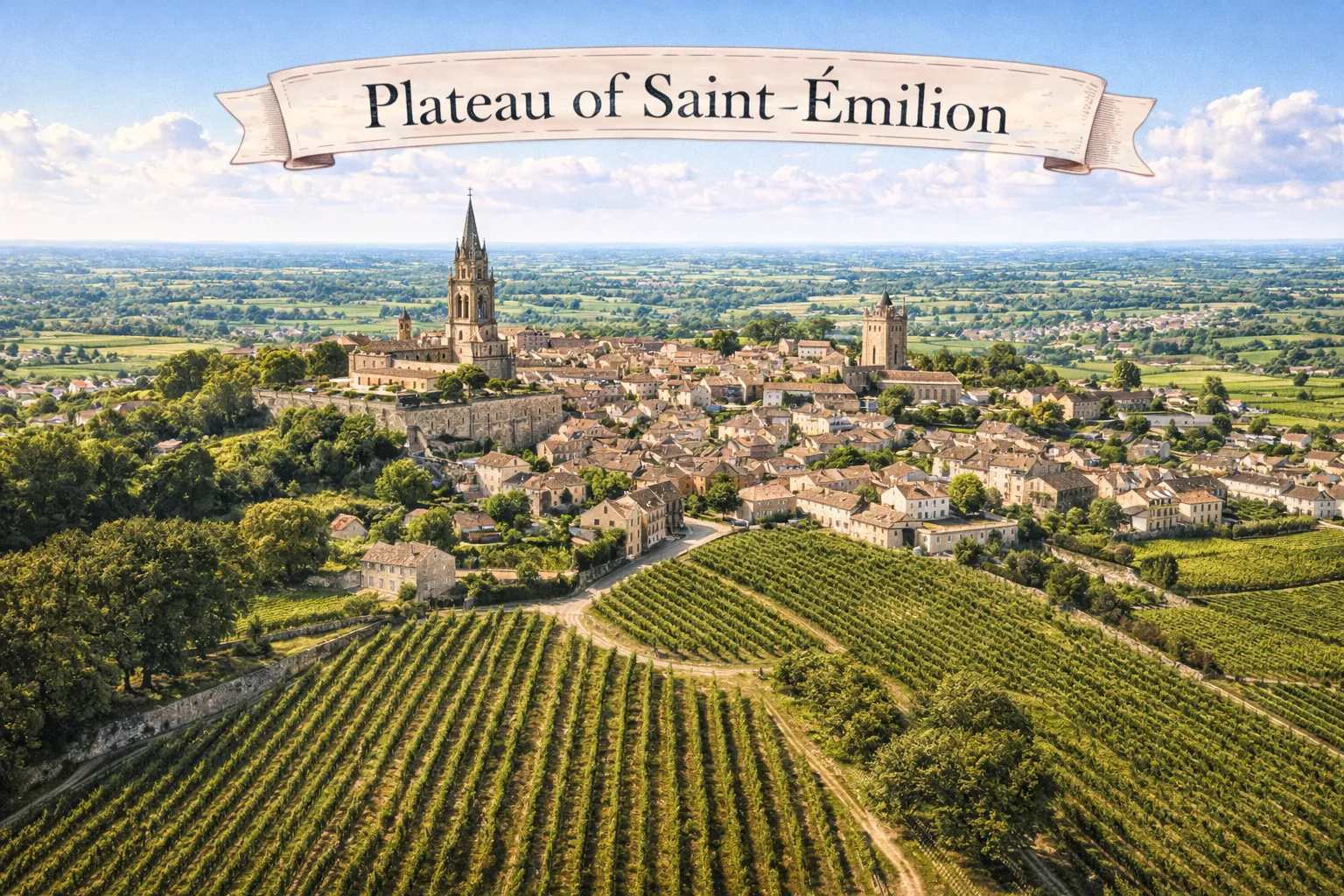
Few wine regions in the world combine landscape and history as closely as Saint-Émilion.
The village itself dates back centuries, with narrow stone streets, underground limestone cellars, and historic monuments surrounded by vineyards.
Standing on the plateau near Bélair-Monange reveals a landscape shaped entirely by wine.
Rows of vines extend across the slopes, connecting neighbouring estates that have cultivated these hillsides for generations.
Many visitors discover that seeing the vineyards in person transforms their understanding of Bordeaux wines.
Walking or cycling through the plateau during a Saint Emilion Wine Tour often reveals how geology, climate, and vineyard tradition combine to produce the wines that have made Saint-Émilion famous.
A Vineyard Defined by Time
Bordeaux has always been a region that thinks in centuries rather than years.
Vineyards evolve slowly, influenced by geological forces, climatic variation, and the decisions of the families who cultivate them.
Château Bélair-Monange reflects this long perspective.
From its ancient vineyard site on the limestone plateau to its modern stewardship under the Moueix family, the estate represents continuity within a constantly evolving wine region.
Vintage after vintage, the vineyard expresses the same essential elements:
- Merlot richness
- Cabernet Franc elegance
- limestone freshness
- remarkable ageing potential
In the quiet vineyards surrounding Saint-Émilion, where medieval history meets ancient geology, Château Bélair-Monange continues to produce wines that capture the enduring identity of Bordeaux.
And for those who wish to experience this landscape firsthand, exploring the plateau vineyards during a Saint Emilion Wine Tour often reveals how deeply the wines of Saint-Émilion are rooted in the land itself.
