Château Figeac: The Estate That Redefined Saint-Émilion
Among the great names of the Bordeaux wine region, few estates challenge expectations as consistently as Château Figeac. Located in Saint-Émilion yet stylistically closer to the Left Bank, Figeac has long occupied a distinctive place in Bordeaux’s landscape — geographically, historically, and philosophically.
While Saint-Émilion is typically associated with Merlot dominance and limestone expression, Figeac stands apart. Its gravel-rich soils and Cabernet emphasis create wines that defy simplistic Right Bank categorisation. Understanding Figeac is not simply about studying a château; it is about understanding how terroir can reshape regional identity from within.
For wine travellers seeking to ground their understanding of Saint-Émilion before exploring its stylistic variations, experiencing the region through a structured Saint-Émilion Wine Tour provides essential context, making Figeac’s differences far more legible.
Why Château Figeac Is Not a Typical Saint-Émilion Estate
To understand Château Figeac, one must first understand what it is not.
Saint-Émilion is broadly defined by:
- Clay and limestone soils
- Merlot-dominant blends
- Round texture and early approachability
Figeac, by contrast, sits on a unique gravel plateau at the western edge of the appellation, closer to Pomerol and even reminiscent of Médoc geology. Gravel drains quickly, warms efficiently, and favours Cabernet Sauvignon and Cabernet Franc rather than Merlot alone.
This geological anomaly produces wines structured differently from most of Saint-Émilion:
- Greater tannic framework
- Higher Cabernet proportion
- Longer ageing trajectory
- Left Bank–like architectural precision
Figeac, therefore, complicates the narrative that Saint-Émilion equals softness. In Bordeaux, two estates can use the same grape varieties yet produce dramatically different wines depending on soil composition, drainage, and vineyard decisions — a phenomenon explored in Why Two Bordeaux Châteaux Using the Same Grapes Can Taste Completely Different.
The Historical Foundations of Château Figeac
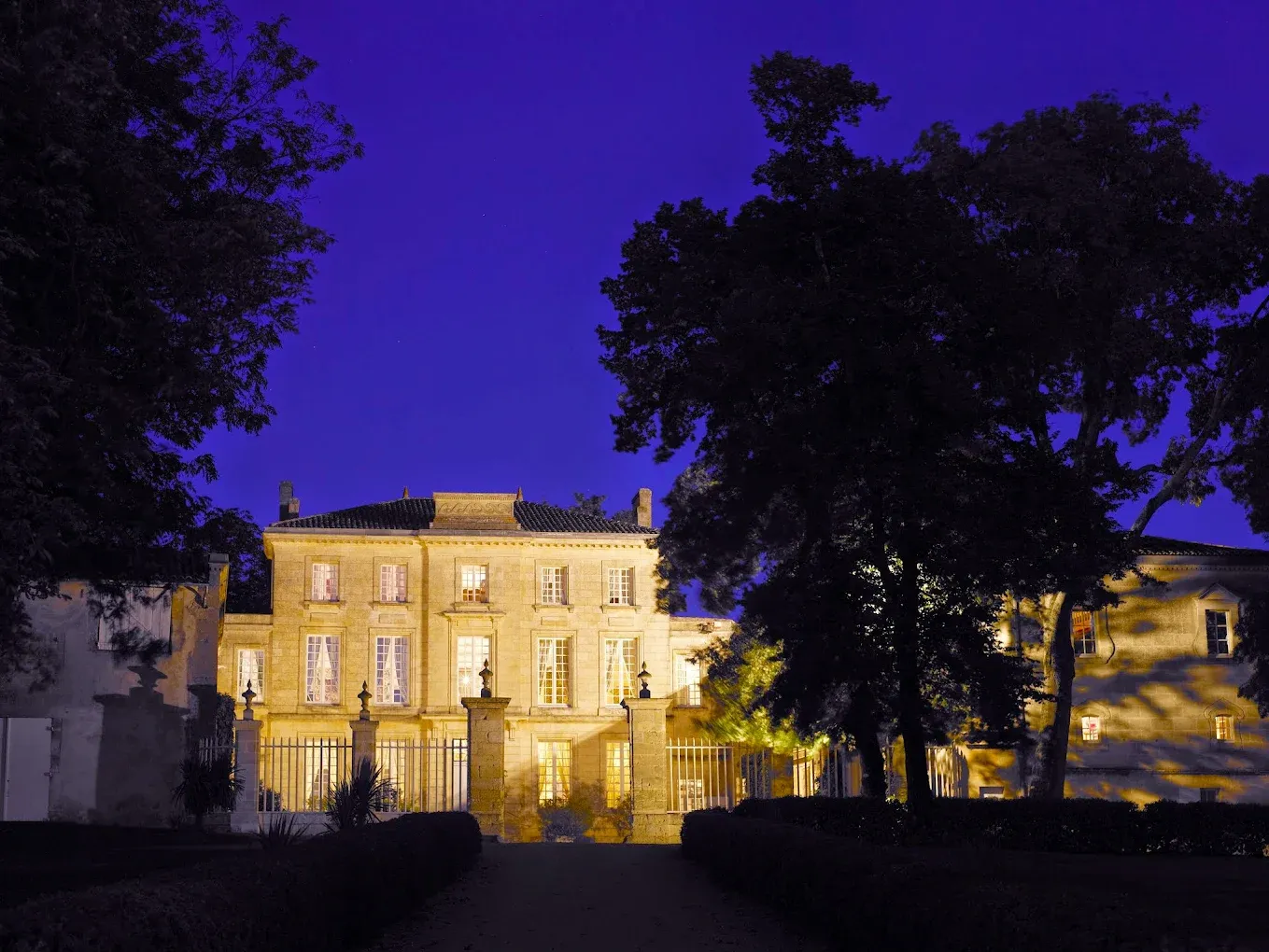
The estate’s history stretches back to Roman times, long before formal appellations existed. Over centuries, its land was divided and reassembled, yet its core identity — gravel-driven, Cabernet-friendly — remained intact.
Unlike estates that evolved primarily through trade advantage, Figeac evolved through land continuity. Its size and singular soil composition allowed it to maintain coherence even as Saint-Émilion’s classification system evolved around it.
This continuity explains why Figeac’s wines have long felt stylistically consistent, even as modern winemaking techniques refined precision.
Terroir: The Gravel Exception Within Saint-Émilion
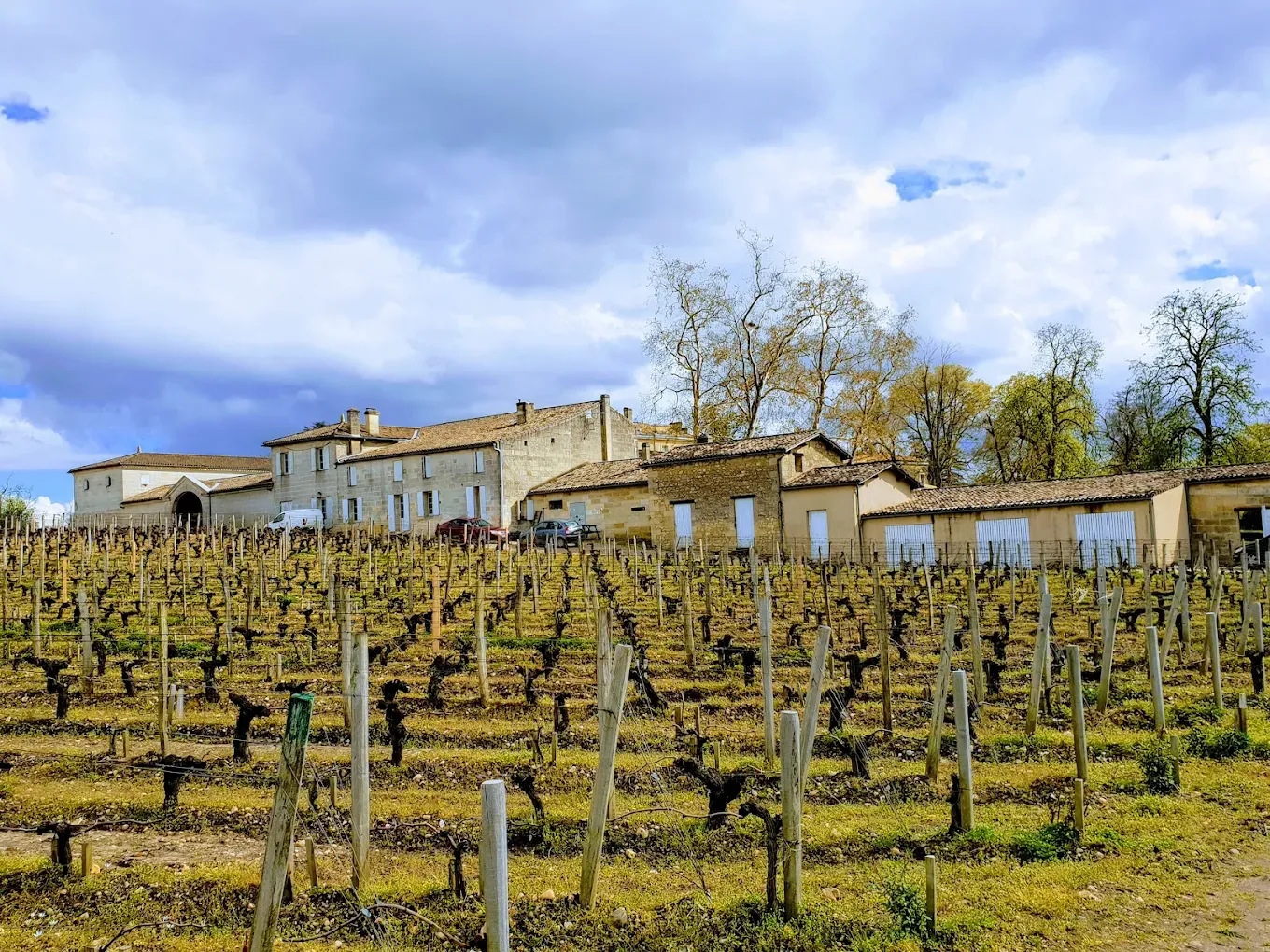
The defining feature of Château Figeac is its terroir. While limestone dominates much of Saint-Émilion, Figeac’s soils are composed of deep Günzian gravel layers over clay.
This matters profoundly.
Gravel encourages:
- Drainage during wet seasons
- Heat retention during ripening
- Cabernet ripeness in marginal climates
As a result, Figeac’s blend historically includes unusually high proportions of Cabernet Sauvignon for the Right Bank. This shifts its structural profile toward firmness, aromatic complexity, and extended ageing capacity.
It is not merely different for the sake of difference. It is responding to soil.
Cabernet Franc’s Role in Figeac’s Identity
While Cabernet Sauvignon contributes backbone, Cabernet Franc often defines Figeac’s aromatic signature.
Cabernet Franc thrives in Figeac’s conditions, bringing:
- Floral lift
- Graphite nuance
- Structural elegance
This grape bridges Left and Right Bank expression, combining aromatic refinement with texture. In many vintages, it is Cabernet Franc that gives Figeac its distinctive voice.
Understanding this helps wine lovers recognise that Saint-Émilion is not monolithic. Within the appellation, Figeac expands the stylistic vocabulary.
The Long Road to Premier Grand Cru Classé A
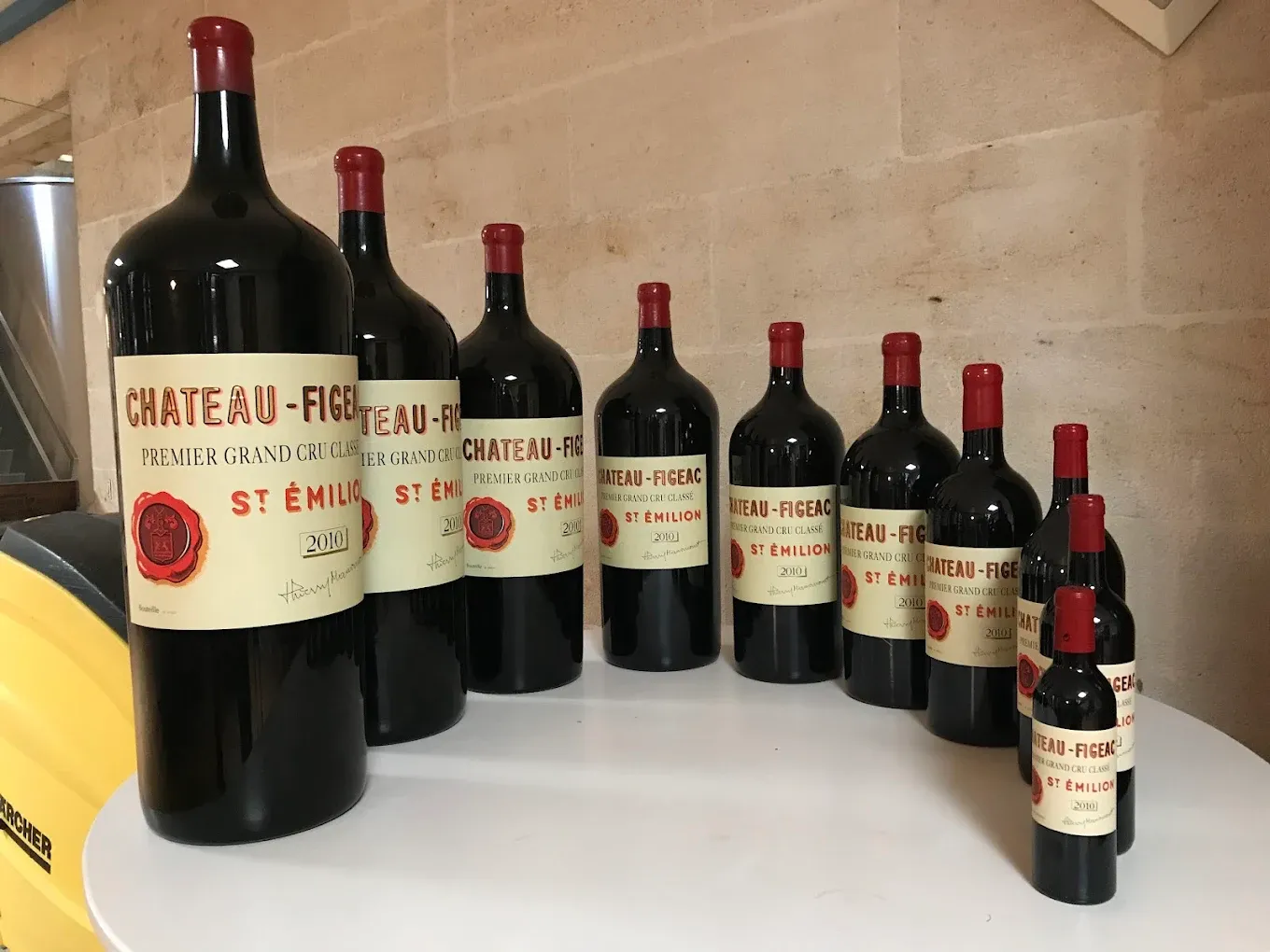
For decades, Figeac was recognised as exceptional yet not placed at the very top tier of Saint-Émilion’s classification. This status changed recently, elevating the estate to Premier Grand Cru Classé A.
This upgrade was not sudden. It reflected long-term consistency, investment in vineyard management, and refined precision in winemaking. It also signalled broader recognition that Saint-Émilion’s highest tier must account for stylistic diversity — not only Merlot richness.
Figeac’s elevation, therefore, represents more than an estate success story. It represents an expansion of what Saint-Émilion’s pinnacle can look like.
Style Evolution Without Identity Loss
Modern Bordeaux often faces pressure to adapt stylistically. Extraction levels, oak regimes, and ripeness targets have evolved across decades.
Figeac navigated these changes carefully. While refinement and precision improved, the estate resisted abandoning its structural core. Cabernet remained central. Freshness remained prioritised. Ageing capacity remained essential.
This restraint reinforces Figeac’s credibility. It shows that modernisation need not erase identity.
Ageing Profile and Structural Character
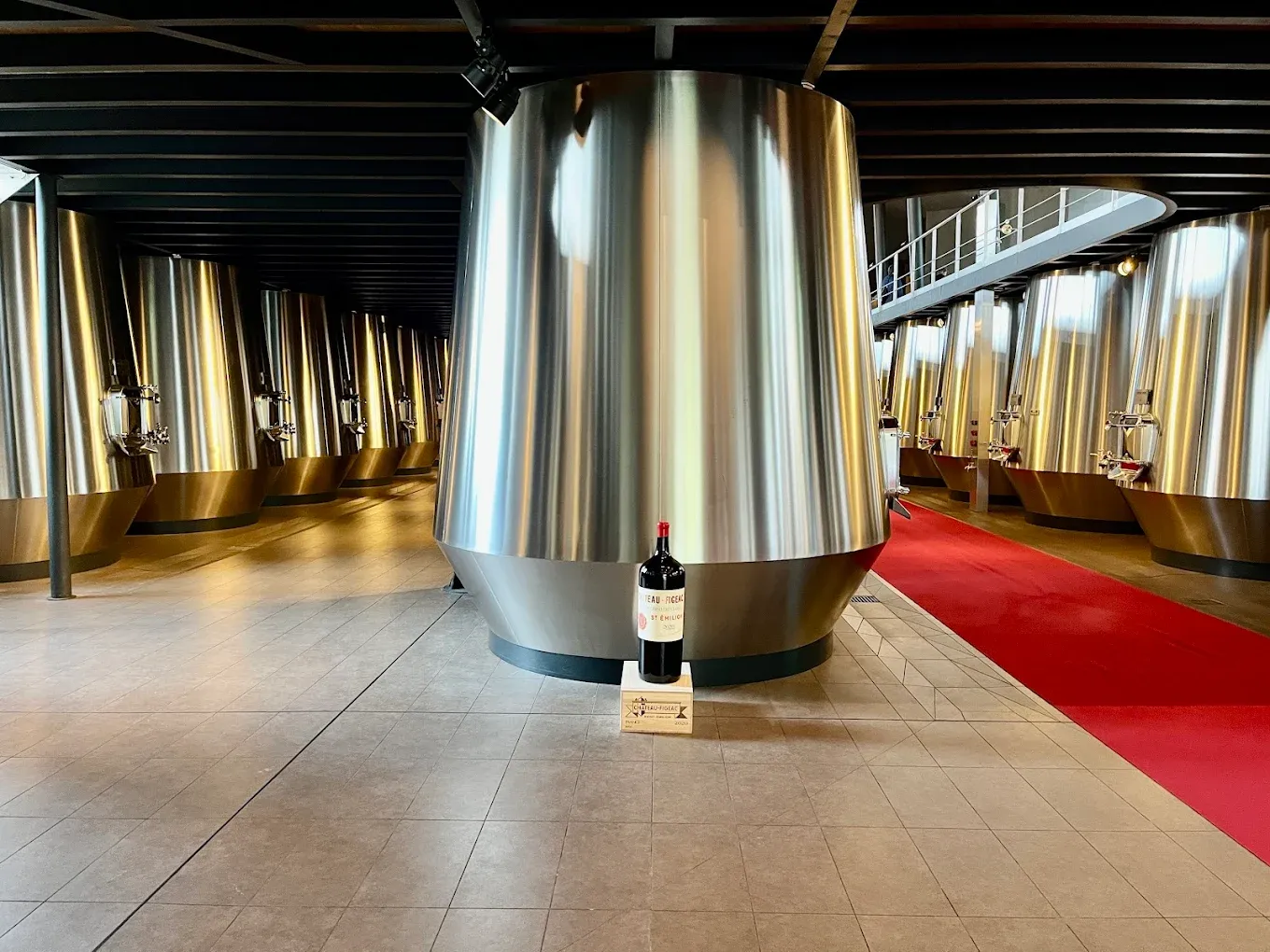
When young, Château Figeac often appears firm and reserved. Tannins frame rather than yield. Aromatics unfold gradually rather than immediately.
With age, however, the wine reveals:
- Cedar and graphite tones
- Complex secondary notes
- Silken tannin integration
This ageing curve differs from many Saint-Émilion wines, which may offer earlier generosity. Figeac demands patience — and rewards it.
Why Figeac Matters in the Broader Bordeaux Context
Figeac’s significance extends beyond Saint-Émilion.
It demonstrates that:
- Terroir overrides stereotype
- Classification evolves
- Right Bank does not equal Merlot dominance
For serious wine lovers, Figeac is instructive. It teaches that Bordeaux’s identity is not fixed, but layered.
Château Figeac Compared to Pomerol and the Left Bank
To fully understand Château Figeac, comparison is essential.
Within Saint-Émilion, Figeac is unusual for its high Cabernet proportion. But when placed beside Pomerol, its distinctiveness becomes even clearer. Pomerol is dominated by dense clay soils and Merlot-driven plushness. Wines there often emphasise opulence and mid-palate richness.
Figeac, by contrast, feels architectural.
Its gravel base encourages vertical structure rather than horizontal density. Tannins feel aligned rather than enveloping. Aromatics lean toward graphite and cedar rather than chocolate and plum. In blind tasting, Figeac can feel closer to a refined Left Bank wine than to many of its immediate neighbours.
This is precisely what makes it significant. It demonstrates that Saint-Émilion contains internal contrasts that expand the definition of Right Bank Bordeaux.
The Influence of Classification on Perception
The recent elevation of Figeac to Premier Grand Cru Classé A status did more than reward quality. It altered perception.
For decades, Saint-Émilion’s highest tier was associated with particular stylistic expectations — density, richness, and immediate impact. Figeac’s rise signals a broader understanding of excellence within the appellation.
It reinforces the idea that classification is not static. It evolves to reflect deeper recognition of terroir diversity and long-term consistency. In that sense, Figeac’s promotion reshaped not only its own position, but also the narrative of Saint-Émilion itself.
Market Position and Collector Behaviour
From a collector’s perspective, Château Figeac occupies a unique space.
It appeals to:
- Right Bank enthusiasts seeking structure
- Left Bank collectors curious about Saint-Émilion nuance
- Long-term cellaring buyers valuing Cabernet-driven ageing
Its wines tend to reward patience, often entering their most compelling phase after significant bottle age. This ageing curve reinforces its reputation among serious wine buyers who prioritise evolution over immediate gratification.
Figeac therefore bridges audiences. It is neither purely Right Bank nor comfortably Left Bank in style. It stands between traditions, drawing strength from both.
Viticulture and Precision in Modern Figeac
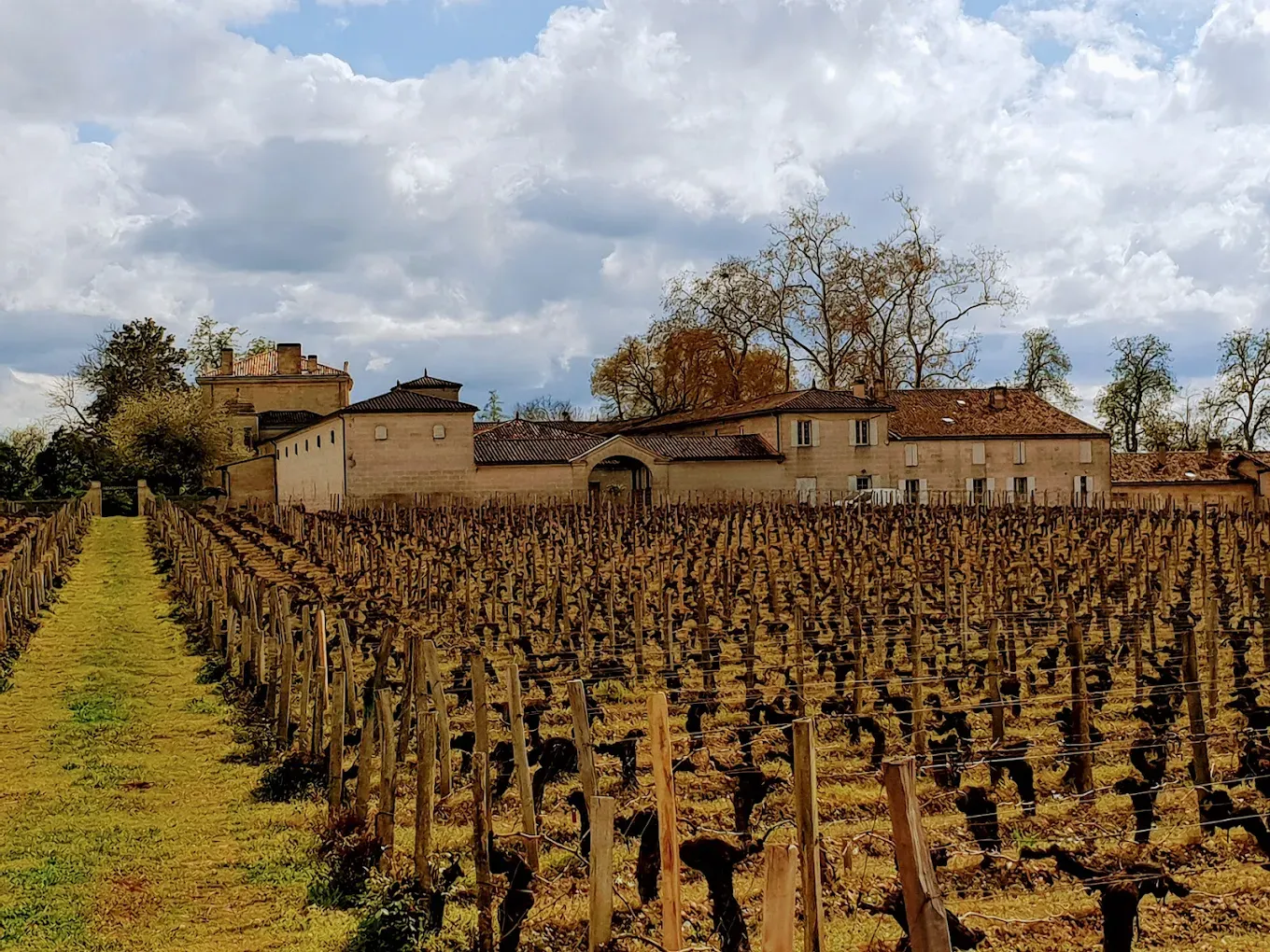
Over recent decades, vineyard management at Figeac has become increasingly precise. Parcel selection, soil analysis, and careful harvesting decisions allow the estate to express its gravel terroir with greater clarity.
Yet what distinguishes Figeac is not innovation alone, but restraint. While technological advancements refined consistency, they did not fundamentally alter the estate’s blend philosophy or structural intent.
Cabernet remains central. Freshness remains valued. Extraction remains controlled. This continuity protects identity in a region often tempted by stylistic shifts.
What Château Figeac Teaches About Saint-Émilion
Perhaps Figeac’s most important contribution is educational.
It teaches that Saint-Émilion is not defined by a single grape or texture. It shows that gravel can rival limestone in importance. It demonstrates that Cabernet can thrive on the Right Bank without compromising typicity.
For wine lovers exploring the Bordeaux wine region, this lesson is invaluable. It prevents oversimplification and encourages comparative tasting.
Figeac expands the vocabulary of Saint-Émilion.
The Long-Term Future of Château Figeac
Looking forward, Figeac’s position appears secure not because of marketing momentum, but because of structural integrity.
Its terroir is singular within the appellation. Its blend philosophy is coherent. Its ageing profile is respected. Its recent classification recognition reinforces long-term credibility.
In a region navigating economic pressure and stylistic debates, estates rooted firmly in terroir tend to endure. Figeac belongs to that category.
A Closing Reflection
Château Figeac is not significant because it defies Saint-Émilion. It is significant because it reveals how much Saint-Émilion contains.
Its gravel plateau reminds wine lovers that geology can redraw stylistic expectations. Its Cabernet emphasis proves that identity within the Bordeaux wine region is layered, not fixed. Its recent rise in classification underscores that excellence can be patient and consistent rather than theatrical.
For those seeking to understand Saint-Émilion beyond reputation, grounding that exploration in experience is essential. Discovering the region through a structured Saint Emilion Wine Tour provides the necessary framework — allowing estates like Figeac to be appreciated not as anomalies, but as integral parts of Bordeaux’s enduring complexity.
