Why Two Bordeaux Châteaux Using the Same Grapes Can Taste Completely Different
One of the most persistent misunderstandings about Bordeaux wine is the belief that grape variety determines taste. It is an easy assumption to make. In many wine regions, grape names act as reliable shortcuts: the variety tells you what to expect. Bordeaux quietly dismantles that logic.
Here, grape varieties are shared tools, not defining identities. Cabernet Sauvignon, Merlot, Cabernet Franc, Petit Verdot, and Sémillon appear repeatedly across labels, often in similar proportions. Yet the wines themselves can feel radically different — structured or supple, restrained or generous, austere or expressive.
This divergence is not an inconsistency. It is the result of a system designed to prioritise place, decision-making, and long-term balance over varietal expression. Understanding this system is fundamental to understanding Bordeaux.
Bordeaux Was Never Built Around Varietal Identity
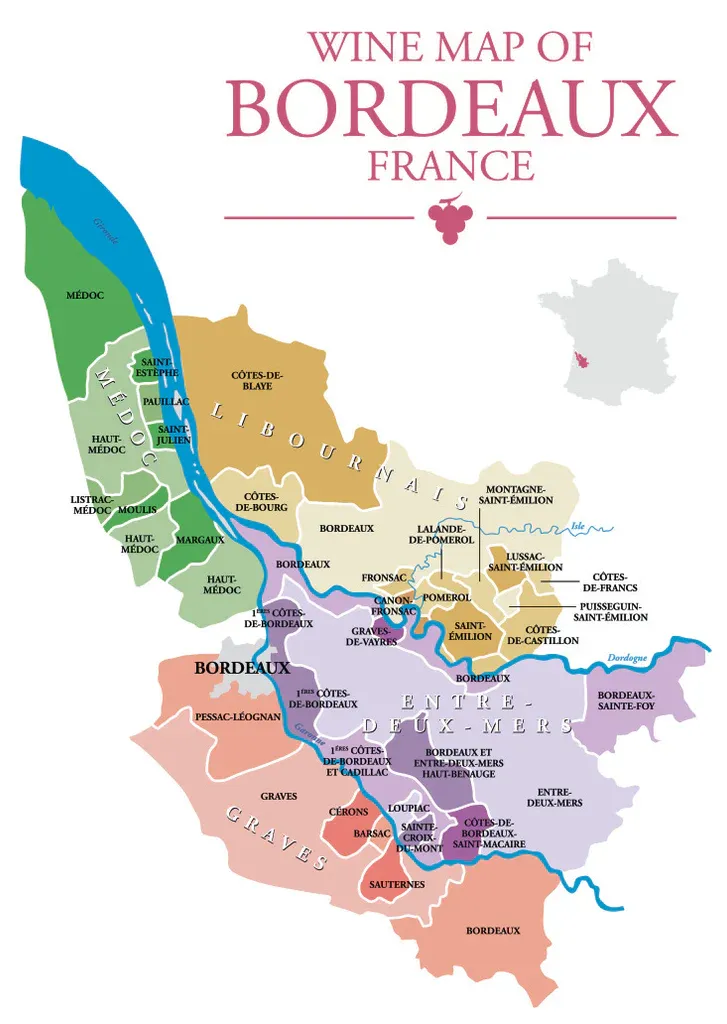
Bordeaux developed as a wine region long before grape variety became a marketing tool. Its early success depended on producing wines that could travel, age, and remain stable over time. Grapes were selected not for aromatic signature, but for behaviour under local conditions.
Cabernet Sauvignon offered structure and longevity. Merlot contributed flesh and approachability. Cabernet Franc added lift and freshness. None was expected to dominate. They were expected to cooperate.
This cooperative philosophy remains intact. Bordeaux wines are not meant to taste like grapes; they are meant to taste like decisions applied to land.
Soil Is the First Point of Separation
When two Bordeaux châteaux use the same grapes, soil immediately pushes them in different directions. The interaction between gravel, clay, and limestone dramatically affects how vines ripen and how wines feel in the glass. Understanding how Bordeaux soils shape wine styles helps explain why wines made from the same grape varieties can develop completely different structures, textures, and ageing potential.
Gravel drains quickly and limits vigour, producing smaller berries with thicker skins and higher tannin potential. Clay retains water, softening vine stress and encouraging a rounder texture. Limestone regulates moisture naturally, preserving acidity and tension even in warm years.
These soils do not create flavours directly. They create conditions — and conditions dictate how grapes ripen, how tannins form, and how wines behave over time.
Two Merlot vines grown on different soils are not producing the same raw material, even if they share the same genetic identity.
Microclimate Multiplies Difference
Beyond soil, microclimate plays a decisive role. Small variations in elevation, exposure, wind, tree cover, or proximity to water alter ripening dynamics.
One vineyard may accumulate sugar quickly and require early harvesting to preserve balance. Another may ripen more slowly, allowing extended hang time without loss of acidity. These differences compound across parcels and vintages.
Bordeaux wines are shaped as much by where air moves and water drains as by where vines are planted.
Harvest Timing Is a Philosophical Choice
Two châteaux using the same grapes rarely harvest at the same moment. Harvest timing is one of the clearest expressions of philosophy in Bordeaux.
Harvest earlier, and the wine emphasises freshness, tension, and structural clarity. Harvest later, and the wine emphasises richness, alcohol, and mid-palate weight. Neither approach is inherently superior. Each carries consequences that echo for decades.
In modern Bordeaux, where climate conditions change rapidly, this decision has become even more critical — and even more stylistically defining.
Extraction Shapes Texture, Not Just Power
Once grapes enter the cellar, differences accelerate.
Extraction decisions determine how tannins will feel years later. Gentle extraction produces wines with fine-grained structure and early accessibility. Firmer extraction produces wines that may feel closed in youth but reward patience.
In Bordeaux, extraction is not about impressing on release. It is about sculpting how the wine will age.
Two châteaux can ferment identical grapes and still produce wines with completely different tactile identities.
Oak Is Structural, Not Decorative
Oak usage is another point of divergence. Bordeaux uses oak as a structural tool rather than a flavour signature.
Choices around new oak percentage, toast level, barrel origin, and ageing duration all influence texture and evolution. One château may favour new oak to build a framework and longevity. Another may use mostly older barrels to preserve purity and immediacy.
Oak decisions are long-term decisions. They shape not just how a wine tastes now, but how it behaves over twenty years.
Blending Is Where Identity Is Declared
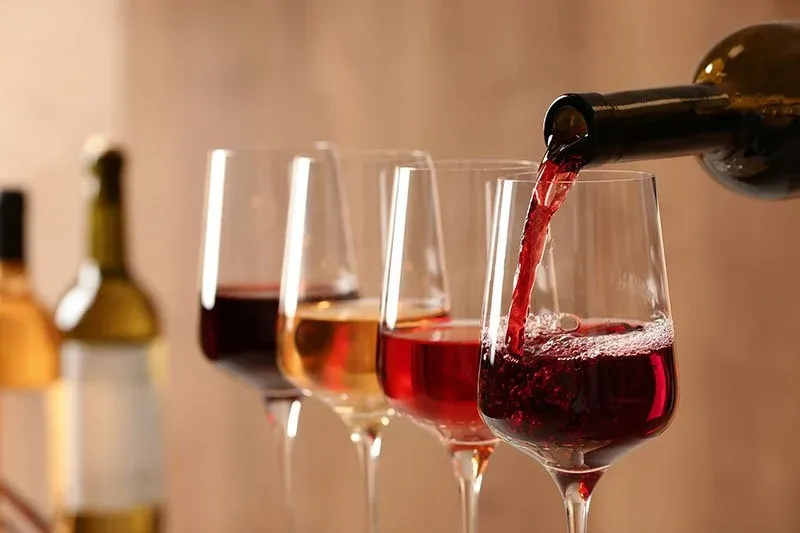
Blending is the final act of authorship in Bordeaux.
Even when two châteaux grow the same grape varieties, the proportions chosen reflect intent. A slight increase in Cabernet Franc may sharpen freshness and aromatics. A greater role for Merlot may broaden texture and soften structure.
Blending is not corrective. It is interpretive. It translates vineyard reality into a coherent expression of identity.
This is why Bordeaux wines cannot be decoded by blend percentages alone.
Time Reveals Divergence Ruthlessly
In youth, Bordeaux wines can appear deceptively similar. With time, differences sharpen.
One wine may evolve toward linearity and savoury complexity. Another toward richness and breadth. Both began with the same grapes. Time reveals which decisions were embedded early.
This is why Bordeaux rewards patience and comparative tasting — and why isolated bottles rarely tell the full story.
Many wine lovers encounter this clarity for the first time through Bordeaux Wine Tours, where wines are tasted in dialogue rather than isolation.
Why This Matters for Wine Drinkers
Understanding that grape variety does not define Bordeaux frees you from formulaic thinking. It allows you to choose wines based on structure, balance, and philosophy, not just composition.
It also explains why chasing “recipes” in Bordeaux fails. Bordeaux wines are not built from instructions. They are built on judgment.
Final Reflection: Bordeaux Is a System, Not a Formula
In Bordeaux, grape varieties are shared vocabulary, not identity.
Two châteaux may begin with the same grapes, but from soil to harvest to cellar to blending table, each decision bends the wine toward a different outcome. That divergence is not noise — it is meaning.
Once you understand that Bordeaux is a system of choices rather than a set of ingredients, the region stops being confusing and starts becoming endlessly expressive.
For those who want to experience this diversity in context, tasting across styles and philosophies through Wine Tours in the Bordeaux region turns theory into understanding.
