Château Margaux: Why Elegance Matters More Than Power in Bordeaux
Among Bordeaux’s First Growths, Château Margaux occupies a position that is both exalted and quietly misunderstood. It shares the same formal rank as estates celebrated for density, authority, and sheer presence, yet it has never pursued those qualities as primary goals. Instead, Margaux has spent centuries refining something far less obvious and far more difficult to sustain: elegance.
This elegance is not softness. It is not lightness for its own sake. It is a deliberate equilibrium — a wine that carries complexity without weight, structure without severity, and longevity without monumentality. In a region often reduced to comparisons of power and prestige, Château Margaux represents a different idea of greatness, one rooted in proportion rather than dominance.
To understand Château Margaux properly, you must abandon the expectation that a First Growth must impress immediately. Margaux does not announce itself. It reveals itself.
A Reputation Forged Long Before Modern Bordeaux
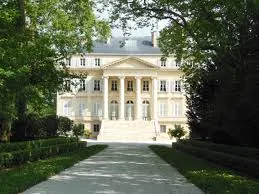
Château Margaux’s reputation predates the modern architecture of Bordeaux’s wine hierarchy. Long before the 1855 Classification formalised prestige, Margaux wines were already recognised for refinement and aromatic distinction. Historical records consistently describe Margaux as perfumed, supple, and balanced — adjectives that appear again and again across centuries.
This continuity matters. It suggests that Margaux’s identity is not a product of fashion or modern technique, but the expression of a place that has always behaved differently. While other Médoc estates built their reputations on scale and extraction as markets evolved, Margaux maintained a stylistic throughline centred on grace and articulation.
That consistency is rare in Bordeaux, where changing climates, markets, and ownership have reshaped many estates’ identities over time.
Terroir: Gravel Without Aggression
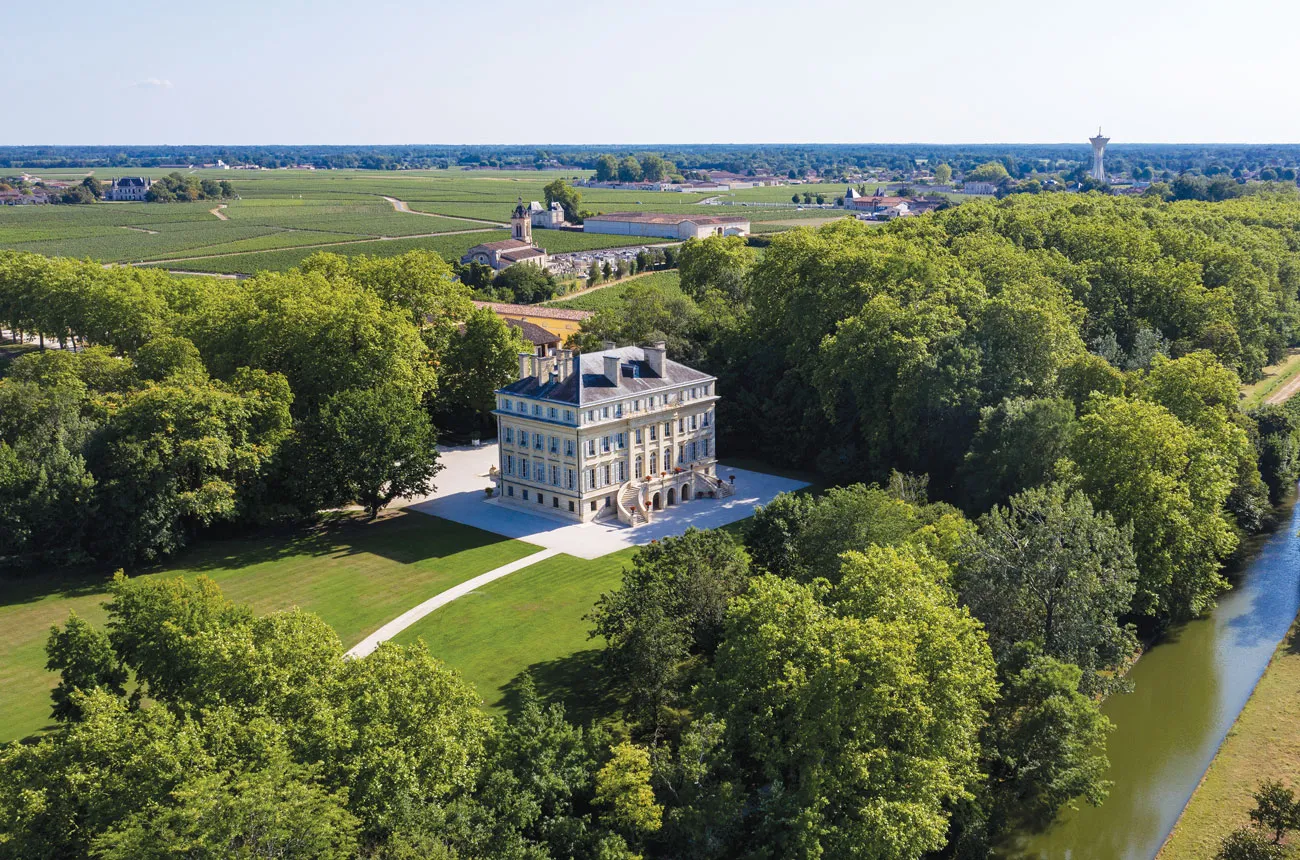
The vineyards of Château Margaux sit on some of the most refined gravel soils in the Médoc. Gravel is often discussed as a single category, but at Margaux, it behaves in a particularly nuanced way. The stones are deep, well-drained, and finely textured, promoting even ripening and moderate vine stress without forcing extremes.
This terroir favours Cabernet Sauvignon of aromatic clarity rather than brute concentration. Skins develop structure, but tannins remain fine-grained. Sugars accumulate steadily rather than rapidly. Acidity is preserved naturally, even in warmer vintages.
The result is fruit that carries tension and perfume rather than density alone — an essential prerequisite for Margaux’s signature style.
Cabernet Sauvignon Reimagined
Cabernet Sauvignon dominates the blend at Château Margaux, as it does throughout much of the Médoc. Yet its expression here is markedly different from that found in Pauillac or Saint-Estèphe.
At Margaux, Cabernet Sauvignon tends to express:
- Floral aromatics rather than mineral severity
- Red and black fruit in balance, not excess
- Elongated tannins rather than muscular ones
- Lift and persistence rather than sheer weight
Merlot, Petit Verdot, and Cabernet Franc are used sparingly and thoughtfully, not to add richness, but to support flow and texture. Each variety is integrated to serve balance rather than prominence.
This is Cabernet Sauvignon treated not as a symbol of power, but as a vehicle for finesse.
Winemaking as an Exercise in Restraint
Château Margaux’s winemaking philosophy is defined less by technique than by intention. Extraction is carefully moderated, never pushed for colour or impact. Fermentation choices are made to preserve aromatic nuance rather than maximise structure.
Oak is employed extensively, yet discreetly. New barrels are used as a framework for ageing, not as a flavour imprint. Toast levels are selected for subtlety, and élevage is calibrated to allow the wine to breathe rather than dominate its expression.
In youth, oak may be perceptible. With time, it dissolves entirely into the wine’s architecture, leaving no trace of artifice. This approach requires confidence — confidence that the wine does not need embellishment to justify its stature.
A Different Relationship With Time
Margaux wines do not age theatrically. They do not undergo dramatic transformations from austerity to opulence. Instead, they refine themselves slowly and continuously.
In early years, Margaux can appear understated, even elusive. Aromas may seem restrained, structure quietly present rather than commanding. With time, secondary and tertiary notes emerge — dried flowers, cedar, soft spice, subtle earth — without ever overwhelming the wine’s core freshness.
Even after decades, Margaux rarely feels heavy. Its longevity is expressed through clarity and persistence, not mass.
This ageing curve explains why Margaux often rewards experienced drinkers more than those seeking immediate spectacle.
Why Margaux Is Often Misread
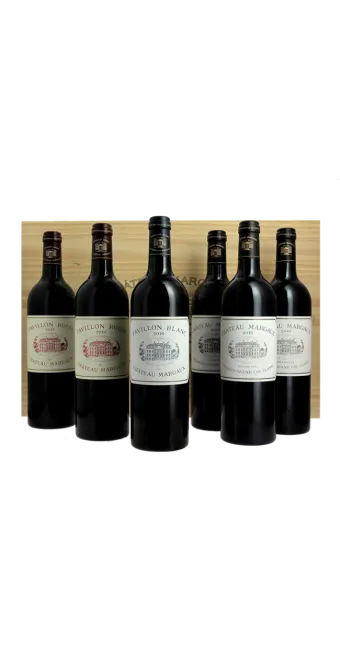
For drinkers conditioned to equate greatness with intensity, Château Margaux can be puzzling. Its restraint may be mistaken for fragility. Its perfume may be misinterpreted as lightness. Its calmness may be confused with simplicity.
Yet these impressions fade with context. When tasted alongside other First Growths, Margaux’s difference becomes unmistakable. It does not compete on volume. It competes on articulation.
This is why Margaux divides opinion — and why it inspires such loyalty among those who understand it.
Margaux as a Philosophy, Not a Brand
What ultimately separates Château Margaux from many of its peers is philosophical coherence. Bordeaux estates are often defined by how vineyards, winemaking, and ageing are controlled under a single vision — a system explained in what makes a château wine in Bordeaux different from other regions. At Margaux, that philosophy is expressed through balance, restraint, and long-term identity rather than short-term impact.
That vision has survived ownership changes, technological advances, and climatic shifts because it is grounded in terroir rather than trend. Margaux does not chase modernity. It adapts without abandoning its identity.
This coherence is what allows Margaux to remain recognisable across generations.
Understanding Margaux Through Comparison
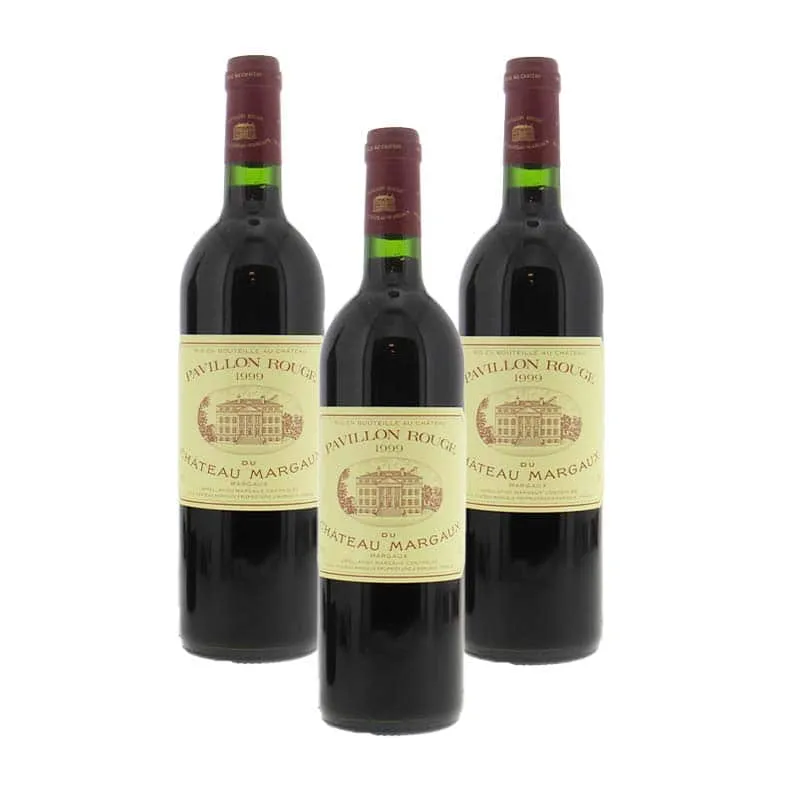
Château Margaux is best understood comparatively. Tasted alone, it may appear subtle. Tasted alongside other Médoc wines, its distinction sharpens dramatically.
This comparative understanding is often where Margaux truly reveals itself to wine travellers exploring the region through Bordeaux Wine Tours, where wines are experienced in dialogue rather than isolation.
Context transforms perception.
The Place of Margaux in Modern Bordeaux
In an era where wine markets increasingly reward immediacy, concentration, and branding, Château Margaux stands slightly apart. It refuses to amplify itself to meet expectations. Instead, it trusts the long view.
This trust is what allows Margaux to remain relevant without reinventing itself. It does not need to prove its power. Its authority is implicit.
Final Reflection: Elegance as Strength
Château Margaux reminds us that elegance is not the absence of power, but the mastery of it.
It demonstrates that restraint can be more enduring than force, that perfume can outlast density, and that a wine does not need to dominate the palate to command respect.
For those willing to listen rather than be impressed, Margaux speaks with remarkable clarity. And for travellers seeking to understand Bordeaux beyond hierarchy and reputation, exploring this philosophy through Wine Tours Bordeaux region often marks the moment when Bordeaux begins to make real sense.
Château Margaux does not raise its voice.
It does not need to.
