What Makes a Château Wine in Bordeaux Different from Other Regions
The word château is used casually in the wine world, often as a romantic flourish rather than a meaningful distinction. Outside Bordeaux, it may describe a building, a brand, or a stylistic aspiration. In Bordeaux, however, château is not decorative language. It is a structural concept that defines how wine is grown, made, aged, and understood.
A Bordeaux château wine is not simply an estate wine. It is the product of a specific historical system, a legal framework, and a deeply ingrained philosophy that treats wine as an agricultural, cultural, and long-term endeavour rather than a manufactured product. This is why château wines from Bordeaux feel fundamentally different — not just in taste, but in intention — from wines produced in most other regions.
Understanding this difference changes how you read labels, how you taste, and how you interpret Bordeaux as a region.
The Château as a Complete Wine Ecosystem
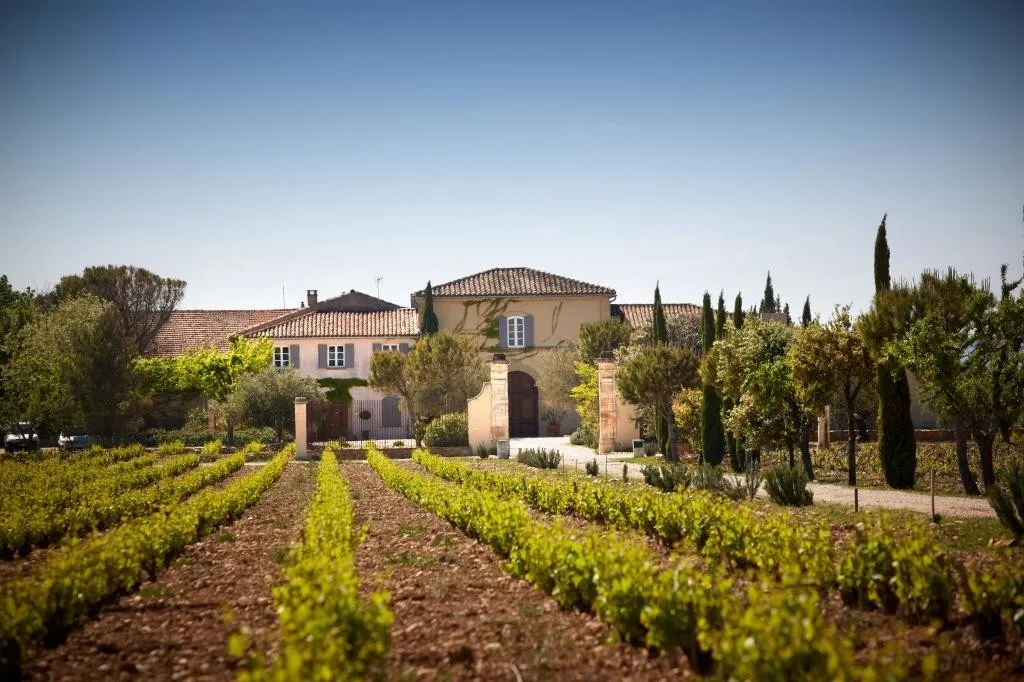
In Bordeaux, a château is not defined primarily by architecture. Some châteaux are visually grand; others are modest farmhouses. What unites them is function.
A true Bordeaux château controls:
- Its vineyards
- Its harvest decisions
- Its vinification
- Its ageing
- Its bottling
This concept — mis en bouteille au château — is central. It means the wine is conceived, grown, and completed in one place, under one authority, with long-term accountability.
In many other regions, even prestigious ones, grapes may be grown in one place, vinified in another, blended elsewhere, and bottled by a négociant. That system can produce excellent wine, but it diffuses responsibility. Bordeaux’s château system concentrates it.
The château does not simply produce wine. It stands behind it.
Terroir as a Fixed Identity, Not a Flexible Resource
One of the most important differences between Bordeaux château wines and wines from many other regions lies in how terroir is treated.
In Bordeaux, terroir is fixed. Vineyard boundaries are stable, often unchanged for generations. Soils are studied, mapped, and respected at the parcel level. Replanting decisions are conservative and long-term. Vineyard expansion is rare and tightly controlled.
This contrasts with regions where vineyard sourcing is more fluid, contracts change frequently, or fruit is bought opportunistically based on vintage conditions. In Bordeaux, a château’s identity is inseparable from its land. You are not tasting a style; you are tasting a place that has learned how to express itself over time.
This is why Bordeaux wines often feel consistent across decades, even as vintages vary.
Blending as an Expression of Place, Not Correction
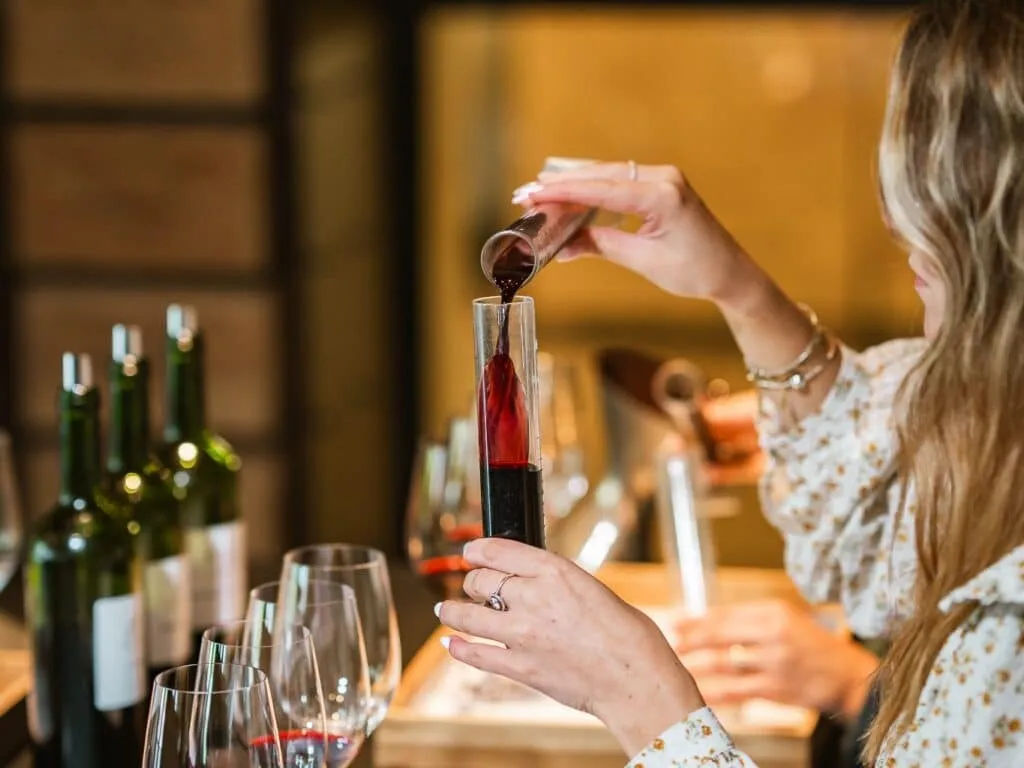
Blending exists in many wine regions, but nowhere is it as philosophically embedded as in Bordeaux.
A château Bordeaux wine is rarely a single-grape expression. Instead, it is a blend shaped by:
- Soil variation
- Microclimates
- Grape variety behaviour
- Vintage conditions
Crucially, blending in Bordeaux is not used to correct flaws, but to translate complexity. Each grape variety contributes something different: structure, fruit, freshness, and longevity. The final wine is not meant to showcase a grape, but to represent the estate as a whole.
In many other regions, blending is secondary or stylistic. In Bordeaux, it is foundational.
The Château and Time: Wine Made for the Long Term
Perhaps the most profound difference between Bordeaux château wines and those from other regions is the relationship with time.
Bordeaux château wines are made with ageing in mind, even at modest levels. Vineyard yields, extraction decisions, oak use, and bottling timelines are all influenced by how the wine is expected to evolve over years — sometimes decades.
This long view is rare. In many regions, wines are designed for early consumption, even at premium price points. In Bordeaux, immediate appeal is secondary to balance and longevity.
This does not mean Bordeaux wines are inaccessible in youth. It means they are constructed with patience rather than urgency.
This long-term philosophy also shapes how Bordeaux wines are cared for after they are bottled. Proper conditions can determine whether a wine evolves gracefully or loses its balance prematurely. Understanding how to store Bordeaux wine at home helps explain why temperature stability, darkness, and patience are essential companions to wines built for decades of ageing.
Oak as Structure, Not Signature
Oak ageing exists globally, but Bordeaux’s use of oak is unusually disciplined.
In a château context, oak is chosen to:
- Refine tannins
- Stabilise wine
- Support ageing
- Integrate texture
Flavour is a by-product, not a goal. New oak percentages are adjusted vintage by vintage. Toast levels are chosen conservatively. Integration over time is prioritised above impact on release.
In many regions, oak is part of a stylistic signature. In Bordeaux, it is part of the wine’s architecture.
This difference becomes obvious with age. Bordeaux château wines rarely taste “oaky” after ten or twenty years. Instead, oak disappears into the structure.
Legal and Cultural Accountability
A Bordeaux château operates within one of the strictest regulatory frameworks in the wine world. Yield limits, planting density, permitted grape varieties, and labelling rules are tightly controlled.
This might appear restrictive, but it reinforces accountability. When a château releases a wine, it does so knowing that its reputation is cumulative. One poor decision echoes for decades.
In regions with more flexible systems, innovation is often easier. In Bordeaux, innovation must coexist with continuity. This tension shapes the wines profoundly.
Classification Without Uniformity
Bordeaux is famous for its classifications, but what is often misunderstood is that these classifications do not standardise style. Two classified châteaux can produce radically different wines.
What classification does reinforce is estate identity. It anchors reputation to place rather than fashion. This further distinguishes Bordeaux château wines from regions where prestige is tied primarily to critics, styles, or market trends.
The Château as a Cultural Institution
In Bordeaux, a château is not just a producer. It is a cultural institution.
Families steward estates across generations. Decisions are made with inheritance in mind, not quarterly performance. Mistakes carry long consequences. Success is measured in decades.
This mindset influences everything from vineyard replanting schedules to blending philosophy. It creates wines that feel considered rather than opportunistic.
Why Bordeaux Château Wines Taste Different
When you taste a Bordeaux château wine, you are tasting:
- Fixed land
- Long memory
- Blending as translation
- Oak as a structure
- Time as an ally
This combination produces wines that often feel more restrained, more layered, and more intellectually complete than wines designed primarily for immediate impact.
This difference is not about superiority. It is about intent.
Understanding Château Wines as a Wine Traveller
For wine travellers, understanding the château system transforms visits from tastings into conversations. Suddenly, vineyard parcels matter. Cellar choices make sense. Vintage variation becomes fascinating rather than confusing.
This depth is often most clearly experienced through Bordeaux Wine Tours, where estates are visited not as attractions, but as living systems with history and consequence.
Why the Château Model Still Matters Today
In a global wine market driven by speed, branding, and novelty, the Bordeaux château model offers an alternative vision: wine as stewardship.
It is slower. It is riskier. It demands restraint. But it produces wines that carry identity across generations rather than trends.
For those seeking to understand why Bordeaux still occupies a singular place in the wine world, the château is the key.
Exploring this system in context — walking vineyards, tasting across vintages, and seeing how decisions echo through time — is one of the great rewards of travelling with Wine Tours Bordeaux region.
Final Reflection: Château Is a Responsibility, Not a Label
In Bordeaux, a château is not a promise of luxury.
It is a promise of responsibility.
It means the wine answers to a place, a history, and a future. That obligation — more than grape variety, oak, or classification — is what truly sets Bordeaux château wines apart from those of other regions.
And once you understand that, Bordeaux stops being intimidating — and starts being intelligible.
