Does Bordeaux Wine Really Need Decanting?
Decanting is one of the most misunderstood rituals in the world of wine. For some drinkers, it is treated as a compulsory step, something that must be done before any serious bottle of Bordeaux is poured. For others, it is dismissed as unnecessary theatre — a tradition that belongs more to fine-dining rooms than to real drinking.
The truth, as with most things in Bordeaux, sits somewhere in between.
Bordeaux wines are diverse. They vary enormously by appellation, grape blend, age, structure, and vintage conditions. Some benefit greatly from decanting. Others can be damaged by it. Understanding the difference is not about rules, but about reading the wine in front of you.
This article explores whether Bordeaux wine really needs decanting, when it helps, when it harms, and how to approach the decision with confidence rather than habit.
What Decanting Actually Does (And What It Does Not)
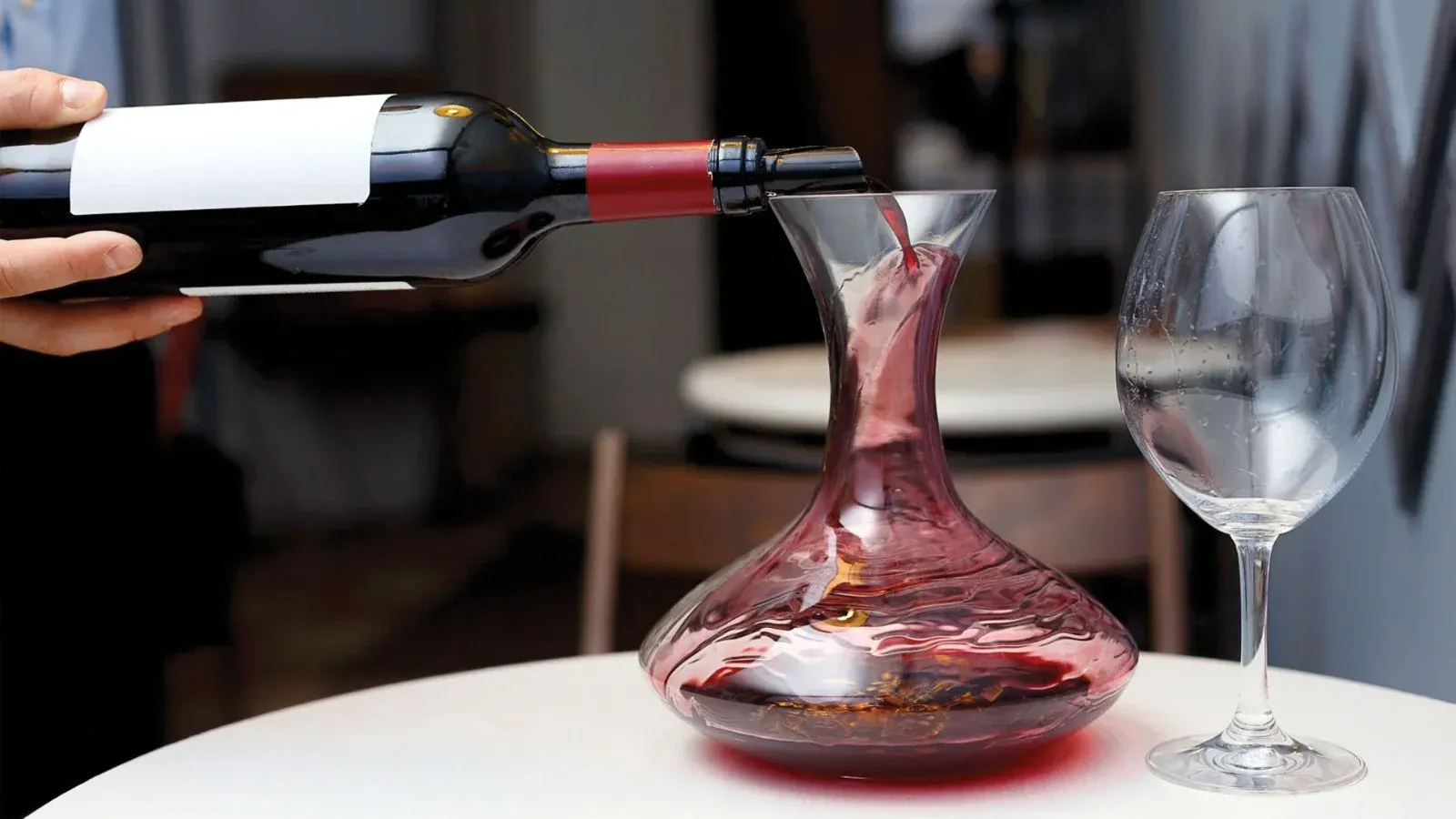
At its simplest, decanting serves two purposes: separating wine from sediment and exposing wine to oxygen. These are often discussed together, but they are very different processes with very different consequences.
Sediment is a natural by-product of ageing, particularly in red Bordeaux wines that are bottled unfiltered or minimally filtered. Over time, colour compounds and tannins bind together and fall out of solution. Decanting allows you to leave this sediment behind, ensuring a clearer, cleaner pour.
Oxygen exposure, on the other hand, actively changes the wine. It softens tannins, releases aromas, and accelerates the wine’s evolution in the glass. Even factors such as how glass shape changes the taste of Bordeaux wine influence how oxygen interacts with the wine and how its aromas unfold.
Decanting is therefore not neutral. It is an intervention.
Why Young Bordeaux Wines Often Benefit From Decanting
Many modern Bordeaux wines are built with structure. They are concentrated, tannic, and tightly wound in youth. This is particularly true of Left Bank Bordeaux, where Cabernet Sauvignon dominates blends and contributes firm tannins and restrained aromatics when young.
In these wines, decanting can be transformative. Oxygen helps tannins polymerise, making them feel smoother and less aggressive on the palate. Aromas that initially seem muted — blackcurrant, graphite, cedar, fresh herbs — begin to emerge more clearly. The wine feels more open, more expressive, and more generous.
This is not about making the wine taste older. It is about allowing it to breathe enough to show what it already contains.
For many young Bordeaux wines, especially those opened within the first decade of life, decanting for an hour or two can significantly improve balance and enjoyment.
Merlot-Dominant Bordeaux and Decanting
Right Bank Bordeaux, dominated by Merlot, often behaves differently. Merlot ripens earlier, produces softer tannins, and tends to offer a more immediate sense of fruit.
Young Merlot-based Bordeaux can still benefit from decanting, but the effect is usually subtler. Shorter decanting times are often sufficient. Over-decanting can sometimes flatten fruit expression, causing the wine to lose its freshness without gaining much structural benefit.
Here, restraint matters. Decanting should feel like a gentle opening of the wine, not an attempt to reshape it.
Mature Bordeaux: Where Decanting Becomes Risky
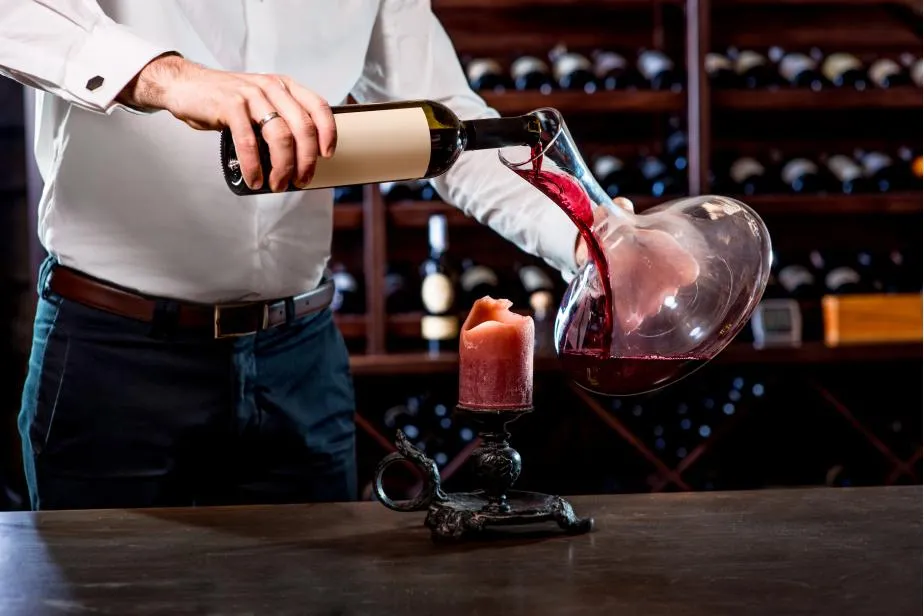
As Bordeaux wines age, their relationship with oxygen changes dramatically. What once helped can begin to harm.
Mature Bordeaux wines — especially those 15, 20, or more years old — are often fully evolved. Their tannins have softened naturally over time, and their aromas have shifted from primary fruit to more delicate tertiary notes: leather, forest floor, dried flowers, tobacco, and spice.
These aromas are fragile. Excessive oxygen exposure can cause them to fade quickly, sometimes within minutes.
This is why decanting older Bordeaux wines requires caution. While sediment removal may still be necessary, prolonged aeration can strip the wine of its nuance and shorten its drinking window dramatically.
In many cases, older Bordeaux wines benefit more from careful pouring than from full decanting.
Decanting vs Slow Oxygen Exposure in the Glass
One of the most overlooked aspects of wine service is that wine continues to evolve naturally in the glass.
Pouring a small amount, allowing the wine to sit, and observing how it changes over time can often be more revealing than aggressive decanting. This slow oxygen exposure respects the wine’s pace, particularly with mature bottles.
In this sense, patience can be a better tool than a decanter.
White Bordeaux and Decanting
Decanting is far less common for white Bordeaux, but that does not mean it is never useful.
Some dry white Bordeaux wines, especially those with oak ageing and time in the bottle, can show reduction or tightness when first opened. A brief decant can help release aromatics and soften texture.
However, white Bordeaux is generally more sensitive to oxygen than red. Any decanting should be short and purposeful. Over-aeration can dull freshness and aromatics quickly.
Again, the key is intention rather than habit.
Sweet Bordeaux Wines: Rarely Decanted, Carefully Handled
Sweet Bordeaux wines behave differently still. Their balance relies on acidity, sugar, and aromatic complexity rather than tannin structure.
Decanting is rarely necessary and often unnecessary. Sediment can appear in older bottles, but gentle pouring usually suffices. Excess oxygen can disturb the delicate balance these wines rely on.
In most cases, sweet Bordeaux wines are best allowed to open slowly in the glass.
The Myth of “Always Decant Bordeaux”
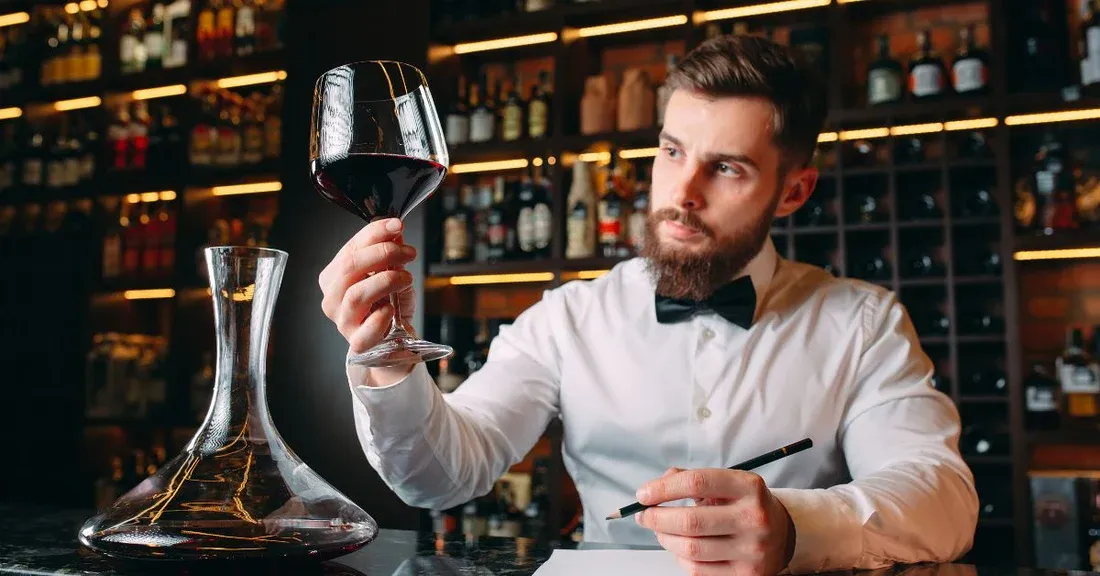
One of the most persistent myths in wine culture is that Bordeaux wines always need decanting. This idea likely comes from Bordeaux’s reputation for structure and ageing, but it oversimplifies a complex reality.
Bordeaux is not one wine. It is a region of immense stylistic diversity. Applying a single rule ignores vintage variation, grape composition, and age.
Decanting should never be automatic. It should be a response to what the wine is telling you.
Practical Guidance: When Decanting Helps and When It Hurts
Decanting is most useful when:
- The wine is young and tannic
- Aromas feel closed or muted
- Structure dominates fruit
- The wine is meant to age, but it opened early
Decanting becomes risky when:
- The wine is mature and delicate
- Aromas are already expressive
- The structure has softened naturally
- The wine is fragile or fully evolved
Understanding this distinction changes how you interact with Bordeaux wines.
How This Knowledge Changes Wine Travel in Bordeaux
For wine travellers, learning when and how to decant adds depth to tastings. It helps explain why a wine tastes different at a château than it does at home, or why a bottle evolves dramatically over the course of an evening.
These conversations often form part of the experience on Bordeaux Wine Tours, where tasting conditions, ageing, and service are discussed alongside terroir and winemaking.
Decanting becomes less of a ritual and more of a dialogue with the wine.
A More Thoughtful Way to Serve Bordeaux
Perhaps the most important takeaway is this: decanting is not about doing more. It is about doing what the wine needs.
Some Bordeaux wines ask for air. Others ask for patience. Some want to be left alone.
Understanding that difference allows you to respect the wine rather than impose a rule upon it.
For travellers looking to deepen that understanding — tasting wines at different ages, styles, and stages of evolution — Wine Tours Bordeaux region offer a way to experience Bordeaux wines in the context they were designed for.
Final Thought: Decanting as Listening, Not Performance
Decanting is not a performance.
It is a response.
Bordeaux wines do not demand ceremony. They reward attention. When you learn to listen to structure, aroma, and age, decanting stops being a question of tradition and becomes one of respect.
And in Bordeaux, respect always leads to better wine.
