How Glass Shape Changes the Taste of Bordeaux Wine (Science Explained)
Wine is not tasted only by the tongue. What you perceive in the glass is the result of physics, chemistry, and human physiology working together in precise ways. Few factors influence this process as profoundly — and as underestimated — as the shape of the wine glass.
In Bordeaux, where wines are built on structure, tannin, aromatic complexity, and ageing potential, glassware is not a detail. It is a tool. The wrong glass can mute a great wine; the right one can unlock layers that otherwise remain hidden.
This article explains, in clear scientific terms, how glass shape changes the taste of Bordeaux wine, and why different Bordeaux styles benefit from different designs.
Why Glass Shape Matters More Than Most People Realise
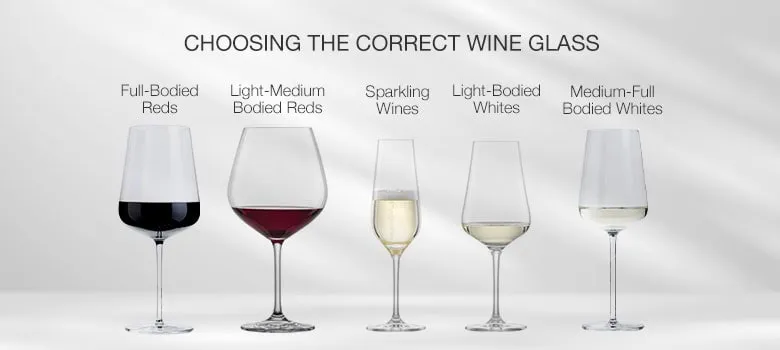
When wine professionals taste, they do not choose glassware casually. Glass shape affects:
- Aroma concentration
- Alcohol perception
- How wine enters the mouth
- Where the liquid lands on the palate
- How tannins and acidity are perceived
- How quickly aromas evolve with oxygen
These are not subjective impressions. They are measurable effects driven by fluid dynamics, volatilisation of aromatic compounds, and sensory biology.
For Bordeaux wines — often powerful, layered, and complex — these effects are amplified.
The Science of Aroma: Why the Bowl Is Everything
Up to 80% of what we call “taste” is actually smell. Learning how to smell wine correctly reveals how aromatic molecules behave before they ever reach the palate, and the glass plays a crucial role in directing those aromas toward the nose.
Volatilisation of Aromatic Compounds
Wine contains hundreds of volatile compounds. Their release depends on:
- Surface area
- Temperature
- Oxygen exposure
- Airflow inside the glass
A larger bowl increases the wine’s surface area, encouraging evaporation of aroma compounds. A narrower rim traps these aromas and directs them toward the nose.
This is why Bordeaux red wines — especially Cabernet-dominant styles — require larger bowls than lighter wines.
Alcohol Perception and Rim Diameter
Ethanol is volatile and rises quickly. If a glass has a wide opening, alcohol vapours hit the nose first, masking fruit and exaggerating heat.
A tapered rim redirects aroma flow:
- Alcohol disperses
- Fruit, floral, and tertiary aromas become more noticeable
- The wine feels more balanced
This matters enormously for Bordeaux wines with 13–15% alcohol, where balance is key.
How Glass Shape Changes Palate Perception
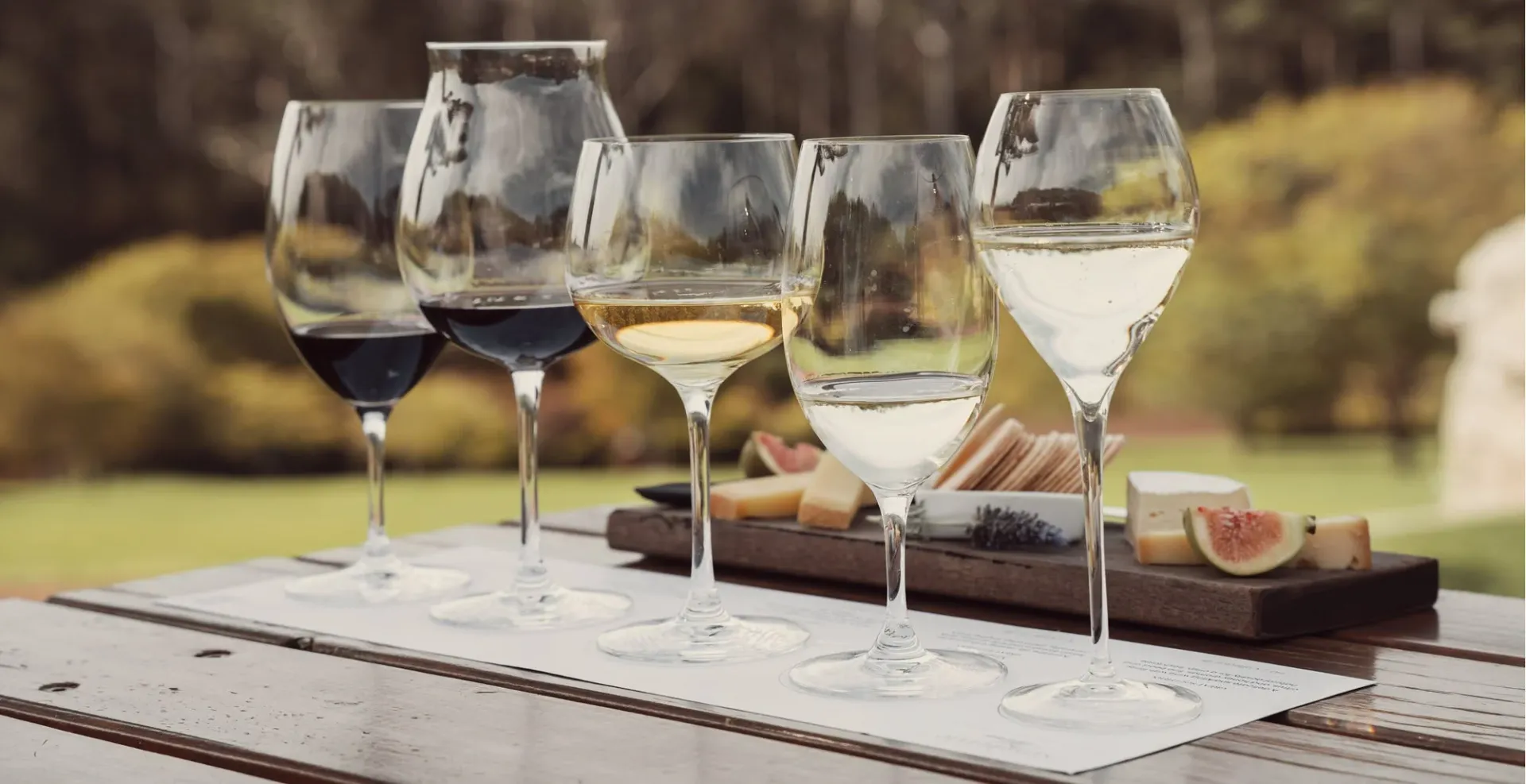
Glass design influences how wine enters the mouth, which directly affects taste perception.
- A wide rim spreads wine across the tongue
- A narrow rim directs wine toward the centre or tip
- Flow speed changes how acidity, tannin, and sweetness are perceived
This explains why the same Bordeaux wine can feel:
- Harsh in one glass
- Polished and harmonious in another
Bordeaux Red Wines and Glass Shape
Left Bank Bordeaux (Cabernet Sauvignon-Dominant)
Think Médoc, Pauillac, Margaux, Saint-Julien.
These wines are:
- High in tannin
- Aromatically complex
- Structured for ageing
They benefit from:
- Large bowl → oxygen softens tannins
- Tall glass → aroma layering
- Moderately narrow rim → controls alcohol
Scientifically, increased oxygen exposure accelerates polymerisation of tannins, making them feel smoother on the palate.
This is why Cabernet-based Bordeaux performs poorly in small or generic glasses.
Right Bank Bordeaux (Merlot-Dominant)
Saint-Émilion and Pomerol styles are:
- Softer
- Rounder
- Fruit-forward earlier in life
They still benefit from a generous bowl, but:
- Slightly shorter bowl
- Slightly wider rim
This allows fruit expression to lead, while keeping alcohol in check.
Why Swirling Works (and Why Glass Shape Enables It)
Swirling increases:
- Oxygen contact
- Volatilisation of aroma compounds
But not all glasses swirl equally well.
A proper Bordeaux glass has:
- Enough headspace for swirling
- Curved sides that return liquid smoothly
- Stability to avoid spills
This is not aesthetic — it is functional design supporting aromatic development.
White Bordeaux and Glass Design
White Bordeaux blends (Sauvignon Blanc, Sémillon) rely heavily on aromatic precision and acidity.
They benefit from:
- Smaller bowl
- Narrower opening
- Thinner rim
This preserves freshness, directs acidity to the front palate, and avoids premature oxidation.
Too large a glass makes white Bordeaux feel flabby, and aromatic intensity dissipates too quickly.
Sweet Bordeaux Wines: Sauternes and Barsac
Sweet wines present a different challenge: balancing sugar with acidity and aroma.
A proper glass:
- Limits surface area
- Focuses aromas upward
- Controls flow to avoid overwhelming sweetness
This keeps the wine elegant rather than cloying — essential for botrytised Bordeaux wines.
Thickness of the Rim: A Detail That Changes Everything
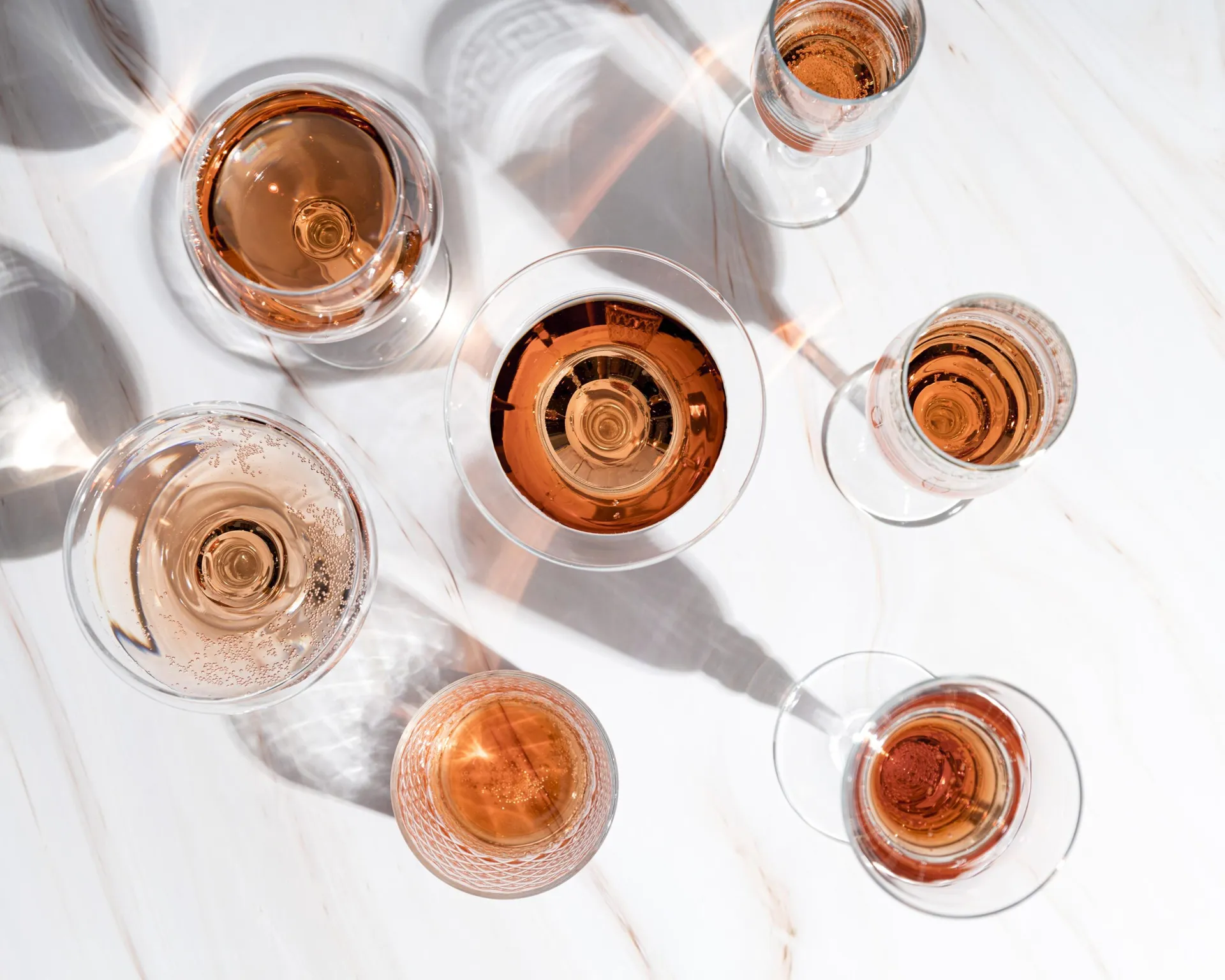
Thin rims matter because:
- They reduce tactile distraction
- They allow wine to flow naturally
- They enhance precision
A thick rim interrupts flow and alters perception before the wine even reaches the tongue.
Professional tastings almost always use ultra-thin crystal for this reason.
Why One “Universal” Glass Is a Compromise
Universal glasses exist for convenience, not excellence.
They:
- Flatten structural wines
- Mute delicate aromatics
- Fail to optimise any specific style
Bordeaux wines — diverse and structured — deserve more intentional glassware.
How This Knowledge Transforms Wine Tasting in Bordeaux
Understanding glass science changes how you experience wine tastings.
When tasting across appellations, noticing how glass shape interacts with:
- Terroir
- Blend
- Vintage
- Age
adds a deeper analytical layer to the experience.
This is something many travellers begin to appreciate more deeply during Bordeaux Wine Pilgrim’s curated tastings and vineyard visits, where structure, balance, and sensory precision are central to understanding Bordeaux wines.
Glassware at Home vs in Châteaux
At châteaux, glassware is chosen intentionally:
- To flatter the estate’s style
- To present the wine at its best
- To control perception during tasting
At home, replicating this elevates your experience dramatically — often more than decanting alone.
Common Mistakes That Distort Bordeaux Wines
- Using small glasses for powerful reds
- Using wide-rimmed glasses for high-alcohol wines
- Overfilling the glass (reduces oxygen space)
- Using thick, heavy glassware
Each of these alters balance and perception in measurable ways.
Why Bordeaux Producers Care So Much About Glass Shape
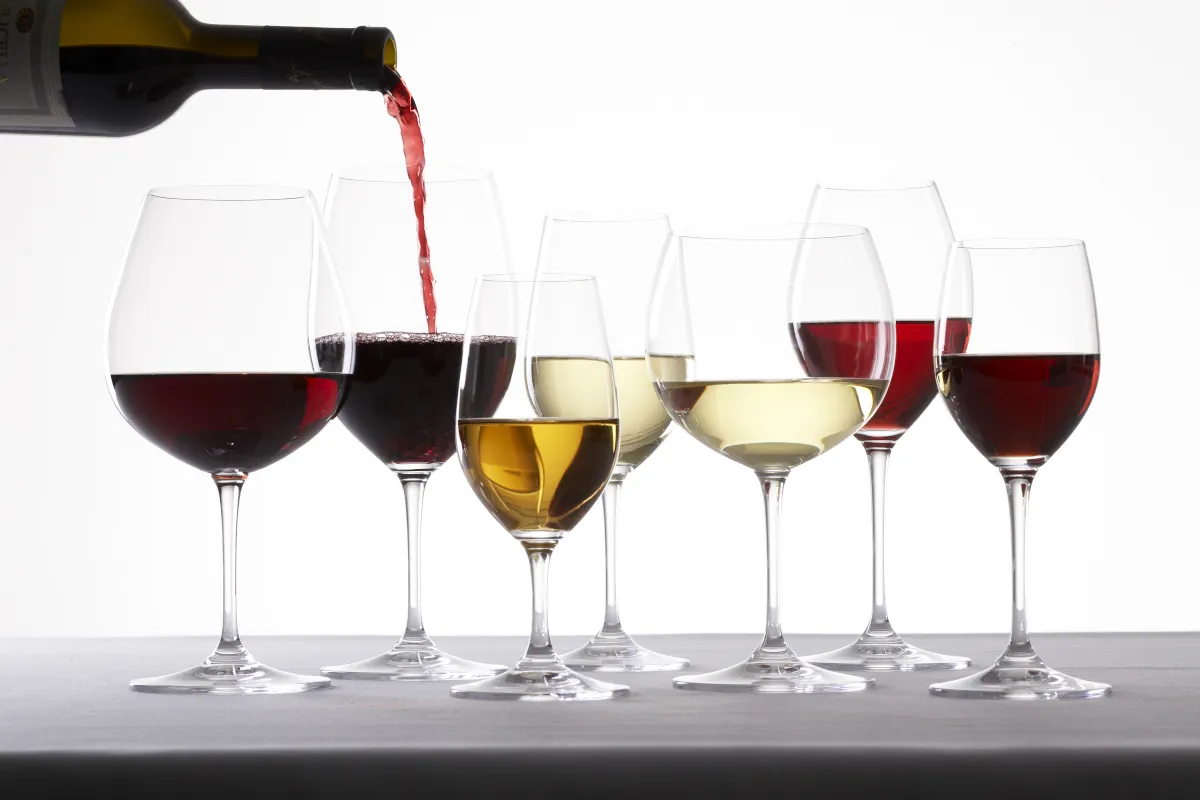
Bordeaux wines are built with intention and longevity. Glass shape is the final step in a chain that includes:
- Vineyard decisions
- Blending
- Ageing
- Bottling
Ignoring it is like listening to a symphony through poor speakers.
Experiencing the Difference First-Hand
When tasting Bordeaux wines side by side in different glasses, the difference is immediate — not subtle.
Fruit clarity, tannin texture, aromatic lift, and balance shift dramatically. This realisation often becomes a turning point for wine lovers seeking a deeper understanding.
It is also why many travellers choose Bordeaux Wine Pilgrim’s Bordeaux Wine Tours to experience Bordeaux wines in conditions that respect their structure, science, and intent.
Final Reflection: Glass Shape Is Not Accessory — It Is an Interpretation
Wine does not change in the bottle.
Your perception does.
Glass shape determines which aspects of a Bordeaux wine speak first — fruit, structure, alcohol, or aroma. It decides whether tannins feel aggressive or refined, whether complexity unfolds or collapses.
Understanding this transforms wine from a beverage into an experience — one shaped as much by science as by terroir.
And in Bordeaux, where balance is everything, the glass is not optional.
