From Vineyard to Glass: The Journey of Bordeaux Wine
A glass of Bordeaux wine represents far more than the moment when the bottle is opened and the wine is poured. Behind every glass lies a long process shaped by vineyard work, seasonal rhythms, fermentation, ageing, and blending decisions that occur over many months — sometimes years.
Across the Bordeaux wine region, vineyards stretch across landscapes shaped by rivers, gravel terraces, clay hillsides, and limestone plateaus. Each vineyard expresses a unique combination of soil, climate, grape varieties, and human decisions. The journey from vine to bottle therefore reflects not only the grapes themselves but also the environment in which they grow and the traditions followed by the winemakers who care for them.
For travellers exploring the region, this process becomes clearer when walking through vineyards and cellars. Seeing grapes growing on the vine, fermentation tanks in the winery, and barrels ageing quietly in underground cellars reveals how each stage contributes to the final wine. Many visitors begin to understand this transformation during a Saint Emilion Wine Tour, where winemakers explain how grapes move from the vineyard into the cellar and eventually into the bottle.
Understanding Bordeaux wine therefore begins not with the bottle, but with the vineyard.
The Vineyard: Where Every Bordeaux Wine Begins
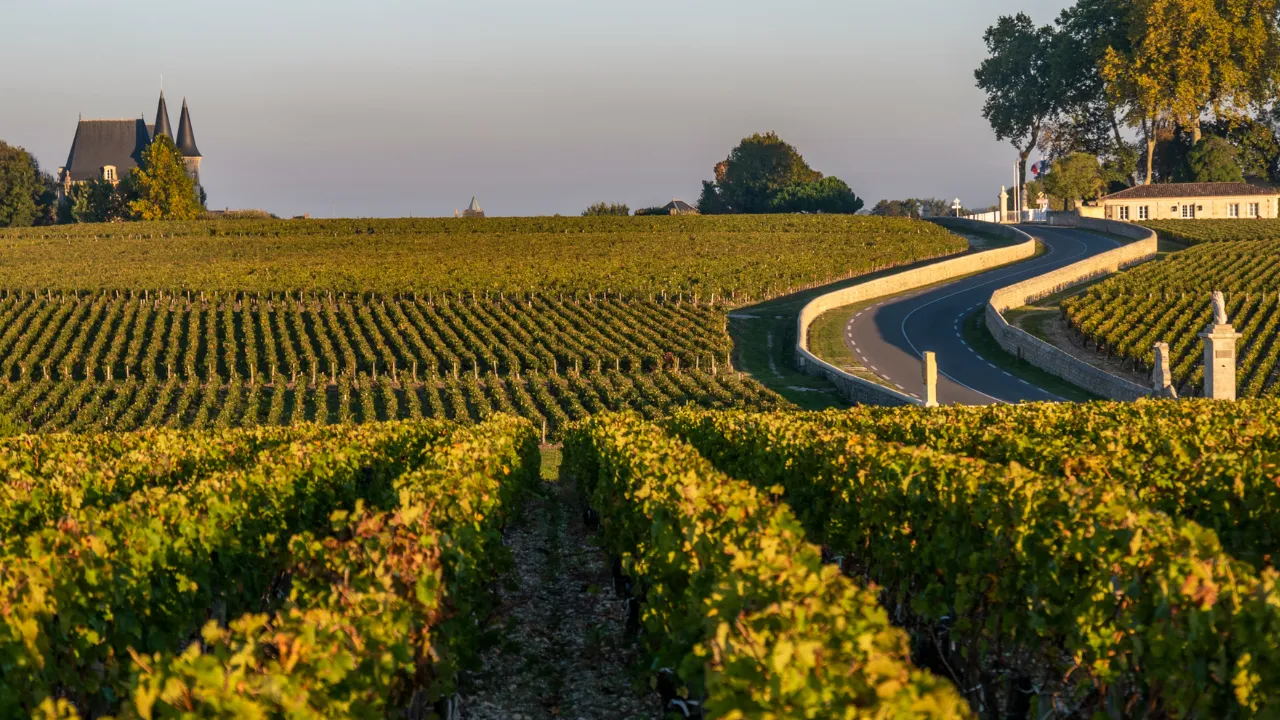
Every wine produced in Bordeaux begins with the vine. Long before fermentation or ageing takes place, the vineyard determines the fundamental character of the wine.
The vineyards of Bordeaux are planted with grape varieties chosen carefully for the region’s climate and soils.
Key red grape varieties of Bordeaux
- Cabernet Sauvignon – provides structure, tannins, and long ageing potential
- Merlot – contributes softness, ripe fruit, and round texture
- Cabernet Franc – adds aromatic complexity and freshness
- Petit Verdot – introduces colour, spice, and structure in smaller amounts
- Malbec – occasionally used to enhance depth and richness
White Bordeaux wines are typically made from:
- Sauvignon Blanc
- Sémillon
- Muscadelle
Each grape contributes a different element to the final wine, which is why Bordeaux wines are traditionally blends rather than single-variety wines.
Throughout the year, vineyard teams carefully guide vine growth through pruning, canopy management, and soil care. These decisions influence how grapes develop long before harvest begins.
Terroir: The Foundation of Bordeaux Wine
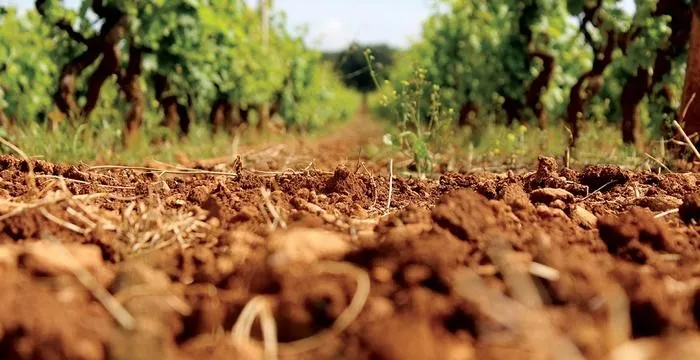
The identity of Bordeaux wines cannot be understood without considering terroir.
Terroir describes the combination of natural factors — soil, climate, topography, and exposure — that influence how vines grow and how grapes ripen.
Across Bordeaux, soils vary dramatically. Some vineyards sit on deep gravel ridges, while others grow on clay slopes or limestone plateaus.
Major soil types in Bordeaux
- Gravel soils – common on the Left Bank and ideal for Cabernet Sauvignon
- Clay soils – retain moisture and favour Merlot
- Limestone soils – provide freshness and mineral tension to wines
These geological differences explain why wines from different Bordeaux regions display distinct styles.
For readers interested in understanding this relationship between soil and wine structure, the subject is explored further in Gravel vs Clay vs Limestone: How Bordeaux Soils Shape Wine Styles, which examines how geology influences wines across the entire region.
Terroir therefore forms the foundation of Bordeaux wine long before grapes enter the cellar.
The Seasonal Rhythm of the Vineyard
The life of a vineyard follows a cycle that repeats each year.
Every season contributes to the development of the grapes and ultimately shapes the wine produced from them.
Key stages in the vineyard year
- Winter pruning – vines are trimmed to control the number of buds that will produce grapes
- Spring budburst – vines awaken from dormancy and new shoots begin to grow
- Flowering – tiny clusters of grapes form on the vine
- Summer canopy management – leaves are adjusted to control
- sunlight and airflow
- Veraison – grapes change colour and begin ripening
- Autumn harvest – grapes reach maturity and are picked
Throughout this process vineyard teams monitor weather conditions, vine health, and grape ripeness.
Every decision influences the final character of the wine.
Harvest: The Most Critical Moment
Harvest represents the turning point in the journey from vineyard to wine.
Once grapes reach optimal ripeness, picking begins. In many Bordeaux estates, harvest is still conducted by hand, allowing workers to select only the healthiest grapes from the vines.
Harvest usually occurs between September and October, depending on the grape variety and the weather conditions of the vintage.
Timing is crucial.
- Grapes harvested too early may produce wines lacking depth.
- Grapes harvested too late may lose freshness and structure.
As soon as grapes are picked, they are transported quickly to the winery where the next stage begins.
Sorting and Preparing the Grapes
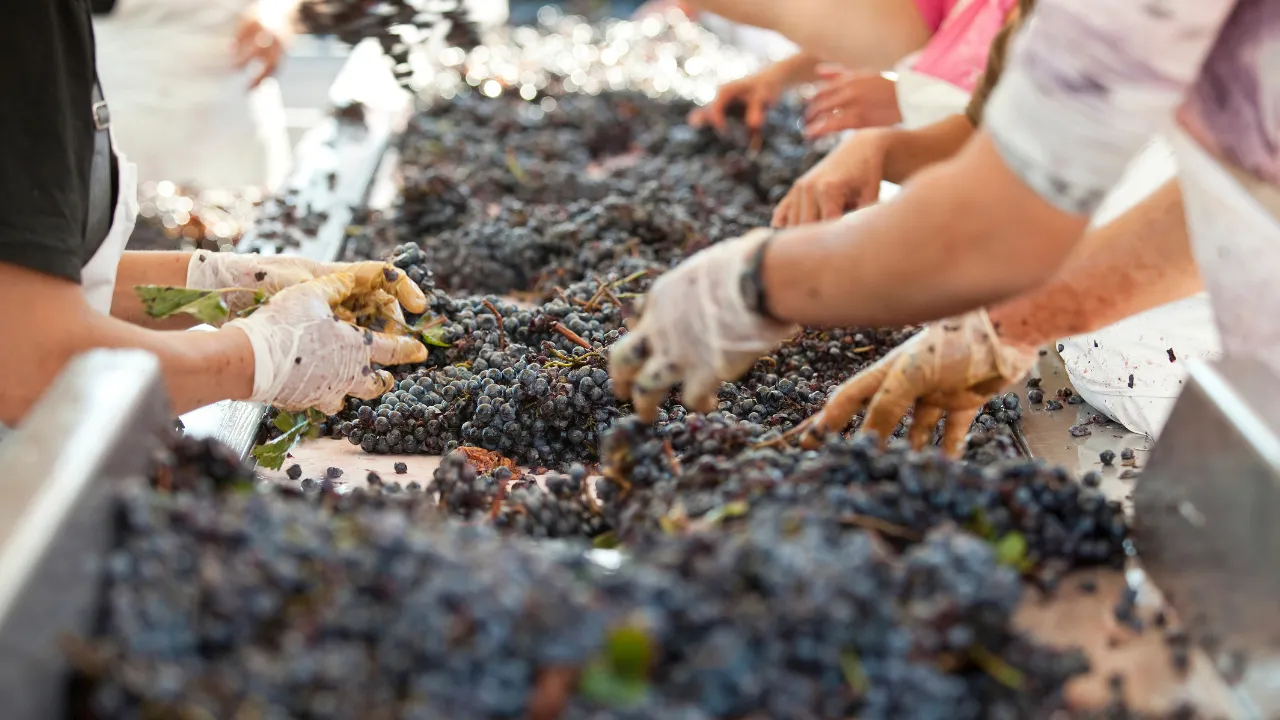
When grapes arrive at the winery, they pass through a sorting stage before fermentation begins.
Sorting ensures that only high-quality fruit enters the winemaking process.
This stage typically includes:
- removing leaves and stems
- discarding damaged grapes
- selecting the healthiest berries
Some estates now use optical sorting machines that analyse each grape individually.
Once sorting is complete, the grapes are usually destemmed and gently crushed so the juice can begin fermentation.
Fermentation: Turning Grapes into Wine
Fermentation is the stage where grape juice becomes wine.
Crushed grapes are transferred into fermentation tanks made from stainless steel, concrete, or occasionally oak.
During fermentation, natural or cultured yeast converts sugar in the grape juice into alcohol.
For red wines, grape skins remain in contact with the juice during fermentation. This contact extracts:
- colour
- tannins
- flavour compounds
Winemakers manage this process carefully using techniques such as pump-overs and punch-downs to control extraction.
Fermentation usually lasts between one and three weeks.
Once fermentation is complete, the young wine is separated from the grape skins.
Ageing the Wine
After fermentation, Bordeaux wines often spend many months ageing in oak barrels.
Oak barrels allow very small amounts of oxygen to interact with the wine. This gradual exposure softens tannins and helps stabilise colour.
Barrel ageing also contributes subtle aromas.
Common flavours influenced by oak ageing
- cedar
- vanilla
- spice
- toast
Ageing typically lasts between twelve and eighteen months, although some wines remain in barrel longer depending on the style of the estate.
During this period winemakers taste the barrels regularly to monitor the development of the wine.
Blending: The Signature Tradition of Bordeaux
One of the defining characteristics of Bordeaux winemaking is blending.
Rather than producing wines from a single grape variety, Bordeaux wines combine several varieties to achieve balance.
For example:
- Cabernet Sauvignon contributes structure and longevity
- Merlot adds softness and ripe fruit
- Cabernet Franc enhances aromatic complexity
Winemakers taste wines from different vineyard parcels and grape varieties before deciding how to assemble the final blend.
This blending process allows each château to craft a wine that reflects both the vineyard and the identity of the estate.
Bottling and the Final Stage
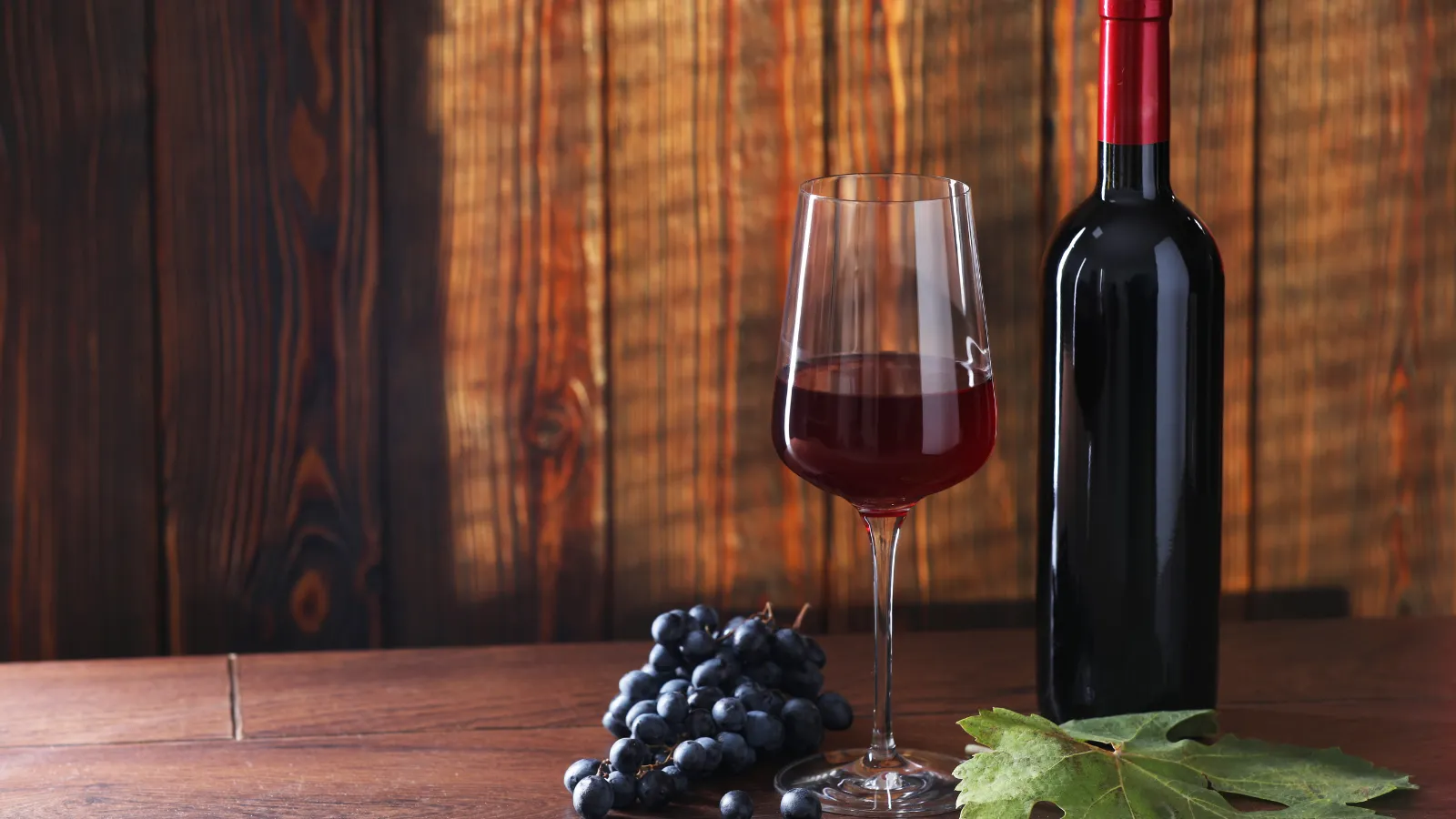
Once ageing and blending are complete, the wine is bottled at the estate.
Bottling preserves the identity of the wine while allowing it to continue evolving slowly in the bottle.
Some Bordeaux wines are released relatively soon after bottling, while others may age in cellar storage for years before reaching the market.
Even after bottling, the wine continues to develop.
From Cellar to Glass
The final stage occurs when the bottle is opened and the wine is poured.
At this moment the entire journey — vineyard work, harvest, fermentation, ageing, and blending — becomes visible in the aromas and flavours within the glass.
For travellers visiting Bordeaux, tasting wine at the estate where it was produced often brings this journey into focus.
Walking through vineyards, descending into barrel cellars, and tasting wines beside the vines where the grapes grew reveals how closely the final wine reflects its origins.
Many visitors experience this connection most clearly while exploring the limestone vineyards of Saint-Émilion during a Saint Emilion Wine Tour, where the path from vineyard to glass becomes tangible through vineyard walks, cellar visits, and guided tastings.
Understanding the Journey of Bordeaux Wine
The journey from vineyard to glass is long, intricate, and deeply connected to the landscape of Bordeaux.
It begins with careful vineyard management and continues through harvest, fermentation, ageing, and blending before finally reaching the glass.
Every stage contributes to the character of the final wine.
Understanding this process transforms a simple glass of Bordeaux into something far more meaningful — an expression of soil, climate, tradition, and craftsmanship shaped over time.
And for those who wish to experience this journey firsthand, exploring vineyards and historic châteaux during a Saint Emilion Wine Tour often reveals the deeper story behind every bottle of Bordeaux wine.
