Fronsac and Canon-Fronsac: Historic Right Bank Wines
The Bordeaux wine region is often discussed through the lens of its most famous names. Saint-Émilion and Pomerol dominate the conversation when the Right Bank is mentioned, while the Médoc estates command attention on the Left Bank.
Yet just beyond Saint-Émilion, another historic wine landscape quietly continues its centuries-old tradition. The hills of Fronsac and Canon-Fronsac overlook the Dordogne valley and represent one of the most historically important vineyard areas in Bordeaux.
These appellations may not appear in every collector’s cellar today, but their geological character and historical importance remain deeply connected to the development of Bordeaux wine.
Long before Saint-Émilion achieved global prestige, Fronsac wines were admired across France. Their reputation was built on the same natural foundations that shape many of the Right Bank’s finest wines: limestone plateaus, clay-rich soils, and Merlot-driven blends.
Travellers exploring the vineyards east of Bordeaux often encounter these hills while discovering the broader Libournais landscape during a Saint Emilion Wine Tour, where neighbouring appellations reveal how closely the vineyards of Fronsac are linked to the wider story of Bordeaux.
Where Fronsac and Canon-Fronsac Are Located
Fronsac and Canon-Fronsac lie in the Libournais district of Bordeaux, only a few kilometres west of Saint-Émilion and north of Libourne.
The vineyards rise above the meeting point of two rivers: the Isle and the Dordogne. From these elevated slopes, the valley stretches toward the Gironde estuary, forming one of the most distinctive vineyard landscapes on the Right Bank.
Unlike the flat gravel plains of the Médoc, Fronsac’s terrain is defined by hills and limestone ridges.
These slopes provide excellent drainage while allowing vines to benefit from favourable sun exposure throughout the growing season. The altitude also contributes to airflow across the vineyards, helping maintain vine health during humid conditions.
This combination of elevation, sunlight, and soil diversity creates a unique terroir that distinguishes Fronsac from many other Bordeaux appellations.
Limestone, Clay, and the Foundations of Fronsac Wines
The soils of Fronsac and Canon-Fronsac share strong similarities with those found in nearby Saint-Émilion.
At their foundation lies limestone bedrock, often covered with layers of clay that retain moisture during dry summers.
Clay soils support steady vine growth, while limestone contributes freshness and mineral tension to the wines. These conditions favour Merlot, the grape variety that dominates the vineyards across the Right Bank.
Merlot ripens earlier than Cabernet Sauvignon and performs exceptionally well in clay-limestone soils. It produces wines with rich fruit flavours and supple textures.
Smaller plantings of Cabernet Franc add aromatic lift and structural complexity, while occasional amounts of Cabernet Sauvignon contribute additional backbone in certain blends.
For readers interested in how these soils compare with other parts of Bordeaux, the geological differences become clearer in Gravel vs Clay vs Limestone: How Bordeaux Soils Shape Wine Styles, which explores how soil composition influences wine structure across the region.
A Historic Reputation in Bordeaux
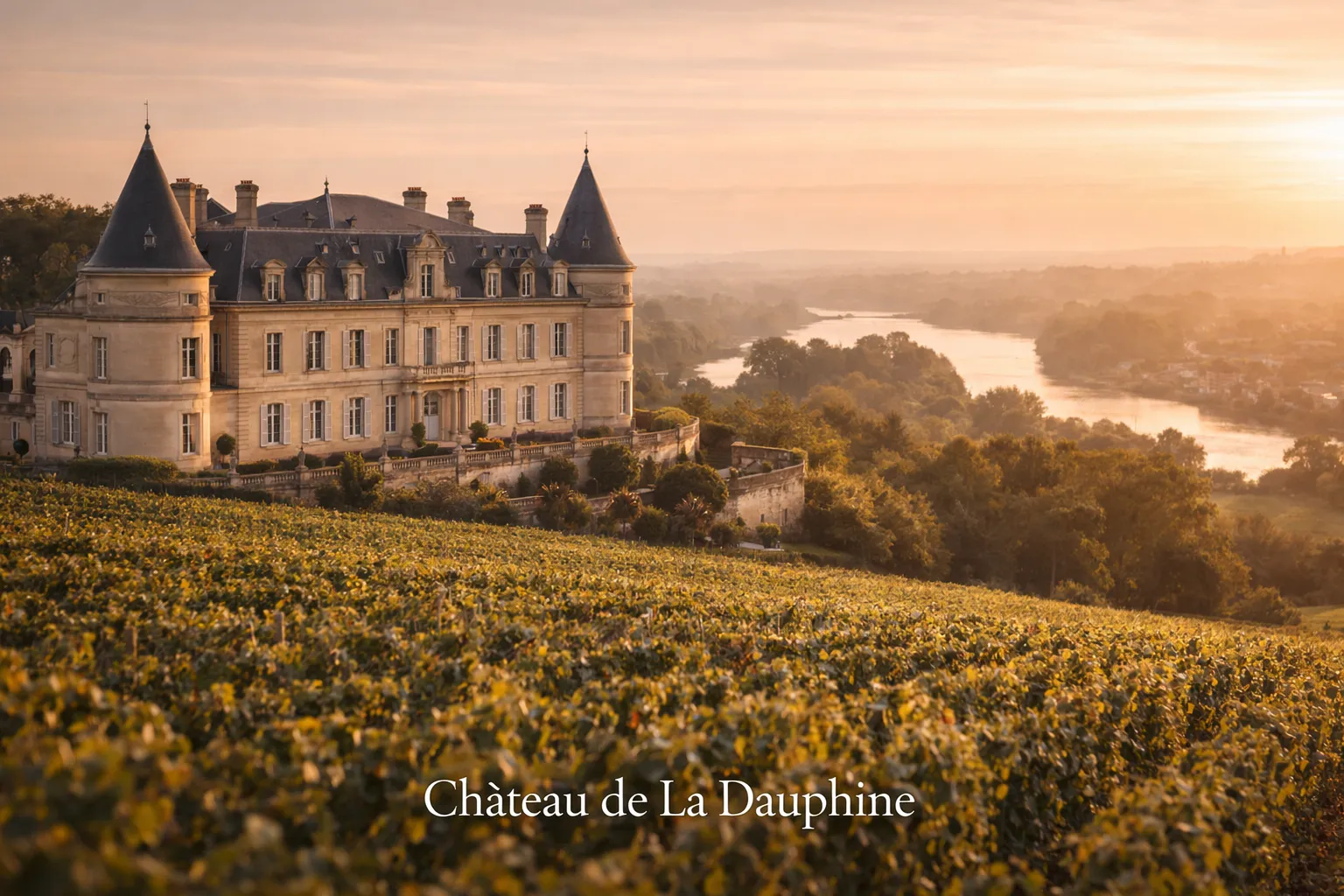
Fronsac’s history reveals a fascinating chapter in the development of Bordeaux wine.
During the seventeenth century, the region attracted attention from the French aristocracy. One of the most influential figures associated with the area was the Duke of Richelieu, who constructed a grand residence overlooking the surrounding vineyards.
Wine produced in the region gained popularity among the French nobility, and for a period Fronsac wines were considered among the most respected in Bordeaux.
One of the historic estates that reflects this long tradition is Château de La Dauphine, whose vineyards overlook the Dordogne valley and illustrate the enduring heritage of winemaking in these hills.
Although global attention later shifted toward Saint-Émilion and Pomerol, Fronsac’s early reputation remains an important part of Bordeaux’s history.
Fronsac and Canon-Fronsac: Two Appellations, One Landscape
Although the two appellations are closely connected geographically, subtle differences distinguish Fronsac from Canon-Fronsac.
Canon-Fronsac vineyards often occupy slightly higher limestone plateaus. These elevations can produce wines with more mineral tension and structural definition.
Fronsac itself includes a broader mix of vineyard terrains, including clay-rich slopes that often produce wines with deeper fruit expression.
Both appellations rely primarily on Merlot-dominated blends, reflecting the broader identity of the Right Bank.
The subtle variations between vineyard sites demonstrate how even small changes in soil composition and elevation can influence wine style.
The Style of Fronsac Wines
Fronsac wines are often recognised for their depth and structure.
Young wines typically display aromas of blackberry, plum, and black cherry, often accompanied by hints of spice, cocoa, and earthy tones.
Compared with some neighbouring Right Bank wines, Fronsac wines can show slightly firmer tannins and greater structural presence.
Yet they maintain the richness and roundness that Merlot provides.
As the wines age, aromas evolve toward notes of truffle, tobacco, leather, and forest floor. These secondary characteristics add complexity while the tannins soften and integrate.
Well-made Fronsac wines can therefore develop beautifully over time.
Winemaking Traditions
Winemaking practices in Fronsac follow the classic Bordeaux approach.
After harvest, grapes are sorted carefully before fermentation begins in temperature-controlled vats. This process allows winemakers to manage the extraction of tannins, colour, and flavour.
Following fermentation, the wines are usually aged in French oak barrels for twelve to eighteen months.
Oak ageing contributes structure and subtle spice while allowing the wines to develop aromatic complexity.
Winemakers then blend wines from different grape varieties and vineyard parcels, creating a final wine that reflects both the character of the vintage and the identity of the estate.
The Landscape of the Dordogne Valley
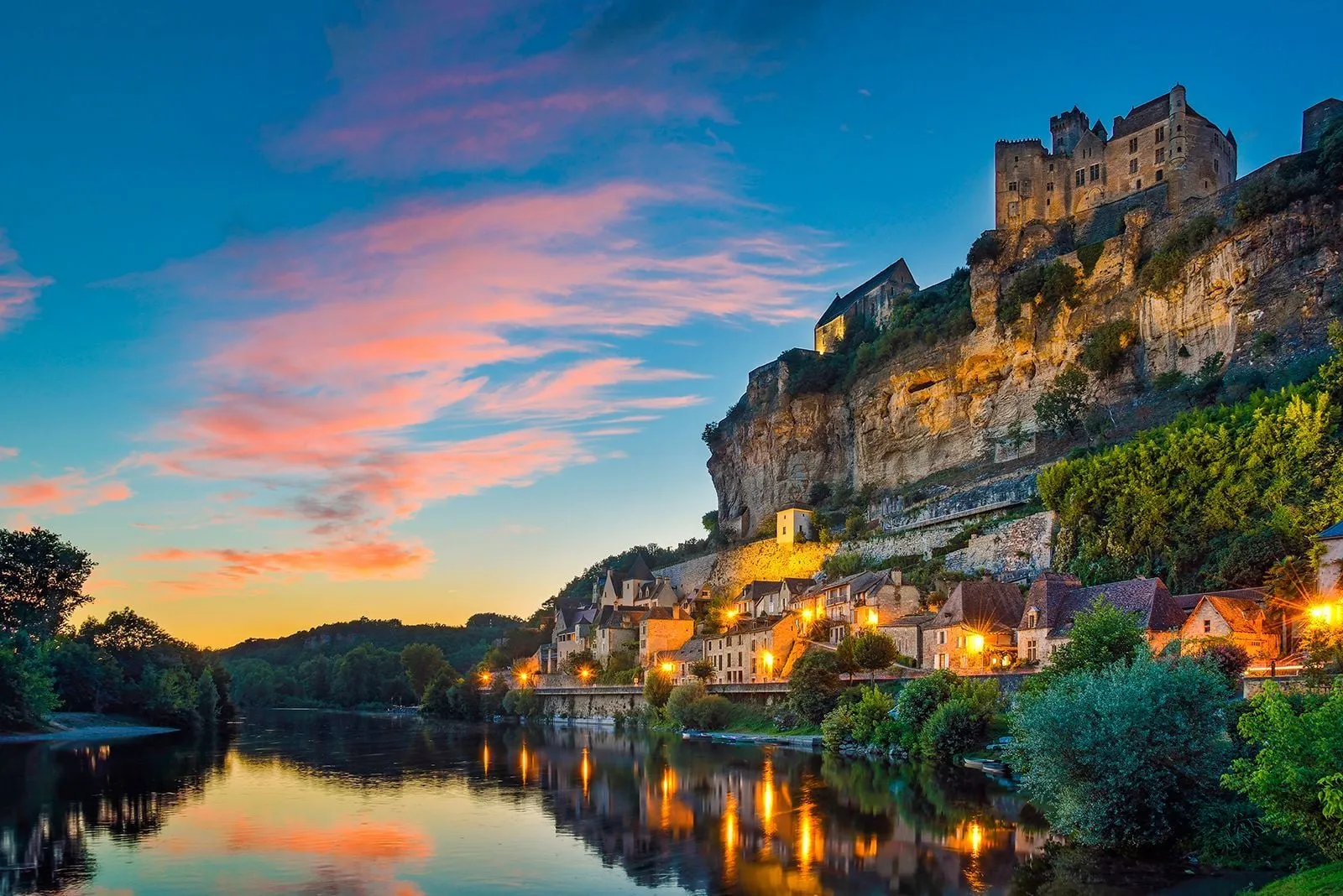
The vineyards of Fronsac offer one of the most scenic landscapes in the Libournais.
Rows of vines stretch across rolling hills that overlook the Dordogne valley. Historic châteaux appear among the vineyards, many surrounded by forests and agricultural land that have shaped the region’s rural character.
Compared with the busier wine routes of Saint-Émilion, Fronsac often feels quieter and more rural.
Visitors exploring the area frequently discover a landscape where winemaking traditions continue in a more understated way.
These hills reveal another side of Bordeaux — one where history, geography, and agriculture remain closely connected.
The Geography That Shapes Fronsac Wines
The vineyards of Fronsac and Canon-Fronsac occupy one of the most dramatic landscapes on the Right Bank of Bordeaux.
Unlike the flat vineyard plains found in many parts of the Bordeaux wine region, Fronsac is defined by hills that rise above the Dordogne valley. These slopes create natural terraces where vines benefit from excellent drainage and consistent sunlight exposure.
Elevation plays an important role here. Vineyards positioned on higher slopes experience greater airflow, helping protect vines from humidity and reducing disease pressure during the growing season.
These hills also create a wide variety of micro-climates. Some slopes face south toward the Dordogne River and receive maximum sunlight, while others face east or west, moderating the pace of ripening.
This variation contributes to the diversity of wines produced within the appellation.
Vineyards and Grape Varieties
Merlot dominates the vineyards of Fronsac and Canon-Fronsac, as it does throughout much of the Right Bank.
The grape adapts exceptionally well to the clay-limestone soils that define the region. Clay retains moisture during dry periods, while limestone helps regulate vine growth and contributes freshness to the finished wine.
Cabernet Franc plays an important supporting role in many blends.
This grape adds aromatic complexity and structure, bringing notes of herbs, violets, and spice to the wines. In some vineyards, small quantities of Cabernet Sauvignon are also planted, though Merlot remains the central component.
The resulting wines are typically full-bodied, with rich fruit flavours balanced by firm but refined tannins.
Notable Estates in the Fronsac Appellation
Several estates illustrate the potential of Fronsac terroir.
Among them is Château Dalem, an estate with a history that stretches back to the seventeenth century. Its vineyards sit on slopes overlooking the Dordogne valley, producing Merlot-dominant wines known for their richness and depth.
Another respected property in the region is Château Fontenil, whose vineyards rest on clay-limestone soils typical of the appellation.
These estates demonstrate how Fronsac continues to produce wines with both power and balance, even as global attention often focuses on neighbouring appellations.
Fronsac Compared with Saint-Émilion
Fronsac’s proximity to Saint-Émilion often invites comparison.
Both regions share similar geological foundations built on limestone and clay. Both rely heavily on Merlot-based blends, and both produce wines capable of ageing gracefully.
Yet Fronsac wines often show a slightly different personality.
While Saint-Émilion wines can emphasise finesse and aromatic complexity, Fronsac wines frequently display a touch more structure and earth-driven character.
These differences highlight how even small changes in geography and soil composition can influence the style of Bordeaux wines.
Travellers exploring these neighbouring regions often gain a deeper understanding of Bordeaux’s diversity during a Saint Emilion Wine Tour, where vineyards reveal how terroir shapes the identity of each appellation.
The Ageing Potential of Fronsac Wines
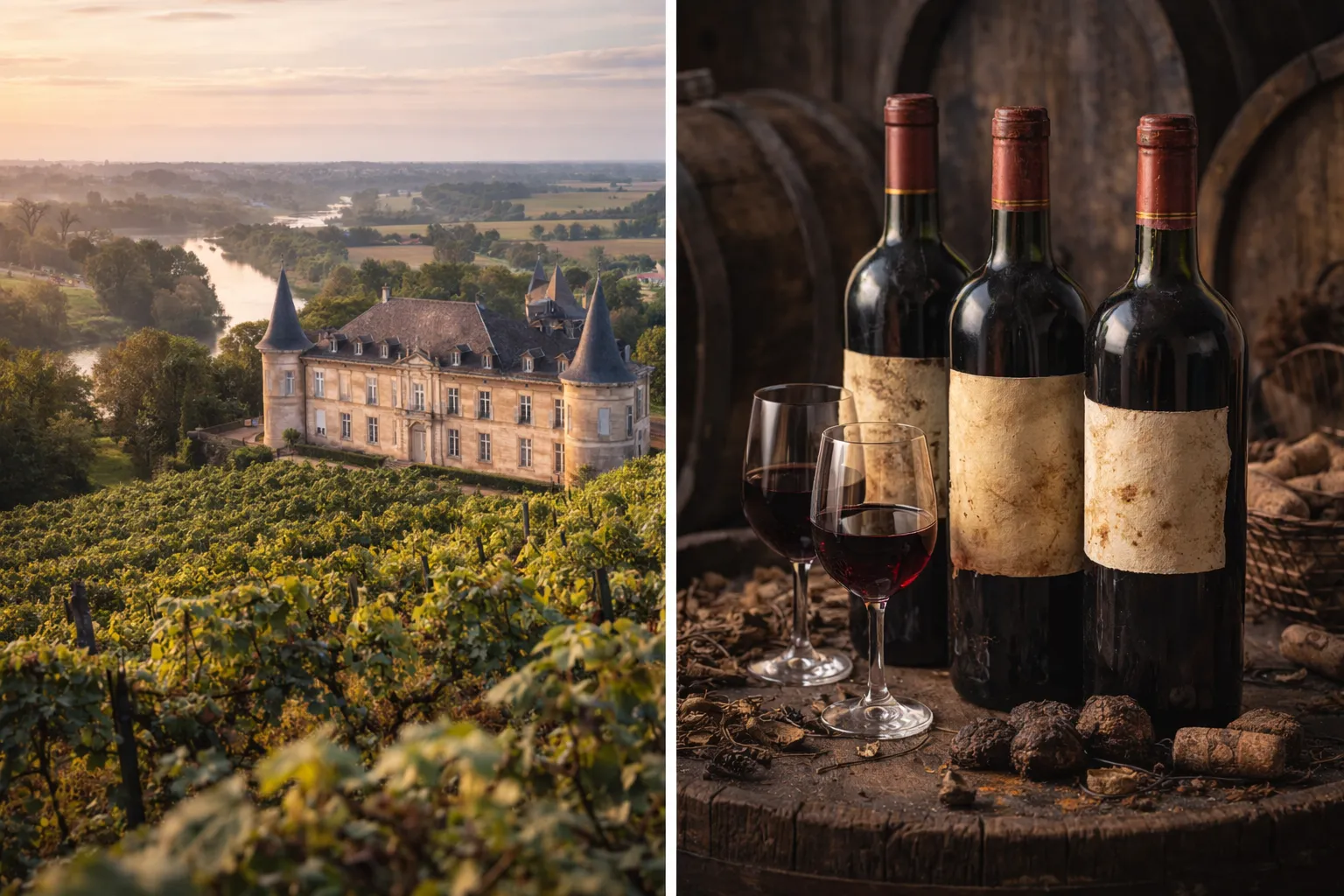
One of the most compelling qualities of Fronsac wines is their ability to evolve with time.
Young wines tend to display bold fruit and firm tannins. Over time, these characteristics soften and integrate as the wine develops more complex aromas.
After a decade or more in bottle, notes of leather, truffle, cedar, and forest floor often emerge.
The clay-limestone soils of the region help preserve freshness within the wines, allowing them to age gracefully while retaining balance.
For collectors seeking wines that combine structure with long-term development potential, Fronsac offers an intriguing alternative to more famous Right Bank appellations.
Fronsac’s Quiet Renaissance
In recent decades, Fronsac has experienced a quiet resurgence.
Many estates have invested in vineyard management and modern winemaking techniques, allowing the quality of wines to improve steadily.
Lower yields, careful grape selection, and refined ageing practices have contributed to greater precision in the wines.
As a result, Fronsac is increasingly recognised by wine enthusiasts who seek wines that combine Bordeaux tradition with strong value.
While the region may not yet command the same global prices as neighbouring appellations, the quality of its wines continues to attract growing attention.
A Landscape of History and Terroir
Walking through the hills of Fronsac reveals a landscape shaped by centuries of agricultural tradition.
Stone villages overlook vineyards that stretch toward the Dordogne River. Historic estates stand among rolling hills, many of them still operated by families who have cultivated these lands for generations.
The scenery offers visitors a reminder that Bordeaux wine is not only about bottles and labels. It is also about the relationship between land, climate, and human craftsmanship.
The quiet slopes of Fronsac capture this relationship beautifully.
Why Fronsac and Canon-Fronsac Matter Today
Fronsac and Canon-Fronsac remain essential pieces of the Bordeaux mosaic.
Their limestone hills and clay soils reflect the geological foundations that define the Right Bank, while their wines continue to express the richness and structure that Merlot can achieve in these conditions.
Although the global spotlight may shine more brightly on neighbouring appellations, Fronsac remains a region where history and terroir intersect.
For travellers and wine lovers alike, these vineyards offer a deeper perspective on Bordeaux — one that reveals how the region’s lesser-known appellations contribute to the remarkable diversity of the Bordeaux wine region.
Those discovering the Right Bank often encounter these historic hills while exploring nearby vineyards during a Saint Emilion Wine Tour, where the contrast between different appellations brings the complexity of Bordeaux wine into clearer focus.
