A Greener Future for Travel: High-Speed Rail from London to Bordeaux
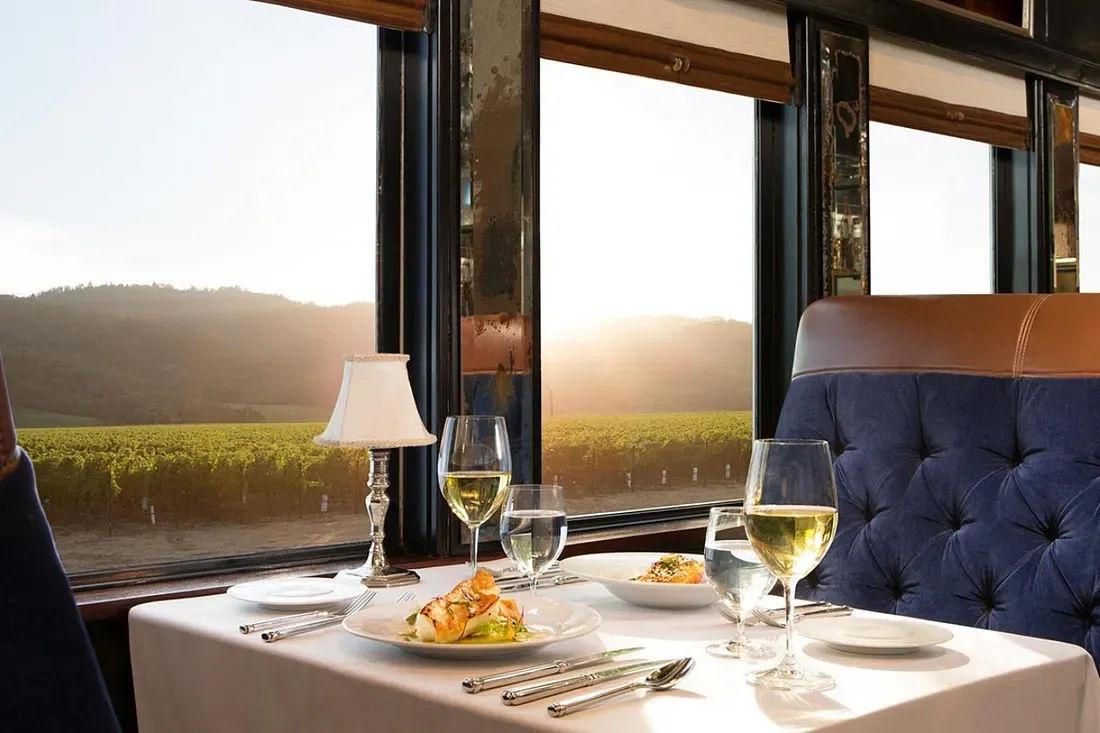
In recent years, travel preferences have shifted towards more sustainable and relaxed options. Since the pandemic, many travellers have chosen environmentally friendly modes of transport, such as ferries and Europe’s extensive rail network, over air travel. This trend is particularly noticeable among those visiting France, where the Eurostar has expanded its high-speed rail connections. With its growing network linking the UK, France, Germany, Belgium, and The Netherlands, Eurostar has opened up new possibilities for travellers arriving from London.
But there is an even bigger development on the horizon: a direct high-speed rail link between London and Bordeaux. This long-awaited service is expected to reshape how visitors travel to southwest France, particularly those planning wine-focused trips, cultural stays, or extended travel across the Bordeaux region.
The London to Bordeaux High-Speed Train
Expected to launch in 2026, the new high-speed train service will connect London to Bordeaux in approximately five hours. Operated by Evolyn in partnership with Eurostar’s UK contractor, the route is designed to bypass the current need to change trains in Paris.
This new connection provides a practical alternative for travellers comparing flight options with rail. Visitors landing in France by plane often consult guides such as how to get into Bordeaux city from the airport, but a direct London–Bordeaux rail route removes that step entirely, allowing travellers to arrive directly in the city centre.
For wine travellers, the appeal is clear. Bordeaux sits at the heart of one of the world’s most important wine regions, with Saint-Émilion, Médoc, Pessac-Léognan, and Sauternes all within easy reach by train or road. Arriving by rail allows visitors to move directly from city to vineyards without the complexity of airport transfers.
Expanding Rail Connections Across Europe and Carbon Reduction
The proposed London to Bordeaux service reflects a broader shift in European travel habits. With more than one million passengers flying between London and Bordeaux annually, the environmental impact of aviation on this route is significant. High-speed rail produces substantially lower emissions per passenger kilometre compared to short-haul flights.
This trend aligns with wider changes across Bordeaux itself, where sustainability, urban planning, and tourism development continue to evolve. The transformation of the city’s riverfront, transport infrastructure, and neighbourhoods is explored in Bordeaux reimagined, which outlines how Bordeaux is adapting to modern travel while retaining its historic identity.
What to Do in Bordeaux

For visitors arriving by train, Bordeaux offers a wide range of activities within walking distance of the station and city centre. The historic centre, listed as a UNESCO World Heritage site, includes 18th-century architecture, medieval streets, and extensive riverfront promenades along the Garonne.
Wine remains central to the visitor experience. A vineyard tour in Bordeaux provides insight into regional appellations, while a Saint-Émilion wine tour introduces visitors to limestone cellars, historic estates, and classified vineyards. For those seeking a more active experience, a Saint-Émilion e-bike tour allows travellers to explore vineyards at a slower pace, with access to rural landscapes that are difficult to reach by public transport.
For a structured introduction to the region, visitors can join a wine tour with Bordeaux Wine Pilgrim. Tours focus on vineyard access, wine education, and local context, helping travellers understand how geography, history, and winemaking intersect across Bordeaux.
Wine tastings are widely available throughout the city, from specialist wine bars to château visits outside the centre. Bordeaux’s wine scene caters to both experienced wine drinkers and those tasting regional wines for the first time.
Perfect for Property Seekers
The improved rail connection also strengthens Bordeaux’s appeal for property buyers and long-stay visitors. Historically, British buyers prioritised regions closer to ferry routes. Direct rail access shifts that dynamic, making southwest France more accessible without reliance on flights.
Areas such as the Dordogne Valley, Libournais, and wider Gironde benefit from Bordeaux’s rail hub, allowing residents to travel between the UK and France with minimal transfers.
The Sustainability Factor
Sustainability plays a growing role in travel decisions. Rail travel reduces emissions, avoids airport congestion, and provides a more predictable journey. For visitors travelling with wine purchases, rail also removes airline liquid restrictions.
Within Bordeaux, sustainable tourism initiatives include cycle-friendly infrastructure, electric bike wine tours, and vineyard practices that focus on environmental responsibility.
Why Bordeaux Remains a Key Destination

Bordeaux combines architecture, gastronomy, wine culture, and accessibility in a way few European cities can match. Visitors can explore vineyards by day and return to the city for dining, museums, and river walks in the evening.
Whether travelling independently or joining a vineyard tour, Bordeaux offers a structured yet flexible travel experience. The upcoming London–Bordeaux rail connection further simplifies access, making longer stays and repeat visits more practical.
Get Ready for the Future of Travel
The London to Bordeaux high-speed rail service represents a shift in how travellers reach one of France’s most important wine regions. Reduced environmental impact, direct city-centre arrival, and seamless onward connections place Bordeaux firmly within Europe’s evolving rail network.
For wine travellers, cultural visitors, and those planning extended stays, rail travel offers a practical and sustainable route into the heart of southwest France.
