How to Smell Wine Correctly: Aromas for Beginners in Bordeaux
Why Smelling Wine Is the Secret to Enjoying Bordeaux Wine
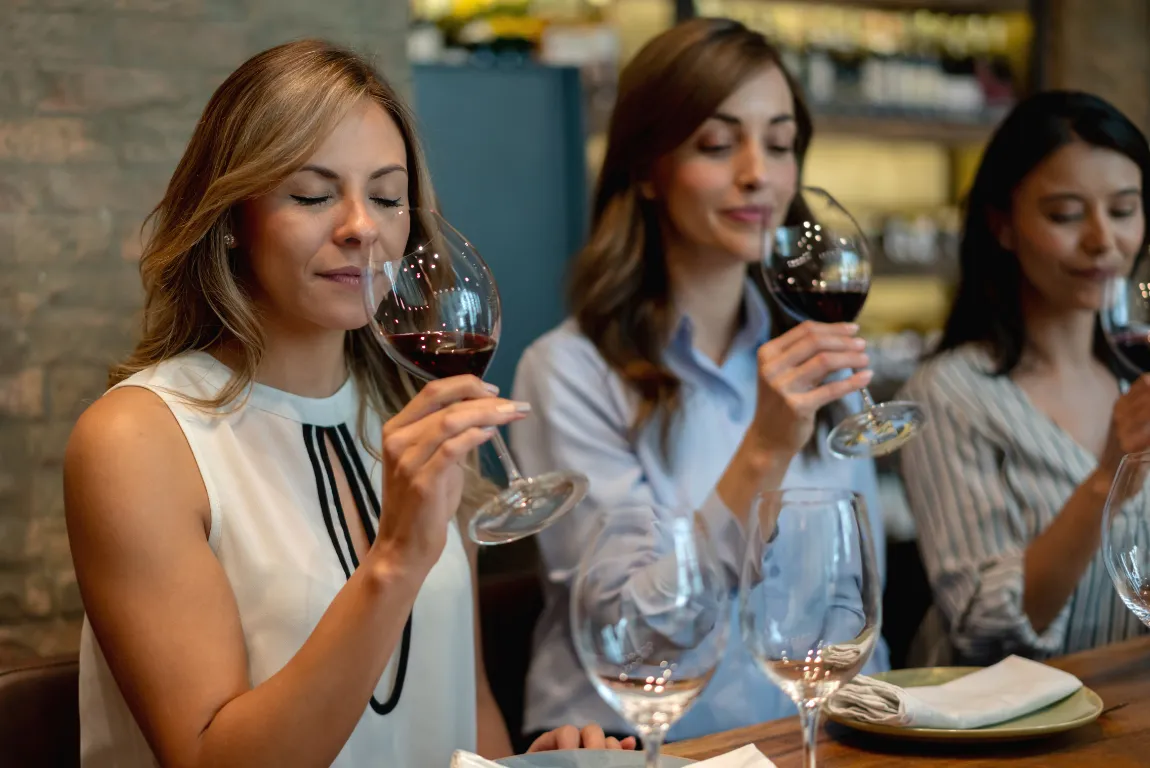
Travellers visiting Bordeaux quickly realise something unexpected: while most people think wine tasting is about flavour, professionals know that 90% of what you taste comes from smell. The aromas rising from the glass reveal the grape, soil, climate, ageing process, and winemaker decisions.
Smelling wine is not instinctive. Many visitors hesitate, swirl awkwardly, or sniff too quickly, missing layers of complexity in Bordeaux wines.
This guide is written for beginners, travellers, and anyone who wants to learn how to smell wine correctly — practical, sensory-focused, and designed to bring Bordeaux wines to life.
The Role of Aromas in Bordeaux Wine
Aroma vs Flavour
- Aromas: detected by your nose
- Flavours: detected by your tongue (sweet, sour, bitter, salty, umami)
- Taste + aroma = full flavour
This explains why wine tastes flat when you have a cold — your nose isn’t participating.
The Three Families of Wine Aromas
Primary Aromas
From the grape itself:
- Fruit
- Floral notes
- Herbs
- Spice
- Mineral tones
Secondary Aromas
From fermentation:
- Yeast
- Cream
- Brioche
- Butter
- Fresh bread dough
Tertiary Aromas
From ageing:
- Leather
- Tobacco
- Earth
- Truffle
- Cedar
- Forest floor
Bordeaux wines, known for complex, layered aromas, often show all three families, especially in aged bottles.
The Science Behind Smelling Wine
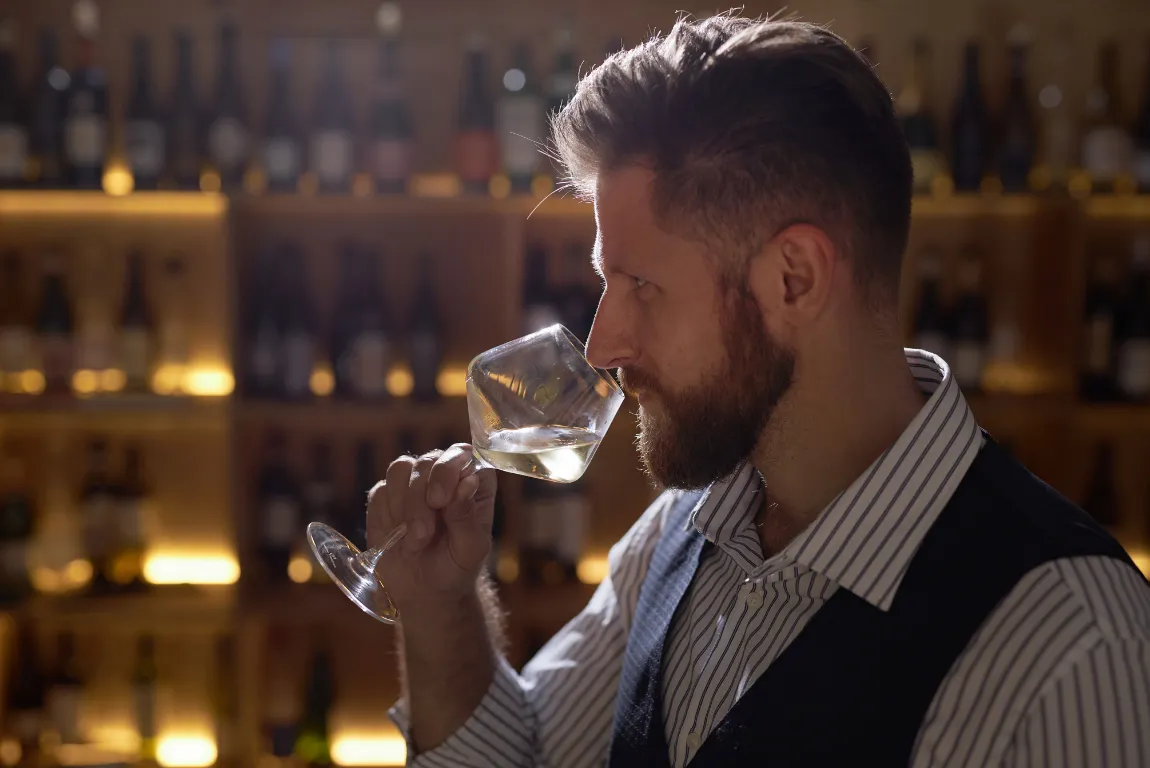
Why Swirling Matters
- Releases aromatic compounds
- Exposes wine to oxygen
- Helps alcohol evaporate slightly, freeing subtle scents
Why Glass Shape Matters
- Narrows at the top to trap aromas
- Allows swirling without spilling
- Directs aromas toward your nose
How Your Nose Detects Aromas
Aroma molecules travel to the olfactory bulb, where your brain identifies scents. Practice strengthens this connection.
Step-by-Step: How to Smell Wine Correctly
1. Look Before You Smell
- Colour depth
- Clarity
- Viscosity (legs on the glass)
- Hue (indicates age or grape)
2. Smell Without Swirling
- Fresh fruit
- Floral notes
- Initial intensity
- Alcohol level
3. Swirl Gently
A slow swirl unlocks deeper layers, increasing surface area and releasing aromas.
4. Smell Again Deeply
- Primary aromas (fruit, flowers, herbs)
- Secondary aromas (fermentation)
- Structure clues (freshness, intensity, balance)
5. Identify Aromas by Category
- Red fruit
- Black fruit
- Dark fruit
- Citrus
- Floral
- Herbal
- Spicy
- Earthy
6. Smell With Mouth Slightly Open
Allows air to circulate through nasal passages, revealing subtler scents.
7. Smell After a Sip
- More fruit
- More oak
- More earth
- New spices
Wine aromas shift over time, so each sniff can reveal new layers.
Understanding Aromas by Grape Variety in Bordeaux
Merlot Aromas
Primary: Black cherry, Plum, Raspberry
Secondary: Chocolate, Coffee, Spice
Tertiary: Truffle, Cedar, Leather
Cabernet Sauvignon Aromas
Primary: Blackcurrant, Blackberry, Mint, Violet
Secondary: Cedar, Tobacco
Tertiary: Leather, Graphite, Forest floor
Cabernet Franc Aromas
Primary: Red cherry, Raspberry, Herbs, Pepper
Secondary: Floral notes
Tertiary: Dried leaf, Earth
Why Bordeaux Wines Are Especially Aromatic
Blending
- Fruit
- Spice
- Herbal notes
- Floral tones
Terroir Diversity
Clay, limestone, gravel, and sand influence aroma expression.
Barrel Ageing
- Vanilla
- Toasted notes
- Spice
Bottle Ageing
- Leather
- Tobacco
- Truffle
- Earth
How to Improve Your Ability to Smell Wine
Practice with Everyday Scents
- Fruits in markets
- Fresh herbs
- Spices in a kitchen
- Coffee beans
- Fresh wood
Smell Multiple Wines Side-by-Side
Comparison trains your nose.
Smell Slowly
Rushing overwhelms senses.
Take Breaks
Your nose gets tired — step away to reset.
Write Notes
Use simple words: Fresh, Dark fruit, Floral, Smooth, Earthy
Common Mistakes Beginners Make
- Smelling too quickly
- Holding the glass too close
- Over-swirling
- Trying to be too precise
- Feeling intimidated
The Emotional Side of Wine Aromas
- Childhood fruit
- Forest walks
- Old books
- Spices from travel
- Fresh pastries
Tasting Bordeaux Wines with a Professional
Guided tastings are transformative. Visitors learn aromas, structure, and blend differences in Wine Tours Bordeaux region.
Advanced Techniques for Curious Beginners
The “Short Sniff”
Quick inhalation detects volatile compounds.
The “Long Sniff”
Slow inhalation identifies deeper aromas.
The “Layering Method”
- Fruit
- Spice
- Floral
- Earth
- Oak
- Age
Smelling at Different Temperatures
Cool wine shows freshness; warmer wine shows richness. Try both.
Understanding Aromas as a Traveller in Bordeaux
- Clay soils: earthy, plummy aromas
- Limestone: floral, mineral notes
- Gravel: black fruit, graphite scents
Guided experiences like Saint Emilion wine tours let travellers smell grapes, soil, barrels, and maturing wines.
Final Reflections: Smelling Wine Tells Its Story
Learning to smell wine correctly is about paying attention. Each aroma reveals Bordeaux’s vineyards, grapes, and winemaking decisions. For more insights on wine structure, see The Science of Tannins.
