The Science of Tannins: Why Some Bordeaux Wines Feel Velvety
Why Bordeaux’s Velvety Wines Capture Travellers’ Imaginations
Visitors travelling through Bordeaux often share a similar experience: they take a sip of a well-crafted wine from Saint-Julien, Margaux, Saint-Émilion, or Pomerol and notice a texture that feels soft, smooth, and velvety on the palate. This sensation comes from tannins, the natural compounds that give Bordeaux wines structure, grip, depth, and longevity.
Tannins are frequently mentioned but rarely explained clearly. Many travellers recognise the term yet struggle to understand what tannins are, how they form, or why Bordeaux produces such a wide spectrum of textures, from firm and structured to polished and supple.
This article explores the science behind tannins and explains why certain Bordeaux wines feel velvety, helping visitors interpret texture as a defining feature of terroir, grape variety, and winemaking style.
What Are Tannins in Wine?
Polyphenols and Wine Structure
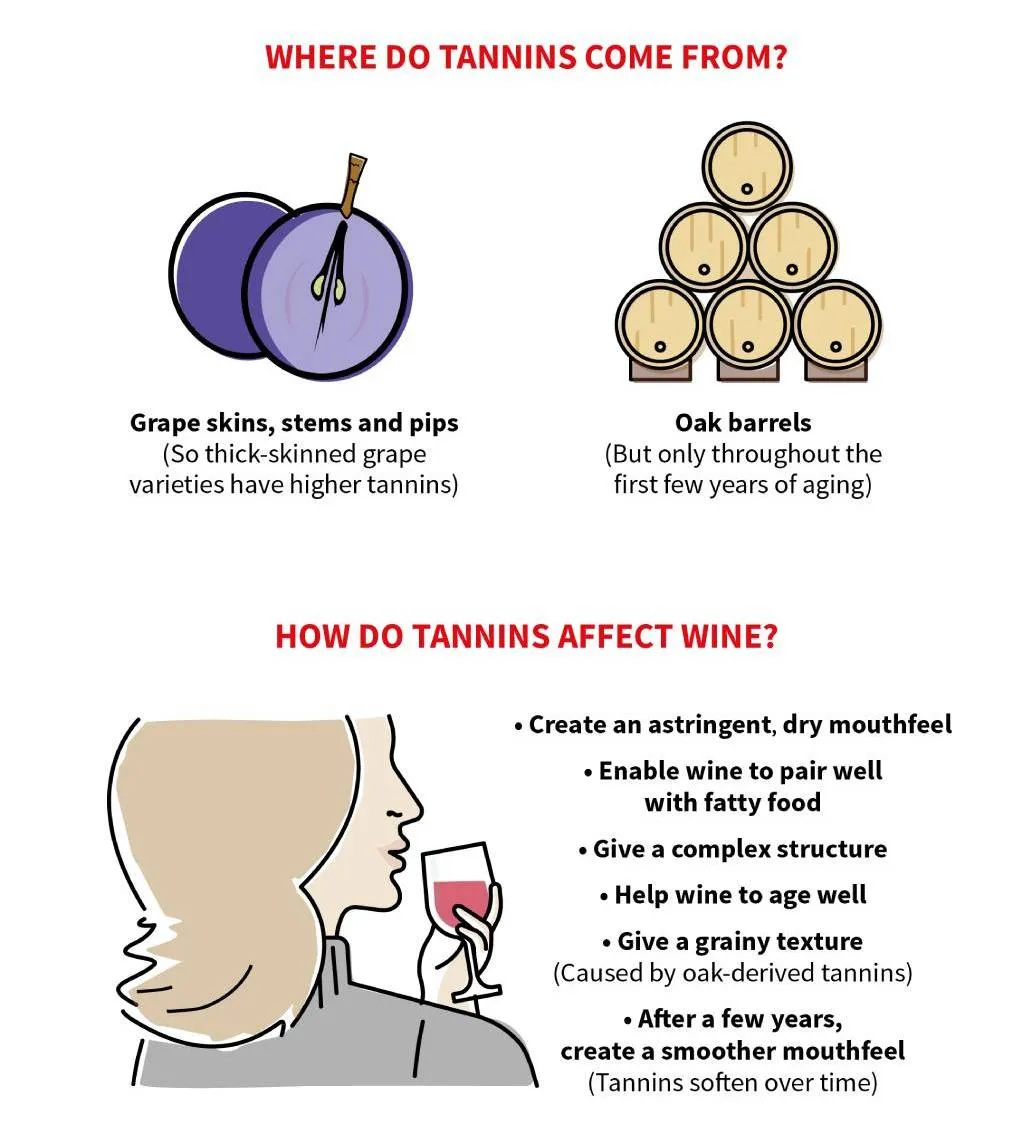
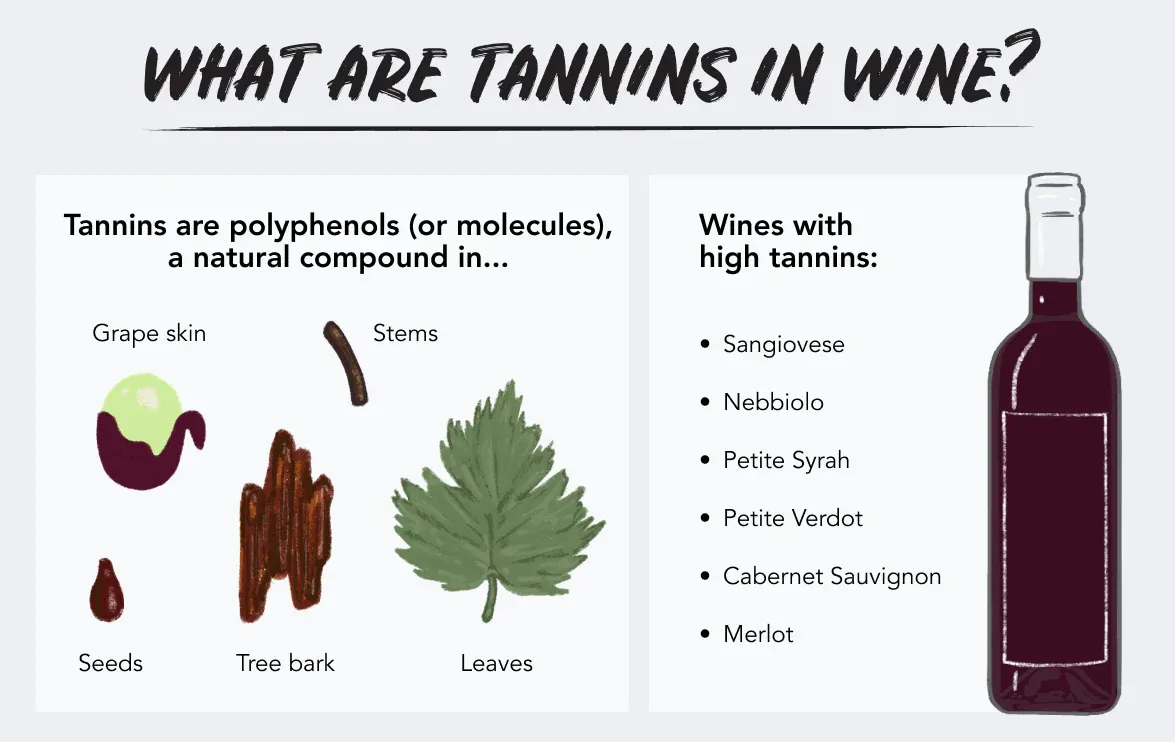
Tannins are polyphenolic compounds found in grape skins, seeds, and stems, as well as in oak barrels used for ageing. In wine, tannins contribute to:
- Structural framework
- Textural sensation
- Astringency
- Ageing potential
- Colour stability
The dry or gripping sensation felt on the gums after tasting a young red wine is the physical interaction between tannins and proteins in saliva.
Why Bordeaux Wines Are Naturally Tannic
Bordeaux relies on grape varieties that are naturally rich in tannins:
- Cabernet Sauvignon
- Merlot
- Cabernet Franc
- Petit Verdot
- Malbec
These varieties, combined with Bordeaux’s maritime climate and long tradition of extended ageing, result in wines with strong structural identity.
Types of Tannins Found in Bordeaux Wines
Skin Tannins
Skin tannins are the most desirable and contribute directly to velvety texture. They are softer, rounder, and more refined.
Seed Tannins
Seed tannins are firmer and more bitter. Careful extraction during fermentation is essential to avoid harshness.
Stem Tannins
Stem tannins add structure and herbal character. Some Bordeaux producers use partial whole-bunch fermentation, particularly with Cabernet Franc.
Oak Tannins
French oak barrels introduce additional tannins along with aromas of spice, toast, and vanilla. New oak contributes more tannin than neutral barrels.
How Tannins Shape Wine Texture
When travellers describe a wine as smooth, plush, velvety, soft, or polished, they are describing tannin quality rather than flavour.
Velvety Tannins
Velvety tannins feel dense yet gentle. They coat the palate evenly without aggressive grip, a hallmark of mature Merlot and well-aged Cabernet blends.
Firm and Chalky Tannins
Firm tannins are common in young Left Bank Bordeaux. Chalky tannins, often linked to limestone soils, create a fine, mineral texture rather than dryness.
Why Some Bordeaux Wines Taste Velvety
Bordeaux’s textural differences are closely tied to geography. Wines from the Right Bank tend to feel softer and rounder, while Left Bank wines emphasise structure and linearity. This contrast is explored further in our detailed comparison of Left Bank vs Right Bank Bordeaux wines, where grape varieties and soils explain these stylistic differences.
Merlot and Clay-Limestone Soils
Merlot produces naturally softer tannins, particularly when grown on clay and limestone soils in Saint-Émilion and Pomerol.
Ripeness and Vintage Conditions
Riper tannins feel smoother. Cooler or under-ripe conditions produce firmer, more angular textures.
Winemaking and Ageing Choices
Cold soaks, gentle pump-overs, controlled fermentation temperatures, oak ageing, and bottle maturation all influence tannin integration.
The Role of Grape Varieties in Bordeaux Tannin Texture
Merlot
Merlot is responsible for Bordeaux’s most velvety wines, producing round, enveloping tannins.
Cabernet Sauvignon
Cabernet Sauvignon delivers structure and ageing capacity. With time, its tannins soften significantly.
Cabernet Franc and Petit Verdot
Cabernet Franc contributes fine, chalky tannins, while Petit Verdot adds density and mid-palate weight in small proportions.
The Chemistry Behind Velvety Tannins
Polymerisation
As wine ages, tannins bind together into longer chains, which feel smoother on the palate.
Acidity, Alcohol, and pH
Balanced acidity and alcohol levels play a key role in how tannins are perceived in Bordeaux wines.
Where Travellers Can Taste the Softest Tannins in Bordeaux
Saint-Émilion, Pomerol, Margaux, Saint-Julien, and Pessac-Léognan offer some of Bordeaux’s most refined tannin expressions.
Learning About Tannins Through Bordeaux Wine Tours
For visitors seeking hands-on understanding, tasting across appellations, grape varieties, and vintages is the most effective way to learn. Bordeaux Wine Tours offers immersive experiences focused on texture, terroir, and ageing.
The Texture That Defines Bordeaux Wine
Tannins form the architectural backbone of Bordeaux wines. They determine how a wine feels, evolves, and ages. Understanding tannins allows travellers to interpret Bordeaux wines with clarity and confidence.
From firm young Médoc wines to velvety Right Bank expressions, Bordeaux offers one of the most diverse tannin landscapes in the wine world.
