How to Start Collecting Bordeaux Wines: From First Purchase to Cellar
Beginning Your Journey into Bordeaux Wine Collecting
Most collectors begin the same way: with a moment. A first taste of a structured Left Bank Cabernet-driven blend, a visit to a hillside estate in Saint-Émilion, or the quiet intensity of a barrel sample in a Médoc chai. Something about Bordeaux encourages you not only to drink wine, but to keep it. Age it. Follow it as it changes.
Collecting Bordeaux wines is not an elitist pursuit. It is an act of curiosity. It is the desire to experience how wine evolves when given time, how tannins soften, how aromas deepen, how texture shifts. It is about building a relationship with bottles that will accompany you through the years.
For travellers visiting Bordeaux for the first time, starting a collection can feel overwhelming. There are countless appellations, estates, vintages, and styles. You may wonder which wines to buy, how long to keep them, whether you need a cellar, or how to store bottles in a modern home.
This guide answers all those questions and more, offering a clear, accessible pathway into the world of Bordeaux wine collecting, from your first purchase to your first proper cellar.
Why Collect Bordeaux Wines?
A Unique Balance of Structure and Elegance
The primary grapes of Bordeaux — Cabernet Sauvignon, Merlot, Cabernet Franc, Petit Verdot, and Malbec — provide the structure and natural acidity needed for long ageing. This is one of the reasons why collectors worldwide seek out age-worthy Bordeaux wines: the balance is inherent in the region’s DNA.
A Region Defined by Diversity
Bordeaux is not a monolith. The differences between Left Bank and Right Bank wines are immense, not only in grape dominance but also in texture, structure, and aromatic profile.
This diversity gives collectors a chance to explore contrasting styles:
- The graphite, cedar, and cassis profile of Pauillac
- The perfumed finesse of Margaux
- The generosity of Merlot in Pomerol
- The limestone-driven elegance of Saint-Émilion
For someone starting a collection, this variation makes Bordeaux far more compelling than regions with a single signature style.
A Strong Culture of Ageing
Unlike many regions where wines are meant to be consumed young, Bordeaux has centuries of tradition behind cellaring. Estates craft wines intended to unfold slowly over time. When you collect Bordeaux, you participate in this cultural heritage.
The Emotional Value of Place
Each bottle carries with it the memory of a landscape: the gravel banks of the Gironde, the rolling hills of the Libournais, the oak forests of the Landes. Collecting becomes a way of preserving your travels through the region.
Choosing Your First Bordeaux Wines
Begin with Wines You Genuinely Enjoy
The most common mistake new collectors make is buying wines because they are famous rather than because they like them. Collecting is a personal journey. The wines you acquire should reflect your taste, not someone else’s.
When tasting in Bordeaux, pay attention to your preferences. Do you find yourself drawn to:
- The firmness and structure of Cabernet Sauvignon blends
- The softness and roundness of Merlot
- The perfume and lift of Cabernet Franc
- The freshness of dry white Bordeaux
Understanding your palate helps you build a collection you will appreciate over the years.
You Do Not Need an Expensive Start
Some of Bordeaux’s most age-worthy wines are not classified growths. You can find outstanding value in appellations such as:
- Fronsac
- Castillon Côtes de Bordeaux
- Haut-Médoc
- Listrac-Médoc
- Canon-Fronsac
- Lalande-de-Pomerol
These wines provide exceptional quality at accessible price points and often age beautifully for a decade or more.
Why Buying in Multiples Matters
To appreciate the ageing process, you should ideally buy at least three bottles of the same wine:
- One to drink young
- One to taste mid-evolution
- One to keep until maturity
If your budget allows, six or twelve bottles is even better. It lets you observe how the wine changes over time — one of the great pleasures of collecting.
Understanding Vintage Variation
Vintages in Bordeaux matter. Climate conditions vary from year to year, affecting the structure and ageing potential of the wines. As a new collector, this is one of the most fascinating aspects of the region.
Some years produce wines that require time to unfold; others yield generous, approachable styles perfect for early drinking. Searching for the best Bordeaux vintages to cellar is a common starting point, but the most valuable insights come from tasting across several years.
How Bordeaux Wines Age
Aromatic Evolution
Young Bordeaux wines lean towards fruit-driven aromas:
- Blackcurrant, blackberry, plum
- Fresh tobacco
- Violet
- Cedar
With age, these primary notes evolve into deeper, more complex aromas:
- Leather
- Dried flowers
- Earth
- Truffle
- Dried fig
- Cedarwood
This transformation is one of the reasons why ageing Bordeaux wines captivates collectors.
Texture
Ageing softens tannins. A young, structured Médoc can develop into a silky, harmonious wine with layers of flavour. Merlot-based wines, which are plush in youth, gain elegance and savoury depth over time.
Colour
Red Bordeaux gradually shifts from deep purple to ruby, then to garnet, and eventually to a brick-tinted edge. These visual clues also help you understand a wine’s stage of evolution.
Drinking Windows
General guidelines:
- Basic Bordeaux: 3–5 years
- Mid-range wines: 5–12 years
- Top Left Bank estates: 10–25 years
- Saint-Émilion and Pomerol: 8–20 years
- Sauternes: 15–50+ years
These are approximate; the best way to learn is by tasting.
How to Store Bordeaux Wine at Home
Temperature
The ideal range is 12–14°C with minimal fluctuation. Heat accelerates ageing; sudden temperature swings can cause permanent damage. Consistency is more important than perfection.
Humidity
Aim for 60–70% humidity to keep corks from drying out. Without moisture, corks shrink, allowing oxygen to enter the bottle.
Light
UV light destroys wine slowly and irreversibly. Bottles should be stored in darkness or dim light, never in direct sunlight.
Position
Store bottles horizontally so that the cork stays in contact with the wine. This prevents the cork from drying and allows long-term ageing.
Vibration
Wine prefers stillness. Keep bottles away from appliances and high-traffic areas that produce micro-vibrations.
Can You Use a Kitchen Fridge?
A standard refrigerator is designed for food, not wine:
- Too cold
- Too dry
- Too much vibration
It is fine for short-term storage of a bottle you plan to drink soon, but entirely unsuitable for ageing.
When a Wine Fridge Is Worth It
If you lack a natural cellar, a wine fridge offers stable conditions ideal for collecting. Most models regulate temperature, humidity, and darkness.
Using a Natural Cellar
If you have a basement with consistent cool temperatures, darkness, and moderate humidity, it may already be suitable for storing wine. Many collectors begin this way.
Building Your First Home Cellar
Start Small
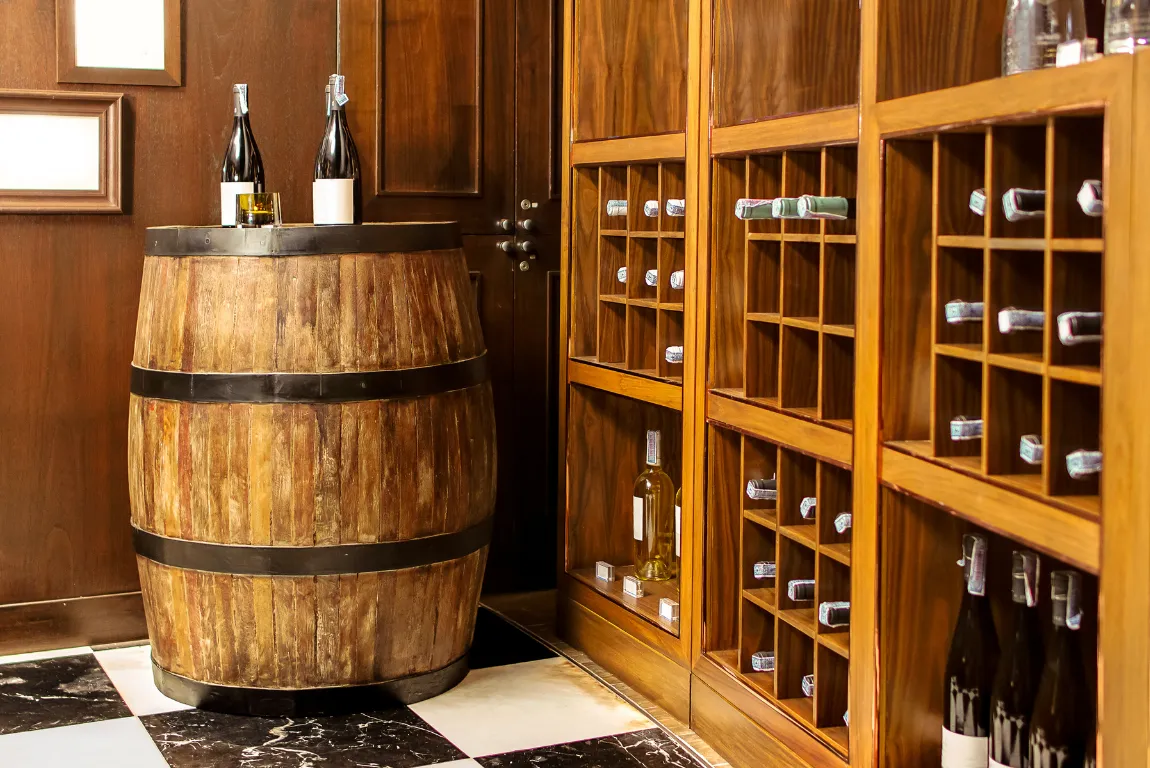
Begin with a modest number of bottles — perhaps thirty to fifty — and expand as you understand your preferences. Your collection should grow organically, not out of obligation.
Organise by Drinking Window
Arrange your cellar so that the wines you intend to drink soon are easily accessible. Place long-term ageing bottles deeper in storage.
Keep Notes
Record:
- Vintage
- Purchase date
- Drinking window
- Tasting impressions
- Storage location
These small habits help you track your wine’s evolution and avoid losing bottles to time.
Balancing the Collection
A well-rounded collection includes:
- Wines that need ageing
- Wines ready to drink
- Wines for special occasions
- Wines for everyday enjoyment
Collectors often forget the importance of balance. A cellar full of wines that require fifteen years to mature may leave you with little to enjoy along the way.
What to Buy When Visiting Bordeaux
Nothing replaces the experience of choosing wines directly at the source. Visiting estates gives you insights into the land, the winemaker’s philosophy, and the unique personality of each vintage. When selecting bottles during your travels, consider:
Wines That Connect to Your Experience
Perhaps it was a conversation with a winemaker, a vineyard walk, or a quiet moment in a tasting room. Emotional connection can be a valid and meaningful reason to purchase a bottle.
Wines with Clear Ageing Potential
Structured Left Bank reds, well-made Saint-Émilion blends, and quality Sauternes are classic choices for long-term cellaring.
Wines to Drink Young
Fresh Bordeaux whites, lighter reds, and certain blends from the Côtes de Bordeaux can provide immediate pleasure.
Buying Directly from Estates
Purchasing at châteaux often gives you access to older vintages, rare cuvées, and insider knowledge.
Common Mistakes to Avoid as a New Collector
Buying Too Much Too Fast
Allow your taste to develop. It is tempting to buy every wine you enjoy, but collections benefit from intention and patience.
Storing Wine Improperly
Even the best bottles fail in the wrong conditions. Proper storage is essential from the start.
Ignoring Early-Drinking Wines
Many beginners only seek age-worthy wines and end up with a cellar they cannot enjoy immediately. Keep a balance.
Buying Solely Based on Reputation
Some of Bordeaux’s most delightful bottles come from humble appellations.
The Joy of Opening a Mature Bordeaux
There is a special satisfaction in opening a bottle you’ve kept for years. The anticipation, the first swirl, the evolution in the glass — it becomes a moment filled with memory and reflection. A mature Bordeaux offers depth and nuance that no young wine can provide.
Collectors often describe that first perfectly aged bottle as the moment they truly understood why they keep wines in the first place.
Deepen Your Journey With a Professional Wine Experience
Travellers who want to understand ageing potential, terroir expression, and the distinctions between appellations often choose guided experiences. Joining Bordeaux wine tasting tours can help you identify which wines to cellar, how vintages differ, and which estates produce bottles that align with your preferences.
For curated, expert-led experiences that take you through characterful vineyards and exceptional tastings, visit:
https://bordeauxwinepilgrim.com/
Learn how to properly store your Bordeaux wines at home and keep your collection in top condition. A Saint-Émilion wine tour also gives hands-on insight into Bordeaux’s vineyards, winemaking, and wine culture. Read more in our guide: How to Store Bordeaux Wine at Home.
Final Thoughts for Aspiring Collectors
Beginning a Bordeaux wine collection is less about building an impressive display and more about cultivating a relationship with the wines you love. As you taste, store, and revisit bottles, you learn to appreciate the passage of time in a new way.
If you want guidance while exploring the region, Wine Tours Bordeaux region are available at:
https://bordeauxwinepilgrim.com/collections/wine-tours
can deepen your understanding of the region and help you choose bottles that will age gracefully in your cellar.
Collecting wine is collecting moments, places, and memories. Each bottle becomes a chapter in your own story, waiting to be opened when the time is right.
