How to Tell If a Bordeaux Wine Is Ready to Drink
Few wine regions create as much uncertainty at the moment of opening as Bordeaux. Bottles are bought with good intentions, stored carefully, and then left untouched for years because of one lingering question: Is it ready yet?
This hesitation is understandable. Bordeaux is associated with structure, ageing, and patience. But the idea that Bordeaux wines exist in a permanent state of “not yet” is misleading. Many are ready far earlier than expected. Others require time but give subtle signals along the way.
Knowing whether a Bordeaux wine is ready to drink is not about rules or dates. It is about learning to read structure, balance, and intent. Once you understand what the wine is built to do, the uncertainty disappears.
Why Bordeaux Can Be So Difficult to Judge
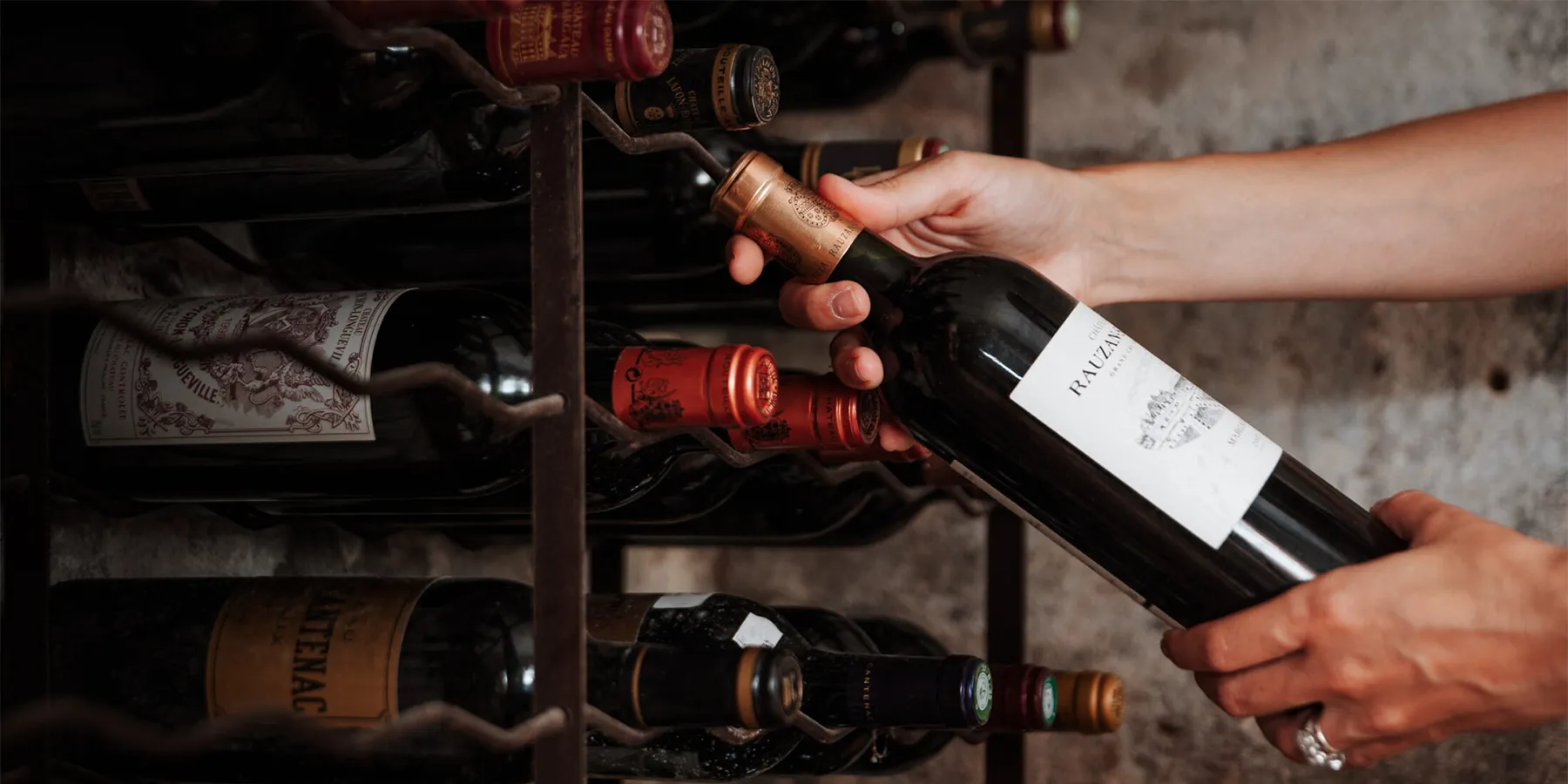
Bordeaux is a blended region. Wines are constructed from multiple grape varieties, often across different parcels, with ageing in mind. This gives them flexibility but also complexity.
A young Bordeaux may taste tight, angular, or even muted not because it is flawed, but because its components have not yet aligned. Tannins, acidity, oak, and fruit need time to integrate. The challenge is knowing whether that integration has already happened — or whether it still lies ahead.
Unlike regions that emphasise immediate aromatic expression, Bordeaux often prioritises structure first, pleasure second.
Start With the Region, Not the Label
The most reliable clue to readiness is regional identity. Different Bordeaux regions are built with different ageing trajectories in mind.
Wines from Médoc appellations tend to be Cabernet Sauvignon-driven, tannic, and slow to soften. These wines often require patience, particularly in their first decade.
By contrast, many Right Bank wines — especially from Saint-Émilion or satellite appellations — are Merlot-dominant and often approachable earlier, even when capable of ageing further.
Understanding where a wine comes from immediately narrows the question. Different Bordeaux regions mature at different speeds, which is why knowing which Bordeaux regions are best for drinking young vs ageing long-term can make it much easier to judge when a bottle is ready.
Tannins: The Most Honest Signal
Tannins are the backbone of Bordeaux ageing. When tannins dominate the palate — drying, firm, or gritty — the wine is usually not ready. When they feel smooth, resolved, or supportive rather than aggressive, the wine is entering its drinking window.
Importantly, tannin presence is not the same as tannin harshness. A wine can be structured and still ready if the tannins feel fine-grained and integrated.
If tannins overshadow fruit and acidity rather than framing them, time is still needed.
Acidity and Balance Matter More Than Fruit
Many people judge readiness by fruit expression alone. This is misleading in Bordeaux.
A Bordeaux wine may show plenty of fruit and still not be ready if acidity and tannins have not aligned. Conversely, a wine with modest fruit can be beautifully ready if its structure has harmonised.
When a Bordeaux wine feels balanced rather than loud, when nothing dominates, and the wine flows naturally across the palate, it is often ready — even if it still has years ahead of it.
Oak Integration as a Readiness Indicator
Oak is used extensively in Bordeaux, but its role changes with time.
If oak flavours feel prominent — vanilla, toast, spice standing apart from the wine — the bottle is usually still in its youth. When the oak has receded into texture and structure, readiness is approaching.
This does not mean oak disappears completely. It means it stops announcing itself.
Many wine drinkers first recognise readiness when oak no longer draws attention.
Age Is a Guide, Not a Rule
Bottle age matters, but it must be interpreted through style.
As a rough guide:
- Many approachable Bordeaux wines begin drinking well after 3–5 years
- Structured Left Bank wines often need 8–12 years
- Top examples can evolve for 20–40 years
However, modern Bordeaux — influenced by warmer vintages and refined winemaking — often opens earlier than wines from previous generations.
This is why relying solely on vintage charts or fixed timelines often leads to missed opportunities.
Visual Clues in the Glass
Visual inspection can offer subtle hints. As Bordeaux ages, colour begins to soften. Deep purple gives way to ruby, then garnet at the rim.
This shift does not automatically mean readiness, but it suggests evolution has begun. A wine that still looks opaque and youthful is more likely to be tight. A wine showing transparency at the edge is often entering a more expressive phase.
These clues should support, not replace, tasting judgement.
Aroma Development: From Primary to Secondary
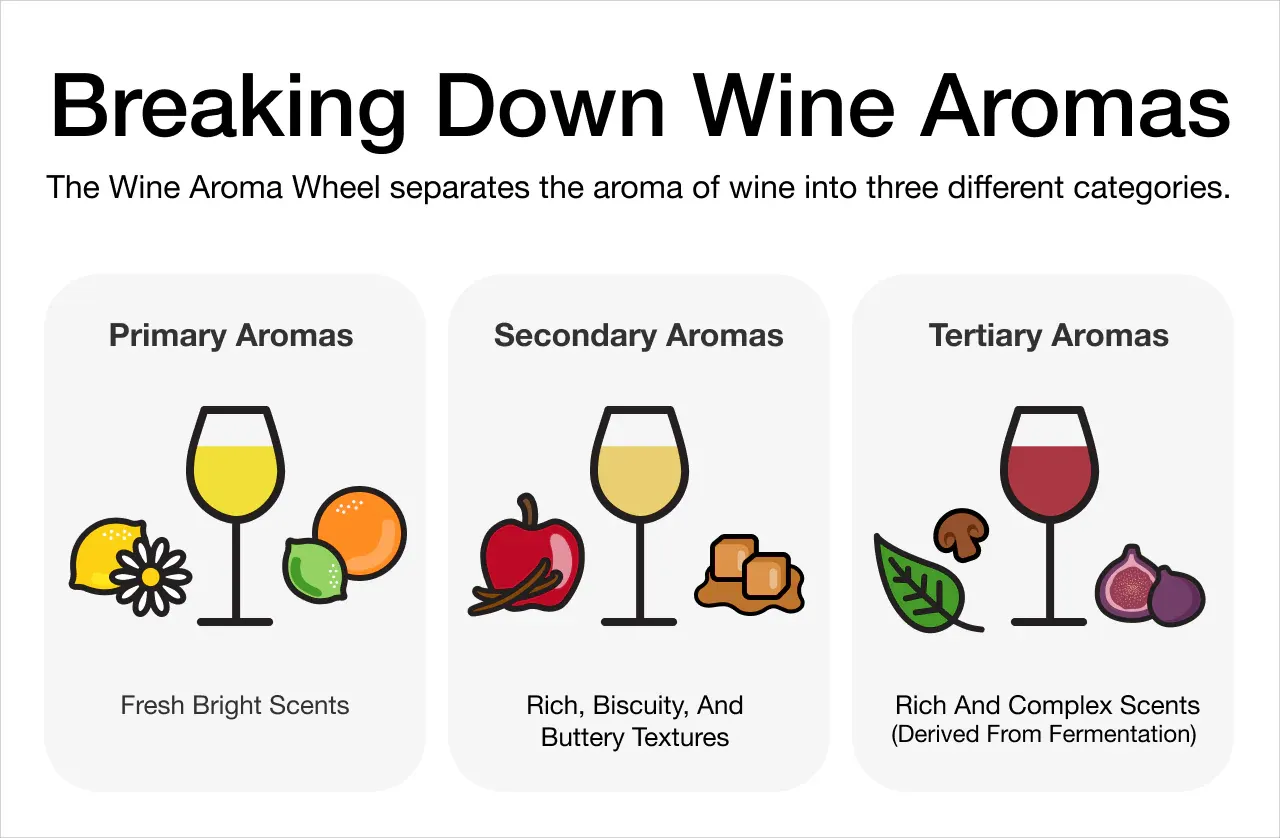
Young Bordeaux wines often smell of fresh fruit and oak. As they mature, aromas become more complex: leather, tobacco, earth, cedar, dried herbs.
When these secondary and tertiary aromas begin to appear alongside fruit rather than replacing it, the wine is often ready.
If aromas feel muted or dominated by oak, patience is still required.
The Decanting Test
Decanting can be revealing. A wine that improves steadily over an hour is often approaching readiness. A wine that falls apart quickly after decanting may be past its peak.
If a Bordeaux wine opens up slowly in the glass and holds its shape over time, it is usually in a good place to drink.
This is one reason why tasting conditions matter so much when assessing readiness.
Context Matters: Producer Intent
Not all Bordeaux wines are built to age for decades. Many producers now craft wines for earlier enjoyment while maintaining balance.
Understanding a producer’s philosophy can be as important as understanding the region. Wines made for immediacy will feel open earlier; wines made for longevity will resist.
This nuance becomes clear when tasting across estates during Bordeaux Wine Tours, where intent is discussed alongside technique.
When a Bordeaux Wine Is Ready — But Still Improving
One of the most important ideas to grasp is that ready does not mean finished.
A Bordeaux wine can be ready to drink and still capable of improvement. The drinking window is a range, not a moment. Many wines offer pleasure for ten or more years once they enter that window.
The goal is not to catch a wine at its absolute peak, but to open it when it brings satisfaction rather than struggle.
Trusting Your Own Preference
Some drinkers prefer youthful tension. Others prefer mature softness. Bordeaux accommodates both.
If you enjoy firmness and energy, you may prefer wines earlier. If you enjoy savoury complexity, you may prefer to wait longer. Neither choice is incorrect.
Learning to recognise readiness empowers you to drink Bordeaux on your terms, not according to convention.
Turning Knowledge Into Confidence
The more Bordeaux you taste, the easier this judgment becomes. Patterns emerge. Regions speak consistently. Structure reveals intent.
For those wanting to accelerate that learning curve — tasting wines at different stages, discussing evolution, and seeing how age shapes style — Wine Tours Bordeaux region offer insight that no cellar note can replace.
Final Reflection: Read the Wine, Not the Calendar
Bordeaux does not ask for blind patience. It asks for attention.
A wine is ready to drink when its elements align — when structure supports pleasure rather than postpones it. Learn to read tannins, balance, and integration, and Bordeaux stops being intimidating.
At that point, opening a bottle becomes a decision made with confidence rather than doubt — and that is when Bordeaux becomes truly enjoyable.
