Inside a Bordeaux Château: How Wine Estates Work
Across the Bordeaux wine region, the word château appears on thousands of wine labels. For many visitors, the term evokes images of grand stone buildings surrounded by vineyards stretching across the countryside.
Yet in Bordeaux, the meaning of a château goes far beyond architecture.
A château represents an entire wine estate — including vineyards, cellars, and winemaking facilities — where grapes are grown, harvested, and transformed into wine. Each château functions as its own agricultural ecosystem, where the land, the climate, and the expertise of the winemaking team combine to shape the character of the final wine.
Understanding how a Bordeaux château operates offers a deeper perspective on the wines produced throughout the region.
Visitors often gain their first insight into this world while exploring historic estates and vineyards during a Saint Emilion Wine Tour, where winemakers open their cellars and explain the journey from grape to bottle.
Behind every bottle of Bordeaux wine lies a carefully organised process that begins in the vineyard and continues through fermentation, ageing, and blending.
What the Word “Château” Means in Bordeaux
In everyday French, the word château can simply mean a castle or large country house.
In Bordeaux winemaking, however, the term carries a more specific meaning. A Bordeaux château refers to a wine estate that grows its own grapes and produces wine directly on the property.
This concept of estate production distinguishes Bordeaux from many wine regions where grapes may be purchased from independent growers.
At a château, the vineyards, winery, and often the residence are all part of the same property.
Each estate therefore produces wines that reflect the specific character of its own vineyards and soils.
For readers interested in understanding why this system is so important in Bordeaux, the subject is explored in What Makes a Château Wine in Bordeaux Different from Other Regions, which explains how estate bottling shapes the identity of Bordeaux wines.
The Vineyards: Where Every Wine Begins
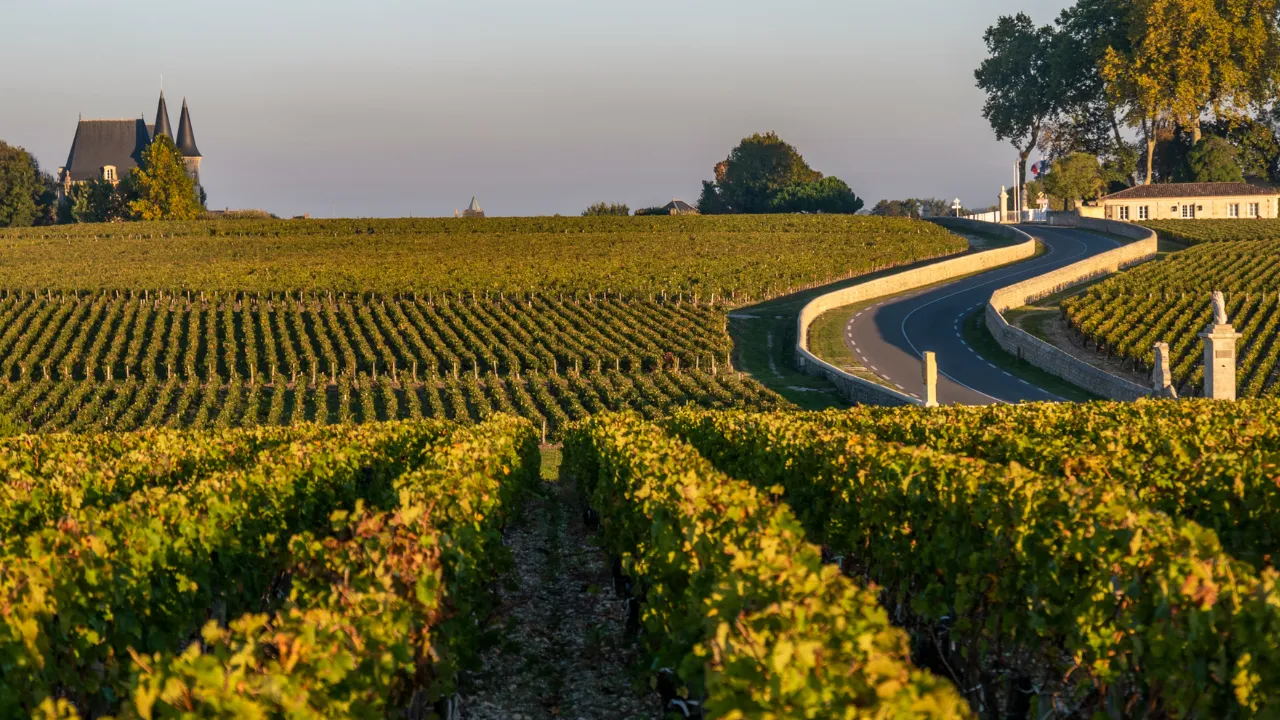
The vineyards are the true foundation of every Bordeaux château.
The quality and character of the wine begin with the land itself. Soil composition, vine age, grape varieties, and sunlight exposure all influence the grapes that eventually become wine.
Across Bordeaux, vineyards are planted with traditional grape varieties such as Cabernet Sauvignon, Merlot, Cabernet Franc, Petit Verdot, and Malbec.
On the Right Bank — including areas such as Saint-Émilion — Merlot often dominates vineyard plantings. On the Left Bank, Cabernet Sauvignon usually plays the leading role.
Throughout the year, vineyard teams manage the vines carefully.
Winter pruning controls vine growth, spring brings budburst and flowering, and summer vineyard work ensures grapes receive adequate sunlight and airflow.
These decisions influence the health of the vines and the quality of the grapes that will be harvested in autumn.
Harvest at the Château
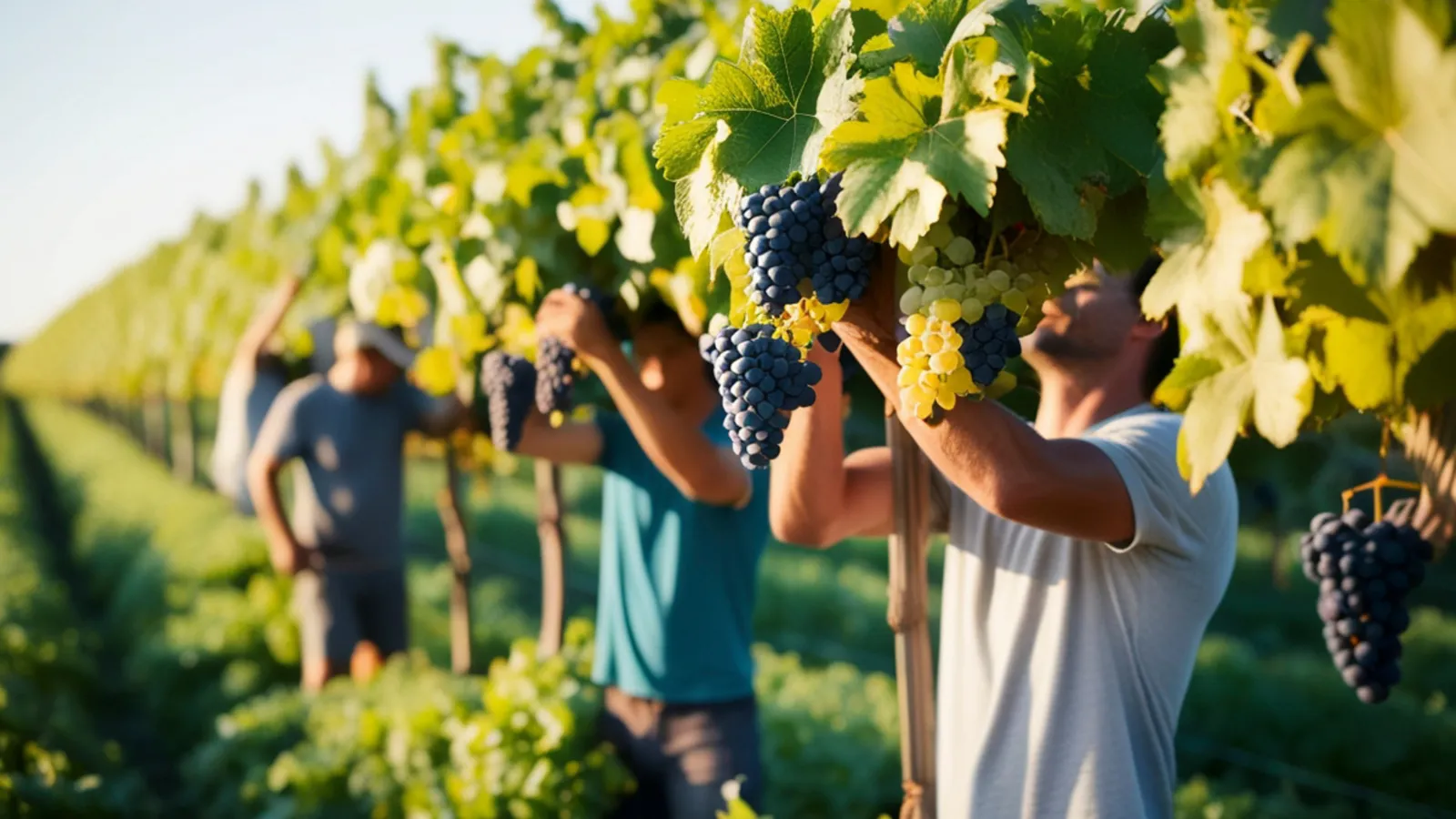
Harvest represents the most critical moment of the year for a Bordeaux château.
Once grapes reach the correct balance of sugar, acidity, and tannin maturity, vineyard teams begin harvesting.
In many estates — particularly in prestigious appellations — grapes are still harvested by hand.
Workers move through the vineyard rows using pruning shears to cut grape clusters from the vines and place them into baskets or crates.
This careful process allows harvesters to select only the healthiest fruit.
The atmosphere in the vineyard during harvest is intense but focused.
Tractors carry grapes quickly from vineyard parcels to the winery, where the next stage of winemaking begins.
Visitors exploring the vineyards during this time sometimes witness the harvest firsthand while travelling through the region during a Saint Emilion Wine Tour, when the vineyards come alive with activity.
Sorting and Preparing the Grapes
When grapes arrive at the château winery, they pass through an important stage known as sorting.
Sorting ensures that only healthy fruit enters the fermentation tanks.
At many estates, grapes move across sorting tables where workers remove leaves, stems, and damaged berries.
Some wineries also use optical sorting technology to analyse individual grapes and remove imperfect fruit automatically.
After sorting, the grapes are typically destemmed, separating the berries from their stems.
The grapes are then gently crushed so that the juice can begin fermentation.
Fermentation in the Winery
Fermentation is the stage where grape juice becomes wine.
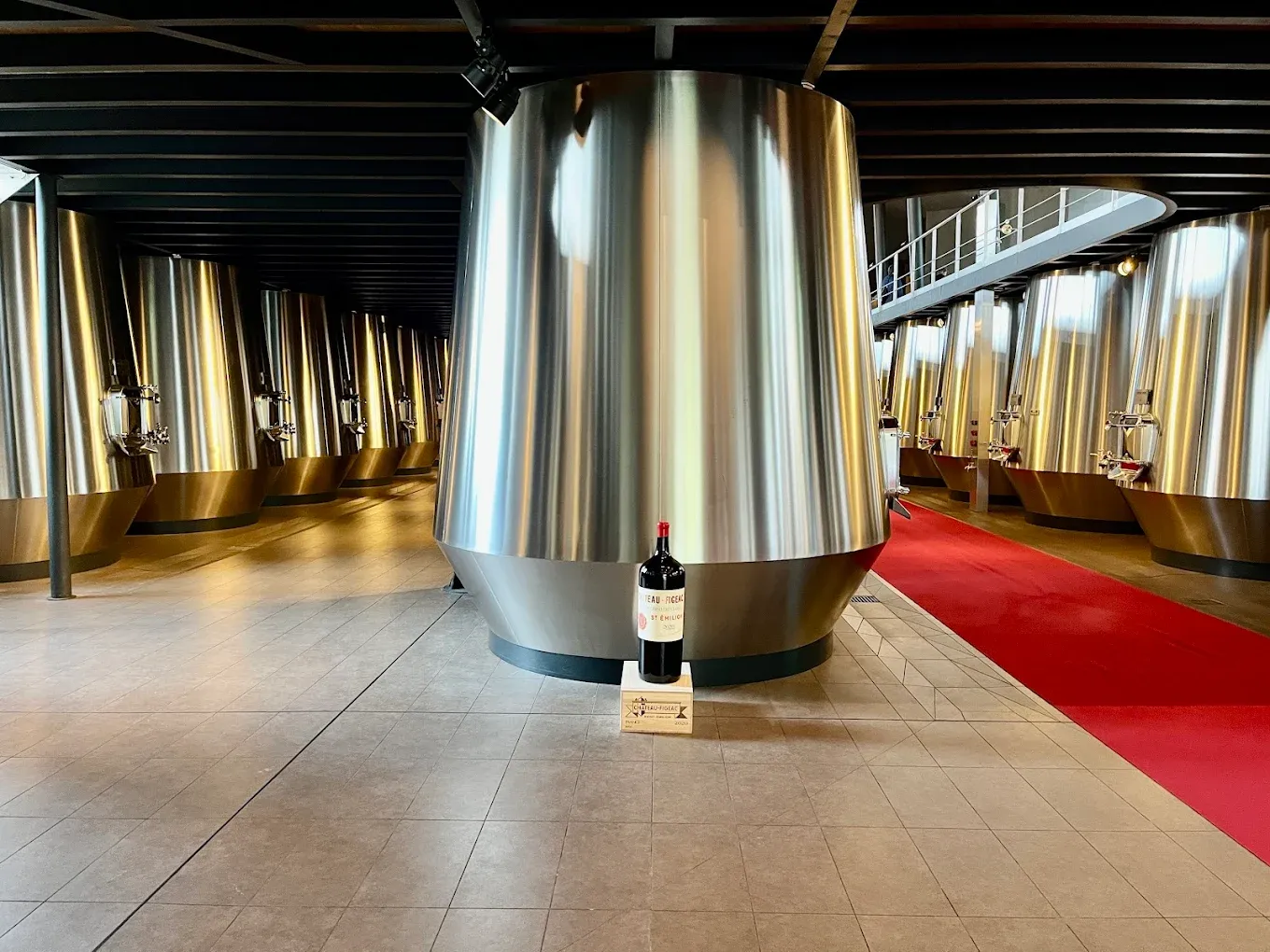
Inside the winery, grapes are transferred into fermentation tanks made from stainless steel, concrete, or occasionally wood.
During fermentation, yeasts convert the natural sugars in the grape juice into alcohol.
For red wines, the grape skins remain in contact with the juice during fermentation. This contact extracts colour, tannins, and flavour compounds from the skins.
Winemakers manage this extraction carefully through techniques such as pump-overs and punch-downs, which mix the fermenting juice with the skins.
Fermentation usually lasts several weeks.
Once it is complete, the young wine is separated from the skins and prepared for ageing.
Ageing the Wine in the Cellar
After fermentation, Bordeaux wines often spend months ageing in oak barrels.
Many estates use French oak barrels for this stage of the process. Oak barrels allow small amounts of oxygen to interact with the wine while contributing subtle flavours such as vanilla, spice, and toast.
Ageing typically lasts between twelve and eighteen months.
During this time, winemakers regularly taste the barrels and monitor how the wine develops.
The ageing process helps soften tannins and allows the wine to gain complexity.
Barrel cellars are therefore among the most atmospheric spaces inside a Bordeaux château.
Blending the Final Wine
Blending is one of the defining traditions of Bordeaux winemaking.
Rather than producing wines from a single grape variety, most Bordeaux wines combine several varieties to achieve balance.
Merlot may provide richness and softness, while Cabernet Franc adds aromatic lift and Cabernet Sauvignon contributes structure.
Winemakers taste wines from different vineyard parcels and grape varieties before deciding how to assemble the final blend.
This process requires both experience and intuition.
The goal is to create a wine that reflects the character of the estate while maintaining harmony between fruit, tannin, and acidity.
Famous Bordeaux Châteaux
Some châteaux have become icons of the Bordeaux wine world.
One of the most celebrated estates is Château Margaux, a First Growth property located in the Médoc.
The estate is renowned not only for its wines but also for its elegant neoclassical architecture, which has become one of the most recognisable images of Bordeaux wine.
Although many châteaux are far smaller and less famous, they all operate according to the same principles of vineyard management, careful harvesting, and patient winemaking.
Visiting a Bordeaux Château
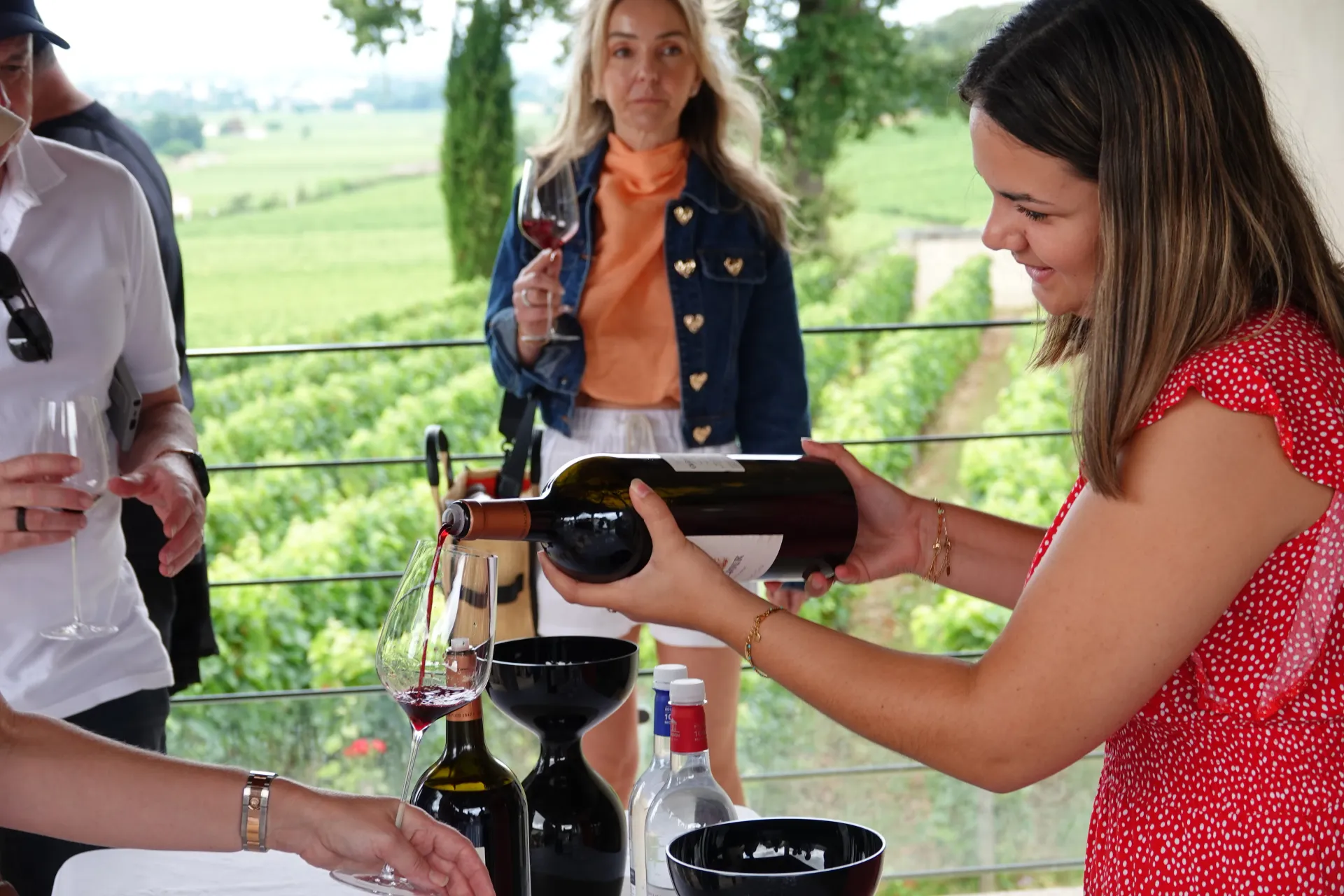
For travellers, visiting a château offers a rare opportunity to see the entire winemaking process firsthand.
Guests can walk through the vineyards, explore fermentation rooms, and descend into barrel cellars where wines mature slowly.
These visits reveal how each stage of production contributes to the final wine.
Many visitors experience this side of Bordeaux while travelling through vineyard landscapes during a Saint Emilion Wine Tour, where historic estates share their knowledge and traditions with guests.
The Château as the Heart of Bordeaux Wine
A Bordeaux château represents far more than a building.
It is a complete wine estate where agriculture, craftsmanship, and tradition come together to produce wine.
From the vineyard work of winter to the harvest of autumn and the quiet ageing of wine in cellar barrels, every stage of the process reflects the unique identity of the estate.
Each château therefore tells its own story — a story shaped by soil, climate, and the people who care for the vines.
For anyone exploring the Bordeaux wine region, understanding how these estates function provides a deeper appreciation for the wines that emerge from their cellars.
