Margaux: Bordeaux’s Most Elegant Wine Region
Among the many appellations that shape the Bordeaux wine region, Margaux has long held a reputation unlike any other. While some Bordeaux wines are known for their power and structure, Margaux has become synonymous with elegance.
For centuries, wine lovers have described Margaux wines as perfumed, graceful, and refined. These wines rarely rely on sheer intensity to make their impression. Instead, they reveal themselves gradually, offering layers of aroma, delicate texture, and remarkable balance.
This distinctive character begins with geography. Margaux sits on the Left Bank of the Gironde estuary in the Médoc peninsula, where vineyards stretch across gravel ridges that have shaped the wines of the region for centuries.
Understanding Margaux also reveals something essential about Bordeaux itself. The region is famously divided between the Left Bank and the Right Bank, each producing wines shaped by different soils and grape varieties. The differences are explored in detail in Left Bank vs Right Bank Bordeaux wines: what it means for taste, style and ageing, which explains how gravel soils on the Left Bank favour Cabernet Sauvignon while limestone and clay on the Right Bank favour Merlot.
Many travellers discover this contrast firsthand while exploring the vineyards during a Saint Emilion Wine Tour, where the limestone plateau of Saint-Émilion reveals a completely different expression of Bordeaux wine.
Margaux therefore represents one side of Bordeaux’s identity — the elegant Cabernet-driven counterpart to the Merlot-dominated wines of the Right Bank.
Where Margaux Is Located in Bordeaux
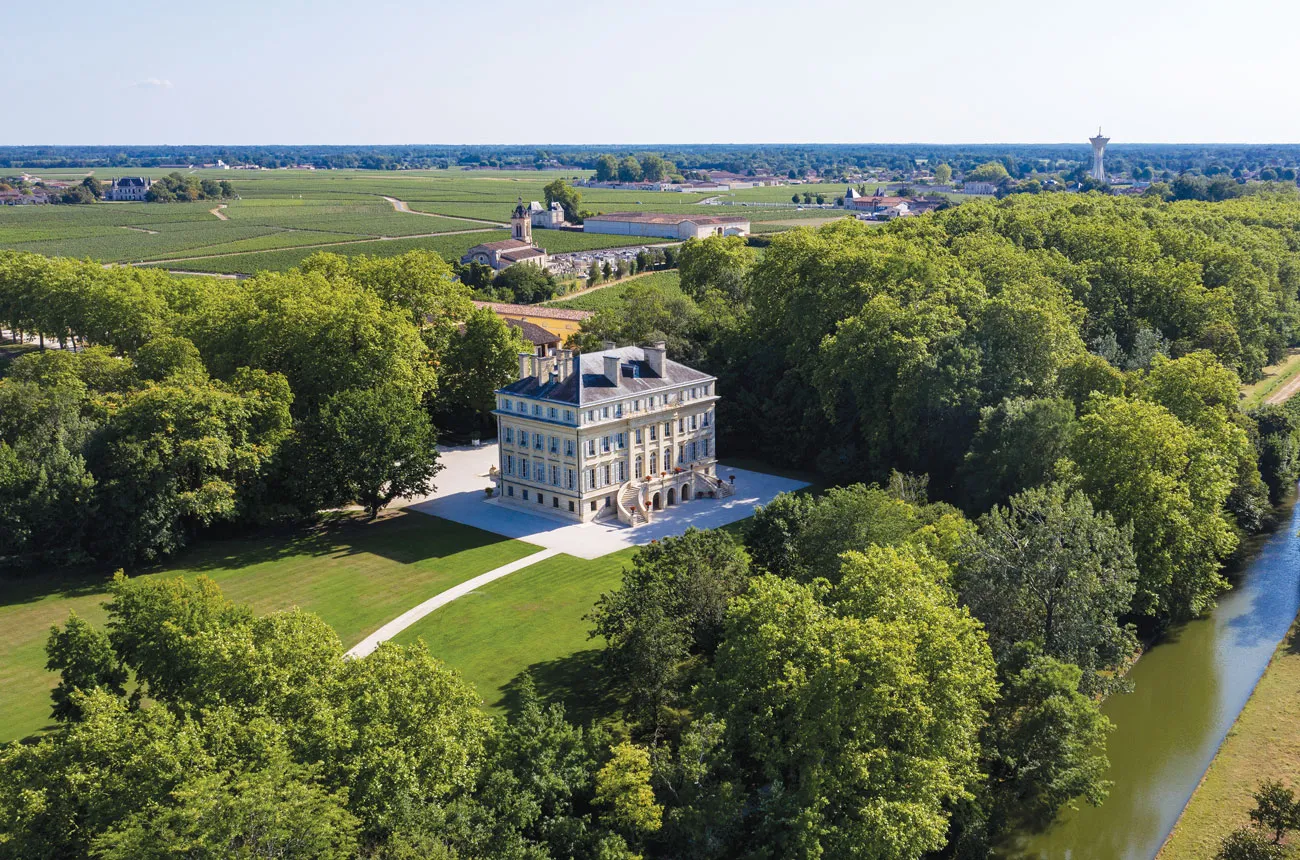
Margaux lies roughly thirty kilometres north of the city of Bordeaux along the western bank of the Gironde estuary.
The appellation includes several communes, notably Margaux-Cantenac, Cantenac, Arsac, Soussans, and Labarde. Together, these areas form one of the most historically important wine zones within the Médoc.
The vineyards benefit from two important climatic influences.
To the west lies the Atlantic Ocean, which brings cooling breezes that moderate summer heat. To the east lies the Gironde estuary, whose vast water mass protects vineyards from severe winter frost and stabilises temperatures during the growing season.
These influences create a temperate environment where grapes ripen gradually and evenly.
Yet climate alone does not explain the distinctive character of Margaux wines.
The real secret lies beneath the surface.
Gravel Soils and the Identity of Margaux
Margaux’s vineyards are planted on deep gravel soils deposited thousands of years ago by ancient rivers that once flowed across the Médoc peninsula.
These gravels range from small pebbles to larger stones mixed with sand and occasional clay layers. Their influence on vine growth is profound.
Gravel drains water efficiently, forcing vines to develop deep root systems in search of moisture. This naturally limits vine vigour and encourages grapes to develop concentrated flavours.
The stones also absorb heat during the day and release it slowly at night, helping grapes ripen evenly during the growing season.
These conditions favour one grape above all others: Cabernet Sauvignon.
Cabernet Sauvignon thrives in well-drained soils where its roots can grow deep and its grapes can ripen slowly. In Margaux, this grape produces wines known for their aromatic finesse and refined tannins.
Supporting Cabernet Sauvignon are smaller proportions of Merlot, Cabernet Franc, and Petit Verdot, which together form the classic Bordeaux blend.
The Signature Style of Margaux Wines
Margaux wines are often described using terms rarely applied to other Bordeaux appellations.
Words such as perfume, silk, and finesse frequently appear in tasting descriptions.
In youth, Margaux wines often display aromas of violet, rose petals, and fresh red fruit alongside darker notes of blackberry and cassis. These floral elements give the wines their distinctive elegance.
On the palate, Margaux wines typically show fine, polished tannins rather than the more powerful structure found in neighbouring appellations such as Pauillac or Saint-Estèphe.
Yet beneath this elegance lies considerable depth.
Margaux wines possess excellent ageing potential. Over time they develop complex aromas of cedar, tobacco, truffle, and dried flowers while maintaining their balance.
Historic Châteaux of the Margaux Appellation
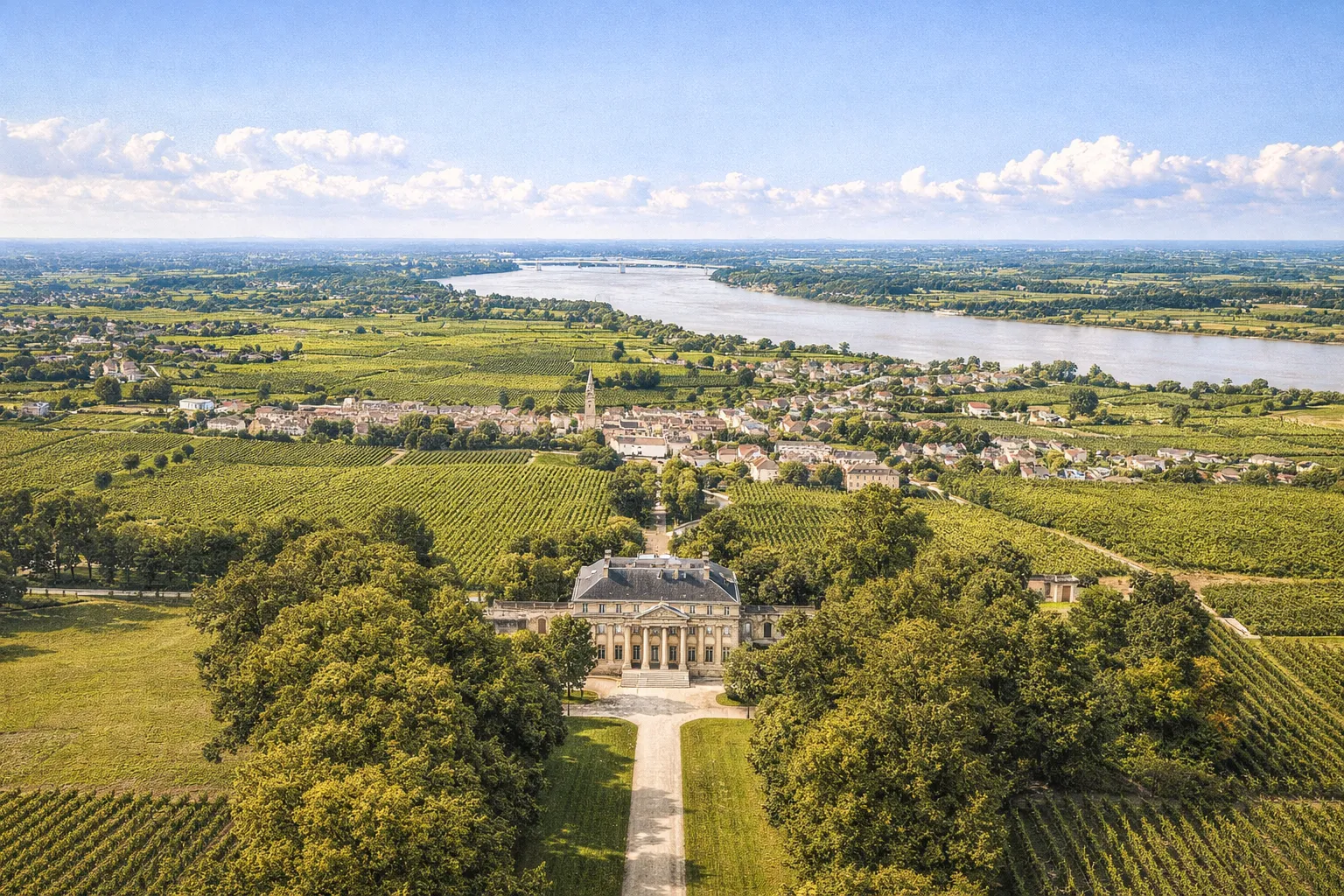
Margaux is home to some of the most historic estates in Bordeaux.
Among them stands Château Margaux, one of the five legendary First Growth estates recognised in the 1855 classification.
The estate has become the symbolic heart of the appellation, producing wines that perfectly express Margaux’s elegance and aromatic complexity.
The château itself, with its neoclassical architecture and tree-lined approach, is one of the most recognisable estates in Bordeaux.
Alongside Château Margaux, the appellation includes several other notable estates such as Château Palmer, Château Rauzan-Ségla, and Château Brane-Cantenac.
These estates collectively shape the identity of the region and contribute to its enduring reputation.
Margaux and the 1855 Classification
The famous 1855 classification remains one of the most influential rankings in the wine world.
Created for the Paris Exposition during the reign of Napoleon III, the classification organised leading Médoc estates into five growth levels based on reputation and market price.
Margaux performed exceptionally well in this ranking.
The appellation received more classified estates than any other Médoc region, reflecting its long-standing reputation for producing refined wines.
From the First Growth Château Margaux to the Fifth Growth estates scattered throughout the region, the classification still shapes how Bordeaux wines are perceived and traded today.
Diversity Within the Appellation
Despite its unified reputation for elegance, Margaux contains considerable diversity.
Soil composition varies across the appellation, creating subtle differences between vineyards. Some parcels sit on deep gravel ridges ideal for Cabernet Sauvignon, while others include more clay that encourages Merlot.
Even small differences in slope orientation or proximity to the Gironde estuary can influence wine style.
These variations allow estates to produce wines with distinct personalities.
Some emphasise delicate floral aromas and bright red fruit, while others display darker fruit and greater concentration.
Yet most share the same underlying refinement that defines Margaux.
Ageing Potential of Margaux Wines
One of the most remarkable characteristics of Margaux wines is their ability to evolve with time.
Young wines often display vibrant fruit and floral aromas. With ageing these primary characteristics gradually transform.
After a decade or more in bottle, notes of cedar, tobacco, leather, and forest floor emerge as the wine develops complexity.
The fine tannins typical of Margaux soften gradually, revealing deeper layers of flavour.
Because of this ageing potential, many collectors regard Margaux wines as some of the most rewarding Bordeaux bottles to cellar.
Visiting the Vineyards of Margaux
Margaux offers one of the most picturesque landscapes in Bordeaux.
Vineyards stretch across gentle gravel slopes dotted with historic châteaux, many surrounded by tree-lined avenues and elegant architecture that reflects centuries of winemaking tradition.
Exploring these vineyards helps visitors understand how soil, climate, and grape varieties shape the wines of the region.
Many travellers combine visits to the Médoc with experiences on the Right Bank in order to understand Bordeaux more fully. Seeing the contrast between Cabernet-driven Left Bank wines and Merlot-dominated Right Bank wines often deepens appreciation for the diversity of the region.
Experiencing the limestone vineyards of Saint-Émilion during a Saint Emilion Wine Tour provides one of the clearest examples of how different soils create entirely different styles of Bordeaux wine.
Why Margaux Defines Elegance in Bordeaux
In wine, elegance rarely comes from a single element.
Instead, it emerges from harmony — the balance between aroma, structure, and texture.
Margaux wines embody this balance.
Their floral perfume, refined tannins, and ability to age gracefully continue to captivate wine lovers around the world.
While other Bordeaux appellations may be known for power or intensity, Margaux demonstrates that greatness can also come from subtlety.
And on the gravel terraces beside the Gironde estuary, where Cabernet Sauvignon ripens slowly beneath Atlantic skies, Margaux continues to define what elegance means in the world of Bordeaux wine.
For travellers who wish to experience the diversity of Bordeaux firsthand, exploring both the Left Bank and the Right Bank offers the most complete perspective. Many begin that journey during a Saint Emilion Wine Tour, where vineyards, history, and terroir come together to reveal the deeper story behind every bottle of Bordeaux wine.
The Villages That Form the Margaux Appellation
Although the name Margaux is often used to describe the entire appellation, the region itself is composed of several villages that together shape its identity.
The appellation includes the communes of Margaux-Cantenac, Cantenac, Arsac, Soussans, and Labarde. Each contributes vineyards with slightly different soil structures and exposures, creating subtle variations in the wines produced throughout the area.
Margaux-Cantenac sits at the historical heart of the appellation. Many of the most famous estates are located here, planted on gravel ridges that slope gently toward the Gironde estuary.
Further inland, areas such as Arsac and Soussans contain more varied soils, sometimes incorporating clay beneath the gravel layers. These variations can influence how grape varieties perform and often result in wines with slightly different fruit profiles.
Despite these differences, the wines across the Margaux appellation share a common characteristic: balance. Whether lighter or richer in style, they tend to display refined tannins and aromatic complexity rather than overwhelming power.
Cabernet Sauvignon and the Architecture of Margaux Wines
Cabernet Sauvignon remains the dominant grape variety in Margaux vineyards, and its presence shapes the structure of the region’s wines.
In gravel soils, Cabernet Sauvignon develops deep roots and ripens slowly. This gradual ripening process allows the grape to build aromatic complexity while maintaining acidity and structure.
The result is a wine with remarkable balance between fruit intensity and tannin structure.
However, Margaux wines rarely rely on Cabernet Sauvignon alone. The traditional Bordeaux blend incorporates other grape varieties that contribute additional dimensions to the wine.
Merlot often adds softness and round fruit flavours, particularly in cooler vintages. Cabernet Franc contributes aromatic lift and subtle herbal notes, while Petit Verdot introduces colour and spice in small quantities.
The careful blending of these varieties allows winemakers to craft wines that reflect both the character of the vineyard and the style of the estate.
Micro-Terroirs Across the Appellation
Although Margaux shares a common reputation for elegance, the appellation contains numerous micro-terroirs.
The depth and composition of gravel vary from vineyard to vineyard. Some parcels sit on deep gravel ridges ideal for Cabernet Sauvignon, while others contain sandier soils or clay layers that favour Merlot.
These differences influence vine growth, water retention, and grape ripening.
For winemakers, understanding these variations is crucial. Many estates harvest grapes from different parcels separately and ferment them individually before blending.
This parcel-by-parcel approach allows each section of the vineyard to contribute its own characteristics to the final wine.
Over time, this practice has helped refine the balance and complexity of Margaux wines.
Margaux’s Place in the Médoc
Margaux forms the southern gateway to the Médoc peninsula, and its wines often display a slightly softer character than those of its northern neighbours.
Moving north from Margaux, the appellations of Saint-Julien, Pauillac, and Saint-Estèphe gradually produce wines with greater structure and intensity.
Margaux, by contrast, emphasises aromatic finesse.
This distinction does not imply lesser quality. In fact, many collectors value Margaux wines precisely because of their elegance and ability to evolve gracefully with age.
The diversity of styles within the Médoc contributes to the enduring fascination of Bordeaux wines.
Vintage Variation in Margaux
Like all Bordeaux regions, Margaux is shaped by the conditions of each growing season.
Warm, dry summers often produce wines with deeper fruit concentration and richer textures. Cooler vintages may highlight freshness and floral aromatics.
Because Margaux vineyards sit on well-drained gravel soils, they often perform consistently even in challenging seasons.
The gravel terraces prevent excessive water retention during wet periods while retaining warmth during cooler years.
These natural advantages help Margaux estates maintain balance across different vintages.
The Ageing Journey of Margaux Wines
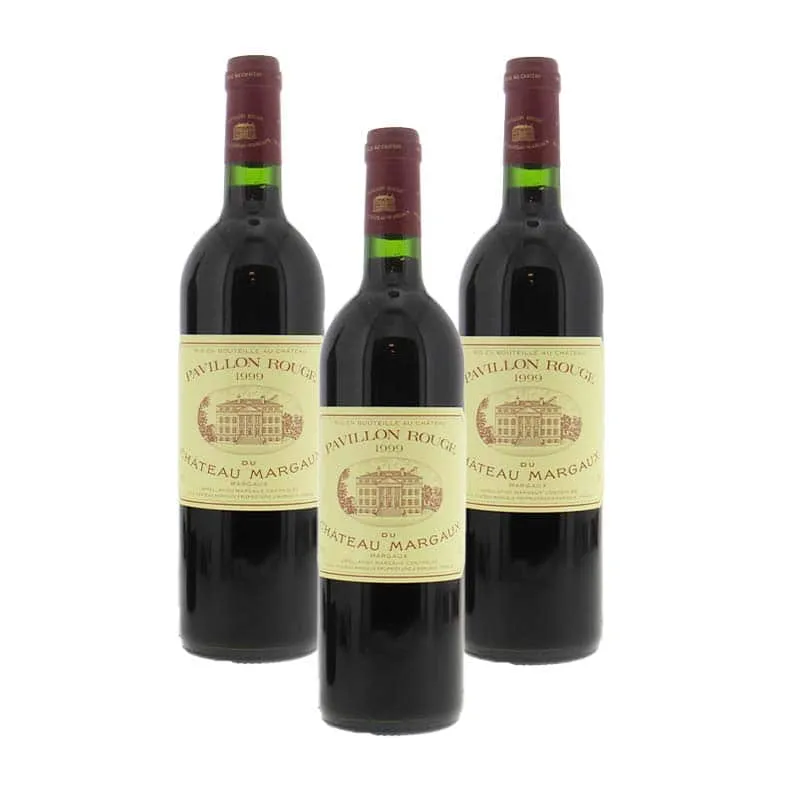
One of the most captivating aspects of Margaux wines is how they evolve over time.
Young wines typically display fresh fruit and floral aromas. As they age, these primary characteristics gradually transform into more complex notes.
After a decade or more, the wines often develop aromas of cedar, tobacco, leather, and forest floor. The tannins soften, and the wine’s structure becomes smoother and more integrated.
Because of this ageing potential, many wine collectors view Margaux wines as ideal candidates for long-term cellaring.
Watching a Margaux wine evolve over decades can reveal layers of flavour that were not immediately apparent in its youth.
The Landscape of Margaux
The vineyards of Margaux create one of the most visually striking landscapes in Bordeaux.
Rolling gravel hills are lined with rows of vines and punctuated by historic châteaux whose architecture reflects centuries of winemaking tradition.
Many estates are approached through tree-lined avenues that lead to elegant stone buildings surrounded by vineyards.
This landscape offers visitors a glimpse into the long relationship between Bordeaux wine and its environment.
Walking through the vineyards reveals how closely the wines are connected to their geography.
The gravel beneath the vines, the proximity of the Gironde estuary, and the gentle slopes all contribute to the character of the wines produced here.
Experiencing the Diversity of Bordeaux
One of the most fascinating aspects of Bordeaux is the contrast between its different regions.
On the Left Bank, Cabernet Sauvignon dominates blends grown in gravel soils. On the Right Bank, Merlot flourishes in limestone and clay.
Exploring these differences allows visitors to understand how terroir shapes wine style.
Many travellers begin by visiting the Médoc before discovering the limestone vineyards of Saint-Émilion. Experiencing the Right Bank during a Saint Emilion Wine Tour offers a striking contrast to the Cabernet-driven wines of Margaux.
These differences illustrate the extraordinary diversity that makes Bordeaux one of the most compelling wine regions in the world.
Margaux and the Idea of Elegance
In the world of wine, elegance is not easily defined.
It emerges from the harmony between fruit, acidity, tannins, and aroma rather than from sheer intensity.
Margaux wines embody this harmony.
Their floral perfume, refined tannins, and ability to evolve gracefully over time have made them some of the most admired wines in Bordeaux.
While other appellations may be known for power or concentration, Margaux demonstrates that greatness can also come from restraint.
Along the gravel terraces beside the Gironde estuary, where Cabernet Sauvignon ripens slowly beneath Atlantic skies, Margaux continues to define what elegance means in Bordeaux wine.
And for those who wish to experience the contrast between Bordeaux’s two great banks of wine, discovering the limestone vineyards of Saint-Émilion during a Saint Emilion Wine Tour offers a perfect complement to the refined wines of Margaux.
