Oak Barrels Explained: Why Bordeaux Uses So Much Oak
Oak is so closely linked to Bordeaux that it is easy to forget it was never intended as a flavouring tool in the first place. Barrels were originally practical objects — strong, watertight vessels that allowed wine to be transported, stored, and traded. Yet over centuries, Bordeaux discovered that oak did far more than hold wine. It quietly transformed it.
Today, oak is not an accessory in Bordeaux winemaking. It is a structural element, as essential as grape variety or terroir. To understand Bordeaux wines properly — their texture, balance, ageing potential, and even their sense of restraint — you need to understand why oak remains so central, and how it is used with far more precision than many drinkers realise.
This article explains why Bordeaux uses so much oak, what oak barrels actually do to wine, and why, despite modern alternatives, Bordeaux continues to rely on them.
Oak in Bordeaux: A Historical Choice That Became a Philosophy
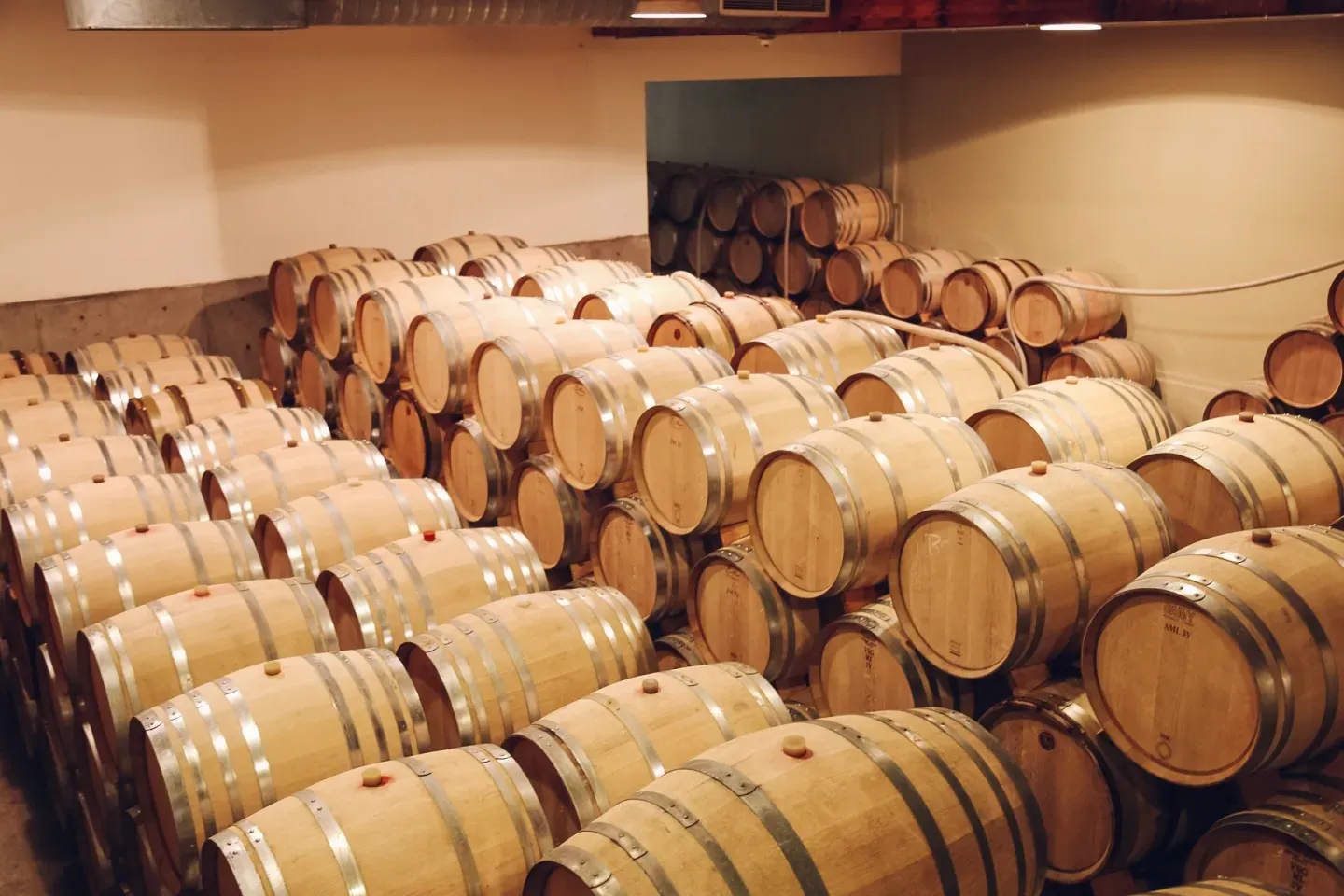
Bordeaux’s relationship with oak began out of necessity. The region needed barrels that could withstand long journeys by river and sea, and French oak forests provided a reliable supply of durable wood. Oak’s tight grain made it ideal for containing liquid without leaking, while still allowing a slow exchange with air.
What early winemakers noticed, however, was that wine stored in oak emerged changed. Harshness softened. Aromas became more complex. Structure improved. Wines lasted longer and travelled better.
Over time, Bordeaux did not simply adopt oak — it learned to control it. The region refined how long wine stayed in the barrel, how new the wood should be, how heavily it should be toasted, and how oak interacts with different grape varieties. This gradual refinement shaped what we now recognise as the classic Bordeaux style.
What Oak Barrels Really Do to Wine
Oak barrels influence wine in three interconnected ways: oxygen exposure, structural integration, and aromatic development. These effects happen slowly, quietly, and simultaneously.
Oxygen: The Most Important Contribution
Oak is porous. Not enough to leak, but enough to allow minute amounts of oxygen to pass through the wood over time. This slow, controlled oxygen exposure is one of the most important processes in Bordeaux winemaking.
For young Bordeaux wines — especially those rich in tannin — oxygen helps soften the wine’s structure. Tannins begin to polymerise, meaning they bind together into longer chains that feel smoother and less aggressive on the palate. Colour stabilises. Aromas integrate.
Without this slow oxygen exchange, many Bordeaux wines would remain hard, angular, and closed for far longer. Stainless steel tanks, while excellent for precision and freshness, cannot replicate this process in the same way.
Oak and Texture: Why Mouthfeel Changes So Dramatically
Oak does not simply add flavour; it changes how wine feels. Oak contains its own tannins, which interact with grape tannins during ageing. This interaction is subtle but profound.
Instead of sharp, drying sensations, tannins become finer and more velvety. Understanding the science of tannins helps explain why oak ageing reshapes these structural compounds, giving Bordeaux wines their refined texture and long ageing potential.
This is why oak is particularly important for Cabernet Sauvignon-based wines from the Left Bank, which naturally produce high levels of firm tannins. Oak does not mask these tannins — it reshapes them.
Flavour From Oak: A Secondary Effect, Not the Goal
One of the most common misunderstandings about Bordeaux is that oak is used primarily to add flavour. In reality, flavour is a by-product, not the objective.
Oak can contribute notes of vanilla, spice, toast, smoke, and sweetness. But in Bordeaux philosophy, these aromas should sit in the background. They are meant to support fruit and structure, not announce themselves.
When oak dominates a Bordeaux wine, it is generally considered a flaw — a sign that balance has been lost.
Why Bordeaux Uses French Oak Almost Exclusively
Not all oak behaves the same way. Bordeaux overwhelmingly favours French oak because of its tight grain and restrained aromatic impact.
French oak allows:
- Slower oxygen transfer
- More controlled tannin integration
- Subtler aromatic contribution
This aligns with Bordeaux’s emphasis on elegance, structure, and longevity rather than immediate impact.
The choice of oak forest, grain tightness, and barrel cooper is treated with the same seriousness as vineyard selection.
New Oak vs Used Oak: Understanding the Balance
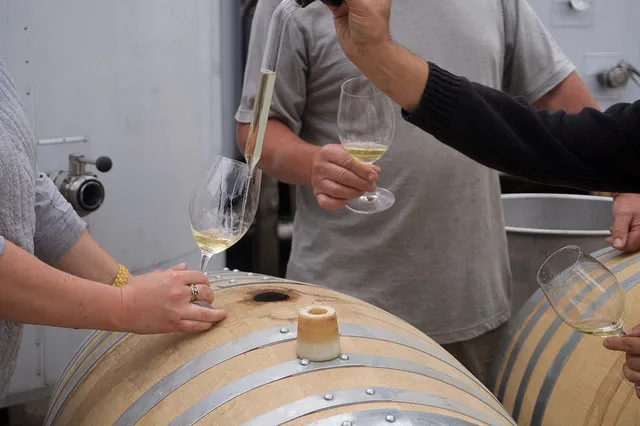
When people hear that a wine has been aged “in oak,” they often assume heavy wood influence. In Bordeaux, this is rarely the case.
New barrels are powerful. They contribute more tannin, more flavour, and more oxygen interaction. Used barrels, by contrast, offer structure without strong flavour.
Most Bordeaux châteaux use a combination of new and older barrels, adjusting the ratio each vintage depending on grape quality, ripeness, and style goals. In cooler years, less new oak may be used. In warmer, riper years, more structure may be needed to maintain balance.
Oak is applied with intention, not habit.
Left Bank Bordeaux: Why Oak Is Essential
Left Bank wines, dominated by Cabernet Sauvignon, are built for ageing. They are firm, structured, and often restrained in youth.
Oak plays a crucial role in:
- Softening tannins
- Allowing gradual aromatic development
- Providing long-term stability
Many top Left Bank wines spend between 12 and 24 months in barrel, not to add flavour, but to prepare the wine for decades of evolution in bottle.
Right Bank Bordeaux: Oak With Restraint
Right Bank wines, driven by Merlot, tend to be rounder and more approachable earlier. Too much oak can overwhelm Merlot’s natural plushness.
As a result, oak ageing on the Right Bank is often:
- Shorter
- More restrained
- Focused on texture rather than power
The goal is to polish the wine, not to reshape it.
Oak in White Bordeaux Wines
Oak also plays an important role in dry white Bordeaux, though in a very different way. Here, oak is used to build mouthfeel and complexity without sacrificing freshness.
Many producers ferment or age part of the wine in barrels while keeping the rest in tanks. This approach adds depth and ageing potential while preserving acidity and aromatic lift.
Again, oak is not there to dominate — it is there to support.
Sweet Wines and Oak: Stability Over Flavour
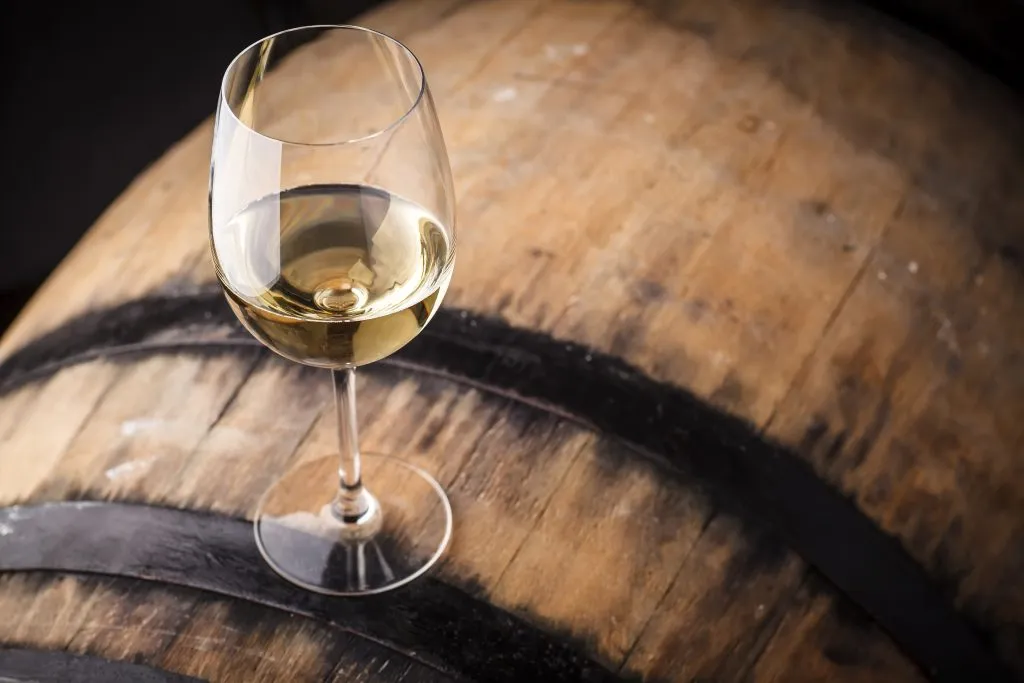
In sweet Bordeaux wines made from botrytised grapes, oak ageing serves primarily as a stabilising force. Often, older barrels are used to minimise flavour impact while allowing the wine to evolve slowly and safely.
In these wines, balance depends far more on acidity and botrytis complexity than on oak character.
Toasting Levels: An Invisible but Critical Decision
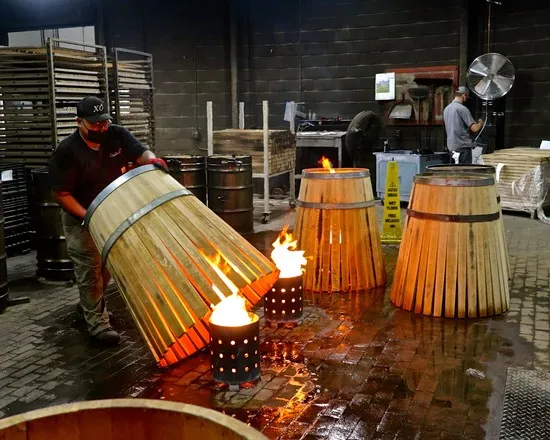
Before barrels are used, they are toasted over fire. Toast level dramatically affects how oak interacts with wine.
Bordeaux generally favours medium toast, which offers a balance between structure and subtle aroma. Heavy toast is avoided because it can overshadow terroir and fruit expression.
This attention to detail reflects Bordeaux’s long-term perspective: the wine must still taste coherent decades later.
Why Bordeaux Continues to Invest in Oak
Oak barrels are expensive. They require storage space, labour, and constant renewal. Yet Bordeaux continues to invest heavily in them because no modern alternative offers the same combination of structure, oxygen control, and ageing potential.
Oak is not a shortcut. It is a slow, demanding tool — perfectly suited to wines that are also slow and demanding.
Understanding Oak When Tasting Bordeaux
When tasting Bordeaux, the oak should feel integrated. You may sense spice, toast, or vanilla, but these should never be the headline.
The true signs of well-used oak are:
- Smooth, refined tannins
- Balance between fruit and structure
- Length and persistence
- A sense that the wine will improve with time
Learning to recognise this transforms how you evaluate Bordeaux wines, especially during château visits and tastings.
This deeper understanding is often part of the experience on Bordeaux Wine Tours, where barrel ageing is discussed not as a recipe, but as a philosophy.
Oak as Architecture, Not Decoration
In Bordeaux, oak is not seasoned.
It is architecture.
It shapes how the wine stands, how it ages, and how it carries itself over decades. Remove oak, and Bordeaux would lose not just flavour, but identity.
For wine lovers seeking to understand this relationship in context — from vineyard to cellar — Wine Tours Bordeaux region offer the chance to see, smell, and taste how oak quietly defines Bordeaux.
Oak does not shout here.
It supports — patiently, invisibly, and over time.
