Saint-Émilion: Understanding Bordeaux’s Most Complex Appellation
Saint-Émilion is often treated as a single idea: a Right Bank appellation dominated by Merlot, producing rich, approachable wines. This shorthand is convenient, and almost entirely wrong. In reality, Saint-Émilion is Bordeaux’s most internally fragmented appellation — a place where wines bearing the same name can behave, age, and taste as if they come from different regions altogether.
This complexity is not accidental. It is the result of geology, topography, and a regulatory structure that allows interpretation rather than enforcement of a fixed style. Saint-Émilion does not tell producers what their wines should be. It gives them land, limits, and freedom — and the results are anything but uniform.
To understand Saint-Émilion is to abandon the search for a single identity and instead learn how to read structure, soil, and intent.
A Landscape Built for Difference
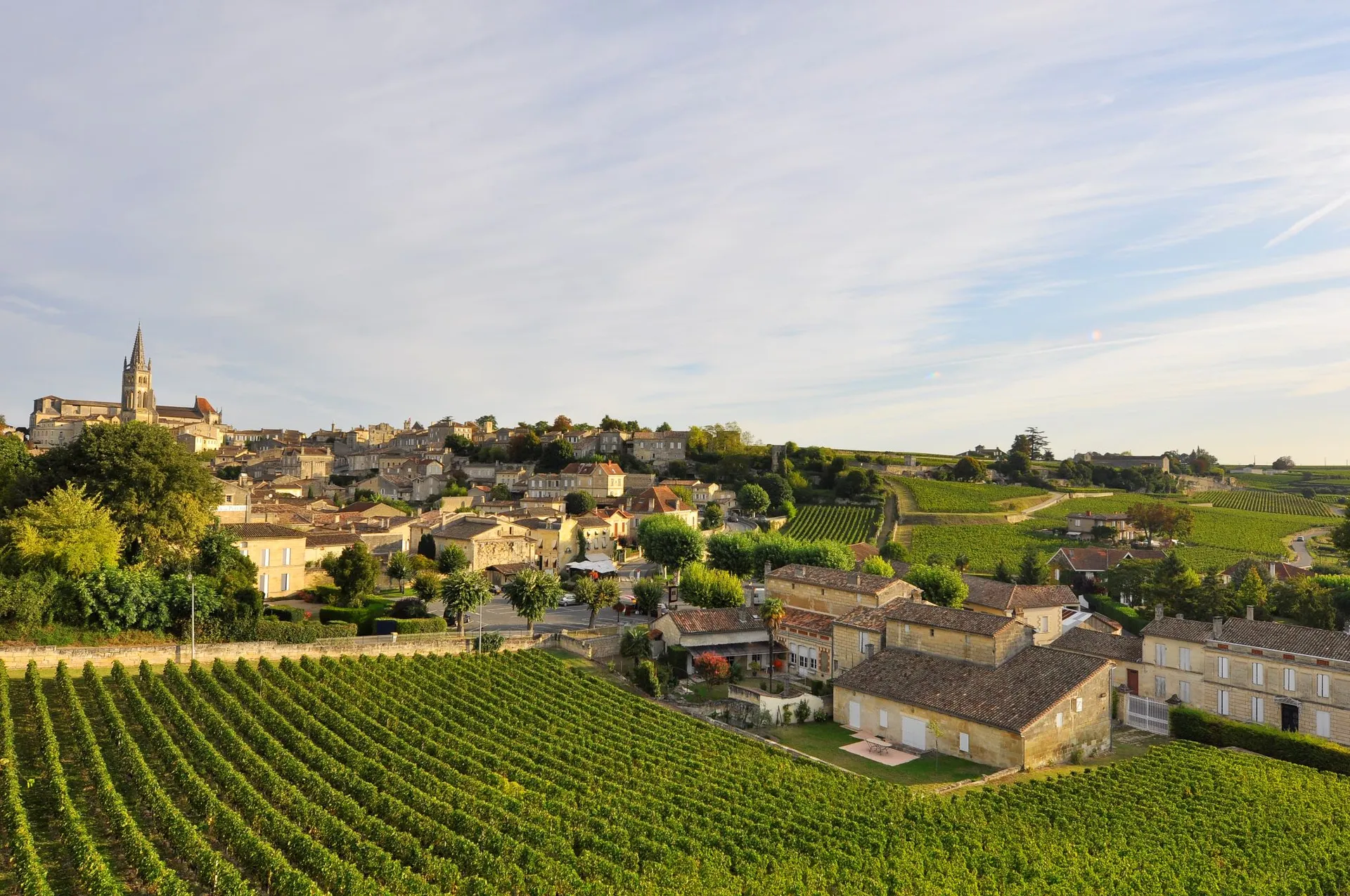
The defining feature of Saint-Émilion is its physical complexity. Unlike flatter appellations, Saint-Émilion rises and falls. Plateaux, slopes, terraces, and lower-lying areas intersect in close proximity, creating radically different growing conditions within short distances.
Water drains differently on slopes than on plateaus. Heat accumulates differently on limestone than on clay. Wind exposure varies dramatically between parcels. These differences are not subtle. They shape how vines grow, how grapes ripen, and how wines are built from the very beginning.
Saint-Émilion is not a vineyard. It is a mosaic. These variations explain why neighbouring estates can produce wines that feel completely unrelated in structure and personality — a dynamic explored in why two Bordeaux châteaux using the same grapes can taste completely different, where soil, harvest timing, and winemaking decisions shape radically different outcomes.
Limestone: The Architecture of Precision
Limestone forms the structural core of Saint-Émilion’s most age-worthy wines. This soil behaves unlike any other in Bordeaux. It retains water deep underground while remaining dry at the surface, forcing vines to root deeply without encouraging excess vigour.
Wines grown on limestone tend to be defined by:
- Natural acidity rather than ripeness-driven freshness
- Fine, chalky tannins
- Moderate alcohol levels
- Long, even ageing curves
These wines are rarely demonstrative in youth. Instead, they offer quiet authority — structure that holds rather than pushes. Over time, they develop savoury complexity, mineral detail, and a sense of inevitability.
This style is exemplified by plateau-driven estates such as Château Ausone and Château Canon, where restraint is not a lack of ambition, but a statement of confidence.
Clay: Volume, Texture, and Risk
Clay dominates many of Saint-Émilion’s slopes and lower elevations, and it presents a very different set of opportunities and challenges. Clay retains water efficiently and remains cool during warm periods, encouraging steady ripening and fuller berries — conditions in which Merlot excels.
Clay-driven wines tend to show:
- Broader mid-palate weight
- Softer tannin profiles
- Earlier approachability
- Greater immediate generosity
When handled carefully, clay produces wines of depth and calm authority. When handled carelessly, it produces wines that feel warm, heavy, and short-lived. Clay does not impose discipline; it requires it.
This is why Saint-Émilion’s reputation for richness is both deserved and misleading. Richness is available everywhere here. Balance is not.
Mixed Soils and the Art of Internal Blending
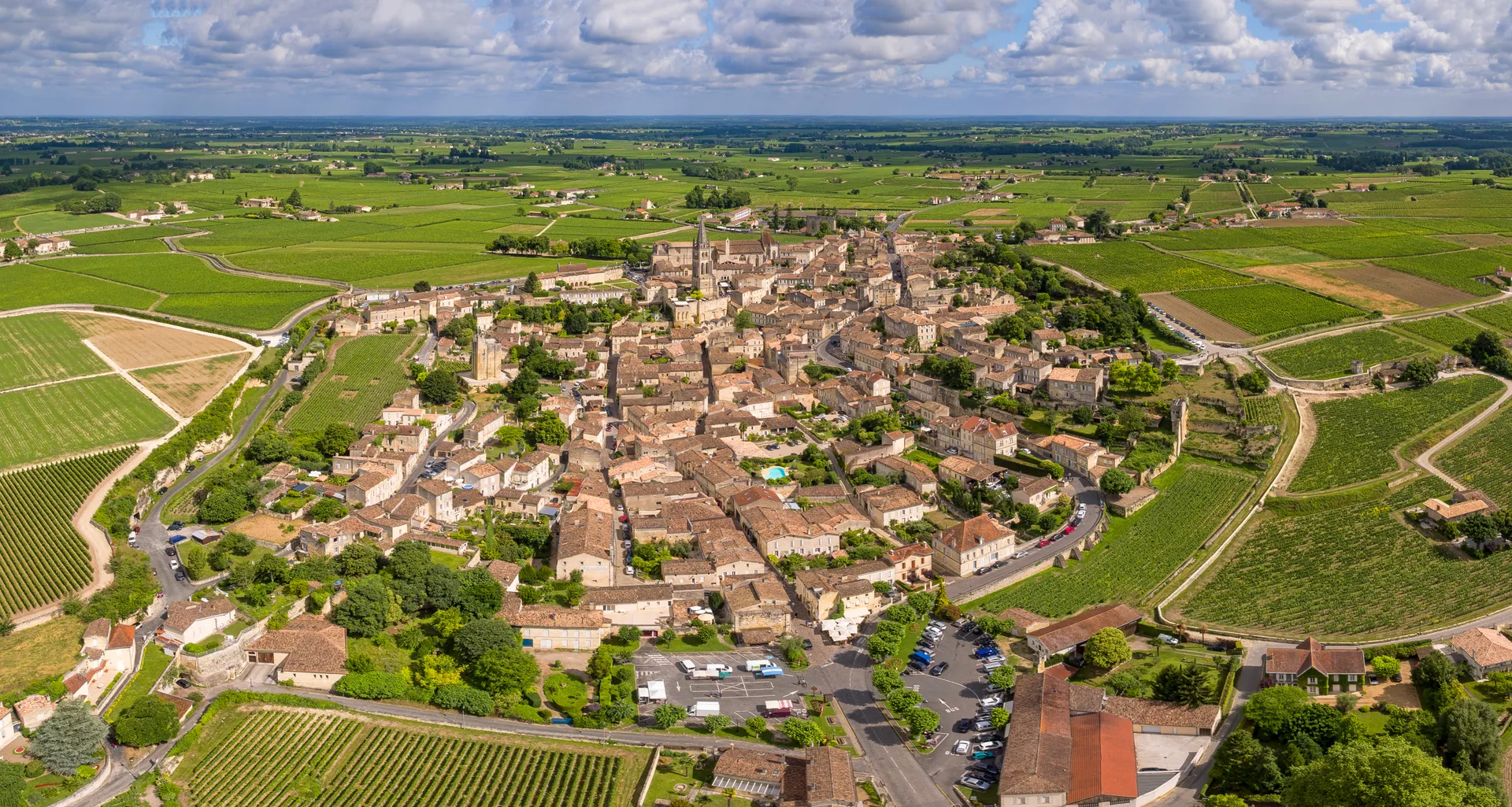
Few Saint-Émilion estates sit entirely on one soil type. Many are layered with limestone veins beneath clay or clay pockets, interspersed with sand. These mixed soils complicate viticulture, but they also create opportunity.
Producers with parcels across different soils are able to blend structural roles, not just grape varieties. One parcel provides tension. Another provides flesh. Another contributes aromatic lift.
The final wine becomes a synthesis rather than a statement — and this is where Saint-Émilion’s most complete wines often emerge.
Merlot and Cabernet Franc: A Structural Partnership
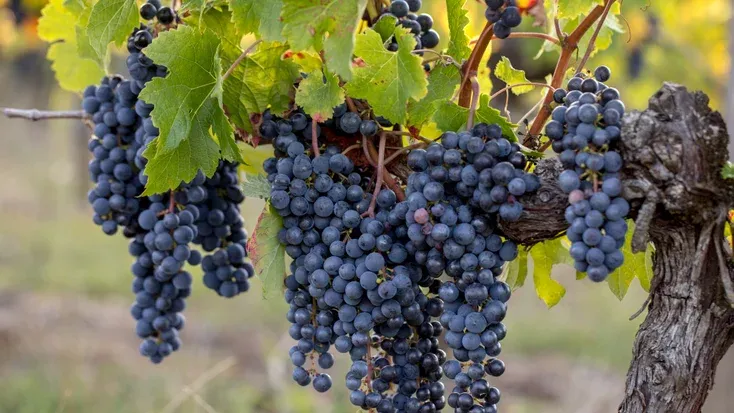
Saint-Émilion is often reduced to “Merlot country”, but this simplification ignores the critical role of Cabernet Franc. On limestone, Cabernet Franc contributes freshness, aromatic clarity, and structural line. On clay-limestone mixes, it counterbalances Merlot’s natural generosity.
Wines with meaningful Cabernet Franc content often:
- Age more gracefully
- Retain energy in warm vintages
- Show greater aromatic complexity over time
Merlot provides body. Cabernet Franc provides shape. The balance between them reveals a producer’s priorities more clearly than percentages on a label.
Harvest Timing as an Expression of Intent
In Saint-Émilion, harvest timing is one of the most decisive stylistic choices a producer makes. Limestone parcels can be harvested later without sacrificing acidity. Clay parcels often require earlier picking to avoid excess alcohol and softness.
Two estates may harvest days apart, not because one is more skilled, but because their vineyards demand different responses. These decisions ripple through fermentation, blending, and ageing.
Saint-Émilion wines taste different because they are picked for different reasons.
Vinification: When Technique Amplifies Terroir
Saint-Émilion is unforgiving of generic winemaking. Extraction that works on clay can overwhelm limestone fruit. Gentle techniques that preserve delicacy on limestone can leave clay wines feeling hollow.
The best producers adjust fermentation and extraction parcel by parcel. Those who impose a uniform method often lose coherence.
This sensitivity explains why Saint-Émilion wines diverge so sharply in texture and structure even within the same vintage.
Oak as a Divider, Not a Signature
Oak usage in Saint-Émilion varies widely and has long been a source of stylistic tension. Heavy oak can mask limestone’s mineral clarity and exaggerate clay’s richness. Restrained oak can preserve terroir but expose imbalance if the structure is insufficient.
Enduring Saint-Émilion wines use oak as supporting architecture, not a statement of modernity. They allow the wine to breathe rather than dominate its profile.
This is one of the clearest fault lines between wines that age with grace and those that peak early.
Classification and the Myth of Uniform Quality
Saint-Émilion’s classification system often creates false expectations. Rank does not equal style, and it certainly does not guarantee similarity.
Two classified estates may sit on radically different soils and pursue opposing philosophies. One may prioritise longevity and restraint. Another may prioritise richness and polish. Both are legitimate expressions of Saint-Émilion.
Understanding this prevents disappointment — and encourages curiosity.
Ageing: Divergence, Not Convergence
Perhaps the most important thing to understand about Saint-Émilion is how its wines age. Unlike more uniform appellations, Saint-Émilion wines diverge with time.
In youth, many wines appear similarly ripe and polished. Over a decade or more, differences sharpen dramatically. Limestone wines gain clarity and persistence. Balanced clay wines retain depth without heaviness. Less disciplined wines lose definition.
Age reveals intention.
This is why Saint-Émilion rewards long-term attention and comparative tasting — something many wine lovers experience most clearly through Bordeaux Wine Tours, where wines are encountered side by side rather than in isolation.
Reading Saint-Émilion as a Wine Drinker
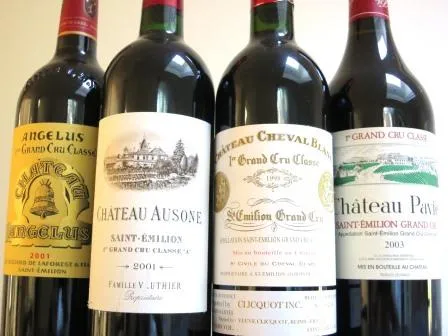
Saint-Émilion does not reward shortcuts. Labels, rankings, and reputation tell only part of the story. The real signals lie in soil, blend, and structure.
Once you learn to read those signals, Saint-Émilion transforms from a confusing appellation into one of Bordeaux’s most expressive and intellectually satisfying regions.
Final Reflection: Saint-Émilion as Bordeaux in Microcosm
Saint-Émilion embodies Bordeaux’s central truth: wine is the result of choices made in response to place, not formulas applied to ingredients.
It resists simplification. It punishes assumption. It rewards attention.
For those willing to engage deeply — tasting, comparing, questioning — Saint-Émilion offers one of the clearest windows into how Bordeaux truly works. And for travellers seeking to experience that complexity in context, exploring the region through Wine Tours Bordeaux region often marks the moment when Bordeaux stops being abstract and starts making sense.
Saint-Émilion does not explain itself.
It asks to be understood.
