Saint-Émilion vs Pomerol: Texture, Power & Price Explained
At first glance, Saint-Émilion and Pomerol appear to speak the same language. Both sit on Bordeaux’s Right Bank. Both are dominated by Merlot. Both produce wines celebrated for richness, depth, and sensual texture. And yet, when tasted side by side, the differences are unmistakable.
These are not differences of quality. There are differences of structure, intent, and scale. Saint-Émilion and Pomerol do not compete in the same way that neighbouring appellations often do. Instead, they represent two distinct philosophies of Right Bank Bordeaux — one expansive and layered, the other concentrated and intimate.
Understanding how texture, power, and price diverge between these two appellations is essential for anyone seeking to navigate Bordeaux beyond reputation alone.
Geography as Destiny on the Right Bank
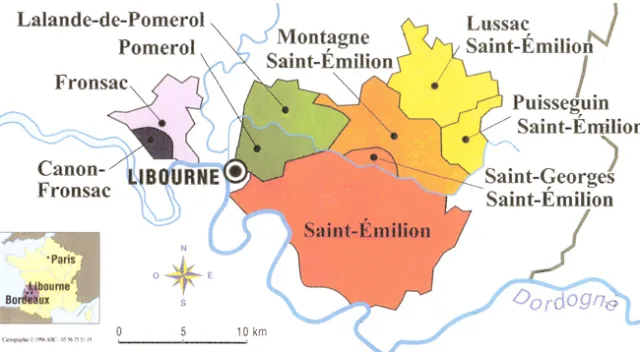
Both appellations sit on the Right Bank of the Dordogne, but geography begins to separate them almost immediately.
Saint‑Émilion is large, varied, and topographically complex. Vineyards spread across rolling hills, plateaus, and slopes, with soils ranging from limestone to clay and sand. This diversity allows for a wide range of expressions, from structured, mineral wines to plush, fruit-driven styles.
Pomerol, by contrast, is compact and remarkably uniform. It lacks the dramatic slopes of Saint-Émilion and instead relies on subtle soil changes — particularly clay and gravel — to define its identity. Pomerol’s power comes not from scale, but from concentration.
This difference in physical scale is the foundation for everything that follows.
Texture: The Core of the Comparison
Texture is where Saint-Émilion and Pomerol truly diverge. Much of this difference comes from how tannins behave in each appellation, shaping the sensation of weight, grip, and softness on the palate. Understanding the science of tannins helps explain why some wines feel structured and linear while others feel plush and enveloping.
Saint-Émilion wines often build texture gradually. Tannins tend to frame the wine rather than dominate it, especially on limestone soils where freshness and structure coexist naturally. The mouthfeel evolves in layers: fruit first, then structure, then savoury complexity. Even rich examples usually retain a sense of lift.
Pomerol wines, on the other hand, deliver texture immediately. They are defined by density and silkiness, often described as plush or velvety. Tannins are fine but abundant, creating a sensation of volume rather than tension. The wine fills the palate rather than stretching across it.
Neither approach is superior. They simply engage the palate differently.
Power: Expansion vs Compression
Power in Saint-Émilion is expansive. The best wines grow in the glass, revealing new aromatic layers over time. Power is expressed through length and complexity, not just weight. Alcohol is usually well integrated, and structure is designed to support evolution rather than overwhelm.
Power in Pomerol is compressed. The wines feel powerful from the first sip, delivering intensity in a smaller frame. There is less sense of expansion and more of immediacy. This is why Pomerol wines often feel seductive in youth, even when built for ageing.
This distinction explains why Saint-Émilion is often associated with intellectual complexity, while Pomerol is associated with sensual pleasure.
The Role of Terroir in Shaping Style
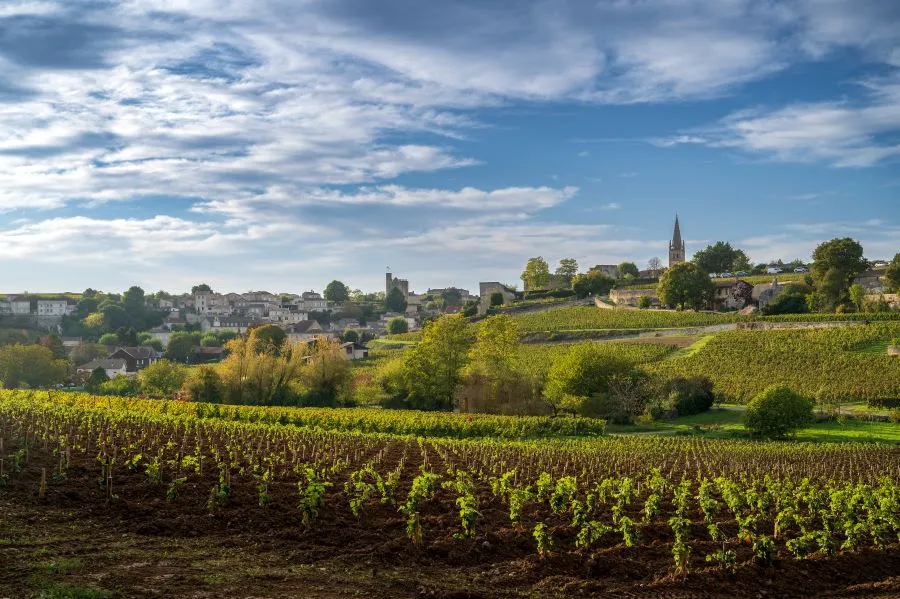
Saint-Émilion’s limestone plateau plays a crucial role in shaping its finest wines. Limestone retains moisture, reflects light, and preserves acidity. This produces wines with structure, freshness, and a natural ability to age without heaviness.
Châteaux such as Château Canon and Château Ausone exemplify this balance, producing wines where texture is supported by tension rather than mass.
Pomerol’s defining terroir is clay — particularly the deep blue clay found in its most prized vineyards. Clay retains water and encourages even ripening, producing wines of depth and richness. This terroir explains the extraordinary texture of estates like Château Pétrus and Château Le Pin, where Merlot reaches an almost creamy intensity.
Grape Composition and Its Consequences
Both appellations rely heavily on Merlot, but they use it differently.
Saint-Émilion often blends Merlot with Cabernet Franc, particularly on limestone soils where Cabernet Franc thrives. This adds aromatic lift, structural tension, and ageing capacity. Cabernet Franc contributes freshness and complexity rather than power.
Pomerol uses little Cabernet Franc and almost no Cabernet Sauvignon. Its identity is overwhelmingly Merlot-driven. This purity contributes to its immediate richness and seamless texture, but also narrows stylistic range.
The result is that Saint-Émilion offers diversity within the appellation, while Pomerol offers intensity within a narrow stylistic band.
Ageing Potential: Two Different Curves
Saint-Émilion wines tend to age in phases. Youth can be structured or reserved, followed by a long middle period where complexity unfolds gradually. The best examples can evolve for decades, with tertiary notes emerging slowly.
Pomerol wines age more linearly. They often drink well earlier, peak confidently, and then plateau rather than transform dramatically. Their appeal lies in consistency rather than surprise.
This difference influences buying decisions as much as tasting preferences.
Price: Why Pomerol Costs More
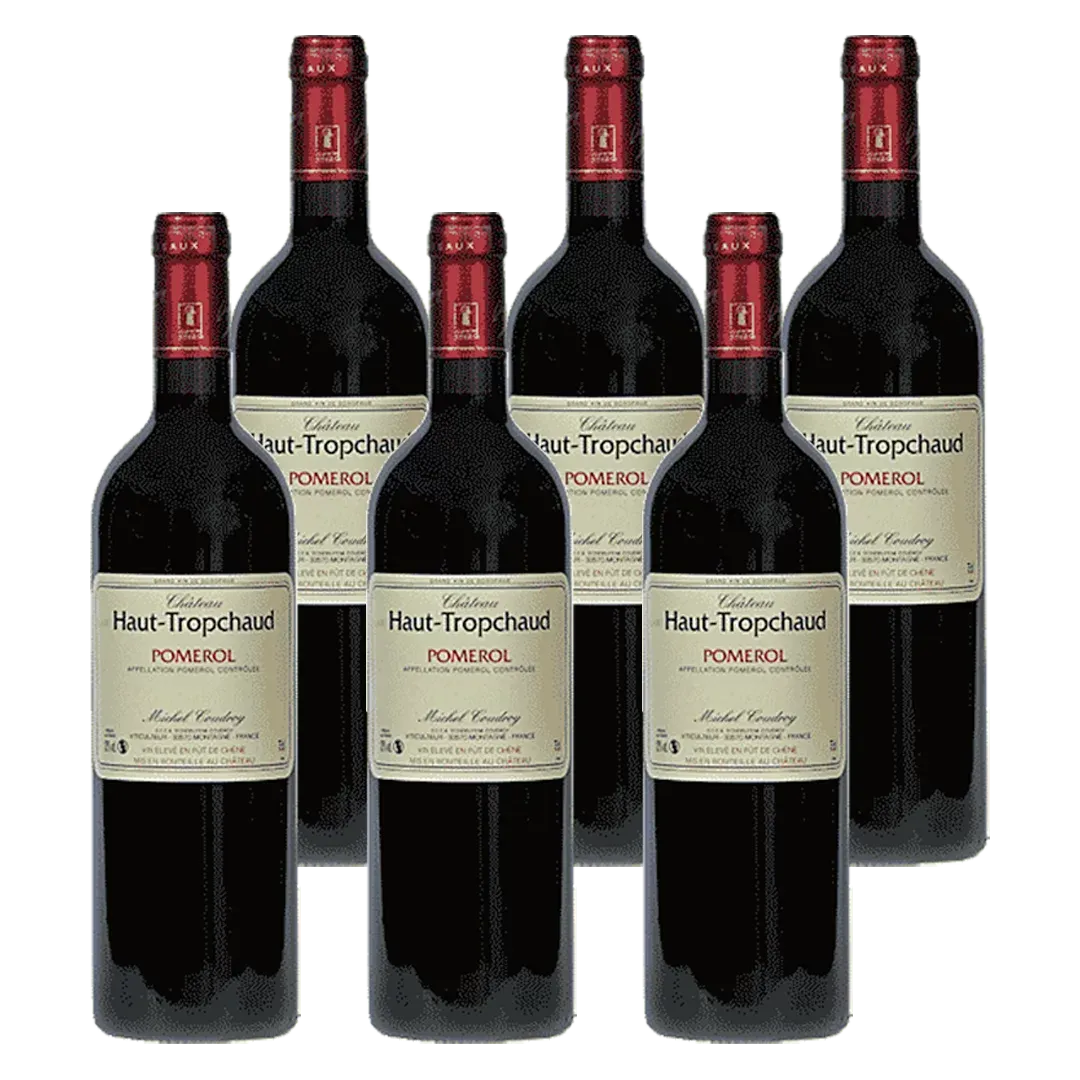
The price difference between Saint-Émilion and Pomerol is often striking — and frequently misunderstood.
Pomerol is tiny. Production is limited. Demand is global and intense. There is no classification system to regulate prestige, which allows market forces to push prices higher without constraint.
Saint-Émilion, by contrast, is large and produces wine at many levels. While its top châteaux command high prices, the appellation as a whole offers far more choice and value.
In simple terms, Pomerol prices reflect scarcity, while Saint-Émilion prices reflect hierarchy and diversity.
Choosing Between the Two as a Wine Lover
Choosing between Saint-Émilion and Pomerol is not about deciding which is “better”. It is about understanding what you value in wine.
If you seek:
- Layered complexity
- Structural tension
- Wines that evolve intellectually over time
Saint-Émilion is likely to speak to you.
If you seek:
- Immediate richness
- Silky texture
- Concentration and depth
Pomerol will feel irresistible.
Many wine travellers come to understand this difference most clearly during Bordeaux Wine Tours, where tasting these wines side by side reveals distinctions that words alone cannot fully capture.
Two Right Bank Philosophies, One Shared Heritage
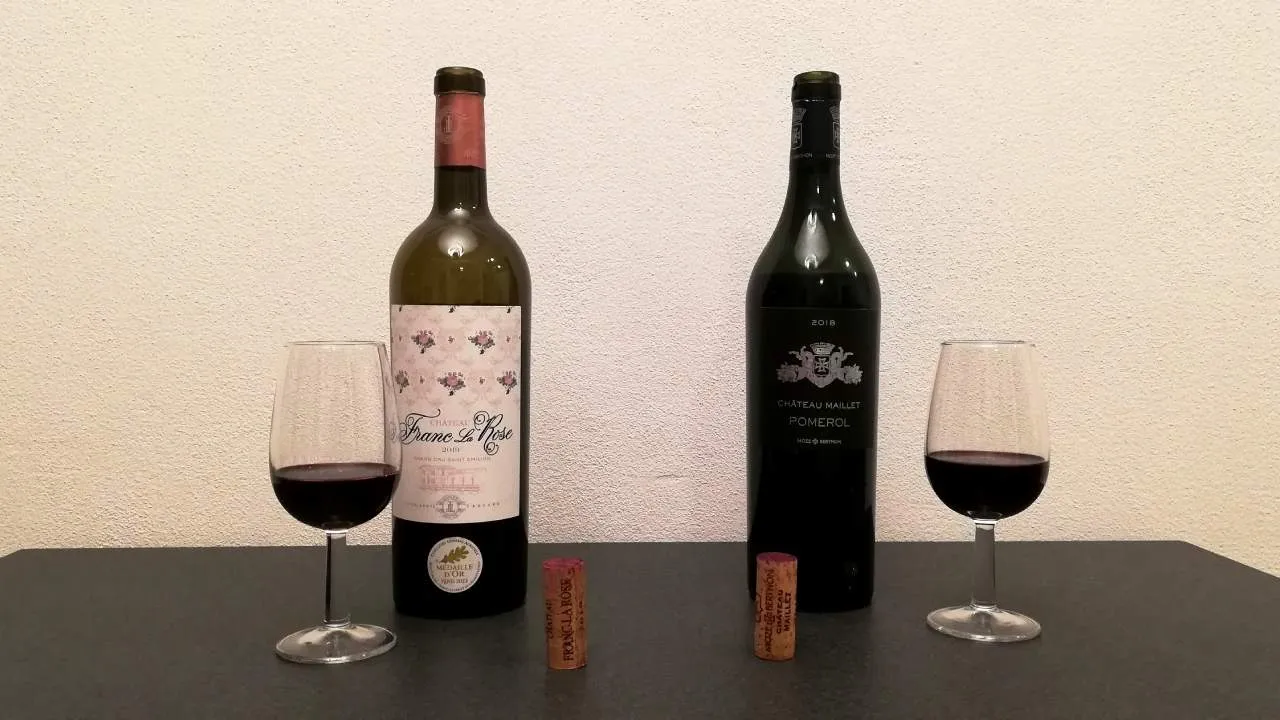
Saint-Émilion and Pomerol are united by geography and grape variety, but separated by philosophy. One embraces diversity and scale. The other embraces focus and intensity.
Together, they demonstrate why the Right Bank cannot be reduced to “Merlot-based Bordeaux”. It is a landscape of nuance, shaped as much by soil and size as by human decision-making.
For those looking to explore this contrast deeply — understanding how texture, power, and price interlock — Wine Tours Bordeaux region offer the context that transforms tasting into comprehension.
Final Reflection: Contrast as Bordeaux’s Strength
Bordeaux’s greatness does not come from uniform excellence, but from meaningful contrast. Saint-Émilion and Pomerol are not rivals. They are complementary expressions of what Merlot can become under different conditions.
Once you understand that contrast, the Right Bank stops being confusing — and starts being endlessly fascinating.
