Saint-Estèphe Wines Explained: The Structure and Longevity of Northern Médoc
Among the great appellations of the Bordeaux wine region, Saint-Estèphe stands apart for its strength and endurance. While neighbouring appellations such as Pauillac and Saint-Julien often dominate discussions of prestige, Saint-Estèphe quietly produces wines that embody some of the deepest structural foundations in the Médoc. These wines are rarely flamboyant in youth. Instead, they reveal their character slowly, often demanding patience before unfolding into wines of remarkable complexity.
Situated at the northern edge of the Médoc’s most celebrated vineyard territory, Saint-Estèphe has long been associated with wines built for time. Their tannins are firm, their fruit often dark and concentrated, and their ageing potential among the most impressive in Bordeaux. For collectors and serious wine drinkers, this combination creates wines that reward long cellaring.
Visitors exploring Bordeaux often begin to understand these stylistic contrasts while tasting wines from different areas during a Saint Emilion Wine Tour, where comparisons between Left Bank and Right Bank wines reveal how profoundly terroir shapes the region’s identity.
Understanding Saint-Estèphe therefore offers insight into one of Bordeaux’s most structurally distinctive appellations.
Geography of Saint-Estèphe
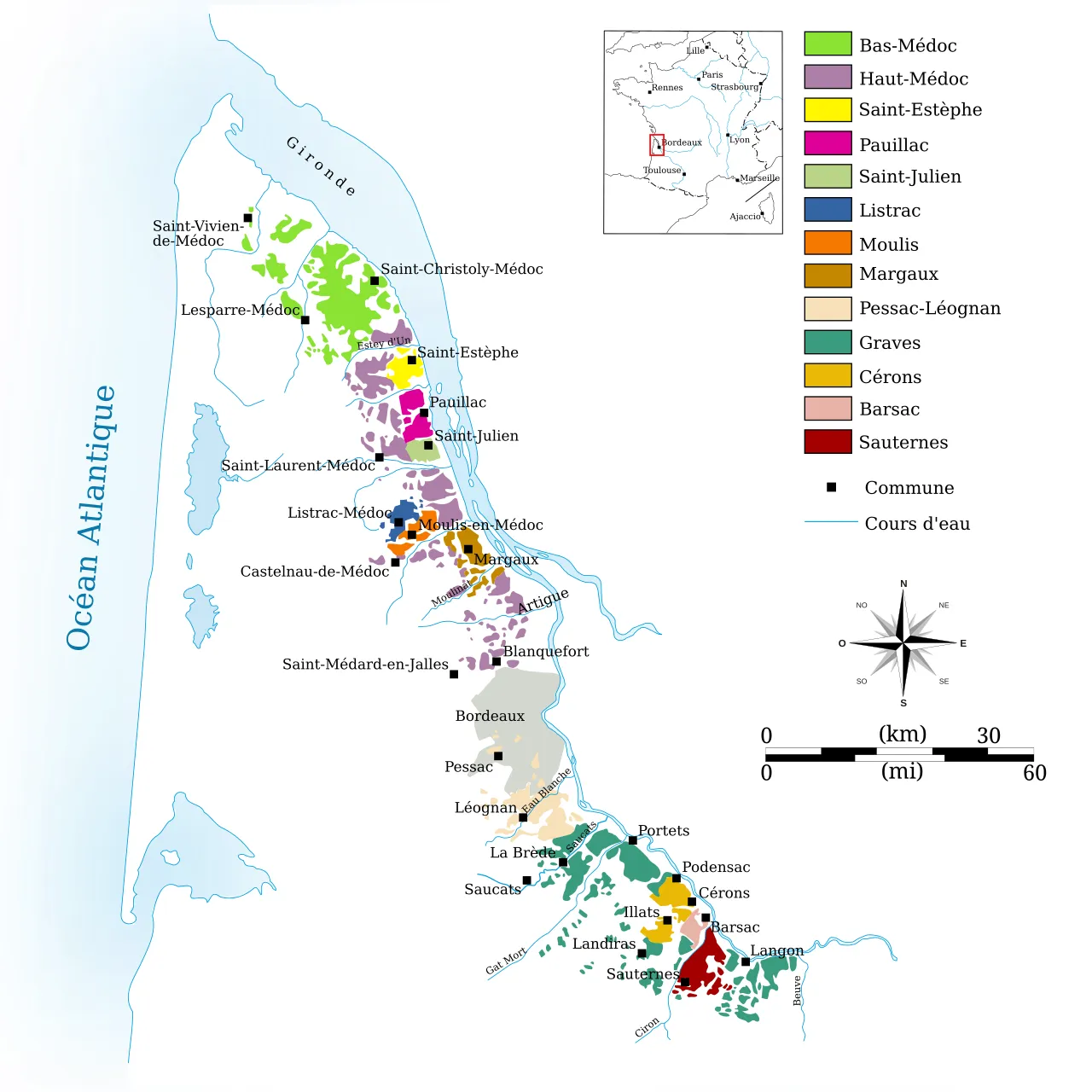
Saint-Estèphe sits along the western bank of the Gironde estuary, forming the northern boundary of the Médoc’s most prestigious vineyard landscape. The vineyards stretch across rolling terraces that rise gently from the water’s edge before extending inland toward forested areas of the peninsula.
The village of Saint-Estèphe lies at the heart of the appellation, surrounded by vineyards that have produced wine for centuries. Compared with the more polished vineyard landscapes of Pauillac or Margaux, Saint-Estèphe often feels slightly wilder and more rugged, reflecting both its geography and its historical development.
The proximity of the Gironde estuary plays a crucial role in moderating temperatures throughout the year. The water acts as a natural thermal buffer, protecting vines from extreme cold during winter and excessive heat during summer. This maritime influence contributes to the steady ripening conditions that help shape the wines of the region.
Because Saint-Estèphe lies slightly further north than its Médoc neighbours, its vineyards often experience marginally cooler growing conditions. This slower ripening contributes to the firm tannins and deep structure that define many of the appellation’s wines.
The Clay-Gravel Terroir
The defining feature of Saint-Estèphe’s vineyards is the distinctive combination of gravel and clay soils.
Like much of the Médoc, the surface soils consist largely of gravel deposited by ancient river systems. These gravel deposits provide excellent drainage, preventing excess water from accumulating around vine roots.
However, beneath these gravel layers lies a greater concentration of clay than is typically found in other Médoc appellations. This clay retains moisture during dry periods, allowing vines to access water reserves even during hot summers.
This balance between drainage and water retention has a profound effect on the style of the wines. Gravel encourages Cabernet Sauvignon to ripen fully, while clay supports Merlot and contributes to the depth of the wines’ tannic structure.
The result is wines that often feel darker, richer, and more structured than those produced further south in the Médoc.
For readers interested in how soil differences shape Bordeaux wines more broadly, the subject is explored further in Gravel vs Clay vs Limestone: How Bordeaux Soils Shape Wine Styles, which examines how these soil types influence the character of wines across the region.
The Historical Development of the Appellation
Saint-Estèphe’s wine history stretches back several centuries, though its development followed a slightly different trajectory from that of its neighbours.
During the eighteenth and nineteenth centuries, Bordeaux wine merchants focused their attention primarily on vineyards closer to the city and the Gironde’s major trade routes. As a result, areas such as Margaux and Pauillac rose to prominence earlier.
Saint-Estèphe, located slightly further north, remained more rural and less commercially developed for much of this period. However, this slower development allowed many estates to maintain continuity in vineyard management and ownership.
By the time the famous 1855 Bordeaux Classification was established, several estates in Saint-Estèphe had already gained recognition for the quality of their wines.
Today, these historic estates remain central to the identity of the appellation, maintaining traditions that connect modern wines with centuries of viticultural history.
Grape Varieties of Saint-Estèphe
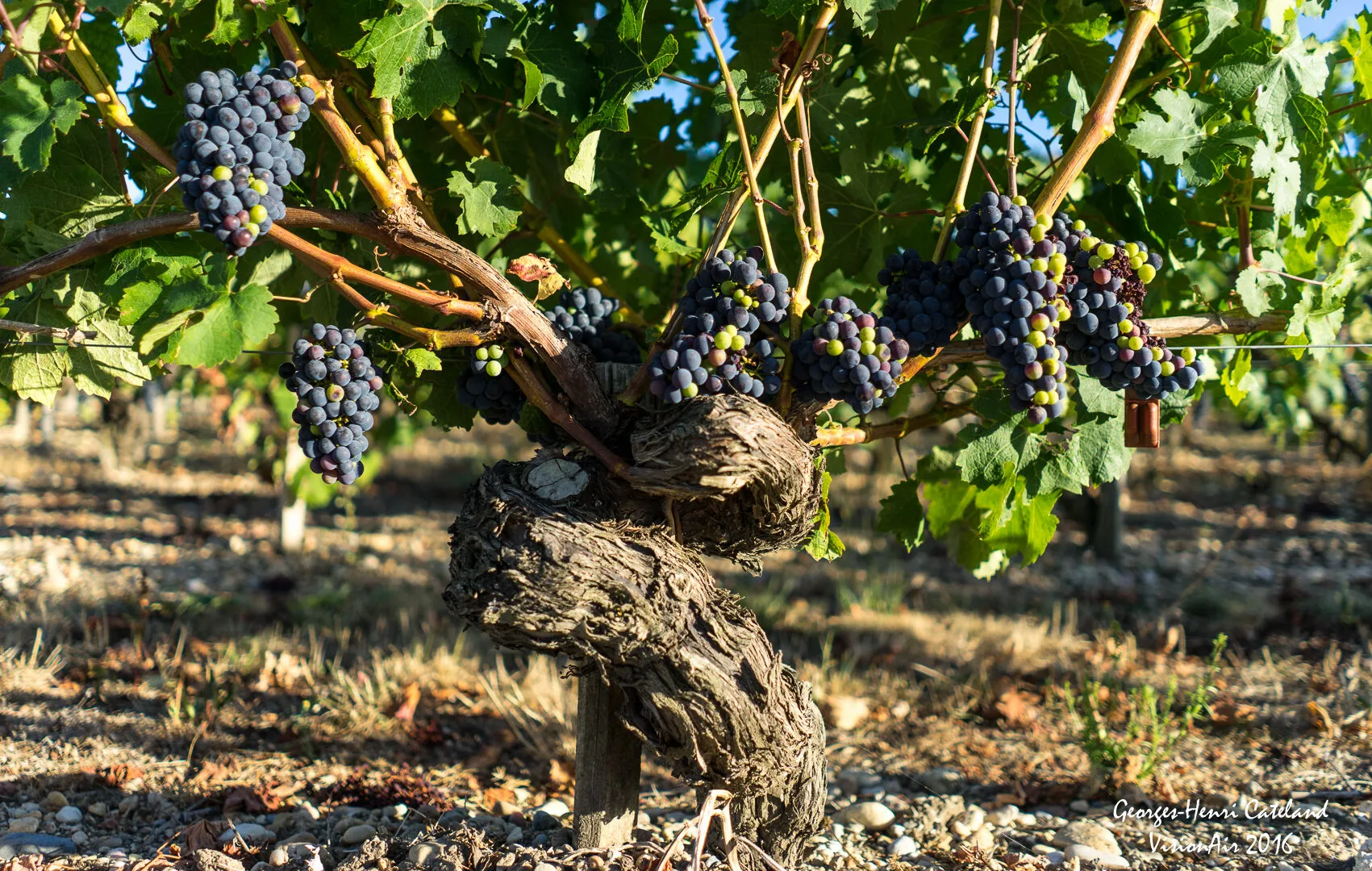
Saint-Estèphe wines follow the classic blending philosophy of the Left Bank.
Cabernet Sauvignon generally forms the backbone of the blend. Its thick skins provide tannin structure and allow wines to age for decades.
Merlot often plays a slightly larger role in Saint-Estèphe than in neighbouring Pauillac because it performs well in the clay-rich soils of the appellation. Merlot contributes roundness and fruit depth to the blend.
Cabernet Franc may appear in smaller quantities, offering aromatic complexity and subtle herbal notes.
Some estates also incorporate Petit Verdot, a grape that adds colour, spice, and additional tannic backbone.
These blends allow winemakers to balance power with elegance, producing wines capable of evolving over long periods.
The Style of Saint-Estèphe Wines
The wines of Saint-Estèphe are often recognised for their firm structure and deep concentration.
In youth, they frequently display aromas of blackcurrant, blackberry, plum, and graphite. Cedar and spice notes from oak ageing often complement these darker fruit characteristics.
However, the defining element of the wines is their tannic backbone. Compared with wines from Saint-Julien or Margaux, Saint-Estèphe wines often feel more muscular in their early years.
With time, this structure gradually softens. Mature wines reveal layers of tobacco, leather, dried herbs, and earthy complexity.
Because of this transformation, many wine collectors consider Saint-Estèphe wines among the most rewarding to cellar.
The Role of the Gironde Estuary
The Gironde estuary plays an essential role in shaping the vineyard environment of Saint-Estèphe.
Large bodies of water influence local climate by absorbing heat during the day and releasing it slowly at night. This moderating effect reduces extreme temperature fluctuations that could otherwise damage vines.
The estuary also reflects sunlight onto nearby vineyards, providing additional warmth during the ripening season.
These climatic benefits help explain why vineyards along the estuary have historically produced some of the Médoc’s most respected wines.
Vineyard Practices in Saint-Estèphe
Modern vineyard management in Saint-Estèphe reflects a careful balance between tradition and innovation.
Many estates continue to rely on traditional planting densities, encouraging competition between vines and limiting excessive growth. This competition helps concentrate flavour within the grapes.
Canopy management techniques ensure that vines receive adequate sunlight while maintaining airflow around the grape clusters. This reduces disease pressure and promotes healthy ripening.
Harvesting is typically performed with careful attention to timing. Because the wines depend heavily on structural balance, picking decisions can significantly influence the final wine.
These practices help ensure that each vintage expresses the distinctive character of the appellation.
Experiencing Saint-Estèphe Wines
For travellers exploring the Médoc, Saint-Estèphe offers a unique opportunity to experience one of Bordeaux’s most powerful wine styles.
Walking through vineyards overlooking the Gironde estuary reveals the landscape that produces these deeply structured wines.
Many visitors begin to appreciate these differences while exploring Bordeaux’s diverse wine regions during a Saint Emilion Wine Tour, where tasting wines from several appellations highlights the contrast between styles across the region.
Seeing the vineyards where these wines originate often deepens appreciation for their remarkable ageing potential.
Classified Estates and the 1855 Legacy
Saint-Estèphe occupies a unique position within the historical framework of Bordeaux classifications. While the appellation may not contain the same concentration of First Growth estates as Pauillac or Margaux, it nevertheless holds an impressive presence within the 1855 Classification, which continues to influence Bordeaux’s reputation today.
Five classified growth estates are located within Saint-Estèphe, including properties that have shaped the identity of the appellation for generations. These estates helped establish the reputation of the northern Médoc as a source of wines capable of extraordinary longevity. Their vineyards, many of which sit on the most favourable gravel ridges near the Gironde estuary, consistently produce wines that combine power with balance.
What is particularly interesting about Saint-Estèphe is that the appellation’s reputation does not rely solely on its classified estates. Numerous non-classified châteaux have achieved remarkable quality levels over recent decades. This broader base of strong producers has reinforced the appellation’s identity as one of the most reliable areas of the Médoc.
Unlike some regions where a small group of famous estates dominate the narrative, Saint-Estèphe presents a more balanced landscape in which many properties contribute to the overall reputation of the appellation.
The Character of Saint-Estèphe Through Time
One of the defining characteristics of Saint-Estèphe wines is the way they evolve across decades. Young wines often appear dense and structured, sometimes even austere in their early years. The tannins are firm, the fruit tightly wound, and the overall profile can feel restrained.
Yet this initial firmness is precisely what allows these wines to mature so gracefully. Over time, the tannins soften and integrate, revealing layers of complexity that transform the wine’s character.
Mature Saint-Estèphe wines frequently develop aromas of cedar, tobacco leaf, truffle, dried herbs, and earthy mineral notes. The fruit shifts from bright blackcurrant and blackberry toward deeper flavours of plum, leather, and forest floor.
This evolution reflects the structural strength built into the wines from the beginning. Rather than fading with age, the wines gradually unfold, revealing subtleties that can only emerge after years in the cellar.
For collectors, this transformation is one of the greatest pleasures of Bordeaux wine.
Vintage Variation in Saint-Estèphe
Like all Bordeaux appellations, Saint-Estèphe experiences variation from one vintage to the next. Weather conditions throughout the growing season can influence ripening patterns and ultimately affect the style of the wines.
In cooler vintages, the wines often emphasise structure and freshness. The tannins may appear slightly firmer, and the fruit profile tends toward darker berries and subtle herbal notes.
In warmer vintages, the wines can display greater richness and concentration. The fruit becomes more generous, and the tannins often feel rounder earlier in the wine’s life.
What makes Saint-Estèphe particularly fascinating is how consistently the appellation maintains its core identity despite these variations. Even in warmer years, the wines rarely lose their structural backbone.
This reliability contributes to the appellation’s reputation among collectors who appreciate wines that age gracefully across multiple vintages.
Modern Developments in the Appellation
Over the past few decades, Saint-Estèphe has experienced significant investment in both vineyard management and winery technology. Many estates have modernised their cellars while maintaining traditional winemaking philosophies.
Improved vineyard practices have allowed producers to achieve greater precision in grape selection and ripeness levels. Techniques such as parcel-by-parcel harvesting and careful canopy management have helped winemakers refine the quality of their wines.
At the same time, advances in fermentation technology have given producers greater control over extraction and temperature management. These improvements allow winemakers to preserve the natural structure of Saint-Estèphe wines while enhancing balance and refinement.
Despite these modern developments, the fundamental character of the wines remains unchanged. The goal is not to transform the identity of the appellation but to express it with greater clarity.
Climate Change and the Future of Saint-Estèphe
Like all wine regions, Bordeaux faces the challenges of a changing climate. Warmer summers and earlier harvest dates have become increasingly common over recent decades.
For Saint-Estèphe, these changes present both opportunities and challenges. The appellation’s clay-rich soils help retain moisture, allowing vines to remain resilient during warmer seasons. This natural advantage may help the region adapt more easily to rising temperatures.
However, winemakers must continue to adjust vineyard practices to preserve balance in the wines. Earlier harvesting, careful canopy management, and thoughtful blending strategies have become essential tools in maintaining the classical style of the appellation.
Many estates are also experimenting with subtle changes in vineyard management to ensure that Saint-Estèphe wines retain their freshness and ageing potential.
Saint-Estèphe in the Global Wine Market
Although Saint-Estèphe may not receive the same global attention as some neighbouring appellations, its wines have earned a loyal following among serious wine enthusiasts.
Collectors appreciate the appellation for its consistency, longevity, and value. Compared with some of Bordeaux’s most famous wines, Saint-Estèphe bottles often remain relatively accessible in price while still offering exceptional ageing potential.
This combination has made the appellation particularly attractive to collectors building cellars intended for long-term ageing.
Wine merchants and sommeliers also value Saint-Estèphe for its ability to evolve gracefully over time, allowing restaurants to offer mature Bordeaux wines that reveal complex flavours without the extreme prices associated with the most famous estates.
The Experience of Visiting Saint-Estèphe
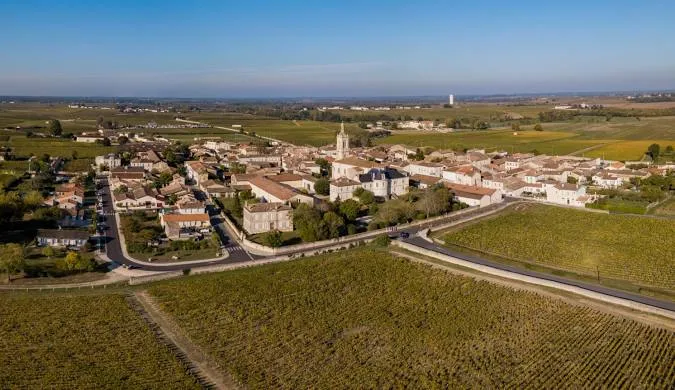
For travellers exploring Bordeaux, visiting Saint-Estèphe offers a different atmosphere from some of the more polished areas of the Médoc.
The vineyards feel slightly more rugged, the landscape quieter, and the estates often retain a traditional charm that reflects centuries of wine production.
Walking along the vineyards overlooking the Gironde estuary reveals the natural environment that shapes these wines. Gravel ridges, clay slopes, and maritime breezes all contribute to the distinctive structure that defines Saint-Estèphe.
Many visitors discover these contrasts while travelling through Bordeaux during a Saint Emilion Wine Tour, where tasting wines from different appellations reveals how geography and terroir shape the character of the region’s wines.
Experiencing Saint-Estèphe within this broader context often deepens appreciation for its unique identity.
Why Saint-Estèphe Matters in Bordeaux
Within the diverse landscape of Bordeaux wines, Saint-Estèphe represents strength, patience, and endurance. The wines rarely aim for immediate charm. Instead, they are built for time.
Their firm tannins, dark fruit profiles, and mineral depth reflect the clay-gravel soils that define the appellation. Over decades, these elements evolve into wines of remarkable complexity.
For wine lovers seeking to understand the structural side of Bordeaux, Saint-Estèphe offers one of the most compelling expressions in the Médoc.
The appellation demonstrates that greatness in wine does not always come from immediate elegance. Sometimes it emerges slowly, unfolding year after year, revealing its true character only to those willing to wait.
And in that sense, Saint-Estèphe perfectly embodies the long-term philosophy that has shaped Bordeaux for centuries.
