Sauvignon Blanc in Bordeaux: Freshness and Aromatics
When people think about the Bordeaux wine region, red wines often dominate the conversation. Yet Bordeaux also produces some of France’s most elegant and refreshing white wines. At the heart of many of these wines lies Sauvignon Blanc, a grape variety celebrated for its freshness, bright acidity, and expressive aromatics.
Across vineyards south of the city of Bordeaux, Sauvignon Blanc contributes vibrant character to the region’s white wines. Whether blended with Sémillon or crafted into lively dry wines, Sauvignon Blanc brings brightness and aromatic lift to Bordeaux whites.
For travellers exploring the region, tasting these wines often reveals a different side of Bordeaux during a Saint Emilion Wine Tour, where visitors encounter not only structured red wines but also the crisp, aromatic whites that highlight the diversity of the region.
Understanding Sauvignon Blanc in Bordeaux therefore offers a broader perspective on how the region balances power with freshness.
The Role of Sauvignon Blanc in Bordeaux
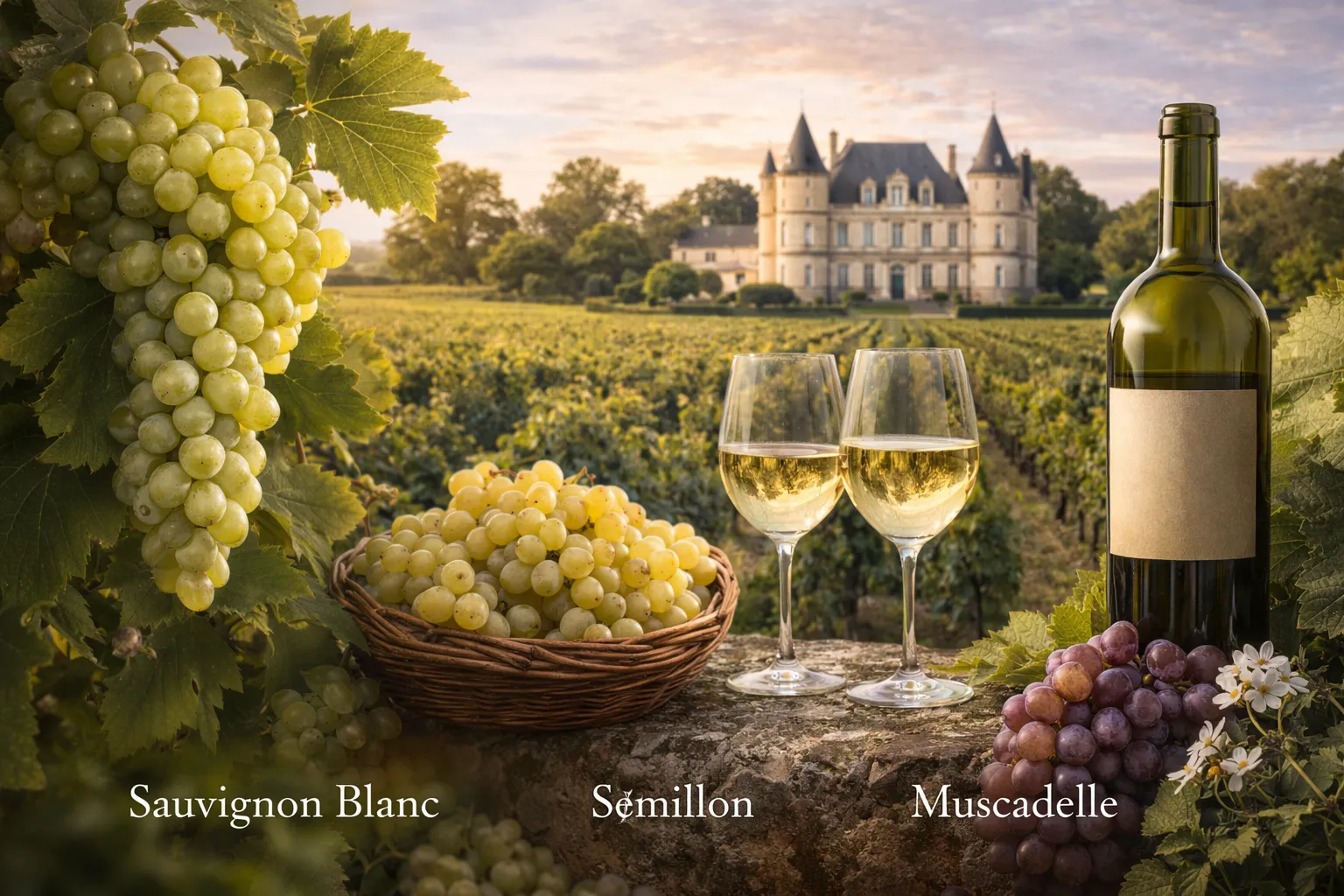
Sauvignon Blanc is one of the primary white grape varieties grown in Bordeaux. Although it rarely appears alone, it plays a crucial role in shaping the style of Bordeaux white wines.
The grape is prized for its vibrant acidity and aromatic intensity. In Bordeaux blends, it often contributes freshness and citrus-driven flavours, helping wines maintain balance and energy.
Sauvignon Blanc is typically blended with Sémillon, which adds texture and richness, and occasionally with Muscadelle, which contributes delicate floral notes.
Together these varieties create wines that combine freshness with depth
This blending approach allows Bordeaux white wines to express both vibrancy and structure.
The Aromatic Signature of Sauvignon Blanc
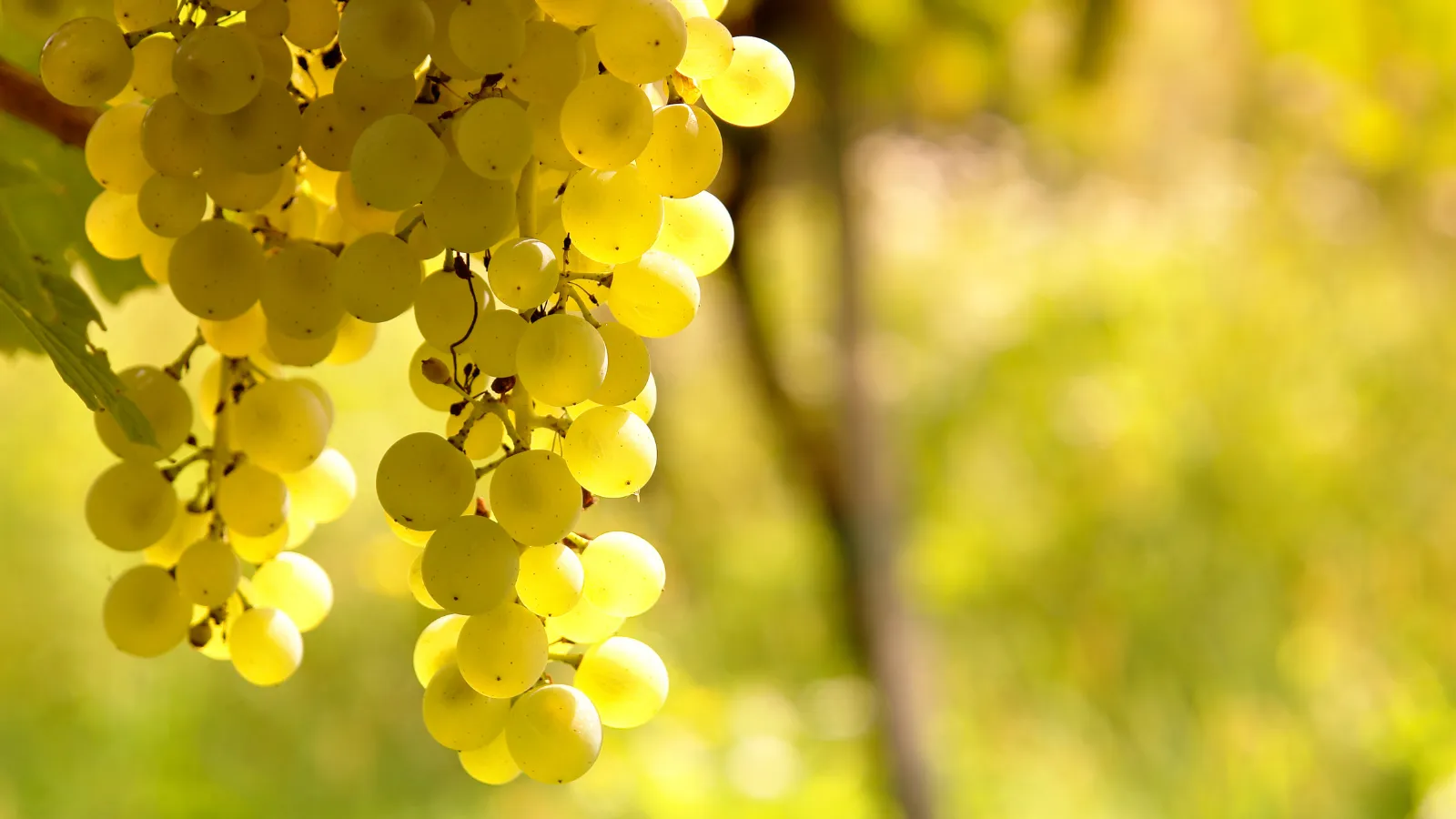
Sauvignon Blanc is widely recognised for its aromatic intensity.
In Bordeaux wines, Sauvignon Blanc typically expresses aromas of citrus, grapefruit, lime, green apple, and fresh herbs. Depending on vineyard conditions, subtle notes of gooseberry or tropical fruit may also appear.
The grape’s naturally high acidity enhances these aromas, creating wines that feel lively and refreshing.
Because of these characteristics, Sauvignon Blanc often acts as the aromatic driver of Bordeaux white blends.
Where Sémillon contributes weight and roundness, Sauvignon Blanc adds brightness and aromatic clarity.
This balance between texture and freshness is one of the defining characteristics of Bordeaux white wines.
Sauvignon Blanc and Bordeaux Terroir
The success of Sauvignon Blanc in Bordeaux is closely connected to the region’s terroir.
White wine vineyards are concentrated in areas south of the city of Bordeaux, where gravel and limestone soils provide excellent drainage.
These soils allow vines to develop deep roots while preventing excess water retention.
The region’s Atlantic climate also plays an important role. Mild temperatures and ocean influence help preserve the acidity that Sauvignon Blanc requires to maintain its freshness.
Together, soil and climate create conditions that allow Sauvignon Blanc to produce vibrant and expressive wines.
Travelling through vineyards around Pessac-Léognan reveals how Sauvignon Blanc vineyards thrive in these gravel landscapes.
Sauvignon Blanc in Bordeaux Blends
Although Sauvignon Blanc is highly aromatic, Bordeaux winemaking traditions emphasise blending.
Sauvignon Blanc contributes freshness and citrus aromas to the blend. Sémillon adds body, richness, and ageing potential.
Muscadelle may occasionally appear to introduce floral aromatics.
This combination allows winemakers to produce wines that are both refreshing and layered.
The resulting wines can range from light and vibrant to more structured expressions capable of ageing.
For readers interested in exploring the broader role of white wines in the region, the topic is explored further in Bordeaux White Wines: A Traveller’s Journey Through Freshness and Elegance, which explains how different grape varieties shape Bordeaux’s white wine identity.
Harvesting Sauvignon Blanc
Sauvignon Blanc is typically harvested earlier than many other Bordeaux grape varieties.
Early harvesting helps preserve the grape’s natural acidity and aromatic freshness.
Vineyard teams monitor sugar levels and acidity closely before harvest begins.
Because Sauvignon Blanc’s aromatics can fade quickly if grapes become overripe, harvest timing is particularly important.
Many estates harvest Sauvignon Blanc during the early morning hours when temperatures are cooler. This helps preserve delicate aromas.
Once harvested, grapes are transported quickly to the winery to begin fermentation.
Winemaking with Sauvignon Blanc
Inside the winery, Sauvignon Blanc requires careful handling to protect its aromatic character.
Grapes are usually pressed gently to extract juice while avoiding excessive bitterness.
Fermentation typically takes place in stainless steel tanks, which preserve the grape’s fresh fruit aromas.
Some estates may ferment a portion of the wine in oak barrels, adding texture and subtle complexity.
However, the goal is usually to maintain Sauvignon Blanc’s vibrant and refreshing style.
The balance between freshness and texture is carefully managed throughout the winemaking process.
Sauvignon Blanc and Ageing Potential
While many Sauvignon Blanc wines are enjoyed young, Bordeaux blends can develop additional complexity over time.
When blended with Sémillon and aged in oak, Sauvignon Blanc-based wines may evolve for several years in bottle.
Over time, bright citrus aromas may transform into notes of honey, dried herbs, and toasted nuts.
This ageing potential distinguishes Bordeaux white wines from many other Sauvignon Blanc styles around the world.
Rather than focusing purely on freshness, Bordeaux white wines aim to combine vibrancy with depth.
Experiencing Bordeaux White Wines
For travellers visiting Bordeaux, tasting Sauvignon Blanc-based wines offers a refreshing contrast to the region’s famous reds.
Walking through vineyards dedicated to white grapes reveals another dimension of the Bordeaux landscape.
Many visitors discover this diversity while exploring the region during a Saint Emilion Wine Tour, where tasting wines from different parts of Bordeaux highlights how grape varieties adapt to different soils and climates.
Experiencing Sauvignon Blanc wines within their vineyard environment often reveals how closely these wines are connected to the landscape.
Freshness at the Heart of Bordeaux Whites
Although Bordeaux is widely known for its red wines, Sauvignon Blanc plays an essential role in the region’s identity.
Through its vibrant acidity and expressive aromatics, the grape brings freshness and energy to Bordeaux white wines.
When blended with Sémillon and shaped by Bordeaux’s unique terroir, Sauvignon Blanc produces wines that combine brightness with elegance.
For wine lovers seeking to understand Bordeaux beyond its reds, Sauvignon Blanc provides a clear introduction to the region’s refreshing and aromatic side.
