The Rise of Château Pétrus: From Clay Soils to Global Icon
Among the most revered names in the Bordeaux wine region, Château Pétrus stands apart for a unique reason: it achieved global prestige without formal classification status. Unlike the Médoc’s First Growths or Saint-Émilion’s ranked estates, Pétrus rose outside official hierarchy — its reputation built instead on terroir, scarcity, and sustained performance.
Understanding how Pétrus became an icon requires looking beyond branding and into structure. Its rise was not accidental, nor purely market-driven. It was grounded in soil composition, blending philosophy, and strategic positioning at pivotal moments in Bordeaux’s commercial history.
For wine travellers seeking to understand the Right Bank properly before exploring its rarified names, grounding knowledge in context is essential. Experiencing Saint-Émilion through a structured Saint-Émilion Wine Tour provides a useful benchmark — clarifying how Pomerol, and Pétrus in particular, differ within the broader Bordeaux framework.
Pomerol: A Region Without Classification
One of the most striking aspects of Pétrus’ ascent is the absence of a formal classification system in Pomerol.
While the Médoc has its 1855 hierarchy and Saint-Émilion its periodically revised ranking, Pomerol operates without official tiers. Estates rise or fall purely through reputation, market demand, and critical recognition.
This lack of classification created both risk and opportunity. Without formal ranking, Pétrus could not rely on inherited prestige. It had to establish credibility through consistent quality and distinctive expression.
This freedom ultimately became strength.
The Terroir Advantage: Blue Clay and Precision
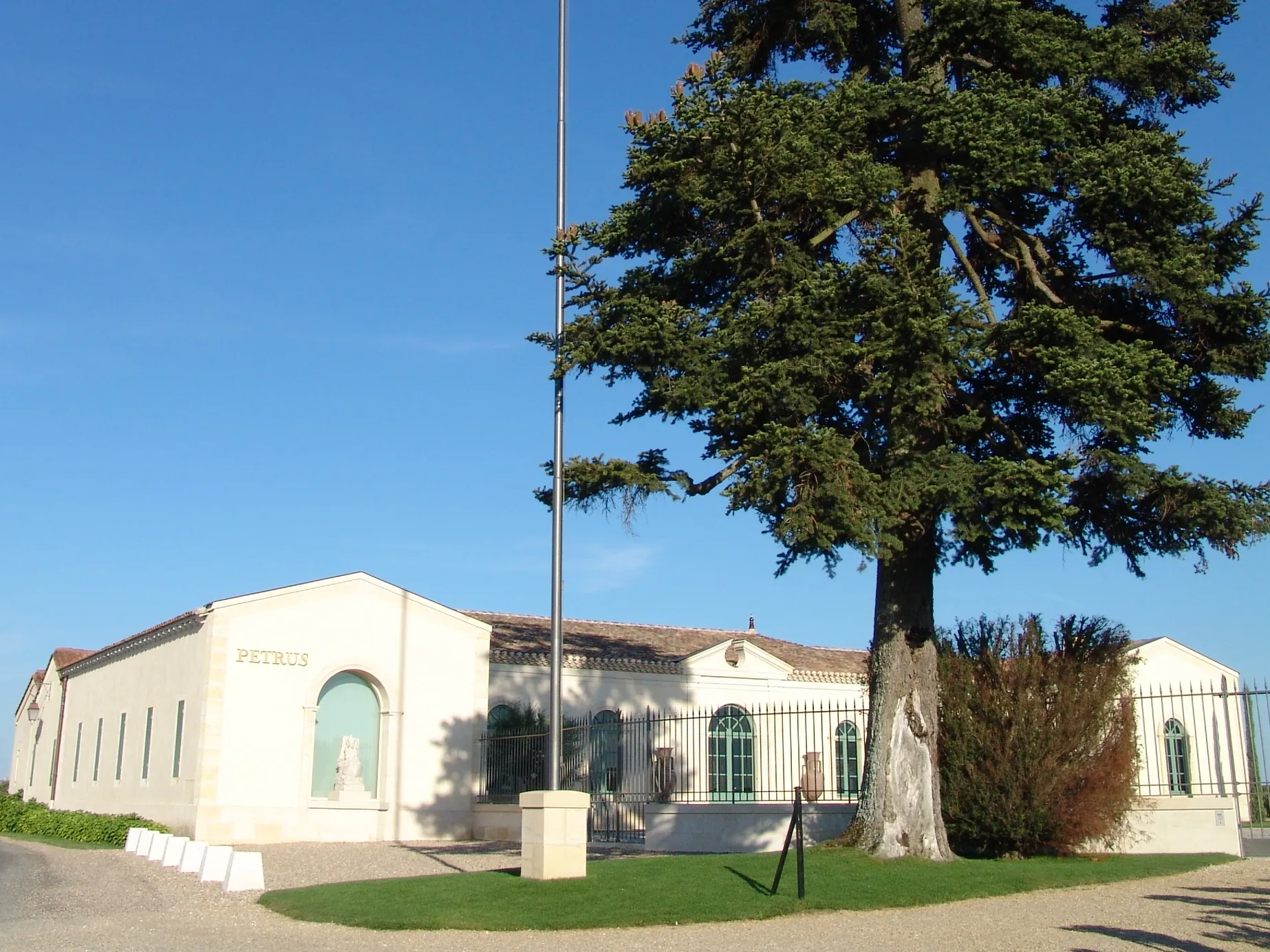
At the heart of Château Pétrus lies a unique terroir: a rare concentration of blue clay soils rich in iron content. Unlike gravel-dominated Left Bank sites or limestone-driven Saint-Émilion slopes, Pétrus sits on dense clay that retains water and moderates vine stress.
These conditions favour Merlot, producing wines of:
- Exceptional concentration
- Dense yet refined tannins
- Remarkable mid-palate depth
- Longevity beyond expectation for Merlot-based blends
The soil does not produce flamboyance. It produces cohesion.
Understanding this terroir explains why Pétrus behaves differently from many Merlot-dominant wines. It combines power with structural integrity — a rare balance.
The Shift from Modest Estate to Market Force
For much of its early history, Pétrus was not widely considered the pinnacle of Bordeaux. Its rise accelerated in the mid-20th century, aided by strategic distribution and increasing international attention.
Export markets, particularly in the United States, began to recognise Pétrus’ uniqueness. Scarcity amplified intrigue. Limited production volumes reinforced exclusivity.
Unlike estates that relied on classification to anchor price, Pétrus relied on performance in bottle and growing global demand.
This shift marked a turning point: prestige no longer depended solely on hierarchy.
Style: Why Pétrus Feels Different
In youth, Château Pétrus can feel reserved yet powerful. Tannins are firm but velvety. Aromatics are deep rather than bright. With age, the wine develops extraordinary complexity — truffle, earth, subtle spice — while maintaining structural harmony.
This ageing curve distinguishes Pétrus from many Merlot-driven wines that prioritise early generosity. Its clay foundation provides a backbone rarely associated with Merlot dominance.
This structural balance is central to its reputation.
Scarcity and Perception
Pétrus produces limited quantities compared to many classified Médoc estates. Scarcity reinforces exclusivity, and exclusivity amplifies demand.
However, scarcity alone does not sustain icon status. The wine must consistently justify expectations. Over decades, Pétrus demonstrated ageing capacity and vintage resilience, strengthening market confidence.
Collectors value predictability. Pétrus delivered it.
Market Evolution and Global Influence
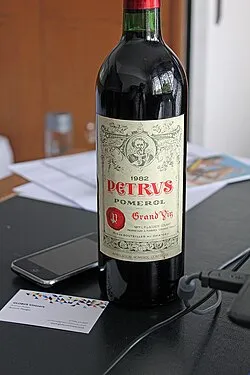
As global fine wine markets expanded, Pétrus became a benchmark for Right Bank prestige. Auction houses increasingly positioned it alongside — and sometimes above — First Growth wines.
This market positioning reshaped the perception of Pomerol entirely. A region once overshadowed by classification-heavy neighbours became a symbol of understated excellence.
Pétrus did not follow the Bordeaux hierarchy. It redefined part of it.
Why Pétrus Matters Beyond Pomerol
The rise of Château Pétrus demonstrates that classification is not the only path to global recognition. Terroir integrity, strategic distribution, and sustained quality can build prestige independently.
For serious wine lovers, Pétrus offers a case study in how Bordeaux evolves. It shows that even within a tradition-bound region, flexibility exists.
Prestige can be earned outside official systems — provided substance supports it.
Pétrus Compared to the First Growths
Although Château Pétrus is not part of the 1855 Classification, it is frequently discussed alongside the Bordeaux First Growths. This comparison is instructive.
First Growth estates are anchored in gravel soils and Cabernet Sauvignon dominance, characteristics typically associated with the Left Bank. Understanding Left Bank vs Right Bank Bordeaux Wines clarifies why Pétrus, rooted in Pomerol’s clay soils and Merlot-driven blends, expresses Bordeaux in a fundamentally different structural style.
Yet the two share crucial similarities:
- Longevity beyond typical expectations
- Structural balance rather than simple richness
- Consistent performance across vintages
Where First Growths express endurance through a tannic framework, Pétrus expresses it through density and cohesion. Both achieve ageing harmony — but through different geological foundations.
This parallel is why Pétrus commands similar respect, even without classification.
Collector Psychology and Pricing Logic
The market for Château Pétrus operates as much on psychology as on terroir.
Collectors are drawn to:
- Scarcity
- Consistent critical acclaim
- Demonstrated ageing performance
- Symbolic status
Because Pomerol lacks classification tiers, Pétrus became its de facto benchmark. This concentration of reputation intensifies demand.
Pricing reflects this dynamic. Pétrus often rivals — and in certain vintages exceeds — First Growth prices. This reinforces the perception of parity, creating a feedback loop between value and prestige.
However, sustained pricing depends on continued bottle performance. Over decades, Pétrus has largely validated expectations.
Vintage Variation and Structural Resilience
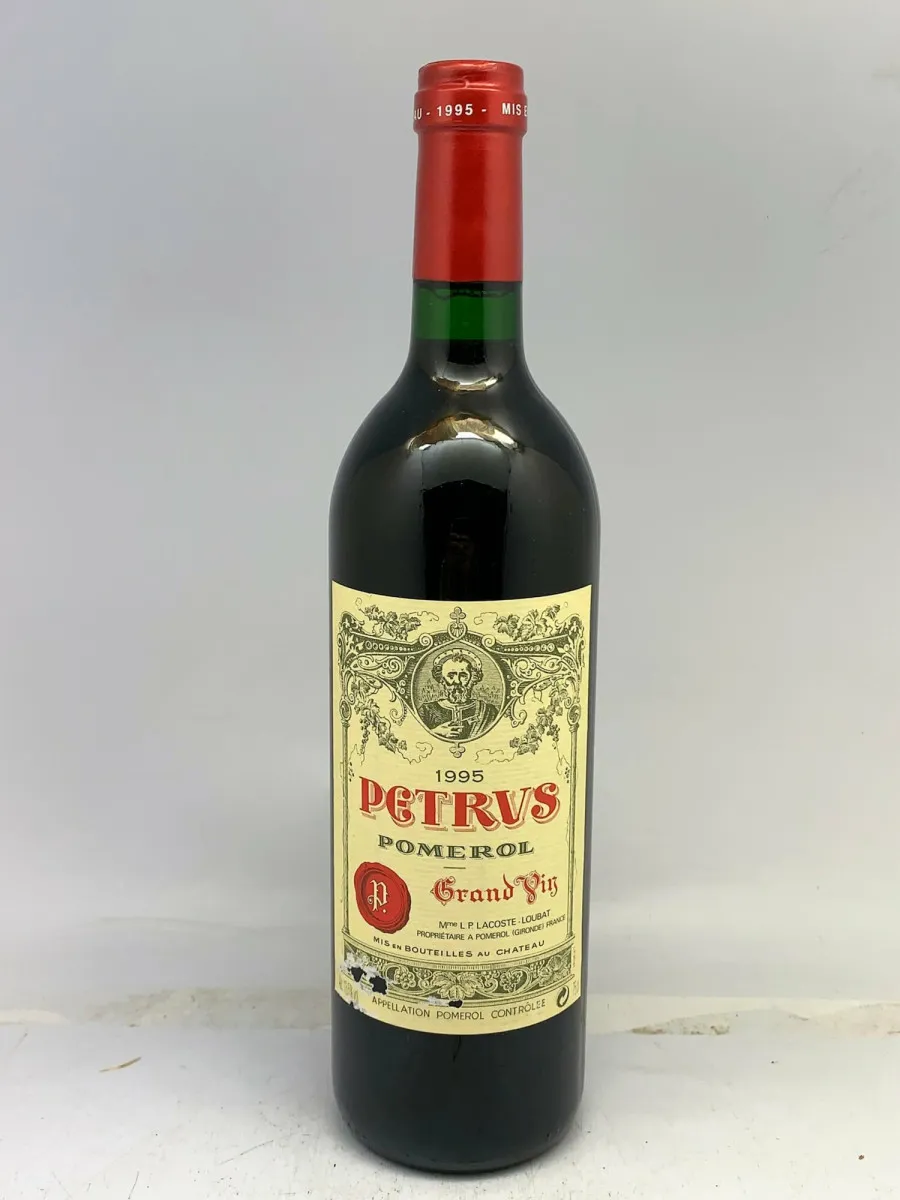
Like all Bordeaux estates, Pétrus is subject to vintage variation. Climatic shifts affect ripening patterns, tannin development, and aromatic complexity.
What distinguishes Pétrus is its structural resilience. The clay soils moderate stress during hot vintages and retain sufficient moisture during drought. This stability often produces wines that maintain balance even in challenging years.
Collectors value this predictability. It reduces risk and strengthens long-term confidence.
Understanding vintage nuance remains essential, but Pétrus’ terroir offers built-in consistency.
The Role of Distribution and Strategic Positioning
The rise of Château Pétrus cannot be separated from its distribution strategy. Careful allocation to influential markets helped cultivate an international reputation.
Unlike estates tied closely to historical merchant structures, Pétrus benefited from focused export positioning during key growth periods in the global fine wine market.
This strategic awareness amplified its terroir advantage. Quality created credibility; distribution amplified visibility.
The combination proved powerful.
Pétrus and the Broader Bordeaux Hierarchy
The ascent of Pétrus reshaped perception within the Bordeaux wine region. It demonstrated that prestige could emerge outside formal systems. It also elevated Pomerol’s standing globally.
Today, Pétrus functions as:
- A benchmark for Merlot expression
- A symbol of Right Bank excellence
- A counterbalance to classification-bound prestige
Its existence reminds observers that Bordeaux’s hierarchy is not solely defined by administrative ranking.
Terroir, consistency, and market evolution all play decisive roles.
Myth Versus Structure
Over time, Pétrus accumulated myth. Stories of scarcity, celebrity collectors, and record auction prices contribute to its aura.
Yet beneath mythology lies structure:
- Singular blue clay terroir
- Disciplined blending
- Long-term vineyard stewardship
Without these foundations, myth would fade. Pétrus’ endurance suggests that substance precedes narrative.
A Closing Reflection
Château Pétrus did not inherit prestige through classification. It earned it through soil, structure, and sustained performance.
Its rise from modest Pomerol estate to global icon reveals much about Bordeaux’s flexibility. Within a region often perceived as rigidly hierarchical, Pétrus proves that reputation can grow organically when terroir integrity and market awareness align.
For wine lovers seeking to understand how the Right Bank differs from the Left — and why estates like Pétrus command such attention — grounding exploration in context is essential. Experiencing the region through a structured Saint Emilion Wine Tour provides that foundation, clarifying how terroir, scarcity, and structure intersect across Bordeaux’s evolving hierarchy.
