Terroir: How Soils and Climate Shape Bordeaux Wines and Tours
Book your Saint-Émilion wine tour today and explore how the soils, slopes, and climate of Bordeaux vineyards shape the wines you love. From Saint-Émilion’s limestone hills to Médoc’s gravelly plains, understanding terroir enhances every sip and every step of your tour.
When exploring the vineyards of Bordeaux, one concept reigns supreme: terroir. This French term reflects the interaction of soil, climate, topography, grape variety, and human expertise, all contributing to the character of the wine in your glass.
Bordeaux’s terroir is diverse. The gravel soils of the Médoc produce structured Cabernet Sauvignon, while Saint-Émilion’s limestone-rich vineyards foster elegant, mineral-driven Merlot. Touring these vineyards allows you to see how environmental factors and centuries of winemaking tradition intersect.
What Defines Terroir?
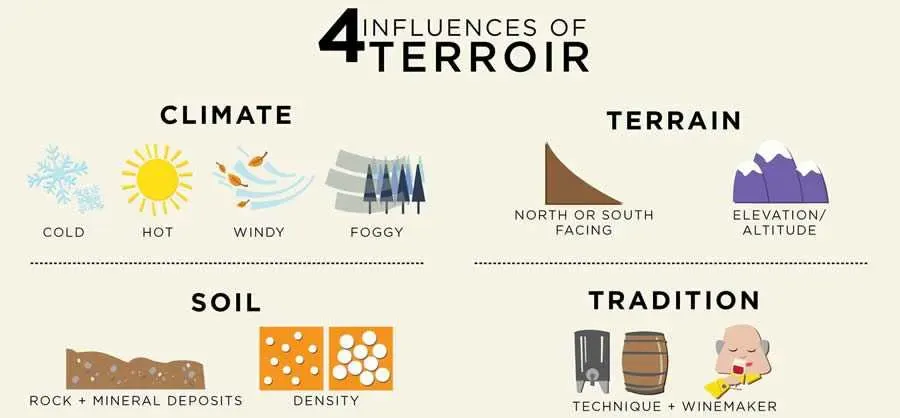
Terroir is influenced by:
- Climate: Temperature, rainfall, and sunlight affect grape ripening.
- Soil: From gravel to limestone, soil affects drainage, nutrients, and flavours.
- Topography: Elevation, slope, and orientation impact sunlight exposure and microclimates.
- Winemaking Tradition: Human expertise amplifies terroir expression.
Terroir Across Bordeaux Vineyards
Bordeaux’s diversity creates wines with unique character in each appellation:
- Médoc: Gravel soils producing bold Cabernet Sauvignon with strong tannins.
- Saint-Émilion: Limestone-rich soil giving mineral-driven, elegant Merlot and Cabernet Franc.
- Pomerol: Clay-rich soils enhancing roundness and depth in Merlot.
- Graves: Sandy and gravelly soils producing both robust reds and crisp whites.
Historical Insights into Terroir
The concept of terroir has evolved over centuries. John Locke, visiting Bordeaux in 1677, remarked on the particularity of Château Haut-Brion’s soil. In the 18th century, Abbot Arnoux highlighted Montrachet’s unique Côte d’Or strip. Initially, a vin terroité meant rustic wines with earthy notes; today, it defines the sought-after identity of wines worldwide.
Terroir is also closely tied to soil. For example, Chablis, grown in Kimmeridgian chalk, expresses distinct flinty-iodine notes that are impossible to replicate elsewhere. In Bordeaux, Médoc’s gravel and Saint-Émilion’s limestone produce similarly distinguishable profiles.
Four Core Traits of Terroir
- Climate: Warm regions generate higher sugar levels and alcohol; cooler areas preserve acidity. Médoc Cabernet Sauvignon shows more acidity than Oakville Cabernet Sauvignon due to the cooler Bordeaux climate.
- Soil: Soil types influence mineral expression and vine health. South African granitic soils, for example, reduce acidity in grapes and produce distinct tasting notes.
- Topography: Elevation, slope, proximity to rivers, and microclimates affect grape quality. Mendoza’s high-altitude Malbec demonstrates how elevation preserves acidity and enhances flavour.
- Tradition: Long-standing winemaking practices, including fermentation and barrel ageing techniques, integrate human expertise with environmental factors, creating a wine’s distinct character.
Experiencing Terroir on Bordeaux Tours
A wine tour in Bordeaux is the best way to experience terroir firsthand. Walking or cycling through vineyards, tasting wines in context, and observing the slopes, soils, and microclimates give an unmatched understanding of the region. Read more about Bordeaux vineyards in winter to see how seasonal changes affect the vines and tasting experience.
Whether exploring Saint-Émilion’s limestone hills or Médoc’s gravelly expanses, each vineyard tells the story of its terroir. Combining historical insight, scientific understanding, and sensory experience, your tour becomes a journey into Bordeaux’s essence.
Ready to discover the secrets of Bordeaux’s terroir? Book your Saint-Émilion wine tour now and taste the difference for yourself!
Conclusion
Understanding Bordeaux’s terroir deepens appreciation for its wines and enriches every tasting. From soil to climate to human tradition, each bottle embodies the region’s character. Experiencing these vineyards on a guided tour transforms wine drinking into a fully immersive cultural and sensory adventure.
Delete
