What Happens to Vineyards in Bordeaux Over Winter?
Experience Bordeaux’s vineyards first-hand on a Saint-Émilion wine tour, where you can see how winter vineyard work, terroir, and climate shape the wines of one of the world’s most famous wine regions.
Bordeaux has a long and proud history that spans more than 2,000 years. It’s considered the most famous wine region in the world and home to over 8,000 châteaux and 13,000 wine growers. With more than sixty appellations and sixty-one grand cru Classés, Bordeaux is the largest fine wine-producing region on Earth, producing around six million hectolitres of wine every year.
Wine production in Bordeaux began when the Romans introduced vines in 43 AD. This deep-rooted history, combined with terroir and climate, continues to define Bordeaux wines today.
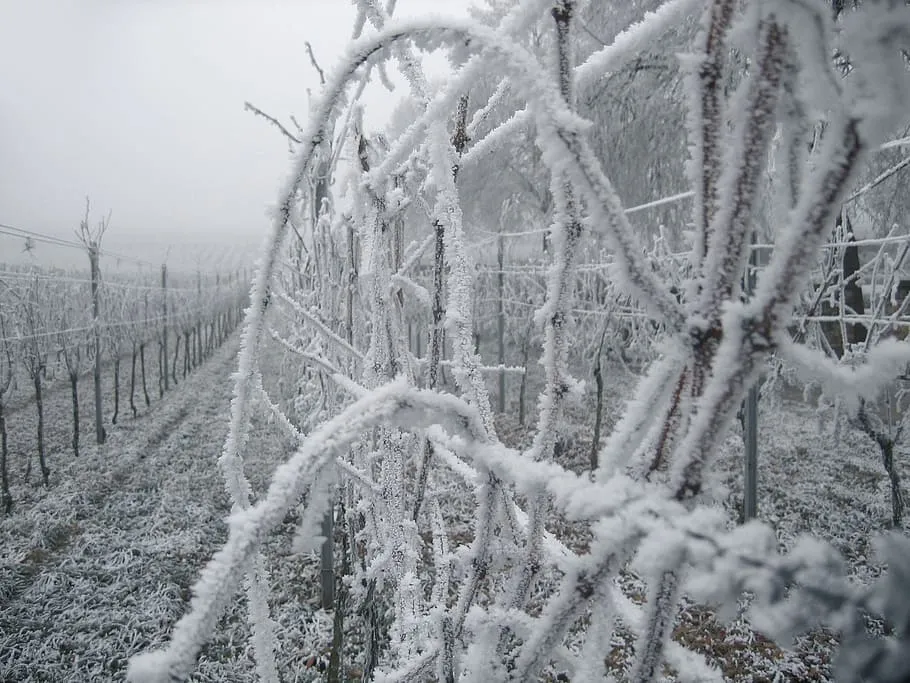
Climate and Overview of Bordeaux
The vineyards of Bordeaux lie on the 45th parallel, halfway between the Equator and the North Pole, similar to the Northern Rhône Valley. The region benefits from a temperate maritime climate, with an average annual temperature of around 13°C. Weather conditions vary significantly from year to year, directly influencing grape ripening and wine quality.
Bordeaux wine country is divided into two major areas: the Left Bank and the Right Bank, separated by the Gironde Estuary and the Garonne and Dordogne rivers.
The Left Bank
The Left Bank stretches between the Atlantic Ocean and the Gironde River. Gravel-dominated soils provide excellent drainage and heat retention, favouring Cabernet Sauvignon. These conditions produce structured wines with firm tannins and long ageing potential.
The Right Bank
The Right Bank is characterised by clay and limestone soils that retain moisture, making them ideal for Merlot-based blends. These wines are typically rounder and more approachable when young, while top examples age gracefully.
Over 90% of Bordeaux wines are dry reds. White wines are mainly produced in Entre-deux-Mers, Graves, and Pessac-Léognan, while Sauternes, Barsac, and Cadillac are renowned for sweet wines.
The Secret to Making Great Wine Is a Strong Vine
Bordeaux vineyards average around 10,000 vines per hectare. Poor soils and moderate rainfall of approximately 900mm per year force vines to compete for water and nutrients. This natural stress encourages deeper root systems and lower yields, resulting in concentrated grapes.
Roots can extend up to six metres underground, allowing vines to access nutrients and remain protected during winter frosts. This resilience is essential for consistent grape quality.
The Winter Cycle in a Bordeaux Vineyard
Winter in Bordeaux typically runs from November to late March. Although vineyards appear dormant, this period is critical for vineyard management and preparation for the next growing season.
What Happens When Vines Go Dormant?
After harvest, usually between late September and early October, vines gradually slow down. Falling temperatures and shorter days trigger dormancy, allowing the vine to conserve energy.
Leaves fall, photosynthesis stops, and carbohydrates are stored in the trunk and roots. While growth halts above ground, roots remain active below the surface, strengthening the vine ahead of spring.
Physiological changes within the vine help prevent freezing, including reduced water content in cells. As temperatures rise in late winter, sap flow resumes, leading to budburst.
The Great Freeze of 1956
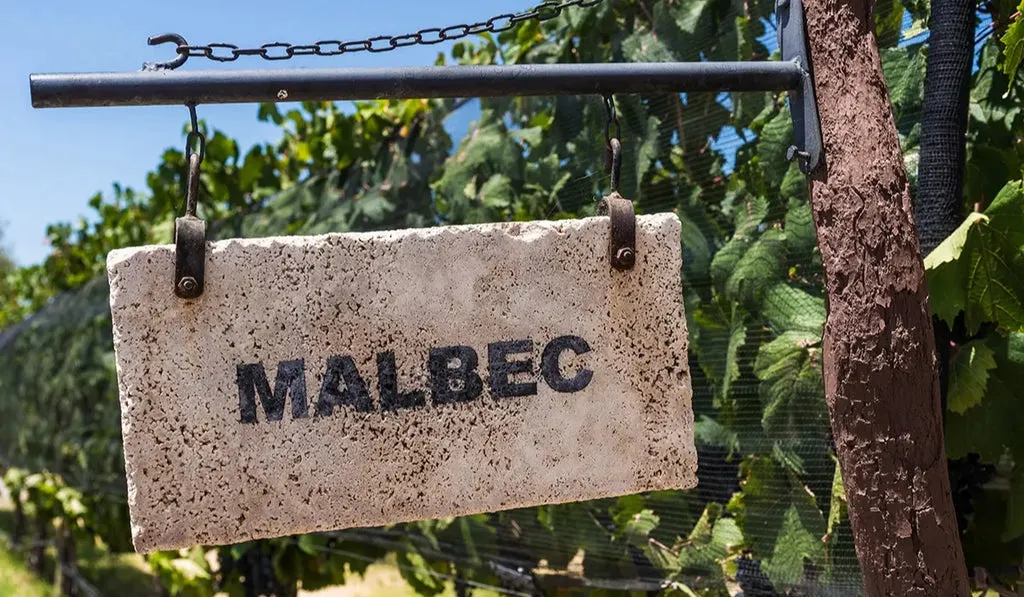
The most devastating winter event in Bordeaux occurred on 21 February 1956, when temperatures plunged to -25°C. Sap froze inside the vines, killing vineyards across both banks.
Malbec suffered the greatest losses, with around 75% of plantings destroyed. The aftermath reshaped Bordeaux, accelerating the dominance of Cabernet Sauvignon and Cabernet Franc. Prior to the freeze, white grapes accounted for 60% of plantings; today, they represent just 8%.
Primary Grape Varieties in Bordeaux
Bordeaux permits thirteen grape varieties across its appellations, with blending central to the region’s identity.
Red Grape Varieties
Merlot dominates with approximately 66% of vineyard plantings. Cabernet Sauvignon accounts for 22.5%, while Cabernet Franc represents around 9.5%. Petit Verdot, Carménère, and Malbec together make up roughly 2%, contributing structure and complexity.
White Grape Varieties
Sémillon represents about 45% of white plantings, followed by Sauvignon Blanc at 43% and Muscadelle at 5%. Smaller amounts of Merlot Blanc, Colombard, Sauvignon Gris, and Ugni Blanc are also grown.
In response to climate change, Bordeaux approved new grape varieties in 2021, including Arinarnoa, Castets, Marselan, Touriga Nacional, Liliorila, and Alvarinho.
Winter Vineyard Tasks
While wines mature in the cellar, vineyard teams focus on essential winter work, ensuring vines are healthy and ready for spring.
Vine Pruning
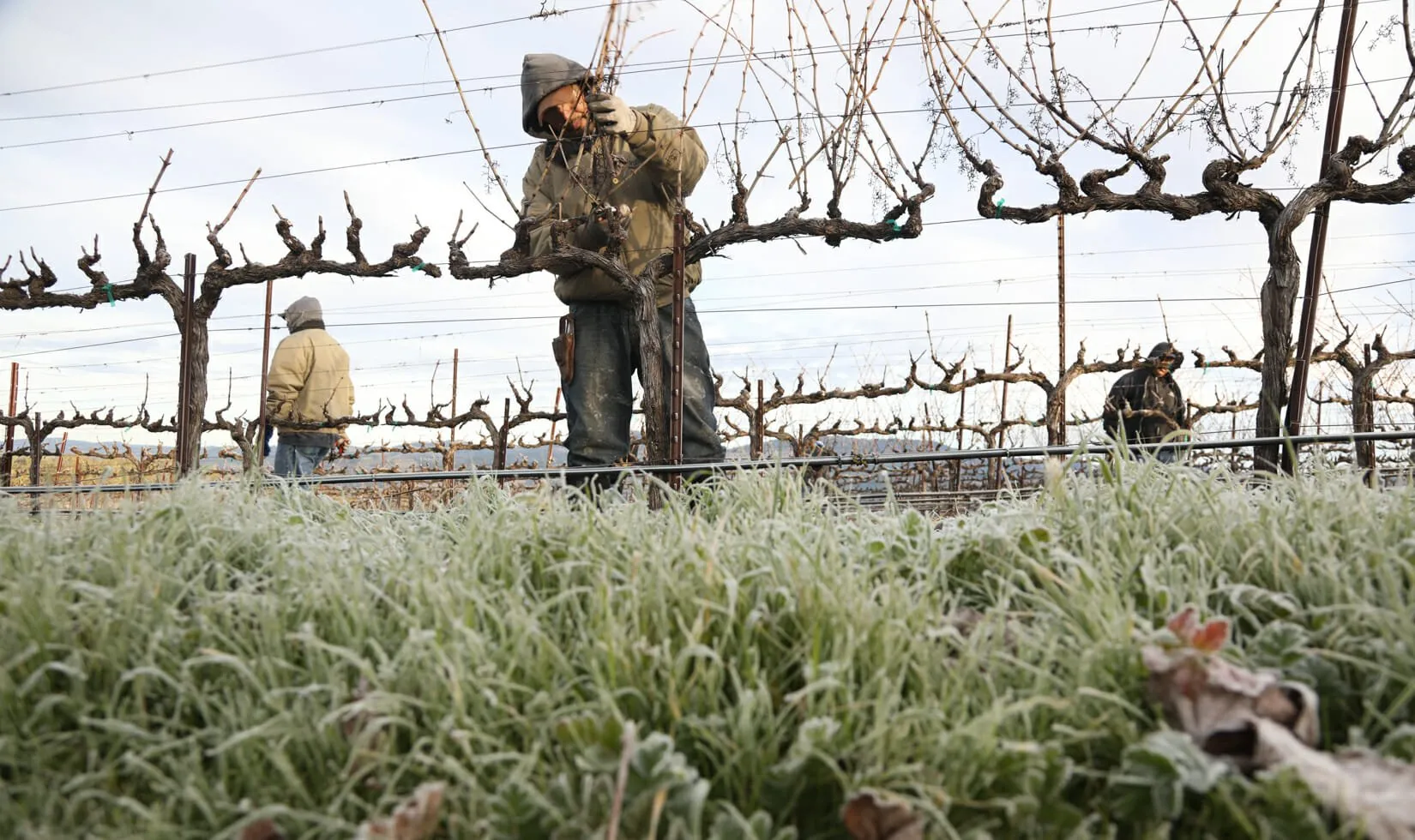
Pruning is one of the most important vineyard tasks. Conducted while vines are dormant, it determines yield and quality for the following harvest.
Each vine is pruned by hand. A skilled worker manages around 700 vines per day using manual tools, or up to 1,500 with electric secateurs. Pruning begins in November and must be completed before budburst in March.
Up to 90% of old shoots are removed, with careful selection of fruit-bearing canes. On a Saint-Émilion wine tour, you can meet winemakers who explain this process directly in the vineyard.
Repairs and Vineyard Maintenance
- Inspection and repair of trellises, stakes, and wires
- Soil management through tilling and cover crops
- Monitoring for disease and pests
- Replanting damaged or dead vines
Protecting Vines from Winter Cold
Although severe frosts are rare, growers mound soil around graft points to protect vines. Cover crops help prevent erosion and manage excess water during wet winters.
Spring Frost Protection
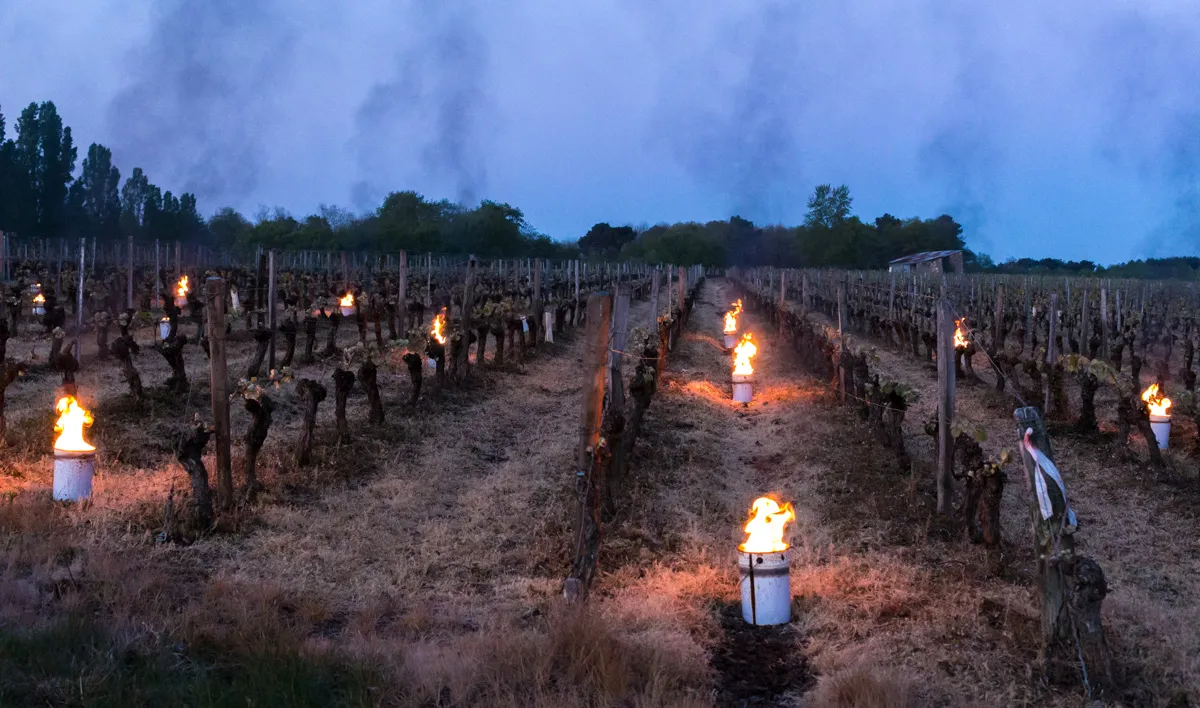
As sap begins to rise in late winter, vines become vulnerable to frost. Growers use methods such as candles, wind machines, sprinklers, heaters, and, in rare cases, helicopters to protect buds during cold nights.
Conclusion
Winter may appear quiet in Bordeaux vineyards, but it is one of the most important periods of the year. Pruning, soil care, and frost protection ensure healthy vines and high-quality grapes for the next harvest.
To deepen your understanding of Bordeaux’s vineyards and terroir, explore our articles on Château Ausone and Château Cheval Blanc, or read more about Bordeaux vineyards in winter.
Ready to experience it yourself? Join a Saint Emilion Wine tour and see how winter vineyard work, terroir, and tradition shape Bordeaux’s most celebrated wines.
