Which Bordeaux Wines Are Worth Tasting First (and Why)
For many visitors, tasting wine in Bordeaux begins with a familiar problem: too much choice, too little structure. Appellations blur together, famous names dominate attention, and tastings quickly become a sequence of impressions rather than understanding. The result is often fatigue rather than clarity.
Knowing which Bordeaux wines are worth tasting first has little to do with prestige and everything to do with sequence. Bordeaux is not designed to be consumed randomly. It is a system — one that reveals itself most clearly when wines are approached in the right order, for the right reasons.
For wine travellers seeking to build that understanding from the outset, anchoring the experience early matters. Beginning with a structured Right Bank reference through a Saint Emilion Wine Tour establishes a clear stylistic baseline, making it far easier to recognise how other Bordeaux wines differ, evolve, and relate.
Why “Must-Try” Lists Usually Fail in Bordeaux
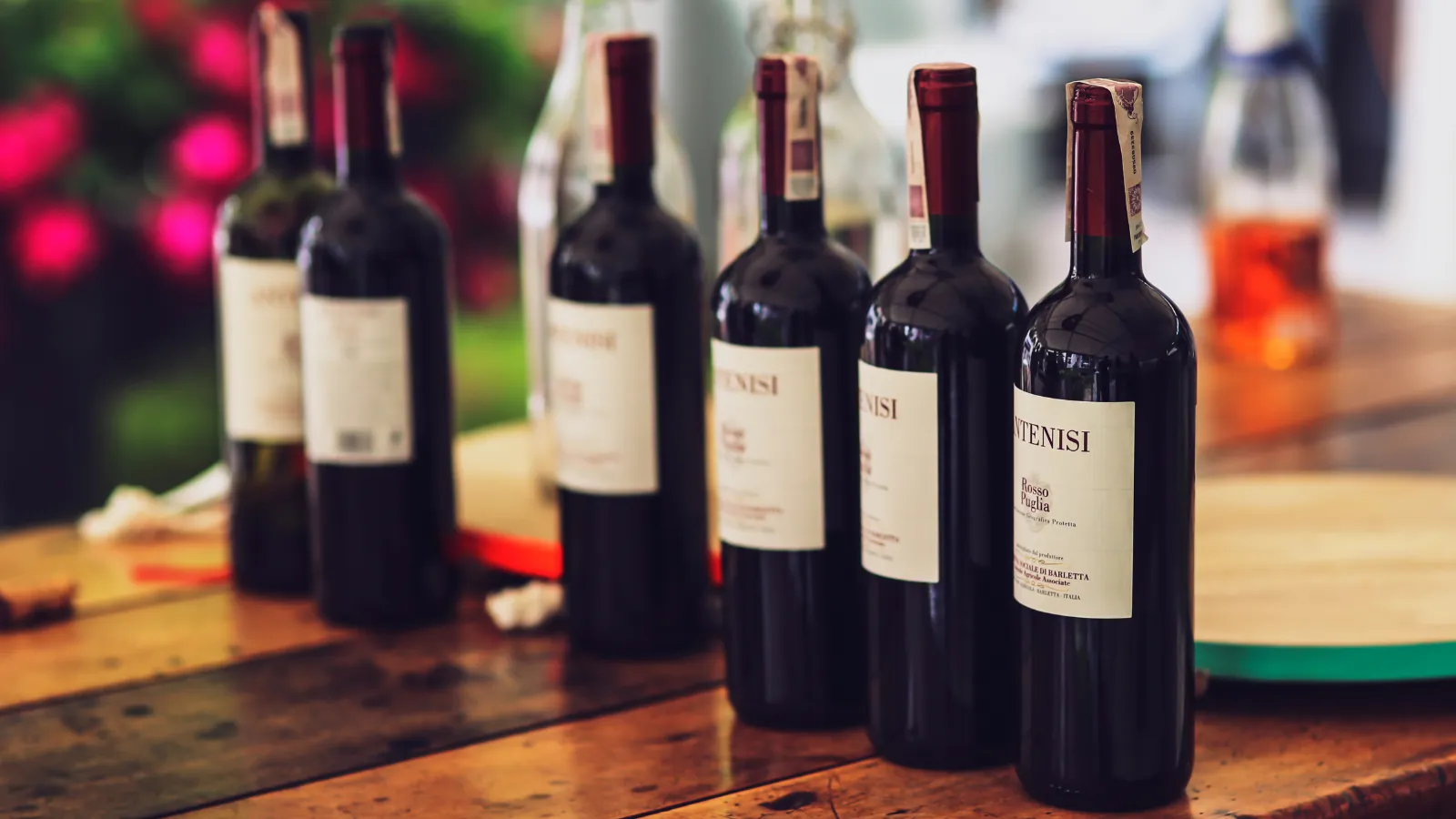
The idea of “must-try wines” works poorly in Bordeaux because the region is not built around singular expressions. It is built around comparison.
Lists that jump from Médoc to Saint-Émilion to sweet wines in Sauternes often feel comprehensive, yet they flatten nuance. Without context, power feels like quality, and reputation substitutes for understanding.
Bordeaux wines are best tasted progressively, not selectively. The goal is not to chase famous labels, but to read structure: how acidity, tannin, fruit, and alcohol are balanced differently across the region.
This is why the question is not which wines are famous, but which wines explain Bordeaux most clearly.
Start With Balance, Not Power
One of the most common mistakes wine lovers make in Bordeaux is starting with the most powerful wines. Dense Left Bank reds or heavily extracted styles can overwhelm the palate before it has learned how Bordeaux speaks.
The smarter starting point is balance.
Wines that prioritise freshness, moderate structure, and clarity of fruit allow the palate to calibrate. They teach what Bordeaux considers “normal” before showing what it considers exceptional.
This is especially important for those new to wine tasting in France, where subtlety often carries more meaning than impact.
Understanding Bordeaux Through Style, Not Labels
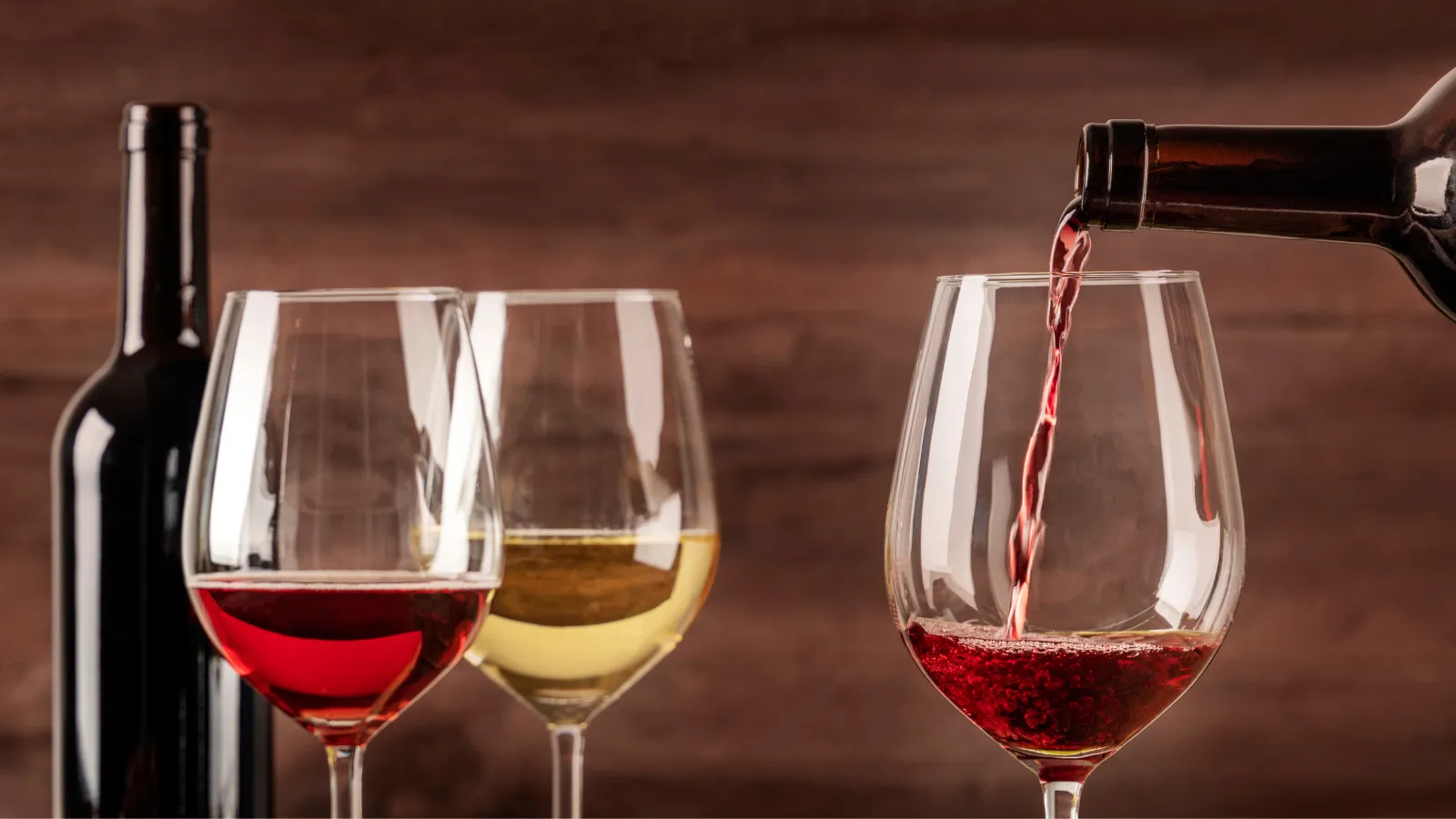
Rather than thinking in appellations first, it is more useful to think in styles.
Bordeaux broadly expresses itself through a few recurring ideas:
- Structured vs supple
- Early-drinking vs age-worthy
- River-influenced vs inland
- Cabernet-led vs Merlot-led
Once these ideas are clear, appellations make sense. Without them, names remain abstract.
This is why tasting priority should be based on what a wine teaches, not where it comes from.
Merlot-Driven Wines as an Entry Point
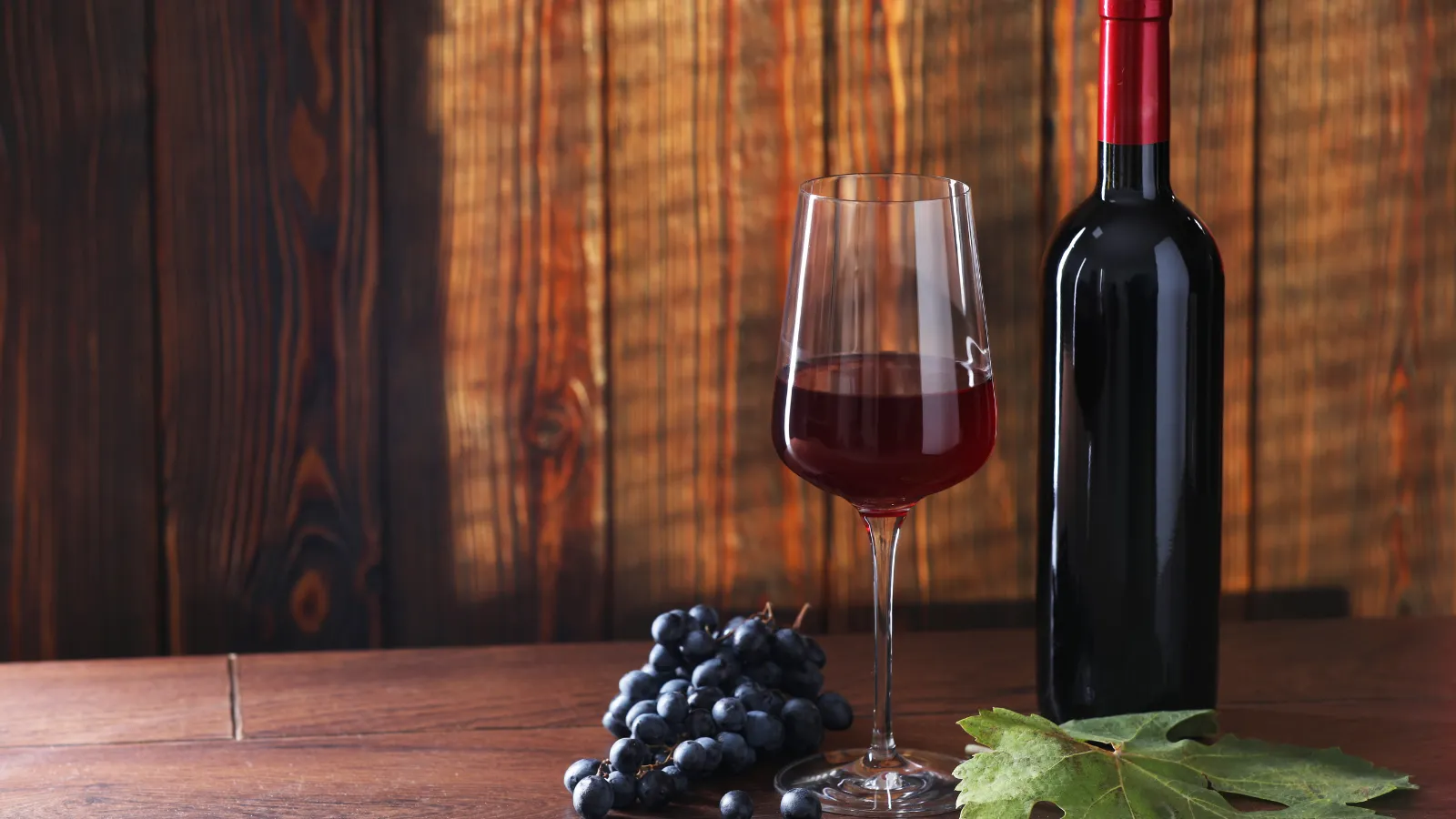
Merlot-dominant wines are often the most accessible starting point in Bordeaux. They tend to offer roundness, immediate fruit, and softer tannins — qualities that allow the palate to engage without resistance. Understanding why this grape performs so well in the region becomes clearer when exploring The Secret Life of Merlot: Why It Thrives in Bordeaux’s Clay Soils, which explains the relationship between clay soils, structure, and Bordeaux’s most widely planted grape.
These wines introduce key Bordeaux concepts gently:
- Blending rather than varietal purity
- Structure without aggression
- Savoury elements alongside fruit
They also provide a useful contrast later when Cabernet-driven wines appear, highlighting how structure shifts across the region.
Cabernet Sauvignon and the Language of Structure
Cabernet Sauvignon expresses Bordeaux’s long-term thinking. It builds slowly, both in the vineyard and in the glass. Wines driven by Cabernet often feel restrained in youth, prioritising framework over generosity.
For tasting order, this means Cabernet-dominant wines should come after more supple styles. When tasted too early in a sequence, they can feel austere. When tasted with context, they feel deliberate.
This progression is essential to understanding Bordeaux wine as a philosophy rather than a flavour profile.
Dry White Bordeaux: Often Overlooked, Highly Instructive
Dry white Bordeaux wines are frequently ignored by visitors focused solely on reds. This is a missed opportunity.
These wines showcase:
- Freshness shaped by Atlantic influence
- Blending logic applied to whites
- Texture over aromatics
They are particularly effective early in a tasting journey, sharpening the palate and reinforcing Bordeaux’s emphasis on balance rather than exuberance.
Understanding white Bordeaux also clarifies how the region thinks across colours, not just styles.
Sweet Wines as Context, Not Conclusion
Sweet Bordeaux wines, often treated as grand finales, actually function better as contextual markers. They demonstrate how acidity, sugar, and structure interact — principles that underpin all Bordeaux wines.
Tasted with intention, they reinforce the idea that Bordeaux prioritises harmony, regardless of style.
Building a Logical Tasting Progression
A well-constructed Bordeaux tasting journey might move through:
- Fresh, balanced entry styles
- Supple Merlot-led wines
- Structured Cabernet-driven expressions
- Whites and sweets are used strategically for contrast
This progression trains perception rather than overwhelming it.
The aim is not to taste everything, but to understand how everything fits.
Why First Tastings Shape Long-Term Perception
The wines tasted first in Bordeaux often shape how the region is remembered. Starting with overly powerful or prestigious wines can distort perception, making everything else feel secondary.
Starting with clarity builds confidence. It allows wine lovers to recognise intention rather than reacting emotionally.
This is why which Bordeaux wines to taste first is not a trivial question — it is foundational.
How Tasting Priorities Should Evolve Over Several Days in Bordeaux
One of the advantages of spending several days in Bordeaux is that tasting priorities can evolve rather than repeat. What feels essential on day one often feels redundant by day three. This is not a flaw in Bordeaux’s diversity, but a reminder that the region rewards progressive understanding, not accumulation.
After establishing balance and structure early on, wine lovers can begin to explore nuance. This is when differences between communes, blends, and soil types become more legible. Wines that initially felt similar begin to separate into distinct voices.
The mistake many visitors make is treating every day as a reset. Bordeaux works best when tastings build upon one another, allowing memory and comparison to sharpen perception. The region reveals itself cumulatively, not episodically.
Common Tasting Mistakes That Flatten the Experience
Even experienced wine lovers can unintentionally flatten their Bordeaux experience by falling into predictable traps.
One of the most common is chasing labels rather than logic. Prestige-heavy tastings often crowd similar wines together, overwhelming the palate and obscuring structure. Another is ignoring pacing — tasting too many powerful wines back-to-back without allowing the palate to recalibrate.
A subtler mistake is confusing intensity with quality. Bordeaux wines are rarely designed to impress instantly. Their strength lies in proportion. When tasted without context, restraint can be misread as absence.
Understanding these pitfalls helps explain why wine tasting in France, and Bordeaux in particular, benefits from intention more than enthusiasm.
How Prioritisation Changes the Way Bordeaux Tastes
Once the tasting order is handled thoughtfully, Bordeaux begins to feel less imposing and more articulate. Wines that once seemed austere start to feel precise. Differences that once felt academic become sensory.
This shift is especially noticeable when revisiting wines after establishing context. A structured Cabernet-led wine, tasted after balanced Merlot-driven examples, feels deliberate rather than severe. Whites tasted at the right moment feel architectural rather than secondary.
This is the point at which Bordeaux stops being “difficult” and starts being coherent.
Seeing the Bordeaux Wine Region as a System
The idea of prioritisation ultimately leads to a broader insight: Bordeaux is not a collection of isolated appellations. It is a system.
Rivers shape climate. Climate shapes grape choice. Grape choice shapes blending. Blending shapes ageing potential. Ageing potential shapes reputation. Reputation shapes pricing. Pricing shapes perception.
Each part reinforces the others. When tastings follow this logic, Bordeaux becomes easier to understand — and far more rewarding.
This systemic clarity is one of the reasons Bordeaux remains such a powerful reference point within wine routes in France. It does not rely on novelty. It relies on coherence.
Why First Impressions Matter So Much in Bordeaux
The first wines tasted in Bordeaux often define a visitor’s long-term relationship with the region. A poorly structured introduction can make Bordeaux feel heavy, conservative, or repetitive. A well-considered one reveals precision, balance, and intent.
This is why deciding which Bordeaux wines are worth tasting first is not about ticking boxes. It is about setting the tone for everything that follows.
When the foundation is sound, exploration becomes intuitive rather than exhausting.
Integrating Understanding With Experience
At a certain point, reading and tasting need to converge. Theory clarifies experience, but experience confirms theory. This is where guided, wine-focused exploration becomes valuable — not as instruction, but as structure.
Beginning with a clear Right Bank benchmark helps many wine lovers orient themselves before branching outward. Experiencing Bordeaux through a Saint Emilion Wine Tour allows that foundation to form naturally, giving context to every subsequent tasting across the region.
A Closing Reflection
Bordeaux does not reward urgency. It rewards order.
The wines that matter most are not always the ones that shout loudest, but the ones that explain the region most clearly. When tasting priorities are chosen thoughtfully, Bordeaux reveals itself as precise rather than overwhelming, coherent rather than complex.
For wine lovers willing to slow down, sequence tastings, and build understanding gradually, Bordeaux becomes not just enjoyable, but intelligible. And once that clarity is achieved, every glass — famous or obscure — finds its place.
